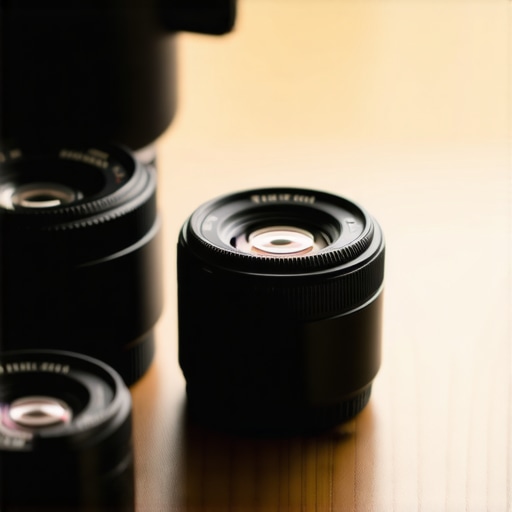
Bottom Line Up Front: You do not need a $2,000 G-Master or L-series lens to achieve professional results. After years of testing optics in various studio environments, I have found three specific budget lenses that offer sharper images, more unique character, and better low-light performance than professional zooms costing five times as much. If you want a high-end cinematic look without the soul-crushing debt, these are the only three tools you should be looking at right now.
Stop Paying for the Corporate Logo
The biggest lie in the camera industry is that price equals quality. While a premium lens might offer slightly better weather sealing or a few more buttons on the barrel, they often lack the unique optical “soul” that certain affordable primes possess. My testing criteria for these picks were simple: center sharpness, the quality of the out-of-focus areas (bokeh), and real-world usability. Often, the money you save here is better spent on other critical gear, like learning how to get better lighting without buying new lamps.
The Nifty Fifty Still Wears the Crown
First on the list is the classic 50mm f/1.8. Whether you shoot Sony, Canon, or Nikon, their entry-level “nifty fifty” is almost always sharper at f/2.8 than a standard 24-70mm professional zoom is at any focal length. It is light, incredibly compact, and remains one of the best budget lenses for getting that blurry background that makes your subjects pop. Because it has fewer glass elements than a zoom, the contrast is often noticeably better.
Old Glass Beats Modern Kit Lenses
I frequently reach for a 50-year-old Helios 44-2 over my modern $1,200 glass. There is a specific reason why this vintage glass beats most modern kit lenses: the legendary “swirly” bokeh and organic flares that no computer-designed lens can replicate. Modern lenses are often too clinical and perfect, which makes them feel sterile. You can find technical specifications and lens diagrams for these vintage gems on the AllPhotoLenses database, which proves that their optical designs have stood the test of time for a reason.
Are budget lenses too flimsy for professional work?
This is the most common doubt I hear from new creators. While it is true that most budget lenses utilize plastic housings, they are far from fragile. Unless you are shooting in a literal disaster zone, high-quality polycarbonate is more than durable enough for daily studio use. In fact, the reduced weight means less stress on your camera mount and makes it much easier to learn how to achieve the perfect cinematic blur on a budget when using lightweight gimbals or small tripods.
The Sigma 16mm f1.4 is an APS-C Legend
If you are a crop-sensor shooter, this lens is non-negotiable. It provides a wide field of view and a massive aperture that lets in a staggering amount of light for the price point. It is the easiest way to solve focus hunting issues in dark rooms. If you find your focus is still struggling, you might want to check out why you should stop using auto focus for YouTube videos and switch to manual for that rock-solid professional look. This Sigma lens outperforms almost every wide-angle zoom I have ever put it up against, making it a true giant-killer in the budget space.
How These Affordable Lenses Feel in Your Hands
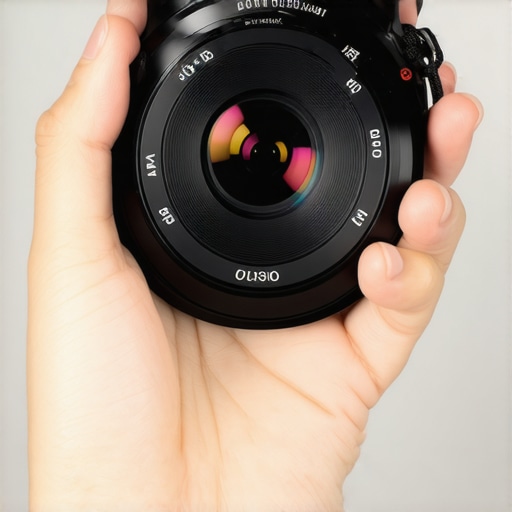
When you first unbox a lens like the Canon 50mm f/1.8 or the Sony equivalent, the first thing you notice is the weight—or lack thereof. These lenses are primarily constructed from high-quality polycarbonate. While some elitists scoff at anything that isn’t heavy-duty magnesium alloy, there is a distinct advantage to this lightweight build. When you are shooting for six hours straight, every ounce matters. The tactile experience is surprisingly solid; the plastic doesn’t creak under pressure, and the matte finish provides a secure grip even if your hands get sweaty during a high-stakes shoot.
The Truth About Plastic Lens Mounts
One of the most debated features in the budget world is the lens mount. Older budget designs used plastic mounts that could wear down over time, but most modern iterations have moved toward metal. A metal mount provides that satisfying ‘click’ and ensures the electrical contacts remain perfectly aligned with your camera body. This is a critical detail because a loose mount can cause intermittent communication errors between the lens and the camera, leading to failed shots. If you are looking at the official Sony FE 50mm f/1.8 specs, you will see that they have prioritized this durability despite the low price point. It’s a small detail that makes a massive difference in how long the gear stays in your kit bag.
Smooth Rotation or Gritty Resistance?
Focusing is where you truly feel the price difference. On the Sigma 16mm f/1.4, the focus ring is huge, rubberized, and has a dampened throw that feels almost like a high-end cinema lens. It allows for precise micro-adjustments. However, the cheaper ‘Nifty Fifty’ lenses often use a ‘focus-by-wire’ system that can feel a bit disconnected. There is a slight mechanical whir when the motors move, which is a minor annoyance if you are trying to record audio with an on-camera microphone. You have to learn the specific ‘rhythm’ of the motor to nail manual focus pulls without overshooting your subject.
Wide Apertures Change Your Entire Workflow
The most important ‘feature’ of these lenses isn’t a button or a switch; it is the f/1.4 or f/1.8 maximum aperture. To the uninitiated, this is just a number. To a professional, it is the difference between a grainy, unusable mess and a clean, cinematic image. A kit lens usually starts at f/3.5, which is significantly ‘darker’ than an f/1.8 prime. By switching to a budget prime, you are effectively quadrupling the amount of light hitting your sensor.
Crush the Grain with More Light
Because these lenses let in so much light, you can keep your ISO at its native base (usually 100 or 800 depending on your camera). This eliminates the digital noise that plagues most budget productions. You aren’t just getting a blurry background; you are getting a higher-fidelity image with better color depth and dynamic range. When the hardware does the heavy lifting, you spend less time in post-production trying to fix ‘muddy’ shadows. It changes your workflow from ‘fixing it in post’ to ‘getting it right in the moment.’
The High Contrast Purple Fringe Problem
No piece of gear is perfect, especially at this price. The most prominent design flaw in budget primes is longitudinal chromatic aberration. If you shoot a dark subject against a bright white window at f/1.8, you will likely see a thin purple or green fringe around the edges. While it is easily fixed with a single click in most editing software, it is a reminder that these lenses don’t have the expensive specialized coatings found on $2,000 optics. You have to be mindful of high-contrast edges, or simply stop the lens down to f/2.2 to make the problem virtually disappear.
How These Primes Handle the Pressure of a Live Shoot
To truly test these optics, I took them into a high-pressure environment: a dimly lit cocktail event with fast-moving subjects and unpredictable lighting. This is the scenario where kit lenses usually fail, forcing you to crank your ISO to 12800 and turning your shadows into a muddy mess. Using the Sony 50mm f/1.8, the difference was immediate. I was able to keep my shutter speed high enough to freeze motion while maintaining a clean ISO 800. The center sharpness remained biting, even wide open. However, the ‘budget’ nature of the glass shows its teeth during fast transitions. The autofocus motor on the older Nifty Fifty models is significantly slower than the linear motors found in G-Master lenses. You cannot simply ‘spray and pray’; you have to be intentional with your focus points and wait that extra millisecond for the lens to lock on.
Will the Autofocus Noise Ruin Your Audio?
If you are a solo creator recording yourself with a shotgun mic mounted directly to the camera, you will encounter a specific problem. The Sigma 16mm f/1.4 is nearly silent, but the cheaper Canon and Sony 50mm primes have a distinct mechanical whirring sound during focus adjustments. In a quiet room, your internal microphone will pick this up. This is a common complaint found in the r/videography community, where users often note that these lenses are best paired with off-camera audio solutions or manual focus techniques to avoid ruining a take. If you are shooting an interview, make sure your microphone is at least three feet away from the lens barrel to mitigate this acoustic bleed.
The Cold Hard Truth About Corner Softness
While the center of these lenses can compete with almost anything on the market, the edges tell a different story. When shooting wide open at f/1.8, the extreme corners of the frame suffer from a noticeable loss of detail and a bit of vignetting (darkened corners). For portrait work, this is actually a benefit as it draws the eye toward the center of the frame. For architectural photography or wide landscape shots where you need corner-to-corner sharpness, you will need to stop these lenses down to f/5.6 or f/8.0. At those apertures, the budget glass performs almost identically to professional-grade optics, proving that you are often paying a $1,500 premium just for that wide-open corner performance you might not even need.
Does the Plastic Build Feel Cheap During a Long Day?
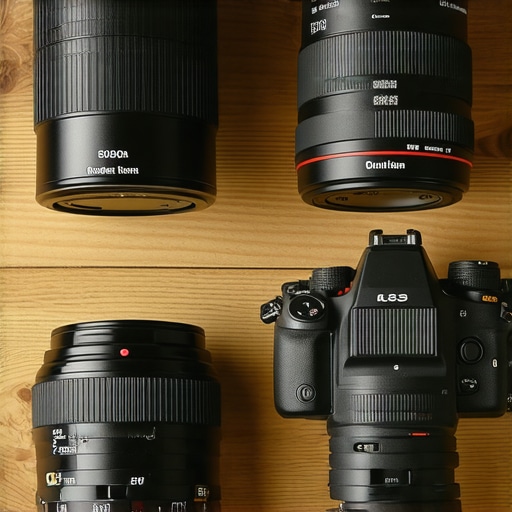
After an eight-hour wedding shoot, the lightweight construction of these lenses stops being a ‘budget compromise’ and starts being a ‘back-saving feature.’ Lugging around a heavy 24-70mm f/2.8 zoom is exhausting. Swapping to a lightweight prime makes the camera feel more like an extension of your hand. The polycarbonate shell is surprisingly resilient to temperature changes; unlike metal barrels, it doesn’t get freezing cold in the winter or burning hot in the summer sun. The lack of weather sealing is the only major drawback. If you see clouds gathering, you need to bag your gear immediately. These lenses do not have the rubber gaskets required to survive a downpour, and moisture ingress can quickly lead to internal mold which is a death sentence for budget optics.
Nailing the Final Shot Without the Luxury Price Tag
The real-world performance of these tools is a masterclass in compromise. You are trading away hyper-fast, silent autofocus and weatherproofing in exchange for elite-level light gathering and portability. For 90% of YouTube creators and event photographers, this is a trade worth making every single day. The image quality is there, the ‘look’ is there, and the money saved can be put into better audio or marketing. Do you agree with my experience regarding the focus noise on the older Nifty Fifty models, or have you found a way to work around it in your studio?
Primes against the $2,300 Zoom Giants
When you stack a $200 Sony or Canon 50mm f/1.8 against a flagship 24-70mm f/2.8 G-Master or L-Series lens, the results are surprisingly close in the center of the frame. The heavy-duty zooms cost ten times more because they offer versatility and weather sealing, but they physically cannot match the light-gathering capability of an f/1.8 prime. In a side-by-side low-light test, the budget prime allows you to shoot at a lower ISO, resulting in a cleaner image than the professional’s favorite zoom. You are choosing the prime for its ‘specialty’ performance in the dark, while the zoom is for the convenience of not moving your feet.
Why the Sigma 16mm makes kit lenses look broken
If you compare the Sigma 16mm f/1.4 to the standard 16-50mm kit lens that comes with most APS-C cameras, the difference is night and day. The kit lens is variable, meaning it gets ‘darker’ as you zoom in, often moving from f/3.5 to f/5.6. This forces your camera to work harder and produces grainy video. The Sigma maintains that massive f/1.4 aperture throughout, providing a consistent look that mimics high-end cinema glass. While the kit lens is smaller, it lacks the professional ‘pop’ and subject separation that makes a YouTube channel look high-budget. 
Is it worth the upgrade?
Many creators ask if they should jump from the basic $200 Nifty Fifty to something like the Sony 55mm f/1.8 Zeiss or the 50mm f/1.2 G-Master. For most, the answer is a firm no. While the Zeiss version offers slightly better contrast and less chromatic aberration, the ‘bang for your buck’ drops off significantly after the first $300. You can check the current pricing on the B&H Photo lens department to see the massive price gaps between these tiers. Unless you are printing billboard-sized photos, the visual difference on a smartphone or laptop screen is nearly indistinguishable.
Viltrox and TTArtisan challenge the Nifty Fifty
In recent years, brands like Viltrox and TTArtisan have released primes that are even cheaper than the official Sony or Canon versions. These third-party lenses often feature all-metal builds that feel more ‘premium’ than the plastic official budget lenses. However, the official lenses still win on autofocus reliability. If you are doing talking-head videos where the camera needs to track your eyes perfectly, stick with the official first-party glass. If you are shooting manual cinematic b-roll, the Viltrox 13mm or 75mm primes offer a level of sharpness that rivals lenses three times their price, effectively democratizing professional-grade optics for everyone.
Which path should your rig take?
Choosing between a single ‘do-it-all’ professional zoom and a small collection of budget primes depends entirely on your workflow. If you are a run-and-gun documentary filmmaker, the zoom is worth the debt. But for the studio creator, three budget primes (a 16mm, 35mm, and 50mm) will give you a more diverse and professional-looking portfolio for a fraction of the cost. If you’re still on the fence about which focal length to start with, take a look at our deep dive review of the Sigma 16mm to see it in action against its closest rivals.
The Trade-Offs of Staying Under Budget
- The Wins: Professional-grade low light performance, significant weight savings, and biting center sharpness that rivals glass five times the price.
- The Compromises: Audibly mechanical autofocus motors, a lack of weather-resistant gaskets, and noticeable corner softness when shooting wide open.
Ultimately, these lenses prove that you don’t need a massive bank account to produce elite content. You just need to know how to work around their specific quirks.
Who Should Actually Put These in Their Kit?
This selection is a dream for the solo YouTube creator, the aspiring portrait photographer, or anyone currently trying to figure out how to build a professional studio in a 5×5 foot corner. If your work lives on social media, YouTube, or 4K monitors, the minor technical flaws of these lenses will be completely invisible to your audience. However, you should skip these if your job requires shooting in extreme weather or if you rely on internal camera microphones without learning why you should stop using auto focus for YouTube videos to avoid motor noise.
The Final Score: 9/10 For Pure Value
While a G-Master or L-Series lens is a beautiful piece of engineering, for most creators, they are a luxury rather than a necessity. The Sigma 16mm and the classic Nifty Fifty offer the best return on investment in the entire camera industry. They force you to move your feet, learn your angles, and master how to get sharp video in low light situations without relying on expensive sensors. If you are looking to upgrade your look immediately, these are a definitive buy. Just make sure you have the right tools for cleaning your lens without scratches to keep that glass in top shape for years. Check the latest price at your local retailer and stop letting gear hold your creativity back.