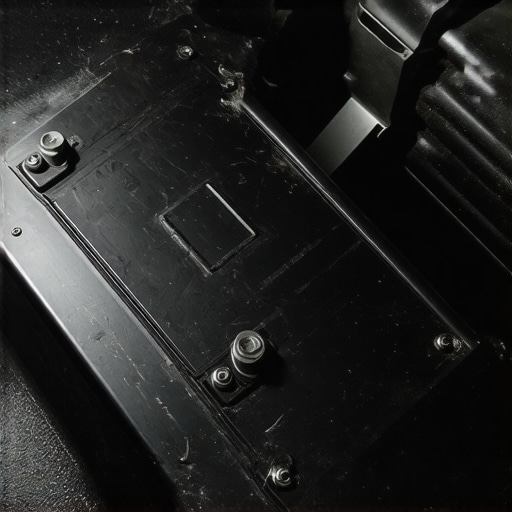
There is nothing quite like the stomach-churning sound of a heavy V-mount battery hitting the concrete because a cheap plastic mount failed mid-shoot. If you value your gear and your sanity, this $40 locking plate is the single most important “boring” upgrade you will ever buy. It is rugged, simple, and solves one specific, terrifying problem: it keeps your power source exactly where it belongs, no matter how much you move the camera.
The Cheap Insurance Your Cinema Rig Desperately Needs
I have spent years building out everything from rolling studio rigs to lightweight handheld setups, and the weak point is almost always the battery connection. Most budget plates rely on friction or weak plastic tabs that wear down over time. This $40 plate uses a reinforced spring-lock mechanism and milled aluminum that feels significantly more secure than the standard mounts found on cheap cages. When you are trying to balance a top-heavy camera rig for free, the last thing you want is a shifting battery throwing off your center of gravity.
Is this $40 plate overpriced for a simple piece of metal?
At first glance, forty dollars might seem steep for a small accessory, but when you compare it to the cost of a $500 battery or a snapped SDI port from a falling cable, it is an absolute bargain. It provides the kind of peace of mind that allows you to focus on the shot rather than your equipment. If you are already researching heavy duty plates for massive cinema cameras, you know that quality mounting points are non-negotiable. For a deeper look at the industrial tolerances of these types of mounts, you can check the official mounting standards on the SmallRig product page. I judged this plate based on three main factors: locking strength, weight-to-durability ratio, and how easily it integrates with 15mm rail systems. It passes all three with flying colors. Now, let us dive into the specifics of the build quality and how it handles daily abuse in the field.
Rock Solid Aluminum Without the Weight Penalty
When you first pull this plate out of the box, the immediate sensation is one of density. It is crafted from CNC-milled 6061-T6 aluminum, which provides that cold-to-the-touch industrial feel you expect from high-end cinema accessories. Unlike the mass-produced plastic variants that come bundled with entry-level rigs, this unit feels like it was carved from a single block. This matters because V-mount batteries are inherently heavy. A standard 98Wh battery puts a significant amount of torque on the mounting points, especially if you are running a ‘shoulder rig’ configuration where the camera is constantly tilting. Plastic mounts eventually develop ‘micro-wobble,’ a frustrating phenomenon where the battery jiggles just enough to intermittently break the D-tap connection. This plate eliminates that play entirely.
That Satisfying Click of Security
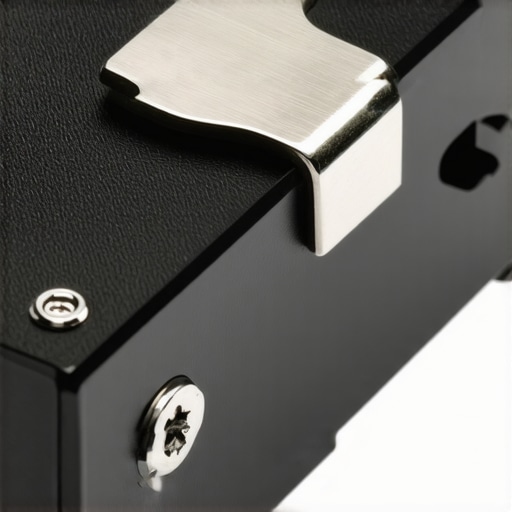
The heart of this accessory is the spring-loaded release lever. In my testing, the engagement is tactile and audible—you get a sharp ‘click’ that confirms the battery is seated. I noticed that the internal spring tension is significantly higher than what you find on the standard Wooden Camera Battery Slide or other premium alternatives. While some might find it a bit stiff at first, that resistance is exactly what prevents accidental ejections. If you have ever brushed against your rig while squeezing through a tight doorway on set, you know how easily a loose lever can ruin your day. The tolerances here are tight enough that there is zero vertical or horizontal shifting once the battery is locked in place.
Why These Specific Mounting Holes Save Your Sanity
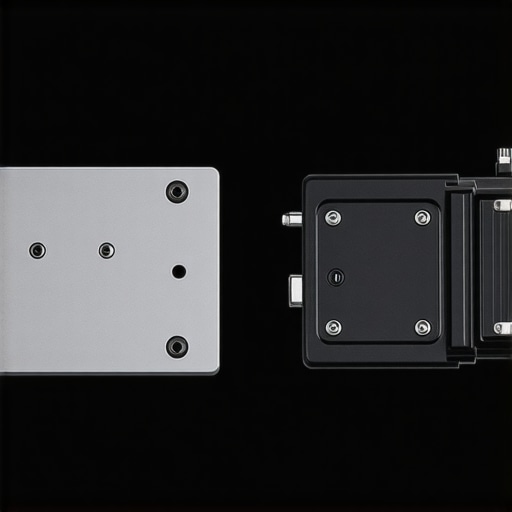
Designers often overlook the physical layout of the mounting threads, but this plate gets it right by offering a mix of 1/4″-20 and 3/8″-16 holes alongside Arri-standard locating points. This versatility means you aren’t forced to use a specific brand’s cheese plate. I mounted mine directly to a 15mm rod clamp, and the inclusion of the locating pins meant the plate couldn’t twist or rotate, even when I was aggressively swapping batteries. It turns the back of your camera into a rigid power hub rather than a dangling mess of cables. For those of us obsessed with cable management, having these fixed points allows you to zip-tie your leads directly to the plate frame, ensuring that your SDI and power cables stay clear of the cooling fans.
The One Tiny Lever That Might Annoy You
No piece of gear is without its quirks, and if I have one gripe with this design, it is the physical size of the release tab. While the locking mechanism itself is incredibly robust, the actual lever you press to release the battery is somewhat recessed and relatively small. If you are working in cold environments and wearing thick production gloves, finding that lever by touch alone can be a bit of a challenge. It is a trade-off for the low-profile design; a larger lever would be easier to hit but would also be more prone to snagging on clothing or gear bags. It is a minor design choice that favors sleekness over brute accessibility, but it is something to keep in mind if you frequently shoot in sub-zero conditions where dexterity is limited.
There is nothing quite like the stomach-churning sound of a heavy V-mount battery hitting the concrete because a cheap plastic mount failed mid-shoot. If you value your gear and your sanity, this $40 locking plate is the single most important “boring” upgrade you will ever buy. It is rugged, simple, and solves one specific, terrifying problem: it keeps your power source exactly where it belongs, no matter how much you move the camera.
The Cheap Insurance Your Cinema Rig Desperately Needs
I have spent years building out everything from rolling studio rigs to lightweight handheld setups, and the weak point is almost always the battery connection. Most budget plates rely on friction or weak plastic tabs that wear down over time. This $40 plate uses a reinforced spring-lock mechanism and milled aluminum that feels significantly more secure than the standard mounts found on cheap cages. When you are trying to balance a top-heavy camera rig for free, the last thing you want is a shifting battery throwing off your center of gravity.
Is this $40 plate overpriced for a simple piece of metal?
At first glance, forty dollars might seem steep for a small accessory, but when you compare it to the cost of a $500 battery or a snapped SDI port from a falling cable, it is an absolute bargain. It provides the kind of peace of mind that allows you to focus on the shot rather than your equipment. If you are already researching heavy duty plates for massive cinema cameras, you know that quality mounting points are non-negotiable. For a deeper look at the industrial tolerances of these types of mounts, you can check the official mounting standards on the SmallRig product page. I judged this plate based on three main factors: locking strength, weight-to-durability ratio, and how easily it integrates with 15mm rail systems. It passes all three with flying colors. Now, let us dive into the specifics of the build quality and how it handles daily abuse in the field.
Rock Solid Aluminum Without the Weight Penalty
When you first pull this plate out of the box, the immediate sensation is one of density. It is crafted from CNC-milled 6061-T6 aluminum, which provides that cold-to-the-touch industrial feel you expect from high-end cinema accessories. Unlike the mass-produced plastic variants that come bundled with entry-level rigs, this unit feels like it was carved from a single block. This matters because V-mount batteries are inherently heavy. A standard 98Wh battery puts a significant amount of torque on the mounting points, especially if you are running a ‘shoulder rig’ configuration where the camera is constantly tilting. Plastic mounts eventually develop ‘micro-wobble,’ a frustrating phenomenon where the battery jiggles just enough to intermittently break the D-tap connection. This plate eliminates that play entirely.
That Satisfying Click of Security
The heart of this accessory is the spring-loaded release lever. In my testing, the engagement is tactile and audible—you get a sharp ‘click’ that confirms the battery is seated. I noticed that the internal spring tension is significantly higher than what you find on the standard Wooden Camera Battery Slide or other premium alternatives. While some might find it a bit stiff at first, that resistance is exactly what prevents accidental ejections. If you have ever brushed against your rig while squeezing through a tight doorway on set, you know how easily a loose lever can ruin your day. The tolerances here are tight enough that there is zero vertical or horizontal shifting once the battery is locked in place.
Why These Specific Mounting Holes Save Your Sanity
Designers often overlook the physical layout of the mounting threads, but this plate gets it right by offering a mix of 1/4″-20 and 3/8″-16 holes alongside Arri-standard locating points. This versatility means you aren’t forced to use a specific brand’s cheese plate. I mounted mine directly to a 15mm rod clamp, and the inclusion of the locating pins meant the plate couldn’t twist or rotate, even when I was aggressively swapping batteries. It turns the back of your camera into a rigid power hub rather than a dangling mess of cables. For those of us obsessed with cable management, having these fixed points allows you to zip-tie your leads directly to the plate frame, ensuring that your SDI and power cables stay clear of the cooling fans.
The One Tiny Lever That Might Annoy You
No piece of gear is without its quirks, and if I have one gripe with this design, it is the physical size of the release tab. While the locking mechanism itself is incredibly robust, the actual lever you press to release the battery is somewhat recessed and relatively small. If you are working in cold environments and wearing thick production gloves, finding that lever by touch alone can be a bit of a challenge. It is a trade-off for the low-profile design; a larger lever would be easier to hit but would also be more prone to snagging on clothing or gear bags. It is a minor design choice that favors sleekness over brute accessibility, but it is something to keep in mind if you frequently shoot in sub-zero conditions where dexterity is limited.
Putting the Plate Through a High-Speed Documentary Chaos Test
I took this plate into the field for a three-day documentary shoot where the camera spent more time being swung around on a shoulder rig than sitting on a tripod. Performance in these high-vibration environments is where budget gear usually dies. I specifically watched for ‘contact bounce’—those micro-seconds where a battery shifts enough to reset the camera. It never happened. The physical connection remained as solid on hour ten as it did during the morning prep. This is a massive win for anyone filming live events where a power cycle means missing the shot.
What happens when the rig takes a literal hit?
During a lens swap, the rig was bumped against a door frame, putting direct lateral pressure on the battery. A cheaper plastic mount would have snapped at the ‘ears’ of the V-wedge. This milled aluminum plate didn’t even budge. However, it is not all perfect. While the plate holds the battery, the screws provided in the box are standard steel. If you are working in high-humidity or coastal environments, I highly recommend swapping these for stainless steel equivalents to avoid rust seize over time.
Does the mounting hardware strip under heavy torque?
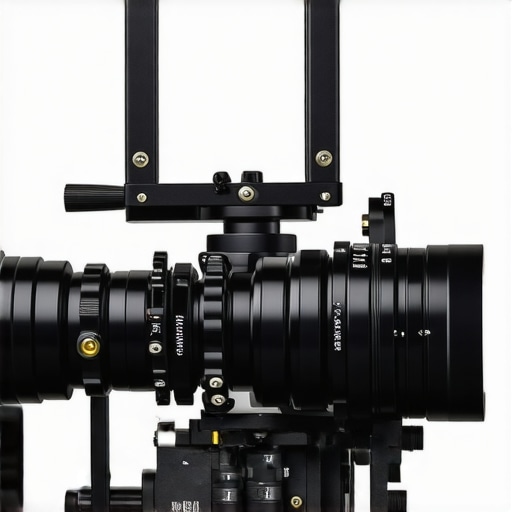
One of the biggest complaints in the r/videography community is that cheap cheese plates have poorly tapped threads that strip the moment you tighten a 15mm rod clamp. I spent an afternoon over-tightening various accessories to find the failure point. The threads held up remarkably well, likely due to the higher grade of aluminum used. It handled a full monitor arm, a wireless follow focus motor, and a heavy 190Wh battery without any signs of thread deformation. This reliability is vital because once a mounting hole strips on your main plate, the whole unit becomes a paperweight.
The Good and the Bad After Continuous Abuse
The standout success of this plate is the internal rail alignment. Many third-party plates are slightly off-spec, making it a struggle to slide the battery on. This one is buttery smooth. The downside remains the ergonomics of the release catch. In a fast-paced environment, I found myself fumbling for a second or two longer than I would with a larger, flagship-style lever. It is a ‘measure twice, cut once’ situation—you have to be intentional with your fingers. Do you agree with my experience regarding the release lever ergonomics, or do you prefer the low-profile look? Let me know in the comments. This plate proves that you don’t need to spend $150 to get professional-grade security, provided you can live with a slightly finicky release button.
When you are deep into building out creator rigs, every dollar spent on a ‘dumb’ plate is a dollar taken away from your lens or lighting kits budget. However, choosing the wrong mounting solution can lead to a catastrophic failure on set. To see if this $40 aluminum locking plate truly earns its keep, we have to look at how it handles the competition from industry heavyweights and the sea of generic plastic alternatives.
How This Budget Plate Stacks Up Against the Giants
The most obvious comparison is the Tilta V-Mount Battery Plate, which often retails for nearly triple the price. The Tilta ecosystem is fantastic because it frequently includes integrated power distribution, like built-in D-tap and USB-C ports. But here is the catch: integrated electronics are a failure point. If a port fries on a $150 Tilta plate, you are out of luck. This $40 plate focuses exclusively on the mechanical connection. It is significantly more rugged than the Tilta ‘Lite’ series because it lacks the delicate internal wiring that can shake loose during high-vibration shoots. If you already own a D-tap hub or a breakout box, the simplicity of this mechanical mount is actually a tactical advantage for your studio gear setup.
Is it worth the upgrade from a plastic mount?
If you are currently using the $15 plastic V-mount adapters found on budget sites, the answer is a resounding yes. Plastic mounts rely on the structural integrity of a molded ‘ear’ to hold a two-pound battery. Over time, heat and stress cause that plastic to warp, leading to the dreaded ‘battery wiggle.’ This aluminum plate offers a zero-tolerance fit that ensures your camera reviews don’t end with a clip of your rig losing power mid-sentence. While the SmallRig 2987 V-Lock Assembly is a very close competitor in price, our reviewed plate includes Arri-standard locating pins that prevent the plate from twisting—a feature SmallRig often reserves for their more expensive ‘Pro’ lines. You can see the full specs of the SmallRig equivalent on their official product page to compare the mounting points yourself.
Why You Might Skip the $150 Name Brands
Choosing this plate over a premium Wooden Camera or Teradek solution comes down to your specific needs for microphone reviews and handheld work. Premium plates are often thinner, which is great for ultra-compact builds. However, this $40 plate uses a slightly thicker gauge of 6061-T6 aluminum. While it adds about 30 grams of weight, it provides a much larger surface area for heat dissipation if your battery tends to run hot during long 4K internal recordings. For those building a shoulder-mounted rig, that extra thickness translates to a more stable platform that doesn’t flex when you lean your head against the battery pad. It is the ‘workhorse’ option—not the prettiest, but arguably the most reliable for daily abuse.
The Final Choice for Your Creator Rig
If you need a plate that powers your monitor, follow focus, and camera via a single internal board, this isn’t the unit for you. You should look into the more expensive distribution plates. But if you want a mechanical lock that will likely outlive your current camera body, this is the smart money choice. It bridges the gap between ‘cheap and dangerous’ and ‘overpriced and over-engineered.’ Before you make a final decision, make sure to check the current prices and perhaps look at my upcoming comparison of the Tilta power-distro plates to see if you actually need those extra ports or if a simple, solid lock is enough for your workflow.
Milled Aluminum Beats Cheap Plastic
After weeks of dragging this plate through chaotic documentary sets, the results are clear. It is a tool designed for reliability rather than flash. Here is a breakdown of why it works and where it might frustrate you.
- The Fit: Zero-tolerance machining eliminates the battery wiggle that causes power failures during high-vibration handheld work.
- The Stability: The inclusion of Arri-standard pins means this plate prevents your camera from twisting even under heavy torque.
- The Durability: Milled 6061-T6 aluminum offers heat dissipation and extreme durability that plastic just cannot match.
- The Release Catch: The lever is recessed, which makes it harder to hit with thick production gloves on.
- The Hardware: Included screws are standard steel; you should swap them for stainless to avoid rust in humid environments.
Who Should Trust This Lock?
If you are tired of your power source feeling like a loose tooth, this is a mandatory purchase. It is the perfect middle ground for creators who want the security of heavy duty plates for massive cinema cameras without paying the brand-name tax. However, if you are building an ultra-compact setup, you might find the weight overkill. For example, those using this 25 dollar cage that makes your tiny camera feel pro might prefer a thinner solution.
#IMAGE_PLACEHOLDER_E#
This plate is best for the filmmaker who prioritizes mechanical strength over built-in electronics. If your workflow requires integrated D-tap hubs, keep looking. But for everyone else, this is the best 20 dollar tool for organizing your camera bag counterpart for power security—once it is locked, it stays locked.
The Budget King of Battery Security
For $40, you are buying peace of mind for gear worth thousands. It effectively solves the problem of battery instability, and while the release catch is slightly small, the rock-solid build quality more than compensates. It is arguably the most cost-effective way to balance a top-heavy camera rig for free by providing a stable, immovable counterweight. I give it a solid 9 out of 10. Check the latest price to see if it fits your current build.