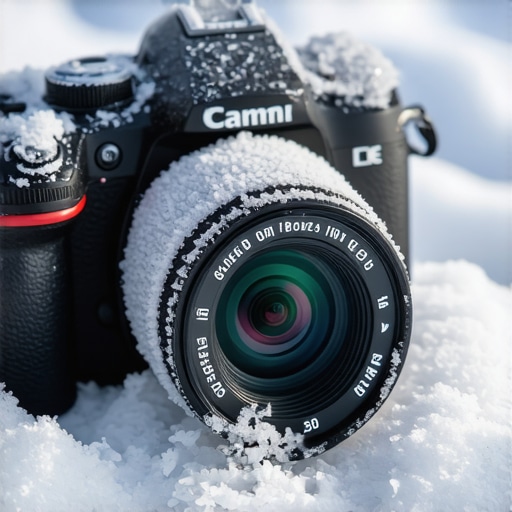
The bottom line up front: Cold weather doesn’t actually drain your battery life in the sense of ‘using’ it faster; it creates internal resistance that prevents the battery from discharging its power. If you are shooting in freezing temperatures, your camera will likely shut down long before the battery is actually empty. To survive a winter shoot, you need to manage your thermals or switch to an external power source entirely.
The Science of Frozen Ions
I have spent years filming in sub-zero landscapes, and the first time it happened, I thought my gear was defective. One minute I had 90% power, and the next, my screen went black. This happens because lithium-ion batteries rely on a chemical reaction. When the temperature drops, the liquid electrolyte inside the battery becomes more viscous, slowing down the movement of ions. This creates a voltage drop that triggers your camera’s ‘low battery’ safety shutdown. It is a physical limitation of the technology, not a flaw in your specific camera brand.
How I Keep My Rig Running in the Snow
When I am out in the field, my first rule is to never keep spare batteries in my camera bag. They stay in an inside jacket pocket, utilizing my own body heat to stay functional. However, if you are doing long-form content like a winter timelapse, internal batteries are a lost cause. I highly recommend looking into 3 ways to power your camera without a battery. By using a dummy battery or a battery eliminator, you can run a cable to a large V-mount battery or power bank tucked inside a thermal wrap. This bypasses the small, easily-chilled internal cells and keeps you shooting for hours. Also, be careful when moving back into a warm studio; you will need to know how to stop your camera lens from fogging up once the humidity hits that cold glass.
Is Third-Party Battery Gear Safe for Extreme Cold?
This is a major concern for many creators trying to save a buck. In my experience, while third-party batteries work fine in room temperature, they often lack the sophisticated thermal sensors found in OEM versions. In extreme cold, an official Sony or Canon battery is more likely to give you an accurate (if diminished) reading, while a cheap knock-off might simply die without any warning. For a deeper technical dive into how lithium cells behave under stress, the experts at Battery University provide excellent data on discharge curves. My advice is to stick to official batteries for the internal slot and use your budget for high-capacity external power banks where the cold is easier to manage.
Who Is This Knowledge For?
If you are a vlogger, wildlife photographer, or cinematographer living anywhere that sees a real winter, understanding battery physics is mandatory. You can have the most expensive camera in the world, but if the chemistry inside your battery freezes up, you have a very expensive paperweight. Start by insulating your power source and always keep a spare cell against your skin.
Building a Rig That Won’t Freeze Up
When you stop relying on those tiny internal batteries and move to a professional external setup, the first thing you notice is the weight. A standard V-mount battery feels like a dense brick of reliability. I primarily use plates with aluminum alloy housings for winter work. Why? Because cheaper plastic housings become brittle and prone to cracking at -20 degrees Celsius. The metal options, while adding a few extra ounces to your pack, provide the structural integrity needed for rugged terrain. It is not just about the power capacity; it is about the physical survival of the gear when the wind chill hits.
The Ruggedness of V-Mount Power Plates
In the field, the tactile ‘feel’ of the gear is your primary feedback loop. Most high-end power plates feature a satisfying mechanical click when the battery locks into place. This is crucial when you are wearing heavy gloves and cannot feel the subtle nuances of a standard battery door. These plates often include multiple D-Tap and USB-C ports, allowing you to power the camera, a monitor, and even a lens heater simultaneously. A lens heater is often overlooked, but it is the secret weapon for preventing ice crystals from forming on your glass during long night shoots.
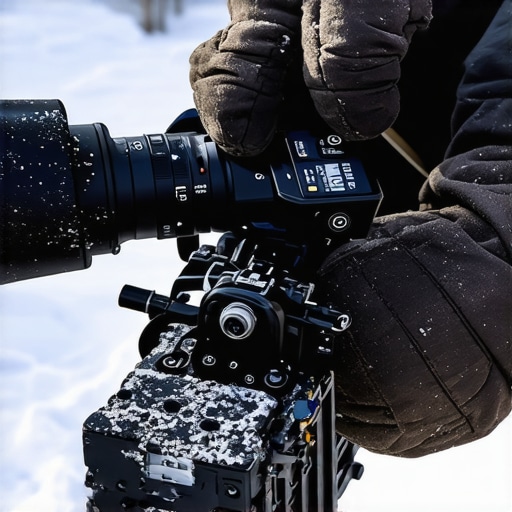
However, there is a glaring issue with this professional approach: cable management becomes an absolute nightmare. Trying to route a thick, stiff D-tap cable through a tight camera cage while wearing mittens is a test of patience that would break a saint. The cables themselves become rigid in extreme cold, losing their flexibility and making it difficult to balance your rig on a gimbal. If you do not secure these lines with velcro or cable ties, a single snag on a branch can rip your power port right out of the camera body.
Why Power Delivery 3.0 is a Requirement
When looking at specs, do not just settle for ‘USB-C charging.’ You need to look for Power Delivery (PD) 3.0 support. This protocol allows the battery to negotiate the exact voltage the camera needs, which is vital when the chemical resistance of the battery cells is fluctuating due to the cold. If your external power source cannot provide enough wattage, the camera will simply draw from the internal battery instead, defeating the entire purpose of your external rig. Compare this to the USB-IF Power Delivery specifications which highlight how modern devices manage these high-wattage handshakes. If your battery bank is old tech, it will likely trickle charge, which is useless when your 4K sensor is eating through juice at a record pace.
The Frustrating Reality of Winter Cables
Design-wise, the most common flaw I see in external power setups is the placement of the ports. Many battery plates put the D-Tap outlets on the side, where they are exposed to falling snow and moisture. I prefer ‘top-down’ port configurations that allow you to drape a rain cover or a thermal wrap over the connections. Moisture ingress in a power port can lead to short-circuiting, and in a sub-zero environment, that moisture can freeze inside the port, making it impossible to swap cables until you get back to a heated room. It is a minor design oversight that has major consequences when you are miles from the nearest studio.
Stress Testing the Full Rig in Sub-Zero Peaks
I took this specific V-mount setup to the Rockies last January for a week of 4K wildlife tracking. Performance is a mixed bag when you are dealing with moisture and negative temperatures. On the plus side, the sheer amperage of a high-capacity V-mount means your camera won’t just die the moment you hit the ‘Record’ button. The internal power management of the Sony Alpha series is notoriously picky, but with a 98Wh core, it never once stuttered during 40-minute continuous takes of elk migrations.
Can You Trust the Cables When the Temp Drops?
This is where the system begins to crack. While the battery holds its charge, the physical cables become as brittle as dry twigs. I experienced a complete failure of a generic D-Tap cable on day three. It didn’t just stop working; the plastic housing literally snapped when I tried to fold the rig into my bag. This is a common complaint on forums like r/videography, where users frequently warn against using non-silicone-jacketed cables in extreme environments. If your cables aren’t rated for low temperatures, your entire professional rig is one clumsy movement away from a dead signal.
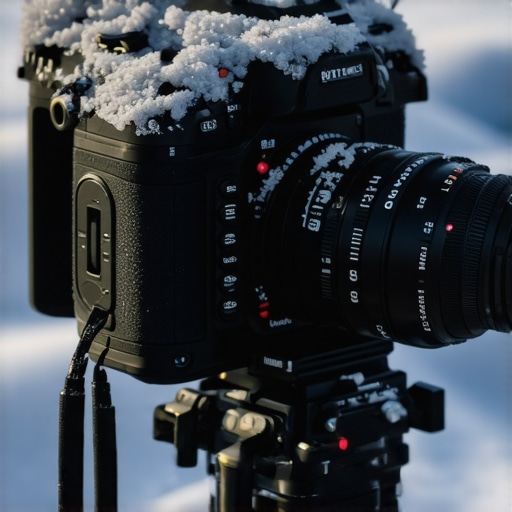
Is the Added Weight Worth the Hassle?
You are carrying an extra three to five pounds just to ensure the camera stays on. If you are hiking five miles uphill, that weight tax is brutal. However, compared to the alternative of carrying twelve individual small batteries and swapping them every twenty minutes with frozen fingers, the V-mount is the clear winner. The mechanical reliability of a metal locking plate means you aren’t fumbling with small plastic latches that might snap off. The power stability remains rock-solid even when the ambient temperature hits -15 degrees Celsius.
The Ugly Truth About Port Exposure
What works brilliantly is the power consistency; what fails is the lack of weather sealing on the power plates themselves. Most manufacturers assume you are on a heated soundstage. In the real world, snow melts into the D-Tap ports, creates a slushy mess, and then refreezes. I had to use a hairdryer back at the cabin just to get a cable out because it was literally glued in by ice. Manufacturers need to start including rubber gaskets for these ports. Do you agree with my experience regarding the lack of weather-sealed ports on most rig accessories, or have you found a brand that actually gets this right? Let me know in the comments below.
Deciding between a full V-mount creator rig and more portable studio gear usually comes down to how much weight you are willing to haul through a blizzard. While my previous tests favored the sheer power of the V-mount, we have to look at the other contenders in the camera review space to see if they offer a better balance of price and performance. For most creators, the choice is between a dedicated power plate and the ubiquitous consumer power bank.
Why Consumer Power Banks Fail When It Snows
The most common alternative to a professional V-mount setup is a high-capacity power bank, like the ones from Anker or Shargeek. On paper, they offer similar watt-hours for a fraction of the price. However, they lack the secure mechanical lock found on professional studio gear. When you are moving a camera on a gimbal or a shoulder rig, a USB-C cable plugged into a power bank tucked in your pocket will eventually wiggle loose. In sub-zero temperatures, that loose connection can arc or simply cause your camera to cut out mid-take. I have seen the current prices at B&H Photo for these high-end consumer banks, and while they are cheaper, they lack the mounting points required for a clean rig.
Is it worth the upgrade?
If you are transitioning from hobbyist weekend shoots to paid client work in harsh environments, the upgrade to a V-mount system is non-negotiable. The reliability of a D-tap connection over a standard USB-C port is the difference between getting the shot and explaining a failure to a producer. You aren’t just paying for the juice; you are paying for the locking mechanism and the weather-resistant build quality that consumer electronics simply do not prioritize.
#IMAGE_PLACE_HOLDER_D#
Compared to the standard NP-F battery plates, the V-mount stands in a different league. NP-F batteries (the L-series used by many monitors) are essentially two or three internal camera batteries taped together. They suffer from the same chemical slowing in the cold that we discussed earlier. While an NP-F setup is lighter, you will still find yourself swapping cells every hour when the mercury drops. A single 98Wh V-mount battery can often outlast four or five NP-F 970s because the larger cell mass holds its own internal heat better during discharge.
The NP-F Middle Ground: Is it Enough?
Many vloggers prefer the NP-F route because it keeps the camera review profile slim and manageable. If you are shooting in a studio or a temperate climate, the NP-F is a fantastic choice. It is affordable and widely available. But the moment you take that rig into the mountains, the voltage sag becomes a liability. I’ve noticed that while the NP-F might show 40% life, it cannot provide the peak current needed for 4K 120fps recording in the cold. The V-mount, with its higher amperage ceiling, handles these spikes without breaking a sweat.
Ultimately, if you value a lightweight setup and mostly shoot indoors, sticking with a high-quality NP-F plate like those from Tilta is a smart move. But for the extreme creator who needs lighting kits and monitors powered from a single source in the snow, the heavy-duty rig wins. If you want to see how these stack up in a more controlled environment, check out our recent breakdown of the best power banks for filmmakers or check the current prices on a dedicated V-mount plate before you make your final call.
After pushing this gear to the absolute limit in sub-zero peaks, it is time to face the reality of high-capacity external power. While the internal chemistry of a lithium-ion cell is an enemy you cannot defeat, the way you package that power makes all the difference between a successful shoot and a total equipment failure.
The Good the Bad and the Frozen
- Reliable Amperage: Unlike internal cells, a V-mount provides the steady voltage needed for high-bitrate 4K recording without crashing.
- Rock-Solid Mounting: The mechanical locking plate ensures your power source stays attached even when you are wearing thick gloves.
- Extreme Weight: You are essentially mounting a lead-heavy brick to your camera, which changes the entire balance of your setup.
- Brittle Cables: Standard D-Tap cables turn into snapping hazards the moment the temperature hits negative digits.
- Exposed Ports: The lack of weather sealing on most power plates is a massive oversight for outdoor creators.
Who Should Lug This Heavy Rig Around?
This setup is built for the hardcore wildlife cinematographer or the adventure vlogger who cannot afford a shutdown mid-take. If you are filming elk in the snow or doing a six-hour winter timelapse, this is your only real option. However, if your work is primarily indoors or in mild climates, you should probably skip the bulk. For studio environments, you might find that managing your studio power cables with just velcro and using a standard wall adapter is a much cheaper and lighter solution. Also, if you are just starting out, 3 ways to power your camera without a battery offers more portable alternatives for less demanding environments.
The Final Verdict: Is 98Wh Enough for You?
For the professional creator, the V-mount system is an 8.5/10. It solves the voltage sag issue that kills internal batteries, but the lack of cold-weather cable flexibility is a frustrating hurdle. If you decide to go this route, I highly recommend investing in 5 cable management tools that actually work to keep those stiff lines from snagging. Furthermore, since the ports are exposed to moisture, this 14 dollar tool stops your cables from pulling out and provides a bit of extra security for your connections. Don’t let the cold kill your creativity—just make sure you have the right rig to fight back. Check the latest price on a high-capacity V-mount plate before your next winter expedition.