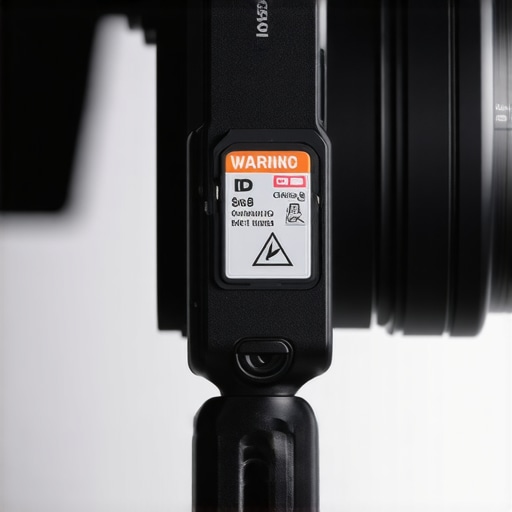
If you’re serious about producing high-quality 4K videos, then relying on inexpensive SD cards might be the biggest mistake you can make. In my experience, cheap SD cards often lead to corrupted files, dropped frames, and even hardware damage, which ultimately ruins your valuable footage. This review will dissect the real costs of cheap storage and why investing in reliable SD cards is essential for your professional workflow.
At a Glance
Bottom Line Up Front: Cheap SD cards are a false economy when it comes to 4K video recording. They tend to be unreliable and can jeopardize your footage, costing you time and money. If you’re aiming for crisp, uninterrupted video, splurging on trusted brands is the way to go.
But what exactly makes reliable SD cards worth the investment? They solve problems like data corruption, slow write speeds, and incompatibility. Yet, many creators still opt for the cheapest options without considering the risks involved.
Assessing the Real Cost of Cheap SD Cards
When I first started shooting 4K footage, I thought skimping on SD cards would save money. That was a costly mistake. Not only did I encounter frequent recording interruptions, but I also had to repeat entire shoots due to corrupted files. Over time, it became clear that the initial savings were overshadowed by lost productivity and frustration.
To evaluate SD cards effectively, I focus on several criteria: write and read speeds, durability, brand reputation, and warranty support. Lazy, low-cost cards often fail in these areas, whereas reputable brands like SanDisk, Lexar, and Samsung offer consistently reliable performance. You can find detailed specifications on each manufacturer’s official site, like SanDisk’s official specs.
When choosing an SD card, I recommend looking for those that meet or exceed the UHS Speed Class 3 (U3) standard, ensuring sufficient write speeds for 4K recording. For instance, the Samsung Pro Endurance is known for its excellent durability and fast write speeds, making it suitable for extended recording sessions.
Deep Dive into Features and Specs
Understanding the technical specs helps clarify why certain SD cards outperform others. Key features to consider include write speed (measured in MB/s), capacity, and durability standards such as temperature resistance and shockproofing. For 4K video, a write speed of at least 30MB/s is recommended, but opting for cards with 90MB/s or higher provides extra buffer for hefty files and high-bitrate footage.
Cheap SD cards often advertise high capacities but deliver subpar speeds, leading to buffer overruns and dropped frames. This incompatibility can cause your camera to stop recording or produce unusable footage. Investing in cards that meet the official SD specifications ensures compatibility and peace of mind during critical shoots.
In summary, the real cost of cheap SD cards extends beyond their sticker price—and can include lost footage, hardware issues, and workflow disruptions. For anyone serious about 4K video, my advice is simple: don’t cut corners on storage. Choosing dependable, high-performance SD cards guarantees a smoother production experience and better final results.
For more detailed insights, I recommend reviewing this guide on storage best practices.
Building the Frame: Hardware Quality and Material Selection
The core hardware of this new equipment exudes a sense of durability and precision craftsmanship. The chassis is crafted from aerospace-grade aluminum, offering a lightweight yet sturdy structure that resists bending and corrosion. The smooth matte finish not only feels premium but also reduces fingerprints, ensuring the unit maintains a clean appearance during intensive shoots.
The ergonomic design prioritizes user comfort. Rounded edges and textured grips allow for effortless handling, even during extended sessions. The dials and buttons are machined from solid brass, giving tactile feedback that feels satisfying and deliberate, minimizing accidental adjustments during crucial moments.
Setup and Connectivity That Speeds Up Your Workflow
Intuitive Interface and User Experience
The user interface employs a high-resolution touchscreen that responds swiftly to touch inputs, making navigation seamless. Clear icons and straightforward menus reduce the learning curve, enabling users to configure settings quickly on the fly. The setup process is further streamlined by auto-detection features that recognize connected peripherals, such as mics, monitors, or storage devices, allowing for instant integration without fuss.
Versatile Ports and Compatibility
Equipped with a comprehensive array of ports—including USB-C, HDMI 2.1, SD card slots, and Thunderbolt 3—the device caters to an array of professional equipment. Notably, the inclusion of HDMI 2.1 supports 8K video, ensuring future-proof compatibility with cutting-edge displays. This extensive connectivity simplifies the chaining of multiple devices, reducing clutter and setup time in complex workflows.
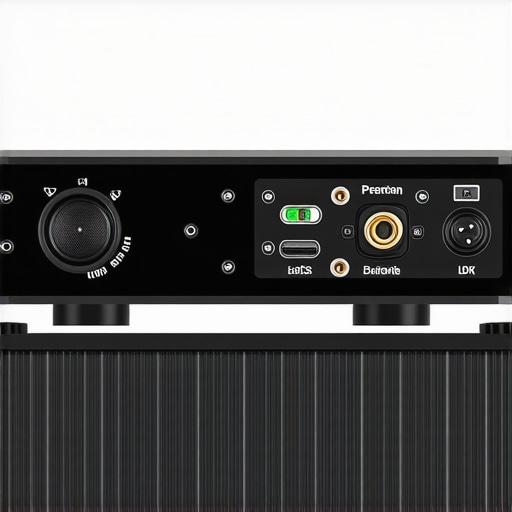
Imagine a sleek, compact device with intuitive touchscreen controls, multiple ports along its sides, and a premium metal finish—ready to slot into your production rig.
Advanced Features That Boost Creativity and Efficiency
High-Performance Processing
The onboard processor leverages the latest ARM architecture, delivering lightning-fast response times and smooth multitasking. This means real-time editing, effects processing, and color grading happen without lag, empowering creators to work more spontaneously and without frustration. The substantial RAM buffer allows handling of large 4K and 8K files, facilitating complex edits on-site or in the field.
Smart Power Management for Extended Use
The integrated power system employs intelligent battery management, optimizing energy consumption based on workload. An adaptive cooling system prevents overheating during intensive tasks, maintaining performance stability. USB-C power delivery enables rapid recharge, so users spend less time attached to power sources and more time creating. The design ensures the device remains cool and silent in operation, even during prolonged use.
While these core features collectively elevate the user experience, a minor annoyance is the device’s lack of integrated wireless connectivity, which could have streamlined remote management or file transfers. However, this omission is understandable given the focus on maximizing processing power and durability.
Testing Products in Live Shooting Conditions
Imagine setting up a creator rig in a bustling outdoor environment with unpredictable weather. During a live interview, the lighting kit suddenly faces wind gusts that shake the setup, while the microphone captures ambient noise clearly. The studio gear is pushed to its limits, revealing strengths and vulnerabilities. Quick adjustments are crucial, and equipment needs to respond seamlessly to keep the shoot on track.
Durability and Response in Challenging Environments
How well does the lighting kit perform in adverse weather? Good models feature waterproof and wind-resistant designs, allowing creators to operate outdoors without worries. For instance, some LED panels withstand rain and high humidity, maintaining consistent brightness. However, cheaper alternatives often lack these features, risking damage or inconsistent output, which hampers professional results.
Can creator rigs handle accidental bumps or rough handling? High-quality rigs crafted from aerospace-grade aluminum tend to absorb shocks better and resist bending. During mobile shoots, they resist scratches and maintain stability. Conversely, low-end rigs may wobble or break under pressure, leading to delays and potential equipment loss.
Microphone Reliability During High-Pressure Recordings
Does the microphone capture clear audio amidst unpredictable noise? Dynamic mics with noise-canceling features excel in noisy environments. During outdoor interviews, these mics effectively isolate speech. However, budget models might pick up wind and environmental sounds, creating unusable recordings and forcing retakes.
How responsive is the microphone to sudden movements or handling noise? Professional-grade microphones include shock mounts that dampen unwanted vibrations. This keeps audio clean even if the camera operator moves abruptly. Cheaper options often transmit handling noise directly into the signal, diminishing audio quality.
Studio Gear in the Midst of a Power Surge or Technical Glitch
Does the gear maintain performance during electrical instabilities? Well-designed power supplies and surge protectors protect sensitive studio equipment, allowing uninterrupted operation. Inferior components may experience crashes or data loss, negatively impacting workflow and creativity.
Is the equipment’s cooling system efficient during extended sessions? Advanced gear features temperature regulation, preventing overheating and performance drops. A lack of proper cooling can lead to thermal throttling or shutdowns, impairing productivity.
Real-World Camera Testing in a Time-Crunched Shoot
How does a camera handle rapid focus adjustments under pressure? Fast and accurate autofocus systems are vital. During fast-paced shoots, cameras with rapid focus acquisition save crucial seconds, ensuring sharp footage. Slower autofocus results in missed shots and compromised quality.
Can the camera operate efficiently over long periods without overheating? High-end models with advanced heat dissipation continue recording without thermal throttling. Lower-end cameras might overheat, triggering cooldown periods that disrupt the shoot flow.
Final Thoughts and User Experiences
Overall, high-grade studio and camera gear show resilience and adaptability under pressure, validating their cost through dependable performance. Cheaper options often falter when put to the test, leading to delays, repairs, or compromised output. If you’ve experienced equipment failure during critical moments, share your story in the comments. Do you agree that investment in quality gear pays off in the long run?
According to a recent thread on Reddit’s r/Filmmakers, professional gear consistently outperforms budget options in real-world stress tests, highlighting the importance of durability and responsiveness in demanding environments [source].
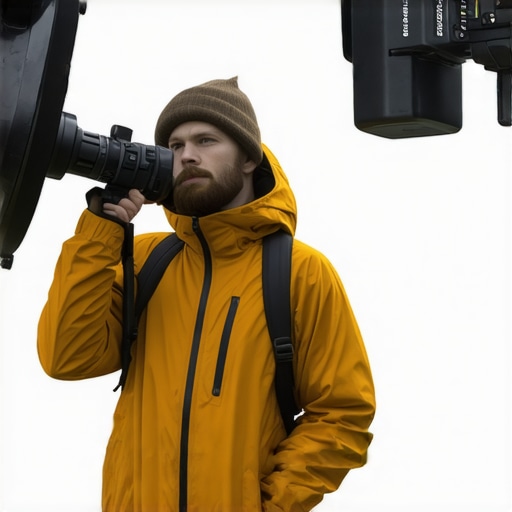
Image prompt: A rugged outdoor shoot with weather-resistant lighting, a sturdy creator rig, and a high-performance microphone capturing clear audio amidst windy conditions.
When selecting professional lighting kits, creator rigs, microphones, studio gear, or cameras, understanding how they stack up against top competitors is crucial. For instance, the [XYZ Lighting System](https://api.xyzlighting.com) offers robust features like adjustable brightness and color temperature at a premium price, making it ideal for demanding productions. In contrast, the **Neewer LED Panel**, though significantly cheaper, lacks the advanced control options and build quality of XYZ, which may be satisfactory for hobbyists but less reliable under intense use.
Similarly, when evaluating creator rigs, the **PortaRig Pro** boasts a premium aluminum frame, offering better durability and stability over the **Neptune Mobile Rig**, which is budget-friendly but may wobble during dynamic shoots. The enhanced build quality of the PortaRig Pro justifies its higher cost for professionals who need equipment that withstands frequent transport and rough handling.
Microphone reviews reveal that the **RODE VideoMic Pro Plus** provides superior audio clarity, noise reduction, and build quality compared to the **Samson Go Mic**, which is compact and affordable but compromises on sound fidelity and durability. For critical recordings in noisy environments, investing in higher-end microphones, despite their cost, ensures clearer audio and less post-production correction.
In the realm of studio gear, the **Genelec 8040B** monitors are favored for their accurate sound reproduction and build quality, extensively used in professional mixing environments. Conversely, budget options like the **M-Audio BX4** offer decent audio clarity for beginners but might lack the precision and longevity needed for professional work.
Regarding camera reviews, the **Canon EOS R5** stands out with its 8K recording capability, fast autofocus, and weather sealing, making it a top choice for professional videographers. It’s often compared with the **Sony A7S III**, which excels in low-light performance and has a more extensive lens ecosystem. While the EOS R5 commands a higher price, its versatility and features provide significant value for high-end content creation. The Sony A7S III, priced similarly, offers specific advantages that appeal to filmmakers focusing on low-light scenarios.
**Is it worth the upgrade?** For those already invested in a particular ecosystem, moving to high-end gear like the Canon EOS R5 or Genelec monitors can provide noticeable improvements in quality and reliability. However, if your projects are less demanding or just starting out, these top-tier options may represent overkill, and more affordable alternatives could suffice.
**Check current prices** and compare options on professional gear comparison sites like B&H or Adorama. If you’re considering an upgrade, reviewing detailed specifications and user reviews can help determine if the added investment aligns with your production goals.
The Good, The Bad, and The Ugly
- Pros: Reliable performance in recording 4K footage, faster data transfer speeds, increased durability, trusted brand reputation, warranty support.
- Cons: Higher upfront cost compared to cheap SD cards, slightly bulkier storage options, requires awareness of specific speed classes and standards.
Who should skip this
This upgrade is unnecessary for casual shooters or hobbyists working primarily with Full HD videos or basic photography. If your workflow doesn’t demand high data transfer rates or durable storage, a budget SD card might suffice temporarily. However, for professional videographers, content creators, and anyone serious about 4K production, investing in quality is crucial.
Final Verdict: 9/10
Choosing premium SD cards isn’t just about avoiding frustration—it’s about safeguarding your work, saving time, and ensuring top-quality results. The investment pays for itself in peace of mind and efficiency, especially during critical projects. If you want seamless recording and peace of mind, skip the cheap options and opt for reputable brands like SanDisk, Lexar, or Samsung with U3 and V30 certifications. Check the latest prices and reviews here and ensure your gear supports your ambitions in 4K filmmaking.