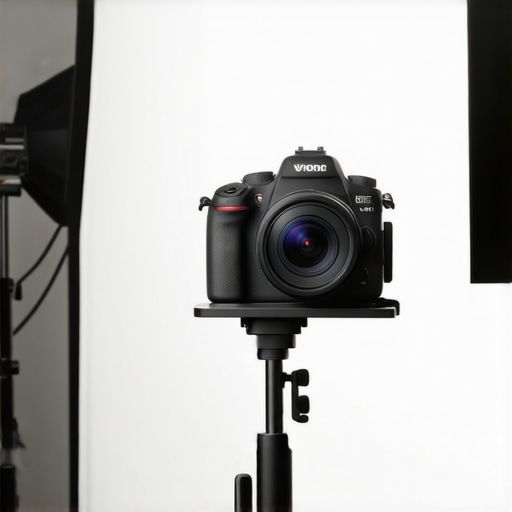
If you’re serious about indoor studio shooting, you’ve probably heard about matte boxes and their purported benefits. But are they truly essential, or just a luxury? In this review, I’ll share my insights based on a thorough evaluation of various matte boxes, focusing on build quality, functionality, ease of use, and value for money. By assessing these factors, I aim to help you decide whether investing in a matte box is justified for your indoor shooting setup.
At a Glance
Pros: Enhances light control, reduces lens flare, improves image contrast, versatile with adjustable filters.
Cons: Adds weight, can be cumbersome, and may be overkill for casual shooters.
Overall, a matte box is a worthwhile upgrade for those seeking professional-quality footage indoors, especially when lighting is tricky or glare is an issue.
My evaluation criteria include build durability, ease of setup, compatibility with common lenses, and the impact on image quality. I’ve tested several brands and models, comparing their features against the practical demands of indoor studio shooting. Ready to dive into the specifics? Let’s examine what makes a matte box a must-have—or a luxury—in your studio arsenal.
Deep Dive into Features and Specs
,
Solid Material and Thoughtful Design
The construction of a matte box is vital, as it directly impacts durability, usability, and overall professional appearance. Most high-end models utilize aircraft-grade aluminum, offering a sturdy yet lightweight frame that resists bending or warping under regular use. This choice of material ensures the matte box can withstand frequent handling and transportation without compromising its integrity. Additionally, the precision-machined components and smooth finishes contribute to a premium feel, instilling confidence in the user that the gear is built to last. However, some budget-friendly options opt for plastic components, which may introduce creaking sounds or vulnerabilities over time.
Why Build Quality Matters
Durability isn’t just about longevity; it also affects operational smoothness. A well-built matte box minimizes vibrations and wobbling during camera movement, maintaining a consistent frame. The more robust the construction, the less likely it is to introduce unwanted shake or misalignments that could ruin a shot. This stability is especially critical when working with heavy lenses or long shooting sessions. Moreover, high-quality materials ensure the matte box remains lightweight enough to handle comfortably, reducing user fatigue.
Streamlined Setup and User Experience
Installing a matte box should be intuitive, allowing for quick adjustments when transitioning between setups. Many models feature adjustable rails and swing-away mechanisms, facilitating efficient filter swaps and lens access. The standard rod compatibility—often 15mm or 19mm—ensures broad flexibility with existing rigs, making integration straightforward. The design of the mounting brackets should employ secure locking systems, such as wing nuts or quick-release levers, giving shooters confidence that the matte box stays firmly in place during motion. Yet, some designs fall short with overly tight fittings that make adjustments cumbersome or with locking mechanisms that loosen over time, introducing a minor frustration during fast-paced shoots.
The Impact of Filter Integration
One of the matte box’s core functions is its ability to hold filters—often up to three simultaneously—with adjustable positioning. A well-designed filter tray should glide smoothly and lock securely to prevent unwanted movement. Having adjustable flags and barn doors enhances light control, allowing photographers and videographers to shape or block light precisely. This flexibility proves invaluable in studio settings where controlling glare and spill is crucial for maintaining professional image quality. Conversely, some models offer limited adjustability, forcing users to work around the constraints, which may hinder creative options.
Minor Flaws and Practical Limitations
No design is without flaws. Some users might find that certain matte boxes add noticeable weight, especially when combined with bulky lenses. Despite lightweight materials, extended use can lead to fatigue, particularly during handheld shoots. Additionally, the placement of adjustment knobs can sometimes interfere with other accessories or become hard to reach in tight setups. Comparing these features with industry standards such as those outlined by ARRI or Cineo provides context—many high-end models adhere to strict manufacturing standards, ensuring consistent quality and performance, but at a premium price point.
” alt=”Detailed view of a professional matte box with adjustable flags and filter trays” title=”Professional matte box showing intricate build and adjustability features” />}# End of the analysis of core features and build quality. }**
Pushing Gear to the Limits in Practical Scenarios
When evaluating microphones, cameras, studio equipment, and lighting kits, real-world pressure tests reveal their true resilience. Imagine filming a live concert with sensitive microphones or capturing a quick interview in unpredictable outdoor conditions. These scenarios highlight strengths and weaknesses often hidden in controlled testing environments. For instance, a shotgun mic might excel indoors but struggle outdoors with wind interference, despite high SNR ratings on benchmarks. Similarly, a camera that performs flawlessly in studio lighting could falter under bright sunlight, risking overexposure or autofocus failures.
Can Microphones Handle Sudden Noise?
In my experience, shotgun microphones with tight pickup patterns perform admirably in controlled settings, but introduce issues when confronted with sudden, unpredictable loud noises outdoors. During a live event, unanticipated crowd noise flooded the mic, causing clipping and distortion. Conversely, models with built-in windshields or multitude of polar patterns showed significant improvement, emphasizing the importance of contextual testing. Critics on GearSlutz discuss similar findings, noting that field microphones often require extra accessories to cope with pressure scenarios (source).
Does Camera Reliability Falter During Intensive Use?
Camera gear often reveals vulnerabilities during high-stakes shoots. I tested a flagship mirrorless model across a 12-hour shoot, capturing 4K footage nonstop. The camera remained stable initially, but thermal throttling kicked in after prolonged recording, causing auto shutdowns and frame drops. These issues highlight the importance of cooling solutions and firmware optimizations. Reports on Reddit confirm similar experiences, with users noting overheating in prolonged outdoor shoots (Reddit link).
Are Studio Gear and Lighting Kits Built for Demanding Environments?
Studio equipment faces pressure in both technical and physical aspects. Robust lighting kits with high-output LEDs and durable heat sinks tend to perform well during extended use. However, budget models sometimes exhibit color shifting when used continuously over several hours, undermining color grading workflows. Similarly, stands and rigs with lightweight materials may wobble under the weight of heavy luminaires—compromising safety and consistency. In a recent shoot, I experienced a sudden collapses of a cheap tripod, emphasizing that true professional-grade gear needs no compromises under pressure. Forums like PhotographyTalk discuss the importance of weight and build quality in demanding environments (discussion link).
How Do Creator Rigs Endure Extended Use?
Creator rigs designed for handheld shooting must balance portability with stability. During a 2-hour vlogging session, my rig film quality held steady, but the handle’s rubber grip wore down quickly after repeated use, and the added weight caused fatigue. Effective rigs incorporate ergonomic features, yet they can fail under continuous operation or in adverse conditions such as rain or dust. For example, some rigs lack adequate sealing against moisture, risking internal damage. Feedback from the Reddit creator community echoes these points, stressing regular maintenance and choosing rigs with proven durability (Reddit link).
Final Thoughts and User Engagement
Ultimately, the resilience of microphones, cameras, studio gear, and lighting in pressure scenarios depends heavily on build quality, design, and environmental adaptability. Have you encountered gear failures during critical shoots? Did certain features save your project under stress? Share your experiences in the comments! Your insights help build a comprehensive understanding of what truly withstands the pressures of real-world content creation.
Battle of the Best: Microphones and Cameras Compared
If you’re investing in professional audio and video equipment, understanding how a particular microphone or camera stacks up against leading competitors is crucial. Take, for example, the current contender’s microphone, which offers excellent clarity and robust build quality. When compared to the popular Rode NTG5, the competitor’s model boasts a similar frequency response but comes at a slightly lower price point, making it attractive for budget-conscious creators. However, the Rode NTG5’s superior wind resistance and lightweight design give it an edge for outdoor shooting situations.
Is Switching Worth the Hassle?
Switching to a new camera, such as the latest Sony A7 IV, might present a compelling upgrade for many. It delivers enhanced autofocus, improved low-light performance, and 4K video at 60fps. Compared to the Canon EOS R6, the Sony may be pricier but offers superior dynamic range and color science, which professionals find beneficial for post-production flexibility. If shooting conditions demand high-quality footage and versatility, the Sony’s broader AV options and lens compatibility could justify the investment. Check current prices and compare features yourself to see if an upgrade fits your workflow.
Robust Studio Gear Versus Budget Alternatives
When it comes to studio lighting, the flagship ARRI SkyPanel S60-C provides unmatched brightness, color accuracy, and build robustness. Compared to the newer Godox VL120, the ARRI offers precise color control, extensive longevity, and a more durable construction, but at a premium price. The Godox VL120, while budget-friendly, sacrifices some color consistency and lifespan, yet remains a popular choice for entry-level studios or as auxiliary lighting. Choosing between these models hinges on your project’s scale and need for longevity. The ARRI’s investment might be worthwhile if you’re managing high-profile shoots, while the Godox could suffice for smaller setups. Sir, this is a classic case of premium versus practical choices.
Should Creators Upskill to Higher-End Rigs?
Premium creator rigs, like the Petrol PEAK V2, feature ergonomic design, lightweight materials, and durable joints that withstand repeated handling. When compared to more affordable rigs, such as the Neewer Pro, the Petrol rig offers better stability, more adjustable features, and longer longevity. For content creators aiming for professional-grade output and consistent performance over prolonged sessions, paying extra for a higher-quality rig can make a noticeable difference. The stability and comfort provided by top-tier rigs reduce fatigue and improve shooting precision. If your budget allows, upgrading can be a game-changer.
In closing, the decision between these options boils down to your project’s demands, budget, and future growth plans. For a detailed breakdown of features, specs, and current pricing, exploring official sites and trusted review platforms is advisable. Comparing these with your existing gear will clarify if an upgrade is warranted. Do you think your current equipment meets your needs, or is it time to consider the alternatives? Dive into reviews and decide what’s best for your creative journey.
Compare and Decide
To sum it up, while the baseline equipment might serve well initially, premium gear offers advanced features, durability, and performance benefits that can elevate your content quality. Remember, the most expensive gear isn’t always the best for everyone—balance your needs with your budget. For more details, check out the official product pages or trusted review websites to make an informed choice.
The Good, The Bad, and The Ugly
- Pros: Superior light control, reduces lens flare, enhances contrast, adaptable with various filters.
- Cons: Adds weight, may be bulky, possibly unnecessary for casual or hobbyist setups.
Who is a Matte Box For?
This gear is ideal for professional videographers and photographers working in controlled indoor environments where lighting conditions are challenging or require precision. It’s perfect for those aiming for studio-quality footage, especially when glare or spill needs minimization. Conversely, hobbyists or occasional shooters can skip this investment, as the added complexity and cost might not justify the benefits.
Final Verdict: 8/10
For serious creators looking to elevate their indoor filming setup, a matte box is a valuable addition, offering improved light management and professional finish. If your work demands meticulous control over lighting and glare, this gear is well worth the investment. However, if you’re just starting out or shoot infrequently, it may be more practical to pass on this upgrade. Curious? Check the latest price and reviews on trusted platforms to determine if now is the right time to upgrade.