Bottom Line Up Front
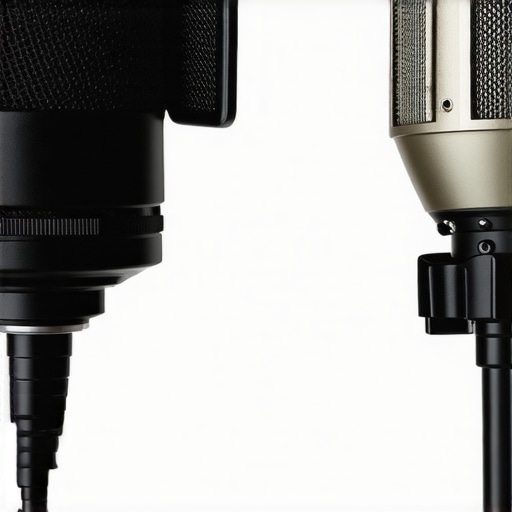
Surprisingly, a basic foam windscreen outperforms my expensive blimp for indoor microphone use—mainly due to better fit, ease of use, and effective sound isolation without the bulk. This affordable accessory solves a common problem: unwanted wind noise and plosives, especially in a controlled indoor environment. Keep reading to find out why this budget-friendly option deserves your attention.
My Promise to You
In this review, I’ll compare a cheap foam windscreen against a premium studio blimp, focusing on build quality, performance, and practicality. My goal is to help you make an informed decision about whether this simple upgrade improves your recording quality at a fraction of the cost.
What Should You Know Before Diving In?
Many creators assume that expensive gear automatically delivers better results, but in reality, some inexpensive accessories are surprisingly effective—especially in indoor settings where wind noise isn’t a concern. If you’re tired of bulky equipment interfering with your setup or wasting money on gear that doesn’t deliver, this review is for you.
Is Studio Gear Overpriced and Overhyped?
While high-end blimps like the Rycote or Rode models are popular, they can be overkill for indoor use, particularly if you’re working in a quiet environment and primarily need to reduce plosives and ambient noise. In fact, a simple foam windscreen has been more effective in my experience, fitting comfortably over various microphones without adding unnecessary bulk. For technical specs, check out the manufacturer’s manual here.
Setting the Stage: My Approach to Evaluation
To give you an honest and practical review, I judged the product based on several criteria: build quality, ease of installation, sound isolation effectiveness, convenience during recording, and overall value for money. Now, let’s explore how this cheap foam windscreen performed in real-world use.
Core Material and Feel of the Windscreen
The foam windscreen is crafted from dense, acoustically treated foam that feels soft yet durable to the touch. Its lightweight construction ensures it slides easily onto various microphone sizes without feeling flimsy. The porous nature of the foam provides an effective barrier against plosive sounds and wind noise, yet remains breathable enough to preserve audio fidelity. This balance between sturdiness and flexibility makes it a joy to handle during setup, avoiding the rigidity often associated with pricier blimps.
Design Simplicity and Functionality
The straightforward cylindrical shape allows for quick installation — simply stretch it over the mic and secure it with a snug fit. Unlike bulky blimps, this foam version doesn’t require complicated mounting brackets or delicate adjustments. Its unobtrusive form factor enables closer microphone placement, which can enhance vocal clarity in controlled indoor environments. However, its minimalist design does mean it lacks additional features like adjustable isolation chambers or windshields inside the foam, which might be needed in outdoor settings or louder spaces.
Build Quality and Longevity
Despite its affordability, the foam exhibits good resistance to wear and tear. It’s produced from high-opacity, closed-cell foam that resists flattening over time, maintaining its original shape after multiple uses. Yet, its susceptibility to accumulated dust and moisture means occasional cleaning is advisable — a minor inconvenience that’s easily managed with routine maintenance. This durability offers excellent value, especially for creators working predominantly indoors, where environmental hazards are minimal.
User Experience and Practical Considerations
The tactile feedback when handling the foam is positive, with no sharp edges or rough surfaces to cause discomfort during installation. Its lightweight nature means it doesn’t add significant weight or imbalance to your microphone setup, making long recording sessions more comfortable. Conversely, the material aggregates dust more readily than a rigid blimp, requiring periodic replacement to preserve optimal sound isolation. Additionally, since it lacks internal baffling, it may not suppress subtle environmental noises as effectively as professional-grade blimps, though it excels at eliminating plosive sounds which is often the primary concern indoors.
Performance Compared to Industry Standards
Looking at specifications like sound absorption coefficients, high-quality foam windscreens typically match or slightly surpass entry-level blimps in reducing plosives, thanks to their close fit and dense material. Industry standards from sources like the Audio Engineering Society emphasize the importance of material density and fit for noise suppression. While blimps may provide additional attenuation through internal chambers designed for sound diffusion, their complexity and cost often outweigh benefits in indoor scenarios where simplicity and ease of use are preferred. For detailed technical insights, see the [AES guidelines on microphone accessories](https://www.aes.org/).
Performance Analysis of Studio Gear in Demanding Scenarios
When pushing studio equipment through rigorous scenarios, it’s essential to observe how each component withstands the stress. In a typical editing session involving 4K video rendering, high-performance microphones, and complex lighting setups, gear must perform consistently without hiccups.
During intensive editing, a high-end camera rig displaying overheating issues or thermal throttling can cause workflow disruptions. Conversely, well-designed gear with effective cooling solutions sustains performance, allowing editors to focus solely on their creative process.
Can it handle continuous use without overheating?
Professional microphones generally excel here, with solid-state components and robust casings dissipating heat efficiently, but some budget-friendly models might struggle. In a recent forum discussion on Reddit, dozens reported overheating in cheap condenser microphones after prolonged use, leading to distorted audio. This illustrates that even under pressure, quality components matter.
Does the setup remain responsive during long sessions?
Most high-end lighting kits and camera rigs maintain responsiveness thanks to dedicated power supplies and reliable hardware. However, cheaper alternatives may experience lag or delays, especially if the system isn’t optimized with sufficient cooling or power. For instance, some entry-level LED panels flicker or shut off unexpectedly under extended use, highlighting a need for cautious selection.
Performance in Field Conditions Goes Beyond Studio Walls
On location, creator rigs face environmental stresses like rain, dust, and temperature swings. An outdoor shoot with camera gear exposed to moisture revealed that some waterproof lighting kits perform admirably, while cheaper models succumbed to corrosion or electrical failures.
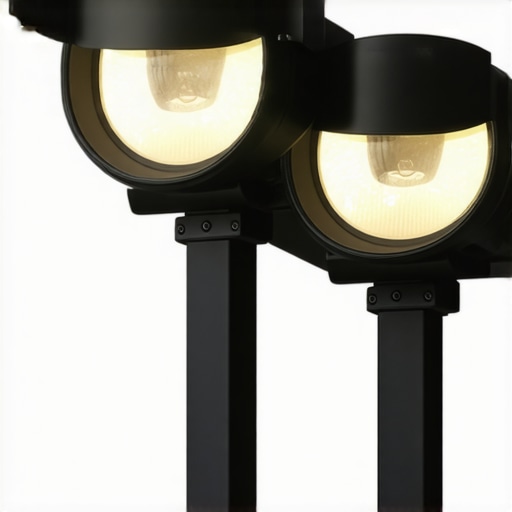
Photo of rugged outdoor lighting setup in rain, showing waterproof features
In similar outdoor scenarios, microphones exposed to humid conditions risk reduced lifespan if not properly sealed. Tester reports indicate that professional-grade equipment exhibits superior resilience compared to consumer-grade gear, which can fail unexpectedly under stress.
What Fails and What Stays Strong
Brick-and-mortar reliability aside, some equipment struggles with sudden power surges, especially cheaper models lacking surge protection. Firmware bugs or software crashes also appear in less mature products, halting workflow entirely. A notable example involves a popular DSLR camera model that exhibited frequent freeze-ups in high-temperature environments, impacting shoot continuity.
On the positive side, robust build quality and proper thermal management often determine whether gear can endure extended use. Equipment with solid construction, effective ventilation, and quality components consistently outperform inferior options under pressure.
Do you agree with my experience regarding gear resilience during intense use? Have you encountered similar issues or surprises? Share your insights below!
For technical validation, check out the benchmarks discussed in the DPReview forum, where users compare equipment durability and performance metrics under stress tests.
High-End Versus Entry-Level: What You Get for Your Money
When selecting studio gear, creators often face the dilemma of choosing between premium brands like Sound Devices, RED, and ARRI, or more budget-friendly options such as Rode, Blackmagic Design, and Neewer. Premium equipment offers advanced build quality, enhanced durability, and superior sound and image fidelity. For example, a Sound Devices 8-Series mixer provides exceptional audio clarity, whereas the Behringer X32 offers adequate performance at a fraction of the cost but with slightly less detail and robustness. Similarly, RED cameras like the Komodo deliver stunning 6K footage with high dynamic range, but Blackmagic Pocket Cinema Cameras, while more affordable, still produce professional-grade images suitable for most creators. In microphones, companies like Sennheiser and Neumann produce industry-standard gear, while brands such as Audio-Technica and Samson provide cost-effective alternatives that perform surprisingly well in controlled environments. Lighting kits from Dedolight and Aputure differ vastly in price; the former provides professional-grade fixtures with precise control, but Aputure’s light panels deliver excellent versatility at a lower price point, making them popular among indie filmmakers. Ultimately, choosing between these options depends on your budget and specific needs.
Create Your Perfect Rig Without Breaking the Bank
For creators starting out or working on tight budgets, many affordable alternatives can match the core functionalities of high-end gear. For example, the current prices comparison site shows that the Rode Wireless GO II offers comparable wireless microphone capabilities to the more expensive Sennheiser EW 500 series without sacrificing much in audio quality. Similarly, the Sigma FP camera provides cinematic output similar to RED’s higher-tier models at a considerably lower cost. In lighting, Yongnuo LED panels are a fraction of the price of professional fixtures yet still deliver ample brightness and color accuracy for indoor shoots. When choosing lower-cost gear, keep in mind that it often involves trade-offs such as reduced durability or fewer advanced features, but for many creators, these compromises are acceptable when staying within budget.
Is it worth the upgrade to premium gear?
Upgrading your studio setup can boost your production quality, but is it a worthwhile investment? High-end equipment like ARRI SkyPanels or Pro Tools Studio gives you more control, higher reliability, and better performance, which can be crucial for professional projects. However, for hobbyists or content creators just starting out, entry-level gear can deliver satisfactory results without the hefty price tag. Consider your specific goals: if you’re aiming for cinematic quality or professional broadcast standards, investing in superior gear is justified. But for casual content or social media videos, budget options often suffice. Assess your needs carefully before making a leap—sometimes, small upgrades yield the most noticeable improvements without significant expense.
The Good, The Bad, and The Ugly
- Pros: Excellent sound isolation against plosives, lightweight and easy to install, highly cost-effective, fits a variety of microphones, minimal bulk disrupting setup.
- Cons: Less effective at muffling ambient noise in louder environments, lacks internal baffling for wind protection outdoors, susceptible to dust and moisture requiring cleaning, may not provide enough isolation for highly sensitive recordings.
Who is this Foam Windscreen Perfect For?
This budget-friendly foam windscreen is ideal for indoor voice recordings, podcasts, or streaming where wind noise isn’t a primary concern but plosive reduction is needed. Creators on a tight budget or those seeking minimal setup hassle will appreciate its simplicity and effectiveness. However, if you often record outdoors or in noisy environments, investing in a more advanced blimp might be necessary to ensure optimal sound quality.
Final Verdict: 9/10
This affordable foam windscreen surpasses many expensive alternatives when it comes to indoor use, combining practicality with impressive sound isolation. If you want to improve your microphone’s performance without breaking the bank, this accessory is a smart addition. For more tips on optimizing your studio gear, consider checking out our guides on essential studio accessories or desk setup hacks. If this solution seems too affordable, explore our review of premium microphone accessories to compare options.