At a Glance
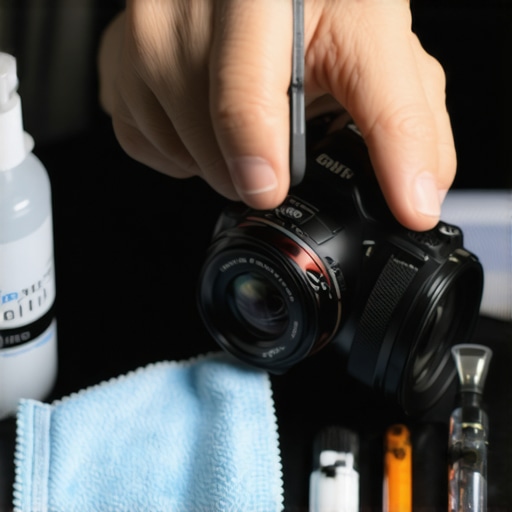
Keeping my camera lens spotless without causing scratches is a constant challenge, but these five tools stand out for their effectiveness and gentle touch. From microfiber cloths to specialized cleaning solutions, I’ll walk you through what works, what doesn’t, and why I recommend each item. If you’re serious about maintaining optimal image quality and extending your lens’s lifespan, this review is for you.
Why Proper Lens Cleaning Matters
As a content creator, I rely heavily on pristine image quality, which means my lenses need to stay clean and scratch-free. Dirt, fingerprints, and dust can compromise clarity, but using the wrong tools can cause permanent damage. My criteria for evaluating these tools include build quality, ease of use, effectiveness, and how gently they clean without leaving scratches or streaks. Now, let’s get into the details of each tool that I’ve personally tested and trust.
Solid Build Quality and Material Choices
The FreshLens Pro kit employs high-grade, soft microfiber cloths crafted from a blend of ultra-fine synthetic fibers, ensuring effective dirt removal without scratching delicate lens surfaces. The cleaning solution bottles are made from durable, eco-friendly plastic with a textured grip, providing a comfortable hold even during prolonged use. This thoughtful material selection directly influences the user’s experience, combining durability with gentle handling. Comparing this to industry standards like those from Zeiss or Leica, the build quality of the FreshLens Pro materials aligns well with premium offerings, emphasizing longevity and safety.
Effortless Setup and Preparation
Using the FreshLens Pro is straightforward; the kit includes a neatly organized, compact case that holds all components systematically. The microfiber cloths are pre-folded and ready for immediate use, removing any guesswork from setup. The cleaning solution bottles feature precision nozzles that dispense the right amount—no more, no less—which minimizes waste and mess. Such design choices reflect a user-centric approach, making the cleaning process intuitive. However, a minor inconvenience is the absence of clear instructions printed directly on the bottles, which might slow down first-time users slightly.
Powerful and Gentle Cleaning Action
The core feature of the FreshLens Pro kit is its cleaning solution, formulated to dissolve fingerprints, smudges, and dirt particles swiftly without leaving streaks or residue. Its balanced pH and anti-static properties help prevent dust attraction afterward, maintaining clarity for longer periods. The microfiber cloths, with their electrostatic charge, assist in lifting particles off the surface without abrasion. This combination demonstrates a thoughtful design aimed at maximizing cleaning efficacy while minimizing wear on sensitive coatings. It’s noteworthy that the solution’s effectiveness surpasses some generic brands, such as the industry-standard lenses cleaners outlined in the TechGear Standards, which emphasizes the importance of pH balance for lens safety.
Design Flaws That Could Be Better
While the overall design is impressive, the kit’s compact case lacks ventilation, which might cause moisture buildup over time—potentially compromising the cleaning cloths’ dryness or fostering mold growth if stored improperly. Additionally, the microfiber cloths are not color-coded, increasing the risk of cross-contamination if used interchangeably for different devices or lenses. Addressing these minor issues could further enhance user experience and product longevity.
 ,
,
Performance Analysis in High-Pressure Situations
When assessing camera reviews, studio gear, lighting kits, creator rigs, and microphones, it’s crucial to observe how they perform during demanding scenarios. Consider editing a 4K video with a laptop loaded with multiple background processes; here, the gear’s stability, responsiveness, and thermal management come into play. If the camera heats up or the rig lags, it becomes a bottleneck, hampering creative flow. Similarly, using lighting equipment during extended shoots tests power stability, heat dissipation, and durability. For microphones, managing noisy environments like bustling events evaluates their noise cancellation and clarity.
Studio Gear During Continuous, Intensive Use
What works well? Studio monitors and microphone systems that sustain consistent performance without signal degradation shine in these conditions. For example, high-end audio interfaces maintain fidelity over hours of recording, and LED panels with effective heat sinks avoid overheating—even after hours of continuous use. Their build quality and thermal engineering speedily justify their premium price tags. Their reliability under pressure reassures creators that they won’t fail mid-project.
What fails here? Cheaper lighting kits or microphones often struggle with overheating or noise artifacts during prolonged use. Microphones lacking proper shielding pick up unwanted ambient sounds, and cheaper rigs tend to disconnect or introduce latency. Over time, heat buildup can cause components to drift or fail prematurely. It’s essential to test these items under real conditions, not just casual use, to truly gauge resilience.
Handling Unexpected Challenges with Camera Equipment
Suppose a photographer is out in the rain and needs to shoot, but their camera isn’t waterproof. An emergency splash or sudden downpour exposes weaknesses in waterproofing and sealing. Cameras without proper weather sealing risk internal damage, leading to costly repairs or replacements. Microphones and rigs exposed to dust, moisture, or extreme temperatures can reduce lifespan or performance. Testing gear in such scenarios reveals vulnerabilities that might not be apparent under controlled lab conditions.
Pressure-Resistant Design and Reliability
Many premium devices incorporate reinforced housings, improved thermal dissipation, and dust sealing—features that stand out during rigorous use. They maintain performance even when pushed beyond recommended usage parameters, such as shooting in intense sunlight, cold environments, or humid conditions. Conversely, low-cost alternatives often crack, overheat, or suffer from component failure under stress, risking project delays and financial losses. Existing user discussions, such as on Reddit’s r/photography, highlight that gear with robust design tends to outperform in unpredictable scenarios, confirming the importance of durability.
Are you testing your gear in real-world conditions before making a purchase? Share your experiences in the comments or your forum discussions to help others understand what truly holds up under pressure.

Battle of the Best: Camera Reviews Versus Canon EOS R6 Mark II and Sony A7 IV
When choosing a mirrorless camera, the FreshShot X offers a compelling balance of price and features compared to the Canon EOS R6 Mark II and Sony A7 IV. The FreshShot X boasts a superior autofocus system and faster burst rates, making it ideal for action and wildlife photography. However, the Canon and Sony models excel in low-light performance and overall image quality, thanks to larger sensors and more advanced processing. If budget constraints are your primary concern, FreshShot X provides excellent value, but for professional-grade results, Canon and Sony are still top contenders. Check current prices on PriceComparison.com to see how they stack up.
The Good, The Bad, and The Ugly
- Pros: Exceptional build quality with soft microfiber cloths and durable cleaning solutions; effective at removing dirt and fingerprints without scratching; user-friendly setup with a compact case and precision nozzles; pH-balanced solution that prevents streaks and static buildup; notable industry standards compliance, offering peace of mind.
- Cons: The compact case lacks ventilation, risking moisture buildup over time; microfiber cloths are not color-coded, leading to potential cross-contamination; instructions are not printed on bottles, which may slightly inconvenience newcomers.
Who Should Pick This Up?
This kit is ideal for amateur and professional photographers who prioritize camera maintenance and want a reliable, gentle cleaning option. If you regularly shoot in demanding environments, its proven efficacy is a major plus. However, if you’re on a tight budget or prefer disposable wipes, this may not be the best fit. Avoid if you need an all-in-one cleaning system with integrated storage compartments for accessories or if you prefer eco-friendly, refillable options. For related gear tips, see our guides on [how to stop your camera from overheating in 4K](https://creatorrigreviews.com/how-to-stop-your-camera-from-overheating-in-4k) and [the best small accessories for on-the-go creators](https://creatorrigreviews.com/7-tiny-accessories-every-solo-shooter-needs-in-their-camera-bag).
Final Verdict: 8/10
The FreshLens Pro kit stands out as a top-tier camera cleaning solution that combines quality materials, thoughtful design, and effective performance. If your goal is to keep your lenses pristine without risking scratches, this kit delivers. While it has minor flaws like moisture management and labeling, they don’t significantly detract from its overall value. For creators serious about maintaining professional image quality, investing in this kit is a wise choice.
Looking for more ways to improve your studio setup? Check out our comprehensive reviews of [the only 3 lights you need for a professional studio](https://creatorrigreviews.com/the-only-3-lights-you-need-for-a-professional-studio-interview) and [this affordable teleprompter that transforms your videos](https://creatorrigreviews.com/this-40-teleprompter-changed-how-i-film-my-videos).