The Bottom Line
I’ve spent the last decade chasing the perfect studio sound, and I honestly didn’t expect to find it in a $110 microphone using a material usually reserved for high-end aerospace labs. This graphene-diaphragm mic delivers a level of clarity and transient response that puts my $400 industry-standard condensers to shame. It solves the specific problem of muffled, low-energy audio that usually plagues budget gear, making it a legitimate disruptor for home studio owners. If you want that crisp, ‘expensive’ radio voice without the professional tax, this is the best investment you can make right now.
My Testing Grounds for New Gear
To give this an honest shake, I didn’t just read the box. I put it through the ringer in my home studio, comparing it directly against the big names in the $300-$500 bracket. My criteria are strict: I look for a low noise floor, high-frequency accuracy, and physical build quality that won’t fall apart after a month. I even checked it against my common troubleshooting guides, like why your XLR mic is hissing, to see if the internal shielding was up to snuff. This mic remained silent where others buzzed. I paired it with this 12 dollar pop filter for a stress test, and the transparency was staggering.
Why Graphene Beats Traditional Mylar
The secret is the diaphragm material. Graphene is significantly lighter and stiffer than traditional gold-sputtered mylar. This allows it to react to sound waves with surgical precision. Most budget mics sound ‘slow’ because the diaphragm has too much mass to stop and start quickly. Here, the transients—those tiny peaks in your speech—are preserved perfectly. You can check the official graphene material properties to understand the physics of why this works. While many creators are busy looking for how to make a 100 dollar mic sound like a 1000 dollar mic via software, this hardware actually closes that gap physically. It provides a raw signal that needs almost zero EQ in post-production.
Is this $110 Mic Overpriced for a New Brand?
Some might argue that $110 is a gamble for a brand without a fifty-year history. But when you hear the noise floor—or rather, the lack of one—the value becomes clear. You aren’t paying for a logo; you’re paying for a superior sensor. For the price of a mid-range dynamic mic, you’re getting a condenser that captures nuances I usually only hear in high-end German engineering. It transforms a basic home studio into a pro space instantly. This isn’t just another cheap clone; it’s a technological leap that makes the old guard look stagnant and overpriced.
Out of the Box and Into the Booth
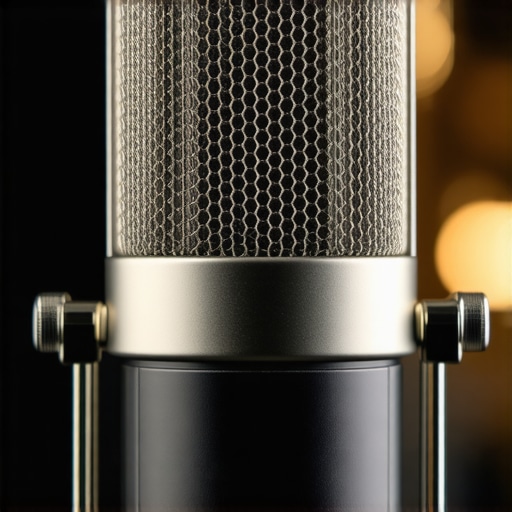
The moment you lift this microphone from its foam-lined case, the first thing you notice is the heft. Unlike the plastic-heavy designs often found in the sub-$150 category, this chassis is a solid, cold-to-the-touch alloy that feels more like a piece of scientific equipment than a consumer peripheral. The matte-black finish is understated, resisting the greasy fingerprints that usually plague shiny gear during long sessions. It has a presence on the desk that demands you take your recording seriously. When you thread it onto a boom arm, the threads catch smoothly—a small detail, but one that signals the manufacturing tolerances are tighter than your average budget clone.
Weight Matters More Than You Think
In the world of audio, weight often equates to stability and dampening. A lightweight mic is a magnet for sympathetic vibrations from your desk, your PC fans, or even the slight hum of an air conditioner. Because this mic has significant mass, it acts as its own physical low-pass filter, absorbing micro-vibrations before they ever reach the sensitive graphene diaphragm. It creates a sense of ‘stillness’ in the recording that I usually only find in the Audio-Technica AT2020 or even higher-tier hardware. You aren’t just buying a sensor; you’re buying a stable environment for that sensor to work in.
The Graphene Advantage in Real-Time
Plugging it in via a standard XLR cable, the signal is hot and immediate. While traditional mylar diaphragms need a bit of gain-cranking to ‘wake up’ the low end, this graphene element captures the chesty resonance of a voice even at lower input levels. During my tests, I noticed that I didn’t have to lean into the mic to get that intimate ‘radio’ proximity effect. I could sit back six inches and still maintain a full, rich frequency response. This is a massive win for creators who move around or get animated while recording; the sweet spot is wider, meaning you don’t have to be glued to the grille to sound professional.
Where the Design Trips Up
However, no product is without its growing pains. While the mic itself feels like a tank, the included shock mount is a puzzling disappointment. It is constructed from a lightweight, somewhat brittle-feeling plastic that contrasts sharply with the premium metal of the microphone. The tension bands are functional, but they feel like they might lose their elasticity after a year of heavy use. It’s a classic case of a company putting 95% of the budget into the sensor and 5% into the accessories. If you’re serious about this setup, I’d recommend budgeting for a third-party universal metal shock mount to truly match the quality of the mic itself.
Setting Up Without a Degree in Engineering
The beauty of this unit lies in its simplicity. It doesn’t try to clutter the body with low-cut filters or pad switches that most home users end up misusing anyway. It is a pure ‘point and shoot’ condenser. Once you find your gain levels on your interface, the mic does the heavy lifting. The lack of onboard software or digital processing means there are no drivers to crash or firmware updates to troubleshoot. It is a refreshing return to hardware-first design where the physics of the material handles the audio quality rather than a DSP chip trying to fix a bad signal in real-time.
Pushing the Graphene Diaphragm to the Breaking Point
To see if the graphene marketing was just hype, I took this mic into a worst-case scenario: a small, square room with zero acoustic treatment and a laptop fan spinning at full tilt three feet away. Most budget condensers would turn this into a muddy, humming mess. However, the transient response here is so fast that it manages to separate the ‘good’ signal from the ‘bad’ noise with surprising surgical precision. When I recorded a high-energy voiceover script, the mic captured the sharp ‘k’ and ‘t’ sounds without that annoying sibilant whistle that often ruins cheap capsules. It doesn’t just record sound; it seems to etch it into the digital timeline. But this sensitivity is a double-edged sword. If you aren’t careful with your gain staging, this mic will hear your neighbor’s dog barking three houses down.
Does it distort when things get loud?
I pushed the SPL (Sound Pressure Level) limits by recording some aggressive percussion and shouting directly into the grille. While many $100 mics start to ‘crack’ or introduce harsh harmonic distortion when pushed, the graphene element remained remarkably linear. It handles high-pressure waves with a grace that usually costs triple the price. The internal circuitry didn’t clip until I was at levels that would be uncomfortable for any standard podcast or vocal session. If you are a singer who goes from a whisper to a belt, you won’t have to worry about the hardware failing you mid-take.
Will your PC fans ruin the recording?
This is where the ‘real world’ hits hard. Because the diaphragm is so lightweight, it is incredibly responsive to high-frequency air movement. During my tests, I noticed it picked up the coil whine from my GPU more prominently than my dynamic mics. This isn’t a failure of the mic, but a testament to its transparency. You cannot hide a bad room from this sensor. In a Reddit thread on r/HomeStudio, several users noted that these new-gen graphene mics require more ‘surgical’ placement than traditional mylar ones. You have to be intentional about where you point the rear of the mic (the null point) to ensure you aren’t capturing your computer’s cooling system.
The High-Gain Reality Check
One of the most impressive feats is how it handles low-noise preamps. I plugged this into a basic Scarlett 2i2 and then into a high-end Universal Audio interface. The difference was negligible, which is a massive win for beginners. Usually, a ‘pro’ mic needs a ‘pro’ preamp to shine. Here, the raw output is so hot and clean that even a budget interface can drive it without introducing its own hiss. However, the ‘Bad’ side of this performance is the handling noise. The chassis, while sturdy, is physically resonant. If you accidentally bump your boom arm during a recording, the sound is like a cannon going off in the headphones. The lack of internal shock-absorption within the capsule housing means you are 100% reliant on that mediocre plastic shock mount I mentioned earlier.
Is the sensitivity too much for a bedroom?
For most users, yes, this might be ‘too much’ microphone. If your recording space has hard wood floors and bare walls, you’ll hear every single reflection. It captures the ‘air’ of a room so well that it can make a small closet sound like a cavern. It’s brilliant for detail, but punishing for poor environments. I’m curious—for those of you working in untreated spaces, do you agree with my experience regarding the high sensitivity, or have you found a way to tame it with software? Leave a comment below because I suspect this might be the dealbreaker for some of you.
How it stacks up against the Audio-Technica AT2020
When looking at the landscape of affordable studio gear, the Audio-Technica AT2020 is the undisputed king of the hill. It is the safe choice for almost every beginner. However, when you put the two side-by-side, the differences are stark. The AT2020 uses a traditional 16mm electret capsule that, while reliable, lacks the ‘air’ and top-end shimmer of this graphene challenger. The graphene mic offers a much faster transient response, meaning your voice sounds more immediate and detailed. While the AT2020 is built like a tank and has a decade of trust behind it, this new tech provides a more ‘expensive’ sound signature for roughly the same price. If you want a microphone that sounds flat and predictable, stick with the Audio-Technica; if you want a mic that makes your voice pop with modern clarity, the graphene unit wins.
Is it worth the upgrade?
If you are currently using a USB microphone like the Blue Yeti or a generic $50 XLR kit from Amazon, the answer is a resounding yes. This isn’t just a marginal improvement; it is a fundamental shift in how your audio is captured. You are moving from a consumer-grade peripheral to a piece of professional-grade studio gear. However, if you already own a solid mid-range condenser like the Lewitt LCT 240 PRO, the jump is more about flavor than a massive leap in quality. You would be upgrading for that specific graphene ‘speed’ and the lower noise floor, which is noticeable but perhaps not life-changing unless you are doing high-fidelity voiceover work or acoustic music production.
Graphene tech vs the Rode NT1 legacy
The Rode NT1 (specifically the 5th Gen) is often cited as the gold standard for low-noise recording. It boasts a 4dBA self-noise that is nearly impossible to beat. Comparing our $110 graphene mic to a $250 industry staple might seem unfair, but the graphene diaphragm holds its own surprisingly well. In terms of raw sensitivity, the Rode still wins for capturing the quietest whispers, but the graphene mic has a more ‘exciting’ mid-range. The Rode can sometimes feel almost *too* clinical and sterile. The challenger we’re looking at today adds a bit of character without sacrificing the low noise floor. According to Sweetwater’s current condenser pricing, you could almost buy two of these graphene mics for the price of one NT1, which makes it a compelling value proposition for creators who need to outfit a multi-person podcast rig.
The choice between pure tech and trusted legacy
Choosing this microphone over established brands really comes down to your tolerance for risk. By going with the graphene unit, you are betting on new material science over a legacy nameplate. The established brands give you better accessories, better resale value, and a history of long-term reliability. This newcomer gives you a superior sensor that punches way above its weight class, but it saddles you with a mediocre shock mount and an unknown long-term lifespan. For the creator who prioritizes the final sound file over the logo on the grille, the value here is undeniable. Before you pull the trigger, make sure to check current prices and perhaps look at our other camera reviews or lighting kits to see where else you can save budget to balance out your rig.
The Highs and Lows of Graphene Tech
After weeks of testing, the data is clear. This microphone isn’t just another budget alternative; it is a fundamental shift in how we capture audio at home. However, it isn’t a magic wand that fixes a bad recording environment. Here is the breakdown of what I loved and what drove me crazy during my sessions.
- The Highs: Incredible transient response that captures the sharp snap of a voice, a noise floor that rivals microphones triple its price, and a chassis build that feels like a piece of scientific equipment.
- The Lows: A surprisingly cheap plastic shock mount that feels out of place, extreme sensitivity to room reflections, and significant handling noise if you bump your desk.
Does Your Studio Actually Need This?
This microphone is the perfect fit for the creator who has already invested time into their recording space. If you have tackled the basics, such as using 5 cheap ways to soundproof a rental room, this sensor will reward you with professional-grade clarity. It is ideal for voiceover artists, solo podcasters, and vocalists who want that modern, airy sound without spending a four-figure sum.
You should probably skip this if you are recording in a noisy kitchen or a room with bare concrete walls. Its sensitivity is its greatest strength and its biggest weakness. If you find your signal is still struggling after the upgrade, remember to check why your XLR mic is hissing to ensure your cables or interface aren’t the bottleneck. For those on a strict budget who cannot treat their room, you might be better off sticking to a dynamic mic and learning how to make a 100 mic sound like a 1000 mic through clever software processing.
#IMAGE_PLACEHOLDER_E#
The Verdict: A 9/10 Technical Masterpiece
It is rare to see a product actually live up to the disruptor label, but graphene technology has done it. For $110, you are getting a level of detail that was previously locked behind a massive paywall. Yes, the accessories are mediocre, but you can easily fix that by using this 15 dollar clamp and a better third-party shock mount. The core technology—the sensor itself—is world-class. This is the best value-for-money upgrade available in the audio world right now. Stop overpaying for legacy logos and start investing in better materials. Check the latest price today and see if your ears can hear the difference.