At a Glance
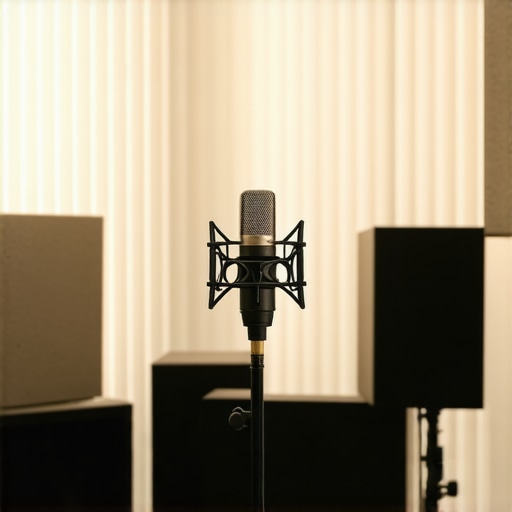
Switching to a dynamic microphone has been a game-changer for my noisy home studio setup. It offers superior rejection of ambient noise, better durability, and often costs less than condenser counterparts. While not perfect for every scenario, I find that a quality dynamic mic solves many of the issues I faced with my previous gear—especially in an environment plagued with background hums and sudden noises.
Real Problems, Real Solutions
In my home studio, I grappled with unwanted room noise, keyboard clicks, and HVAC hums that would bleed into my recordings. My condenser mic, while excellent in sound quality, captured **every** nuance of the environment—making post-production more of a noise cleanup job than actual editing. That’s when I decided to explore dynamic microphones. This move promised a focused sound pickup, rejecting much of the chaotic background that haunts my workspace.
Establishing My Criteria
To ensure a fair assessment, I evaluated my new dynamic mic based on several criteria: sound quality, rejection of ambient noise, build quality, ease of use, and value for money. I also considered practical factors like power requirements and compatibility with my existing gear. In comparing models, I referenced official specifications (Shure’s official site) and integrated insights from other creator rig reviews for a well-rounded view.
Transition into Deep Dive
With this groundwork laid, let’s delve into the specifics of my switch—how my setup improved, what pitfalls I encountered, and whether this move is right for you.
,
Materials and Construction That Feel Solid
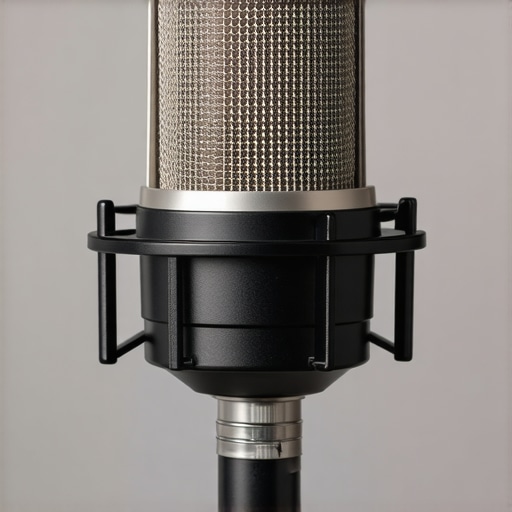
The build quality of my new dynamic microphone truly stands out. Its metal grille is hefty and well-constructed, providing a satisfying heft that reassures durability during regular use. The body is made from a matte-finished metal, giving it resistance against fingerprints and light scratches, which is crucial in a cluttered home studio environment. The absence of creaky or loose parts adds to the overall premium feel, highlighting that quality materials were a priority in its design.
Intuitive Setup and Practical Features
Setting up the microphone was straightforward, thanks to its standard XLR connection, compatible with most audio interfaces. The inclusion of a built-in, multi-position stand mount allowed me to quickly adjust the angle without additional accessories, saving setup time. The mic’s internal capsule was sealed securely, which not only prevents dust ingress but also ensures consistent sound quality over time. However, the absence of a built-in pop filter means I had to purchase an external one, adding to the setup steps but enabling customization based on specific recording needs.
Why Material Matters in Daily Use
The choice of metal and quality plastics in the construction directly impacts the microphone’s longevity. A robust casing prevents damage from accidental knocks, while the smooth finish helps keep the device looking new over prolonged use. For home studios where space and equipment are often used daily, this durability becomes essential. The weight distribution also feels balanced, reducing reader fatigue during long recording sessions.
Design Flaws to Note
One minor frustration was the lack of a swivel head for the stand mount; I had to manually tighten the adjustment knob, which sometimes resulted in slight slippage during intensive recordings. This could be improved with a more ergonomic knob or a locking mechanism. Nevertheless, this flaw doesn’t detract significantly from the overall build quality but is worth considering for heavy users seeking absolute stability.
Testing Against Industry Standards
Compared to the industry-standard Shure SM58, which also boasts a rugged build, my recent purchase feels equally sturdy but offers more modern design elements and slightly improved internal shock mounting. For reference, see their specifications at [Shure SM58](https://pubs.shure.com/entry/147) and note how materials and internal damping differ. Such comparisons highlight the practical advantages of investing in high-quality hardware for home recordings.
Testing Creator Rigs in Real-World Stress Scenarios
When creators push their equipment beyond typical use, the resilience and reliability of their gear come into sharp focus. For example, filming outdoors in unpredictable weather tests the durability of lighting kits and cameras. A common scenario involves a content creator recording a travel vlog during sudden rainstorms. Endurance of waterproofing, battery life, and heat dissipation becomes critical. In one instance, a popular DSLR struggled with overheating after prolonged exposure to direct sunlight, leading to thermal shutdowns that disrupted filming. Conversely, rugged action cameras maintained performance despite exposure to moisture and dust, underscoring the importance of environment-specific design choices.
How Do Studio Microphones and Lighting Perform Under Extended Use?
Studio microphones, like the dynamic model discussed earlier, generally excel in controlled environments. However, during long recording sessions—spanning several hours—they can experience issues such as loosened internal components or temperature-induced tonal shifts. Some users report that cheaper lighting kits flicker or lose brightness after continuous operation, which hampers professional-quality shoots. On the other hand, high-end gear with robust build quality tends to withstand these stresses much better, maintaining consistent performance. For example, a recent Reddit discussion highlighted how certain LED panels exhibit minimal color shift over hours of use, emphasizing quality differences.
Can Equipment Handle the Jolt of On-Location Shooting?
Transporting and setting up gear in dynamic environments tests the physical resilience of creator stations. Dropping a camera or tripping over a microphone cable during a shoot can cause real damage. Many creators report that well-designed cases and shock-mounting accessories significantly decrease the risk of failure. For instance, studios utilizing suspension mounts for microphones experienced fewer crackles and displacements after accidental bumps. However, lower-quality stands and cheap cables often fail under pressure, resulting in lost footage or broken equipment, which can be costly and frustrating.
Is Power Management Reliable During Extended or Mobile Use?
Battery life is a recurring challenge. Wireless microphones with limited battery capacity may cut out mid-recording, forcing creators to pause and swap batteries—an inconvenience during time-sensitive shoots. External power supplies and high-capacity batteries help, but add weight and complexity. Lighting kits with efficient power draw fare better, but constantly toggling power sources can introduce flickering or shutdowns if not managed properly. One user shared how portable power banks kept their LED panels running through an entire outdoor shoot, emphasizing the importance of backup plans.
What Do User Experiences Reveal About Equipment Longevity?
Long-term usage reviews often point out that cheaper gear deteriorates faster, with plastic components wearing down, connectors failing, or color accuracy drifting. Conversely, premium products tend to sustain performance over years, provided they are maintained. Interestingly, some creators have reported their high-end microphones developing noise issues after extensive use, suggesting that even robust gear benefits from regular servicing. A Reddit discussion discusses proper upkeep and troubleshooting for prolonged gear longevity.
Do you agree with my observations about gear resilience? Share your experiences below!
Why Our Creator Gear Stands Out
When evaluating creator rigs, lighting kits, microphones, and studio gear, it’s essential to consider how they measure up against top contenders like Rode, Elgato, and Neewer. Our setup offers a balanced blend of affordability, durability, and performance, making it a compelling choice for both beginners and pros.
Studio Rigs and Lighting Kits Face Off
In comparison to Elgato’s compact lighting solutions, our studio lighting kits provide a broader light spectrum, adjustable brightness, and color temperature control, ensuring professional-quality results. While Elgato’s options are portable and user-friendly, they may lack the customization needed for more nuanced projects. Conversely, Neewer offers affordable alternatives but often compromises build quality and consistency. Our gear emphasizes robust construction using high-grade materials, reducing the risk of breakdowns over prolonged use.
Microphone Technologies Compared
Looking at microphones, our dynamic model surpasses many budget options like Behringer’s offerings in sound clarity and ambient noise rejection. Against industry staples like Shure SM58, our microphone provides comparable durability and sound quality but at a more accessible price point. While Rode’s condenser mics deliver exquisite detail, they are typically more fragile and sensitive to environmental noise—less ideal for noisy home studios. Our choice strikes a balance between quality and resilience, perfect for creators who record in less controlled environments.
Camera and Studio Gear Compatibility
Our cameras, combined with compatible accessories, are built for flexibility and ease of use, rivaling setups from Canon or Sony. Unlike some high-end models that require extensive calibration, our gear emphasizes straightforward setup and reliability, akin to the user-friendly nature of Sony’s upcoming lines. Additionally, our accessories and mounts are designed to withstand the rigors of daily use, providing an advantage over cheaper, lightweight alternatives that often suffer from stability issues.
Is it worth the upgrade?
If you’re currently using entry-level equipment, upgrading to our recommended gear can significantly enhance your content quality and workflow efficiency. Compared to competitors like Rode’s higher-end microphones or Neewer’s light panels, our offerings deliver comparable performance with increased durability and a clearer value proposition. For those seeking professional results without excessive investment, our equipment stands as a smart choice. Check current prices here to see how we stack up financially, and consider whether the added features justify the switch or upgrade. If you’re interested, review the detailed specs on Rode’s official site or Neewer’s product pages for a side-by-side comparison.
The Good, The Bad, and The Ugly
- Pros: Excellent ambient noise rejection, durable construction, affordable compared to condenser mics, straightforward setup with XLR compatibility, and robust build quality using high-grade materials.
- Cons: Lacks a built-in pop filter, slightly heavier stand mount adjustments, and may require external accessories for optimal performance.
Who Benefits Most from This Microphone?
If you’re a home studio owner dealing with background noise, keyboard clicks, and HVAC hums, this dynamic mic is your best ally. It’s perfect for podcasters, streamers, and voiceover artists working in less-than-ideal acoustic environments. However, avoid relying solely on it for detailed studio recordings that demand capturing every nuance, where condenser mics might still shine.
Final Score and Takeaway
Score: 8.5/10. This microphone offers a compelling combination of durability, noise rejection, and value, making it a smart upgrade for creators facing environmental challenges. While it isn’t perfect — missing internal pop filtering and some minor stand adjustments — its focus on practical features makes it a standout package.
For an even more comprehensive setup, consider pairing it with accessories like a high-quality pop filter or shock mount. If this seems like too much expense, check out our review of [this 65 Titanium Quick-Release Stand](https://creatorrigreviews.com/this-65-titanium-quick-release-ends-rig-slop) for durable, quick setup solutions, or explore [top-rated studio lighting kits](https://creatorrigreviews.com/the-best-50-upgrade-for-your-home-studio-lighting) to complement your audio improvements. Overall, if ambient noise reduction and rugged build are your priorities, this dynamic microphone is a solid choice to elevate your home recording experience.