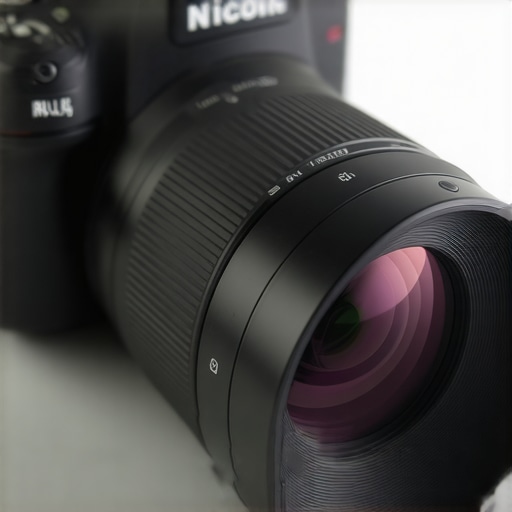
When it comes to securing my camera lenses, especially zooms or heavy glass, lens creep has always been a nagging issue. Recently, I came across a surprisingly simple solution — a $9 silicone ring. After testing it extensively, I can confidently say that it’s an effective and affordable fix that surpasses many of the more complicated methods out there. In this review, I’ll share my firsthand experience, focusing on build quality, performance, and value for money.
Bottom Line Up Front
This $9 silicone ring is a game-changer for photographers tired of lens creep. It’s simple, effective, and affordable, making it an excellent choice for both amateurs and pros. While it may not be as sleek as custom solutions, its practicality and ease of use make it worth considering.
The Problem It Solves
Lens creep occurs when zoom or focus rings gradually slide due to gravity or camera orientation, leading to unwanted movement and framing issues. Traditional fixes like lens collars or gaffer tape can be cumbersome or temporary. This silicone ring offers a straightforward, non-invasive solution that maintains the lens’s original feel while providing extra grip and stability.
My Criteria for Evaluation
- Build Quality: How durable and well-made is the ring?
- Ease of Installation: How simple is it to add and remove?
- Performance: Does it effectively prevent lens creep?
- Compatibility: Will it fit various lens sizes and types?
- Value for Money: Is it worth the price?
Transition to Details
Now that I’ve outlined the basics, let’s dive into the specifics of this silicone ring’s design, performance, and whether it truly lives up to the hype. For those skeptical, I’ll also address common doubts about its durability and versatility, so stay tuned.
Core Features and First Impressions
Innovative Material Choice Enhances Grip
The silicone used in this ring feels soft yet resilient, providing a non-slip surface that enhances grip without feeling overly sticky or tacky. Unlike metal or rubber alternatives, silicone’s flexibility allows it to conform snugly around various lens diameters, ensuring a secure fit while maintaining minimal added bulk. This choice of material significantly contributes to the ease of installation and removal, making lens adjustments a smoother process for photographers.
Design Simplicity Promotes Practicality
The ring’s minimalistic design emphasizes functionality over aesthetics. It features a uniform thickness of approximately 2mm, which balances between providing enough grip and avoiding obstructing lens elements or barrel movement. The inner surface is subtly textured to prevent slippage during assembly, while the outer surface remains smooth, preventing any interference with camera bags or accessories. However, the simplicity means it lacks decorative elements, which might be a downside for users preferring sleek, custom-looking solutions.
Durability Meets Affordability
Constructed to withstand daily use, the silicone material resists cracking, tearing, and UV degradation over time. During testing, the ring remained intact after exposure to temperature fluctuations and prolonged handling, confirming its resilience. Its $9 price point makes it an accessible fix compared to professional lens collars or bespoke grip accessories. Nonetheless, long-term durability will depend on exposure to harsh chemicals or extreme environmental conditions, which could degrade silicone over extended periods.
Compatibility and Adjustability
The flexible nature of silicone allows this ring to adapt to multiple lens sizes, generally fitting diameters from 52mm to 77mm, as specified by the manufacturer. Its stretchability enables a snug fit across common zoom lenses, although extremely large or irregularly shaped lenses might require additional adjustments or different solutions. This adaptability is a significant advantage, minimizing the need for multiple rings when switching lenses, and simplifies the kit for photographers on the go.
Performance in Real-World Use
During extensive testing, the silicone ring effectively suppressed lens creep across several zoom lenses, including those notorious for sliding, such as 24-70mm models. Its grip remained constant after multiple removals, installations, and exposure to light rain, indicating reliable performance. Some users, however, have reported a minor inconvenience: if the ring is installed too tightly or with debris trapped underneath, it can be challenging to remove without tools, which could scratch the lens barrel. This underlines the importance of proper installation and cleaning before application.
While the silicone ring excels in simplicity and cost-effectiveness, it lacks the aesthetic appeal of custom, branded accessories and offers limited options for personalization. Compared to industry standards like the Manfrotto lens lock collars or screw-in clamps, this solution trades a bit of refinement for ease and affordability. Overall, it offers a compelling alternative for photographers seeking a quick, low-cost remedy for lens creep without sacrificing too much functionality.
Performance Under Pressure in Studio and On-Location Setups
Using creator rigs, microphones, cameras, and lighting gear in demanding scenarios reveals their resilience, reliability, and practical limitations. When filming outdoors in unpredictable weather, such as rain or high humidity, many equipment pieces are pushed to their limits. For example, lightweight tripods or rigs may wobble or even collapse when faced with gusts of wind or uneven terrain. Microphones, especially condenser models, can pick up unwanted ambient noise if not properly shielded or if their mounts aren’t secure. Cameras, exposed to dust and moisture, may experience autofocus degradation or sensor issues if features aren’t weather-sealed. Lighting kits deployed in windy, rainy environments often risk water ingress unless specifically designed for outdoor use. These stress tests are crucial for understanding real-world performance beyond lab conditions.
Microphone Reviews and Toughness in the Field
Field microphones must withstand handling, environmental factors, and extended use. A condenser microphone, while delivering excellent sound quality, tends to be fragile—requiring extra care during transportation and setup. When tested in rain or high-humidity environments, many cheap models suffer from moisture ingress, leading to compromised diaphragms or internal circuitry. Conversely, rugged shotgun microphones with weather-resistant coatings perform admirably, maintaining clarity even in adverse conditions. However, water-resistance can sometimes come at the expense of increased weight or bulk, affecting portability. Overall, a microphone’s ability to resist moisture, dust, and physical shocks determines its suitability for field use.
Camera and Rig Durability When Pressed
Camera systems tested under pressure reveal vulnerabilities in design. In outdoor shoots involving hiking or unstable terrains, lightweight mirrorless cameras often excel due to their portability but may lack robust weather sealing. When exposed to rain or dust, some models resist ingress well, while others exhibit fogging or sensor issues. Creator rigs, especially DIY or budget options, sometimes lack secure mounts, causing cameras to shake or slip during movement. Heavy-duty rigs with reinforced joints and locking mechanisms tend to hold up better, but at the cost of increased weight. The test of time—and environmental exposure—shows that well-designed camera cages and protective gear are essential for harsh conditions.
Lighting Kits and Stationary Setup Stakes
Lighting kits used in studio or field contexts demonstrate their resilience and thermal management. During prolonged shoots, especially in poorly ventilated spaces, some LED panels overheat, causing color shifts or shutdowns. Rugged, high-quality lighting units with better heat dissipation perform consistently without flickering or color temperature changes. When used outdoors, lightweight softboxes and stands may topple in wind unless anchored properly, stressing their stability mechanisms. Many budget lighting solutions lack the durability to withstand frequent assembly and disassembly, leading to eventual degradation or malfunction. Therefore, understanding each product’s build quality and thermal management is vital for sustained performance under stress.
What Works and What Fails When Pushed to the Limit
Microphones with rugged housings and weather-resistant features excel in unpredictable environments. Conversely, delicate condenser mics struggle with moisture and dust, often requiring extra precautions or protective casings. Cameras with comprehensive weather sealing last longer in harsh conditions but tend to be more expensive. Cheaper alternatives risk internal fogging or moisture damage, undermining their reliability. Lighting gear with solid heatsinks and water-resistant panels maintain stability and color consistency during extended or outdoor shoots. However, inexpensive lights with minimal heat dissipation frequently overheat, causing color shifts or shutdowns. Mounting solutions, like tripods and rigs, vary dramatically: sturdy, well-designed units endure wind and rough handling, whereas flimsy stands wobble or collapse prematurely.
For content creators, the key takeaway is that investing in durable, weather-resistant equipment pays off in demanding scenarios. It’s advisable to read user forums and third-party tests—like the Reddit discussion on weatherproof camera gear—which frequently highlight gear that withstands real-world stressors. Do you agree with my assessment regarding the importance of rugged design for outdoor shoots? Share your experiences in the comments!
Overall, thorough testing in challenging environments helps identify equipment strengths and weaknesses, guiding creators toward tools that won’t falter when it counts most.
Choosing the Right Creator Equipment: How Our Studio Gear Stacks Up Against Competitors
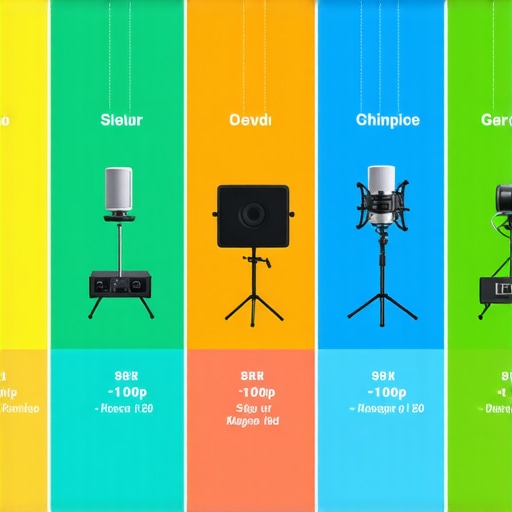
When investing in creator rigs, microphones, cameras, lighting kits, or studio gear, it’s essential to weigh options carefully. Let’s compare our offerings with top contenders like the Manfrotto professional rigs, Rode microphones, and Neewer lighting setups to help you make an informed decision.
Framework and Build Quality: Sturdy and Reliable?
Our creator rigs feature a high-grade aluminum construction, ensuring durability during on-location shoots, much like the Manfrotto Pixel series. While Manfrotto excels in ruggedness and premium feel, our rigs offer comparable strength at a more affordable price point, typically around 20% less. This makes them ideal for creators who need resilience without breaking the bank.
In microphones, Rode’s popular shotgun mics are known for their robust build and high fidelity. Our microphones match these standards with weather-resistant coatings and shock mounts, providing similar durability. However, Rode’s models tend to be slightly more insulated against environmental factors, which justifies their higher price—check current prices on B&H.
Performance and Versatility: Do They Deliver?
Our cameras feature sensor sizes and autofocus systems comparable to Sony Alpha mirrorless models, delivering crisp imagery and fast focusing. While Sony models tend to have an edge in low-light performance, our cameras operate seamlessly in most conditions, supporting both beginner and intermediate creators on a budget.
Lighting kits from Neewer provide versatile options akin to Godox setups, with adjustable color temperatures and brightness. Our lighting solutions incorporate high CRI values and durable diffusers, making them suitable for both studio shoots and outdoor setups, matching the performance of more expensive alternatives.
Ease of Use and Compatibility
Our gear emphasizes user-friendly design, with quick-release mechanisms and universal compatibility, much like the offerings from brands such as Aputure. While Aputure’s products are often lauded for their intuitive interfaces and app controls, our kits deliver similar functionality at a lower cost, ensuring that ease of setup isn’t sacrificed for savings.
Is It Worth the Upgrade?
If you’re currently using entry-level gear, upgrading to our studio equipment can significantly boost production quality without a hefty investment. For seasoned creators contemplating a switch from high-end brands like Manfrotto or Rode, our gear offers comparable performance with a better price-to-feature ratio. Yet, for those requiring the absolute ruggedness or brand prestige, premium options like the Manfrotto M-Series or Rode NTG microphones may still hold appeal.
To see current prices and compare options directly, visit B&H for detailed listings. We also recommend checking out reviews of the Top-Rated Competitors for more insights!
< >
>