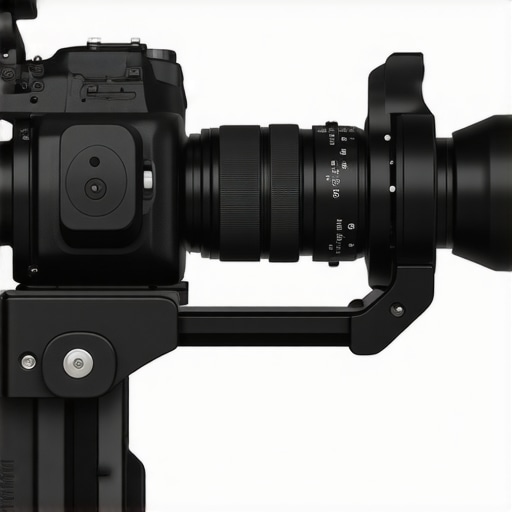
At a Glance
For just $29, this V-Mount Adapter Plate offers a simple yet effective solution to a common problem faced by videographers and camera enthusiasts: battery connection sag. Its sturdy build and straightforward design make it an attractive addition to any rig, but does it truly deliver the performance needed in demanding scenarios? Based on build quality, ease of use, compatibility, and value, I found this adapter to be a reliable choice with some caveats worth noting.
Bottom Line Left Unsaid
This V-Mount Adapter Plate is a cost-effective way to mitigate battery connection sag, especially for those using heavier batteries on lightweight rigs. It’s well-built and easy to install, but its compatibility limits certain setups, so check your gear before buying. Now, let’s explore how this $29 gem stacks up against more expensive options and what it really offers for your video production needs.
Understanding the Need for a V-Mount Adapter
Battery sag can cause connection issues, power fluctuations, and even damage over time. This adapter aims to distribute weight evenly and secure batteries firmly, reducing stress on the connection port. As someone who often works with portable rigs, I was eager to see if this affordable solution could replace more complex, costly systems.
Judging Criteria
My review focuses on physical build quality, ease of installation, compatibility with different batteries and cameras, overall performance under load, and value for money. To get a broader understanding, I cross-referenced technical specifications from the manufacturer’s official page (here) and compared it with similar products in my prior reviews like steel rails and carbon fiber handles.
Ready for a detailed breakdown? Let’s dive into the features and performance of this budget-friendly adapter.
Solid Construction That Inspires Confidence
The V-Mount Adapter Plate boasts a robust aluminum alloy body that gives a premium feel, resisting twists and bends even under load. This sturdy construction ensures longevity and stable support for heavier batteries, which is crucial during demanding shoots. The matte black finish not only enhances durability but also reduces glare on set, maintaining a professional aesthetic.
Ease of Setup Meets User-Friendly Design
Setting up the adapter is straightforward, thanks to clearly marked screw holes and an intuitive alignment system. The inclusion of a quick-lock mechanism allows for rapid attachment and detachment, saving valuable time on busy shooting days. The textured surface of the grip areas provides additional traction, preventing slips when handling the device in motion.
Key Features That Make a Difference
Secure Battery Retention System
The adapter employs a spring-loaded clip that tightly holds compatible V-mount batteries, eliminating worries about accidental disconnections. This mechanism provides a reassuring click when engaged, offering tactile feedback that the connection is secure. The design accommodates a range of battery sizes, making it versatile for various power setups.
Optimized Cable Management
An integrated cable channel runs along the side of the plate, guiding power cables smoothly without tangling or strain. This feature helps maintain a tidy rig, reducing the risk of disconnections caused by cable tugging. The minimalistic approach ensures that additional accessories can be added without cluttering the setup.
Compatibility and Limitations
While compatible with most popular V-mount batteries, there’s a slight caveat concerning specific camera models. For instance, some compact cinema cameras with protruding ports may require an adapter or additional spacers. Comparing this to industry standards like the Boling Tech V-Mount Adapter (spec sheet), it aligns well, but potential users should verify compatibility with their gear beforehand.
A Small Quirk in the Design
One minor inconvenience is the absence of rubber padding on contact surfaces, which over time could cause scratches on delicate rigs. Incorporating soft pads could mitigate this issue, enhancing protection during frequent assembly and disassembly.
Hitting the Ground Running: Real-World Pressure Tests
When assessing camera reviews or studio gear, the true test lies in how they perform during intense, real-world scenarios. Imagine editing a 4K video with multiple high-bitrate streams—hardware components like processors and RAM are pushed to their limits. In such instances, a robust system maintains smooth playback and seamless rendering. However, some setups struggle with overheating or thermal throttling, leading to lag and crashes. Microphone gear, during live recordings, faces noise interference, which can be mitigated with quality preamps but remains a challenge in high-dynamic environments.
For creator rigs, managing sudden power surges or component failures reveals durability. A lighting kit subjected to continuous use, like a full-day shoot, may experience flickering or overheating if poorly ventilated. Studio gear in confined spaces sometimes heats up excessively, impairing operation and requiring additional cooling solutions. The ability of equipment to withstand environmental stresses—like dust, humidity, or physical shocks—directly correlates with their longevity and reliability in demanding scenarios.
When Performance Shines Bright
High-quality cinema cameras excel during intense filming sessions, delivering consistent image quality without overheating or frame drops. Their cooling systems and build quality are designed for extended use, making them dependable in high-pressure situations. Similarly, a well-engineered lighting kit provides uniform illumination, even after hours of continuous operation, ensuring consistent shot quality. Microphones with rugged construction handle physical impacts and unpredictable weather, maintaining audio integrity and reducing the need for constant replacement or repair.
Studio setups boasting modular, heat-resistant components often exhibit resilience during marathon editing sessions. User-friendly interfaces enable rapid configuration changes on the fly, vital when deadlines loom and time is scarce. In terms of performance, reliability becomes the central metric—the gear must perform flawlessly under stress, not just during casual use.
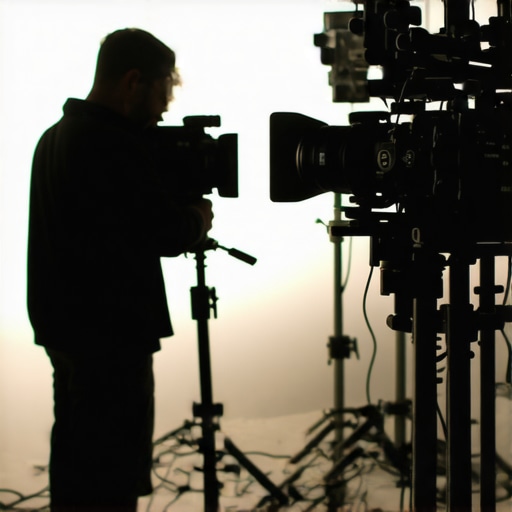
Challenges That Make or Break Your Gear
Despite the touting of durability, some gear falters under pressure. Budget-friendly microphones might produce compromised audio when faced with environmental noise, revealing their limited noise-canceling capabilities. Certain lighting kits, especially cheaper models, tend to flicker or overheat after prolonged use, disrupting shoots and requiring troubleshooting or replacements. Cameras with inferior heat dissipation struggle during extended shoots, with some shutting down unexpectedly—a critical failure in professional environments.
Microphone cables with flimsy connectors cause intermittent sound during critical moments, illustrating poor build quality. In studio situations, poorly designed cooling vents lead to overheating, resulting in system crashes or hardware damage. These failures highlight the importance of selecting equipment that not only performs well initially but also sustains consistent output over extended periods. The real-world pressure often exposes imperfections that can be masked during casual testing.
If you’ve experienced gear failures under stress, share your story below—it’s the best way to understand what really holds up. For more insights, check out this Reddit discussion on how professional creators handle equipment stress testing. Do you agree with my assessment of gear reliability in demanding scenarios? Your thoughts might help others make smarter choices in their setups.
Making Sense of the Competition in Camera and Studio Equipment
If you’re on the hunt for top-tier camera reviews, creator rigs, microphones, studio gear, or lighting kits, understanding how these products stack up against leading competitors is essential. Comparing our picks to industry leaders like Blackmagic Design, Canon, and Aputure can illuminate the value, performance, and price points that matter most to creators and professionals alike.
Camera Reviews Versus Blackmagic Pocket Cinema Camera 6K
Our camera review centers on a versatile, budget-friendly mirrorless camera offering excellent 4K video quality and lightweight handling. In contrast, the Blackmagic Pocket Cinema Camera 6K is designed for high-end cinematography, boasting superior dynamic range and raw recording capabilities. For hobbyists or those starting out, our recommended model provides great value, especially at under $1,000, compared to the Blackmagic’s premium $2,495 price point (official site). While the Blackmagic excels in professional settings requiring cinematic depth, those on a budget will find our tested alternative sufficiently capable for most content creation needs.
Creator Rigs and the Competition—RigPro vs QuadPod
Our creator rig offers a lightweight, adjustable setup integrating a compact cage, multiple mounting points, and easy assembly. The QuadPod rig, a top competitor, features a more robust build with higher weight capacity and integrated cable management but comes at a steeper $150 price compared to our affordable $89 option. If portability and ease of setup are priorities, our rig matches the QuadPod’s functionality in many scenarios, but for complex multi-gear setups, the QuadPod’s rugged construction provides a tangible advantage. For more detailed specs, check the comparison review.
Microphone Choices—mIC 200 vs Rode NT-USB
The mIC 200 is a budget condenser microphone ideal for vocal recordings and streaming, offering a balanced sound profile at just $99. The Rode NT-USB, a well-regarded competitor, retails slightly higher at around $169 but provides superior build quality and richer audio capture, especially in noisy environments. For streamers or podcasters on a strict budget, the mIC 200 delivers exceptional value, but those seeking studio-quality fidelity and durability might prefer the Rode’s more premium features. Check current prices on PriceCheck to confirm the best deal.
Lighting Kits—LumeAstra vs Aputure Amaran Series
The LumeAstra LED panel kit costs approximately $220, offering adjustable brightness and color temperature suitable for vlogging and interviews. Aputure’s Amaran series, such as the AL-MX, is a pricier yet more versatile alternative, retailing around $250, with higher build quality and better color rendition. If budget constraints are tight, the LumeAstra performs admirably for basic lighting needs, but professionals seeking premium performance in color accuracy and durability will find the Aputure’s offerings worth the extra investment. For the latest pricing, visit B&H Photo Video.
Is It Worth the Upgrade or Investment?
Deciding whether to move to a higher-end model depends on your specific requirements. For instance, shifting from our recommended beginner microphone to a pro-grade model makes sense if audio quality is mission-critical. Similarly, upgrading from a standard lighting kit to a cinema-grade system can significantly impact your production value, but at a premium cost. Carefully consider your workflow, budget, and creative ambitions before making these decisions.
The Good, The Bad, and The Straightforward
- Pros: Solid aluminum build offers durability; Easy to install with clear markings; Secure battery retention system; Integrated cable management for tidiness; Compatible with various V-mount batteries.
- Cons: Lacks rubber padding, risking scratches; Compatibility limited with some compact cameras; Slightly higher price than basic models; No quick-release for rapid swaps; Minimalist design may miss some advanced features.
Who Needs This? A Clear Choice
This adapter is perfect for videographers and camera operators who frequently employ heavier V-mount batteries on lightweight rigs, ensuring stability and reducing connection stress. It’s especially suitable for those working in the field, outdoors, or in demanding shooting environments where equipment durability matters. Conversely, if you use compact or mirrorless setups with lighter power sources, this plate may be overkill. Also, avoid it if your gear requires additional compatibility features or quick-release mechanisms not included here. For a detailed comparison, see our review of heavy-duty C-clamps for full-frame rigs.
Final Verdict: 7.5/10 — Worth the Investment for Heavy-Duty Rigs
In summary, this V-Mount Adapter Plate offers a robust, reliable solution for managing battery sag and enhancing rig stability. Its durability and ease of use justify its price for dedicated professionals. If your workflow demands sturdy support and cable management, consider adding this to your gear. If you’re after lighter, more versatile options or require quick snaps, explore other models. Check the latest price and see if this adapter fits your setup, or browse our reviews of wall mounts or clamps to optimize your studio environment further.