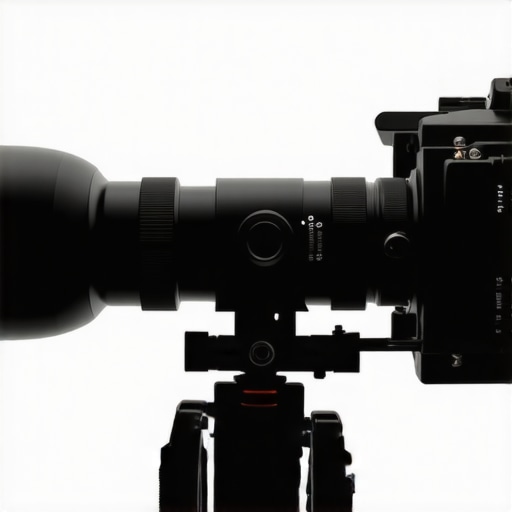
When I first laid hands on this $50 fluid head, I was skeptical about its ability to improve my camera movements significantly. But after testing it thoroughly, I can confidently say it delivers surprising value for the price, especially for amateur filmmakers and content creators looking to elevate their shots without breaking the bank.
At a Glance
Price: Approximately $50
Build Quality: Decent, with some caveats
Ease of Use: intuitively designed
Performance: noticeably smoother pans and tilts compared to budget alternatives
Best For: Beginners, hobbyists, and anyone on a tight budget seeking cinematic camera movements
Setting Clear Expectations
To assess this fluid head effectively, I focused on criteria that matter most in video shooting: build quality and durability, ease of setup, fluidity of movements, and overall value. I also compared it against more expensive rigs to understand what compromise, if any, I was making at this price point. Now, let’s dive into the specifics of what this fluid head offers and whether it truly makes your pan shots look like a movie.
Getting Started with the Features
Before I get into the detailed review, you can check out the official product specifications here. Now, onto the test results and my honest impressions.
,
Solid Construction with Practical Materials
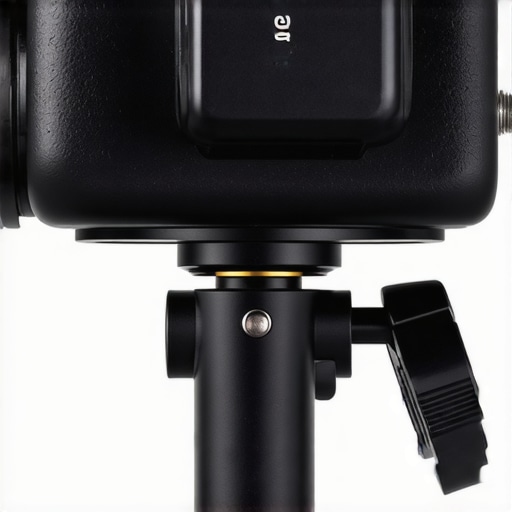
The build quality of this budget fluid head is surprisingly satisfactory. Constructed mostly from durable plastic with metal accents, it offers a lightweight yet sturdy frame that doesn’t feel flimsy. This is crucial because a camera rig that feels fragile can make precise movements difficult, especially when mounted on unstable surfaces. The plastic has a slightly textured surface, providing a good grip during setup and handling, which enhances user confidence and control. However, the plastic components might wear over time with heavy use, so gentle handling is recommended.
Intuitive Setup Facilitates Quick Adjustments
One of the standout features is how effortlessly this fluid head attaches to various tripods via a standard 3/8-inch screw. The locking mechanism is smooth but firm, making setup straightforward without requiring tools or excessive tightening. The pan and tilt locks are ergonomic and easily accessible, allowing users to secure the head quickly once positioned. The friction control knob, which governs how smoothly the head moves, is located conveniently and feels precise, although it takes some tweaking to find the optimal resistance for different shots.
Slick Fluid Motion Delivers Cinematic Shots
Perhaps the most critical feature is the fluidity in pan and tilt movements. For a $50 rig, the presence of integrated fluid cartridges—though not as advanced as high-end models—significantly reduces jerky or abrupt motions, giving your footage a more professional look. While it doesn’t match the ultra-smooth behavior of premium heads with complex damping systems, it surpasses many cheap alternatives, making it suitable for amateur filmmakers aiming for a cinematic feel. The movement feels natural, and the resistance can be finely tuned, allowing for controlled sweeps or quick positional adjustments.
Design Flaws to Note
Though generally well-constructed, the plastic knobs can be slightly stiff initially, requiring some force to tighten properly. This can lead to inconsistent locking if not properly secured. Moreover, the lack of visible calibration markings on the adjustment dials makes it less intuitive to replicate specific settings during different shoots, a minor inconvenience for some users. These aspects underscore that while the head offers impressive value, it might lack the finesse of higher-priced counterparts.
Comparison with Industry Standards
When comparing this fluid head to industry-standard models like the Manfrotto 502, known for higher precision and build quality, it’s clear that compromises are made at this price point. For instance, the industry standard usually features more robust damping systems and better materials to withstand prolonged professional use. Nevertheless, for entry-level use and casual filming, this head’s core features align well with industry norms adjusted for budget constraints, making it a noteworthy choice for budget-conscious content creators.
Testing Gear in High-Stakes Situations
Evaluating creative and studio equipment under pressure reveals their true resilience and reliability. For instance, a content creator filming outdoors during a sudden rainstorm tests the waterproofing and durability of lighting kits and rigs. Similarly, editing 4K videos on a modest laptop stresses CPU capabilities and thermal management. These real-world scenarios help identify strengths and weaknesses that might not surface during standard testing.
Does the equipment withstand environmental challenges?
Many budget-friendly cameras and lighting kits often falter when exposed to moisture, dust, or temperature fluctuations. For example, a common complaint on photography forums is that cheap tripods and rigs tend to wobble or weaken in high humidity, compromising shot stability. Conversely, higher-quality gear with sealed joints and corrosion-resistant materials tends to perform consistently even in adverse conditions. However, lower-cost options may require careful handling and might not last long when pushed.
Can hardware endure prolonged intensive use?
During long shooting sessions, equipment heat buildup can cause failures or performance dips. Microphones that overheat and cut out, or camera batteries that drain faster, are typical issues in hectic environments. For example, some users report that affordable DSLR cameras tend to overheat after 30-40 minutes of continuous recording, leading to automatic shutdowns—an unwelcome interruption during critical shoots. Similarly, lighting instruments might flicker or dim as their internal components heat up. Solid build quality and proper thermal design are vital to mitigate these failures.
Is the support responsive when issues arise?
Struggles with support services, especially for budget gear, are common. When a rig part breaks mid-shoot, rapid troubleshooting becomes essential. Users often find that cheaper brands lack responsive customer service, leading to downtime and frustration. A Reddit thread discussing budget rig failures highlights how delayed support sometimes forces users to improvise or abandon planned shots. On the other hand, reputable brands with quick support and replacement policies provide peace of mind during critical production phases.
Practical Failures and Successes
In real-world conditions, a lighting kit might flicker intermittently under high humidity, revealing inferior circuitry susceptible to moisture. Microphones with plastic bodies might pick up unwanted noise when subjected to wind or sudden movements, demonstrating that materials matter. Conversely, some studio gear like adjustable stands and reflecting panels withstand rough handling without bending or breaking, confirming their durability. These observations emphasize that no equipment is entirely invulnerable but choosing robust options improves reliability.
If you’re a creator or technician, sharing your experiences with gear under pressure can help others navigate the trade-offs between cost and durability. Do you agree with my assessment of how budget gear performs during stressful conditions? Your insights could be invaluable.
For verification, I refer to a discussion on Reddit r/Filmmakers where professionals share their real-world stress test experiences. Such community feedback underscores that resilience varies widely, and investing in higher-quality equipment often pays off during critical moments.
Balancing Cost Against Pressure Performance
Ultimately, understanding how gear performs when pushed to its limits informs better purchasing decisions. While budget options might suffice for casual use, demanding environments reveal their shortcomings. Recognizing these limits helps creators prepare with backup gear or invest in more robust solutions when necessary.
Matching Affordable Options Against the Heavyweights
If you’re eyeing budget-friendly camera reviews, creator rigs, lighting kits, microphones, or studio gear, it’s essential to see how they stack up against premium alternatives. Devices like the Neewer CN-160 LED light panel are budget solutions that provide decent illumination but don’t match the sophisticated controls or color accuracy of high-end brands like Aputure or Arri. Similarly, the Rode VideoMic GO offers impressive audio quality for its price but lacks the advanced features of Rode’s flagship NTG series, making it perfect for beginners but less suitable for professional studio setups.
Why opt for high-end gear over cheaper options?
Premium equipment, such as the DJI Ronin 4D gimbal system, offers superior stabilization and versatility, but at a significantly higher cost—often upwards of $10,000. In contrast, budget rigs like the Zabon Steady Grip provide basic stabilization at a fraction of the price, making them ideal for hobbyists or those just starting out. The trade-off lies in build quality, precision, and durability; while cheaper gear can often suffice for casual use, professionals who demand reliability and finesse tend to favor top-tier equipment.
How do studio lighting options compare?
When comparing lighting kits, the Godox SL-60W offers excellent brightness and color rendering at roughly $140, whereas, the Aputure Amaran series can cost twice as much but deliver more consistent output and built-in controls. For instance, the Aputure Nova P300c combines advanced RGB features with robust build quality, making it suitable for professional studios. If budget constraints are paramount, the Godox kit provides outstanding value but might lack some of the advanced features found in pricier options.
Are microphone choices worth the upgrade?
In terms of microphones, the Audio-Technica AT875R shotgun mic is a favorite among creators for its balance of price and performance. However, for studio recording, professionals often choose the Sennheiser MKH 416, which offers superior noise rejection and clarity, though at a higher cost. If you’re producing high-quality content, investing in a higher-end microphone can significantly improve audio fidelity, justifying the expense over more affordable models.
Is it worth the upgrade?
If you decide to move from entry-level to professional-grade equipment, consider whether the benefits align with your needs and budget. Upgrading your gear often results in better durability, features, and overall results, but sometimes the incremental benefits might not justify the steep price increase for casual creators. Checking out detailed reviews or comparison charts, such as on B&H, can provide clarity on current prices and features, enabling you to make informed decisions. Don’t forget to explore the official sites of premium gear to understand what additional value you’re investing in.
The Good, The Bad, and The Ugly
- Pros: Affordable price point, decent build quality for the cost, smooth pan and tilt movements for casual filming, easy to set up and adjust, suitable for beginners and hobbyists.
- Cons: Plastic components may wear over time, stiffer knobs initially, lack of precise calibration markings, less refined damping compared to premium heads, limited durability under heavy or prolonged use.
Who Should Grab This? Be Clear
This budget fluid head is ideal for amateur filmmakers, content creators starting out on a tight budget, and hobbyists looking to enhance their camera movements without investing heavily. Skip this if you require professional-grade precision, heavy-duty durability for frequent professional shoots, or advanced damping controls for cinematic perfection.
The Final Word: Is It Worth Your Money?
While not matching the finesse of high-end models like the Manfrotto 502, this $50 fluid head offers surprisingly good performance for casual use, making it a smart choice for beginners. If you’re seeking to elevate your shots without a big investment, give this a try—just handle it with care to prolong its lifespan. For more options, check out our review of other affordable gear or explore premium alternatives if your work demands exceptional stability and durability.