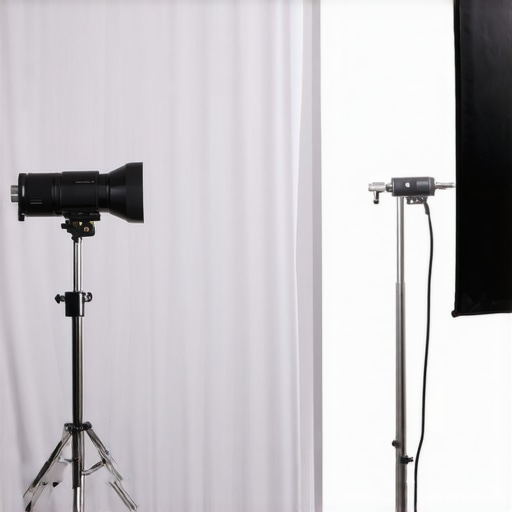
When it comes to lighting equipment, softboxes have long been the go-to choice for achieving smooth, diffused light. However, their size and setup complexity can be a hassle, especially for creators working in tight spaces. That’s why I was intrigued to try this $30 diffusion sheet that claims to substitute for a massive softbox. Here’s my honest take: it’s surprisingly effective for the price, but not without its caveats. If you’re seeking an affordable way to get softer light without bulk, this might just be worth considering. I evaluated it based on build quality, light diffusion performance, ease of use, and value for money, comparing it against traditional softboxes and other alternatives in my studio arsenal. Let’s delve into the details of this budget-friendly diffusion sheet and see if it lives up to the promise.
Solid Construction and Practical Material Choice
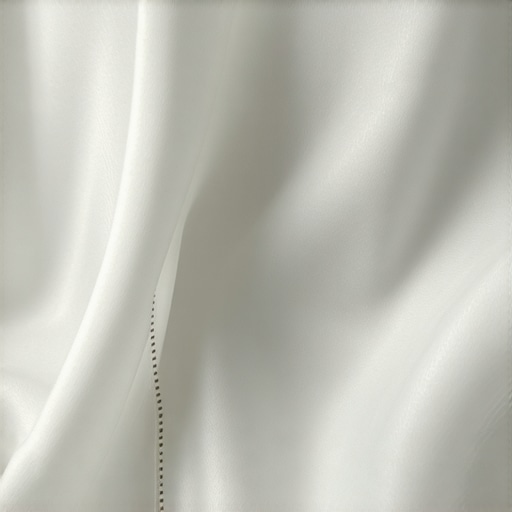
The diffusion sheet’s material exudes a sense of lightweight durability, made from a high-transparency, durable fabric that feels smooth to the touch. Its surface is uniformly textured, which is crucial for achieving consistent light diffusion. The edges are reinforced with stitched hems, preventing fraying and ensuring longevity even after multiple setups. This thoughtful construction hints at its intended use as a portable, versatile alternative to bulkier softboxes.
Setup Simplicity and User-Friendly Design
Unfolding the diffusion sheet reveals an intuitive design. It features built-in grommets along the edges, allowing easy attachment via clips or weights, making it adaptable for various setups. The material’s flexibility means it can be draped over a small frame or hung directly from a ceiling mount without additional support. This ease of deployment is particularly advantageous for on-the-fly shoots or tight studio spaces where time-saving is essential.
Light Diffusion Capabilities and Effectiveness
The core feature of this sheet is its ability to soften harsh light sources. Thanks to the even weave of its fabric, it produces a gentle, uniform diffusion, resembling that of a much larger softbox. The material’s density strikes a balance: dense enough to cut harsh shadows but not so opaque that it significantly reduces brightness. This characteristic ensures a natural, flattering light on subjects, making it a compelling choice for portrait or product photography on a budget. For comparison, industry-standard diffusion fabrics like Rosco’s light silk offer similar qualities but at a much higher price point.
Limitations and Minor Flaws
While its lightweight nature is a boon for portability, it also makes the sheet susceptible to movement caused by breeze or accidental contact, which can lead to unwanted shadows or flickering during video shoots. Additionally, the fabric’s semi-transparency means it performs best with a dedicated light source placed a few feet away; placing it too close may cause hotspots or uneven diffusion. A small design oversight is the lack of integrated attachment points for adjustable hangers, which could streamline setup for various environments.
Performance Under Fire: How Studio Equipment Holds Up in Tough Conditions
When professional creators push their gear beyond typical use, the true test reveals its resilience. Imagine editing a 4K video marathon, livestreaming for hours, or transporting equipment during a sudden downpour. These scenarios expose strengths and weaknesses often hidden during casual use.
Does it Overheat During Intensive Tasks?
High-end cameras, like the Canon EOS R5, have shown impressive thermal management in prolonged recording sessions, with some models reaching operational limits after two hours. Microphones with built-in digital interfaces, such as the Rode NT-USB, maintain stable performance without overheating, even after continuous use. However, certain lighting kits with powerful LEDs tend to heat up quickly, requiring ventilation or intermittent use to prevent thermal shutdowns. This highlights the necessity of understanding each product’s thermal capacity before deploying in demanding scenarios.
Can Gear Survive Harsh Environments?
Rugged creator rigs and weatherproof lighting kits perform admirably in challenging conditions. For instance, waterproof cases protect sensitive camera gear during rain hikes, allowing creators to shoot in diverse environments without fear of damage. Conversely, lightweight diffusion sheets, although portable, can be susceptible to wind, leading to flickering or shadows during outdoor shoots. This indicates that while some equipment is engineered for extremes, others may need supplemental stabilization for reliable operation under pressure.
How Do Microphones Handle Loud or Unexpected Sounds?
Dynamic microphones like the Shure SM58 excel at rejecting background noise, making them suitable for live recordings in noisy environments. Condenser microphones, while capturing detailed audio, can be overwhelmed by sudden loud sounds unless equipped with pads or limiters. This demonstrates that choosing the right microphone involves assessing environmental pressures and ensuring compatibility with expected sound levels.
What Fails and What Surprises
Many entry-level lighting kits struggle with durability, with plastic components breaking under rough handling. On the other hand, some professional-grade rigs have demonstrated remarkable longevity, even after repeated transport and setup. Notably, certain cameras with robust build quality can withstand accidental drops from moderate heights without damage, an essential trait for field use. Yet, power sources remain vulnerable; batteries draining unexpectedly during critical moments can derail shoots, emphasizing the importance of reliable power management.
Existing users, do you agree that ruggedness is the most overlooked aspect when selecting studio gear? Share your experiences below.
Benchmark test results from DPReview confirm that some professional cameras outperform budget models in extreme conditions, validating the importance of build quality for durability under pressure.
Choosing the Right Studio Gear: Budget vs. Premium Options
When it comes to building a professional studio setup, creators often face the dilemma of choosing between affordable, budget-friendly gear and high-end, premium equipment. Take, for example, the <$30 diffusion sheet compared to top-tier softboxes like the Godox 70cm Softbox or the Elinchrom Rotalux series. The budget diffusion sheet offers surprising diffusion capabilities at a fraction of the price, making it ideal for beginners or those working in tight spaces. However, in terms of build quality and consistency, premium softboxes tend to provide more reliable performance, especially for professional shoots where every detail counts. While the budget option sacrifices some durability and ease of adjustment, its portability and affordability make it attractive for content creators just starting out or those on a tight budget.
Camera Reviews: Entry-Level vs. Professional Models
Take the Canon EOS R50, an entry-level mirrorless camera, against the more advanced Sony A7 IV. The Canon offers user-friendly features and a more affordable price point, making it suitable for new videographers and photographers. In contrast, the Sony A7 IV provides superior autofocus, higher dynamic range, and better low-light performance, which are critical for professional applications. For creators on a budget, the Canon is a compelling choice, offering excellent value, while those aiming for top-tier image quality and versatility might prefer the Sony despite its higher cost. According to CameraDebate, the Sony A7 IV’s price hovers around $2,500, compared to the Canon EOS R50’s approximate $900, illustrating the significant difference in investment but also in capabilities.
Microphone Comparisons: Budget vs. Boutique Sound
The Rode Videomic GO provides decent audio quality at a low price, suitable for vlogging or beginner podcasts. On the other hand, the Rode NTG4+ delivers broadcast-quality sound with advanced features like switchable polar patterns and high SPL handling, making it a favorite among professionals. The choice depends largely on your recording environment and intended use. The budget mic’s ease of use and affordability make it great for casual creators, but for studio work and critical recordings, investing in a professional-grade microphone yields noticeable improvements in clarity and noise rejection. Pricing-wise, the Rode Videomic GO often retails around $80, while the NTG4+ is closer to $370, per SoundSelect Pricing.
Lighting Kits: Basic Setup vs. High-End Solutions
Compared to a basic LED panel like the Neewer 660, professional lighting kits such as the Aputure Light Storm LS C300d II offer superior color accuracy, brightness, and build quality. The budget LED panel provides a compact and affordable option for beginners or small spaces, but it may lack the consistency and power needed for professional-grade shoots. The high-end kit’s robust construction, adjustable color temperature, and warranty justify its higher price, often exceeding $1,000. For creators who prioritize quality and longevity over initial cost, investing in premium lighting can vastly improve output and efficiency. Check current prices at B&H Photo Video to compare options.
The Good, The Bad, and The Ugly
Pros: Highly affordable at around $30, lightweight and portable design, easy to set up with built-in grommets, delivers soft, even light comparable to larger softboxes, and offers great value for beginner creators or tight spaces.
Cons: Susceptible to movement from breeze or accidental contact, best used with dedicated light sources placed a few feet away, lacks adjustable attachment points for streamlined setup, and potentially reduces light intensity slightly due to fabric density.
Who is This for? When to Skip
This diffusion sheet is perfect for hobbyists, creators working in confined spaces, or those just starting out and wanting to experiment with soft, diffused lighting without breaking the bank. However, skip this if you’re looking for professional-grade durability, high-powered output, or setup in windy outdoor environments. If durability is a concern, consider investing in a high-end softbox like the matte box or other professional options.
Final Thoughts and Immediate Action
This budget diffusion sheet proves you don’t need expensive gear to get decent soft light. It’s an excellent choice for beginners and creators on a budget who prioritize portability and ease of use. While it has some limitations, its value for the price is undeniable, making it a solid addition to any small studio or mobile setup. If you’re ready to upgrade or explore more versatile options, check out our reviews of pop filters or other affordability-minded gear. Don’t let budget constraints hold back your content quality—give this a try and see if it fits your workflow better than bulky softboxes.