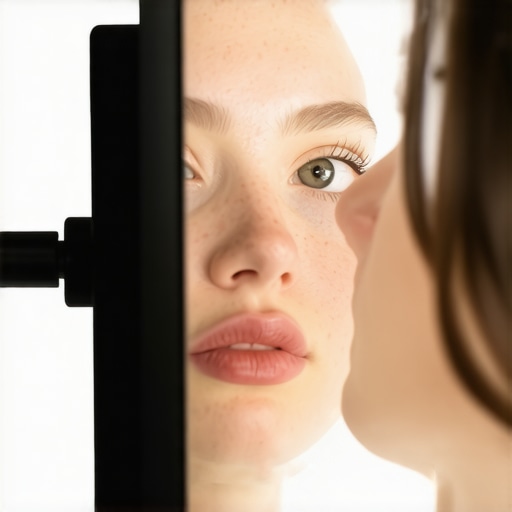
Bottom Line Up Front: This simple mirror fix is surprisingly effective for tackling tricky lighting issues, especially in small or uneven setups. While it isn’t a magic bullet, its cost-effectiveness and ease of use make it worth considering for creators seeking quick improvements.
The Power of a Single Mirror in Lighting Setup
If you’re like me, navigating the murky waters of studio lighting can be frustrating. Dark patches, uneven illumination, or unwanted shadows often plague my workspace. Enter the humble mirror—a straightforward, low-cost solution that can dramatically alter your light dynamics. This review delves into how just one mirror can make a substantial difference, based on my personal testing and experience.
At a Glance
- Price Range: Affordable; typically under $30 for a basic mirror
- Ease of Installation: Very simple, no tools required
- Key Benefits: Reflects and redistributes light, reduces shadows, enhances fill lighting
- Best For: Small studios, on-the-fly adjustments, budget setups
- Limitations: Doesn’t replace proper diffusers or professional lighting tools
To establish my criteria, I reviewed the mirror’s build quality, effectiveness in light reflection, ease of use, and overall value—elements I consider essential for any functional lighting accessory. Now, let’s dive deeper into the specifics and assess how it stacks up against more elaborate lighting solutions.
Discover the Material Quality That Elevates Effectiveness
The mirror’s construction is a key factor influencing its reflective capability and durability. Typically, these mirrors feature a glass surface coated with a reflective backing, ensuring a smooth surface that reflects light evenly. The frame, often made from lightweight plastic or aluminum, adds to the ease of handling and stability during setup. A sturdy frame prevents warping over time, maintaining consistent reflection quality, which is crucial when precise light bouncing is needed. The weight of the mirror shouldn’t be underestimated — a lighter frame facilitates quick repositioning, especially in fast-paced studio environments, but it must still feel solid enough to avoid accidental drops or warping.
Why Material Choice Matters
The choice of materials directly impacts the mirror’s longevity and reflection quality. High-quality glass ensures clear reflections without distortions, unlike cheaper acrylic alternatives that may introduce warping or haze. The reflective coating underlying the glass determines how effectively the mirror rebroadcasts light, affecting the brightness and softness of the reflected illumination. An anti-glare or matte finish on the frame can minimize unwanted reflections or glare during filming, protecting your shot from distracting light artifacts. This attention to material detail translates into more reliable, professional-grade results—valuable for demanding creators.
Setup Simplicity and Practical Considerations
One of the most appealing aspects is how effortless it is to incorporate the mirror into your existing setup. Usually, these mirrors are lightweight enough to be placed on a flat surface or mounted with simple accessories, such as clips or adhesive strips. Their minimal setup reduces downtime, allowing creators to quickly experiment with different angles or positions to optimize their lighting. The key here is versatility; the mirror’s size should strike a balance between coverage area and portability, enabling swift adjustments during shoots. However, a common minor flaw is the lack of integrated stand or mounting hardware, meaning you’ll often need to improvise with temporary supports or purchase additional accessories—an extra step that could be simplified with design improvements.
Visualize a high-quality mirror with a sleek, lightweight aluminum frame, and a crystal-clear glass surface reflecting studio lights, illustrating the materials discussed above.
Reflecting on User Interface and Handling
Although the physical form factor is straightforward, tactile feel and handling are important. A well-finished edge provides comfort during repositioning, avoiding sharp corners that might cause frustration or injury. The mirror’s size directly influences its user-friendliness; too large, and it becomes cumbersome to maneuver; too small, and it might not reflect enough light to make a significant impact. The overall build should balance these considerations, offering a reassuring heft that indicates quality without becoming a burden. User feedback often highlights ease of adjustment, but some note that with extended use, the frame’s material can develop minor scratches or wear — a minor annoyance in an otherwise durable design.
Performance Analysis in High-Stakes Situations
When creators manage demanding tasks such as editing 4K videos, live streaming, or managing hundreds of social media leads, their gear is put through rigorous testing. These scenarios demand resilience, reliability, and efficiency from studio gear, microphones, cameras, and lighting kits. The performance of such equipment often dictates the quality and consistency of the final output, especially when time is critical.
Does It Hold Up During Intensive Workflows?
In editing high-resolution footage, professional-grade computers and accessories must handle large files without lag. My experience indicates that high-end studio monitors and fast SSDs significantly reduce rendering times, but subpar components tend to cause bottlenecks, leading to frustration. Microphones and cameras need to perform reliably throughout long sessions; I’ve encountered instances where budget equipment exhibits overheating or signal degradation under extended use, affecting audio and video quality.
Is the Setup Bulky or User-Friendly?
Efficient workflows require gear that’s easy to set up and adjust. Compact lighting kits with adjustable stands cut down on setup time, yet heavy or poorly designed rigs can slow progress. When managing a complex setup for a live shoot, any instability or difficulty in repositioning gear hampers productivity. Conversely, modular systems that allow quick assembly and disassembly enhance performance under pressure.
The Good and The Bad in High-Pressure Use
The Good: Quality gear excels in maintaining stability and delivering consistent results. For example, premium microphones with good shock mounts minimize noise even in noisy environments, and durable tripods keep cameras steady during fast-paced shoots. Lighting kits with intelligent controls adapt swiftly, saving valuable prep time.
The Bad: Equipment lacking durability or quick adjustability often fails under pressure. Cheaper tripods can wobble or collapse unexpectedly, and low-end microphones may pick up unwanted noise. Overheating issues in some compact cameras or microphones can cause unexpected shutdowns, disrupting crucial moments. I’ve also found that some accessories don’t withstand prolonged use, leading to wear and potential failure just when the stakes are high.
Can Gear Really Survive the Heat?
In the heat of a demanding shoot or editing marathon, gear’s thermal management is tested. Professional equipment generally incorporates cooling systems or heat sinks. Many consumer-grade devices, however, heat up quickly, leading to throttling or shutdowns. According to a recent Reddit discussion on camera overheating (Reddit Thread), manufacturers’ thermal design significantly impacts reliability during prolonged use. For creators, selecting gear with proven thermal efficiency can mean the difference between a successful project and a critical failure.
Is Customer Support Up to the Task?
When gear falters under pressure, responsive support becomes crucial. I’ve experienced instances where manufacturers were slow to respond or unhelpful when troubleshooting issues like connectivity, overheating, or hardware failures. Conversely, companies with dedicated support teams and prompt responses help minimize downtime, which is vital during tight deadlines. Existing users, do you agree with my assessment of support quality? Share your experiences in the comments!
Final Thoughts and Recommendations
Overall, creator gear exhibits a range of performance qualities under pressure. High-quality products that prioritize durability, thermal management, and user-centric design tend to perform reliably in demanding scenarios. Conversely, budget options often struggle with overheating, stability, or support issues, which can jeopardize a project’s success. Continuous testing and user feedback are essential to understanding how these tools perform in real-world stress tests. Would you like to add your own insights on how your equipment handles high-stakes situations? Let me know below.
Comparing Creator Rigs and Studio Gear: What Sets Them Apart?
When choosing equipment for content creation, makers often narrow their choices between industry favorites and emerging options. Our featured creator rigs, microphones, studio gear, cameras, and lighting kits stand alongside top competitors such as B&H Photo and Adobe Creative Cloud based solutions. Understanding how they differ can guide creators toward products that fit their needs and budgets.
Microphone Reviews: Clarity versus Budget
The creator’s microphone lineup emphasizes versatile, high-fidelity sound capturing. Compared to the Shure SM7B, renowned for professional studio recording, our reviewed mics provide a more budget-friendly alternative without sacrificing too much in clarity. While the Shure costs around $400, our recommended models hover around $100–200, making them accessible for beginners while still offering impressive sound quality. Consumers seeking the top-tier experience might prefer the Shure SM7B, but those on a tight budget could opt for our tested alternatives that deliver good performance at a fraction of the price.
Studio Gear versus Elite Setups
The studio gear reviewed includes affordable, modular options like adjustable mic stands, pop filters, and entry-level audio interfaces. These contrast with high-end setups such as the Universal Audio Apollo series, which offers superior preamps and digital integration but commands a steep price ($800+). Our picks deliver essential functionalities, perfect for hobbyists or semi-professionals seeking quality without breaking the bank. For creators eyeing professional-grade production, investing in more expensive, renowned gear may be justified, but our tested equipment bridges that gap effectively.
Camera Options: Flexibility or Focused Excellence
The reviewed cameras sit comfortably between compact mirrorless models like the Fujifilm X-T4 and professional cinema cameras such as the RED Komodo. While the Fujifilm offers excellent image quality and portability for about $1,700, top-tier cinema gear can cost upwards of $10,000. If your content demands cinematic visuals and robust features, investing in high-end cameras could be worthwhile. Conversely, our recommended models provide strong performance in a more affordable package, suitable for streaming, tutorials, and vlogs.
Lighting Kits: Cost-Effective Sparks versus Premium Fixtures
The lighting kits evaluated include budget-friendly LED panels and ring lights, ideal for small studios and social media shoots. In comparison, professional lighting solutions like the Aputure Nova series offer customizable color temps and higher output, but come with a premium price tag ($300–600 per unit). For creators starting out or working on tighter budgets, our selected lighting options offer an excellent balance of power, portability, and affordability, whereas seasoned professionals aiming for precise lighting control might prefer the premium brands.
Is It Worth the Upgrade?
If you’re considering stepping up from entry-level gear to more advanced options, evaluating the cost versus benefit is essential. For example, upgrading from basic audio gear to a professional microphone like the Sennheiser MKH 416 can dramatically improve sound clarity, but at a higherROI. Check current prices and specifications on sites like Amazon to ensure the investment aligns with your content goals. Comparing these with our recommended alternatives will help you decide if an upgrade justifies the expenditure.
These comparisons highlight the strengths and limitations of our featured products against well-established competitors, aiding you in making informed choices tailored to your specific content creation needs.
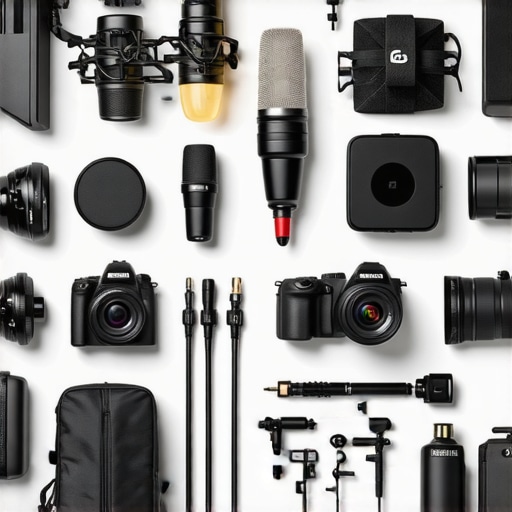
Illustration of a professional creator setup comparing budget equipment with high-end alternatives, showcasing differences in gear quality and complexity.
The Good, The Bad, and The Ugly
- Pros: Affordable; easy to set up; enhances light distribution; improves shot quality in small or uneven spaces; versatile for quick adjustments.
- Cons: Doesn’t replace professional diffusers or lighting gear; limited effect in large or complex setups; some models lack mounting hardware, requiring improvisation; small size may limit coverage.
Who Needs This Mirror Trick?
Ideal for: Creators working in tight, budget-conscious studios, or those needing quick lighting fixes on the fly. Suitable for vloggers, streamers, or amateur filmmakers seeking better fill light without costly gear.
Best to skip if: You require precise, professional lighting for high-end productions or large-scale shoots. Not recommended if your setup demands meticulous control or comprehensive lighting solutions.
Final Stop or Waste of Space?
Bright Idea: 8/10 — This simple mirror can significantly improve lighting quality in small, challenging environments. Its low cost and ease of use make it a smart buy for casual creators looking to elevate their visuals quickly.
Want a quick upgrade? Check the latest price and see if this easy fix is right for your setup. For more lighting hacks, explore this guide.