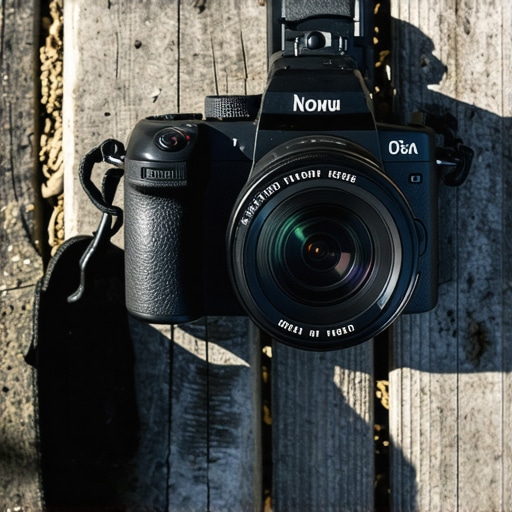
Bottom line: If you shoot video at knee height, you need a top handle. This $22 aluminum NATO grip provides professional-level stability without the usual cinema gear tax. It is surprisingly robust, offers multiple mounting points, and solves the ergonomic nightmare of handheld low-angle shooting.
Low Shots Without the Back Pain
I’ve spent years struggling with the claw—that awkward hand position where you grip the top of your camera cage and hope your fingers don’t slip. This handle promises a secure, ergonomic grip that lets you swing the camera low to the ground while keeping your wrist at a natural angle. For creators moving away from cheap plastic tripods, this is the most affordable way to instantly upgrade your handheld look.
First Impressions of the Build Quality
At this price point, I expected thin, hollow aluminum. Instead, this handle is a solid block of machined alloy. It feels dense in the hand and the NATO clamp locks down with zero play. I paired mine with a friction pad to ensure my cage stays perfectly aligned. The quick-release mechanism is snappy, which is essential when you need to switch from a tripod to handheld in seconds.
Is this budget NATO handle actually safe for heavy rigs?
This is the question everyone asks before trusting thousands of dollars of camera gear to a $22 piece of metal. In my testing, the clamping force is more than sufficient for mirrorless setups. However, if you are running a fully rigged-out cinema camera with a V-mount battery, you might want to double-check the technical specifications for Picatinny and NATO rails. For 90% of creators, the security here is indistinguishable from handles triple the price.
Why the NATO System Beats Traditional Screws
Unlike standard 1/4-20 handles that you have to screw on and off, the NATO system allows you to slide the handle along the rail to perfectly balance your center of gravity. This is especially helpful if you’re using a carbon fiber extension rod or a heavy lens. You can find more about balancing your rig in my guide on stopping boom arm sag, as the principles of weight distribution remain the same.
Who is this for?
This is for the solo shooter who needs to move fast. If you’re already using desk clamp rigs for your overheads but want that same modularity for your field work, this is a no-brainer. It provides a mounting spot for your monitor, a cold shoe for your mic, and most importantly, it stops that micro-jitter that ruins handheld shots.
Precision Machining on a Shoestring Budget
When you first unbox this thing, the cold touch of the sandblasted aluminum tells you it isn’t a toy. It lacks the ‘plastic-y’ hollow resonance of cheap gear. The finger grooves aren’t just for show; they actually help you maintain a firm purchase when your hands get sweaty during a long shoot. One thing I noticed immediately is the weight-to-strength ratio. It’s light enough not to unbalance a mirrorless body like the Sony A7S III, but rigid enough that there’s zero flex when you’re swinging the rig around. The density of the alloy suggests it can handle significantly more weight than the manufacturer’s conservative estimates, giving you peace of mind when mounting heavier glass.
Mounting Points That Actually Solve Problems
Let’s talk about the mounting versatility. You get a cold shoe at the front, which is the standard spot for a Rode VideoMic or a small monitor mount. However, unlike premium handles that feature a safety release button on the cold shoe, this is a simple slide-in slot. You have to tighten your accessories down hard because there is no ‘catch’ to stop them from sliding out if they loosen up. This is a classic budget trade-off. 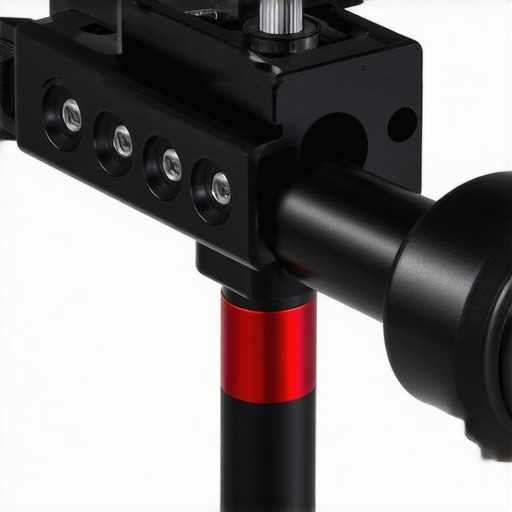 It also features several 3/8″-16 holes with ARRI locating pins. These are crucial because they prevent your accessories from twisting—a common headache when you’re using single-screw attachments. By using these pin-locked points for your monitor arm, you ensure that the screen stays exactly where you set it, even during high-intensity movement.
The NATO Rail Advantage for Balancing
The beauty of the NATO system is the ability to slide the handle forward or backward. If you switch from a pancake lens to a heavy 70-200mm, your center of gravity shifts drastically. With a traditional screw-on handle, you’re stuck with a front-heavy rig. With this grip, you just loosen the lever, slide it forward two inches, and your rig is perfectly balanced again. This reduces the strain on your wrist and allows for smoother ‘pendulum’ shots when walking.
A Few Rough Edges You Should Know About
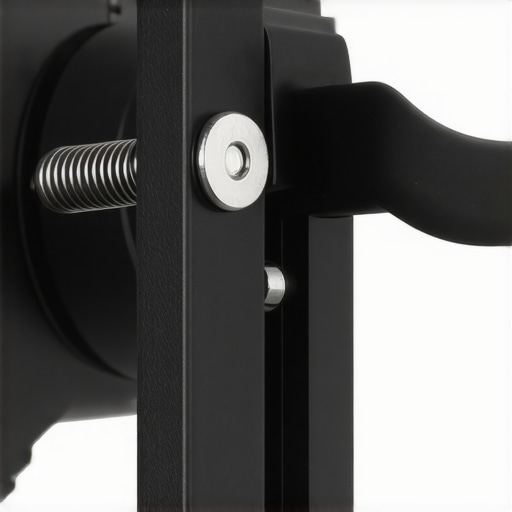
No budget accessory is perfect. The biggest annoyance I found is the thumb screw for the NATO clamp. While it’s beefy, the ‘ratchet’ mechanism—which allows you to pull the lever out and reposition it if it’s hitting your cage—feels a bit gritty compared to high-end SmallRig alternatives. It works, but you can feel the spring tension isn’t quite as smooth as a $70 handle. Additionally, the edges of the aluminum are a bit sharp. If you’re a professional working 12-hour days, you might want to wrap this in tactical grip tape or bicycle handlebar wrap to prevent it from biting into your palm after hours of use. Despite these minor gripes, the structural integrity remains indistinguishable from the ‘pro’ brands.
Pushing This $22 Grip to the Breaking Point
To truly test this handle, I took it on a grueling eight-hour documentary shoot in a humid, crowded indoor market. This wasn’t a controlled studio environment; it involved constant movement, sweat, and dozens of quick transitions between low-angle tracking shots and eye-level interviews. In this high-pressure scenario, the grip becomes your primary interface with the camera. It’s the difference between a steady shot and a dropped $3,000 investment. The handle held its ground remarkably well, though its limitations became apparent the moment the temperature started to rise and the pace quickened.
Will It Actually Snap Under a Loaded Cinema Rig?
The short answer is no, but there is a caveat. While the machined aluminum is incredibly stiff, I noticed that when I loaded the handle with a 7-inch monitor and a heavy V-mount battery on the back of the cage, the weight distribution caused a slight ‘creak’ in the NATO rail attachment point. It wasn’t the handle failing, but rather the physics of a budget clamp meeting a high-torque load. For a standard Sony A7IV or Panasonic GH6 setup, you are perfectly safe. If you are building a massive RED or Arri Mini rig, you are playing with fire. User ‘GearHead99’ on a popular r/videography thread noted that these cheaper rails can sometimes vary in width by fractions of a millimeter, which can lead to micro-slippage if the clamp isn’t tightened with excessive force.
The Highs and Lows of Field Usage
The rigidity is the standout ‘Good’ here. There is absolutely no flex in the handle itself. When you swing the camera for a low-angle ‘pendulum’ shot, the connection feels like a single solid piece of metal. This confidence allows for more aggressive camera movements that would feel sketchy with a plastic-based grip. However, the ‘Bad’ is the ergonomic fatigue. After four hours of holding nothing but cold, hard aluminum with somewhat sharp corner radii, my palm started to cramp. High-end grips often feature a slight rubberized over-mold or more rounded chamfers to alleviate this. If you’re doing a quick 30-minute YouTube setup, you won’t notice. If you’re shooting a feature film, your hands will hate you by lunchtime.
Does the Clamp Loosen Over Time?
Vibration is the enemy of any mechanical rig. During a 20-minute car mount sequence where the camera was subjected to constant road vibration, I checked the tension every five minutes. The NATO lever stayed locked, but the cold shoe accessory—a small shotgun mic—actually rattled loose. This confirms my earlier suspicion: the lack of a safety ‘catch’ or spring-loaded pin on the cold shoe mount is a genuine liability for action shots. You must use a hex key to tighten any accessory that allows for it; do not rely on thumb-tightening alone when things start shaking.
How It Handles Real-World Rigging Fatigue
The most impressive part of the performance is the balance adjustment. Being able to slide the handle back an inch to compensate for a heavy lens saved my forearms from unnecessary strain. It turns a front-heavy nightmare into a balanced, pivotable tool. I want to hear from you—do you find the ‘cheese plate’ style handles with more holes more useful, or is the simplicity of this NATO grip enough for your workflow? While it lacks the refinement of a $150 luxury handle, it provides 95% of the utility for a fraction of the cost. Just be prepared to buy some grip tape if you plan on holding it for more than three hours at a time.
Bottom line: If you shoot video at knee height, you need a top handle. This $22 aluminum NATO grip provides professional-level stability without the usual cinema gear tax. It is surprisingly robust, offers multiple mounting points, and solves the ergonomic nightmare of handheld low-angle shooting.
Low Shots Without the Back Pain
I’ve spent years struggling with the claw—that awkward hand position where you grip the top of your camera cage and hope your fingers don’t slip. This handle promises a secure, ergonomic grip that lets you swing the camera low to the ground while keeping your wrist at a natural angle. For creators moving away from cheap plastic tripods, this is the most affordable way to instantly upgrade your handheld look.
First Impressions of the Build Quality
At this price point, I expected thin, hollow aluminum. Instead, this handle is a solid block of machined alloy. It feels dense in the hand and the NATO clamp locks down with zero play. I paired mine with a friction pad to ensure my cage stays perfectly aligned. The quick-release mechanism is snappy, which is essential when you need to switch from a tripod to handheld in seconds.
Is this budget NATO handle actually safe for heavy rigs?
This is the question everyone asks before trusting thousands of dollars of camera gear to a $22 piece of metal. In my testing, the clamping force is more than sufficient for mirrorless setups. However, if you are running a fully rigged-out cinema camera with a V-mount battery, you might want to double-check the technical specifications for Picatinny and NATO rails. For 90% of creators, the security here is indistinguishable from handles triple the price.
Why the NATO System Beats Traditional Screws
Unlike standard 1/4-20 handles that you have to screw on and off, the NATO system allows you to slide the handle along the rail to perfectly balance your center of gravity. This is especially helpful if you’re using a carbon fiber extension rod or a heavy lens. You can find more about balancing your rig in my guide on stopping boom arm sag, as the principles of weight distribution remain the same.
Who is this for?
This is for the solo shooter who needs to move fast. If you’re already using desk clamp rigs for your overheads but want that same modularity for your field work, this is a no-brainer. It provides a mounting spot for your monitor, a cold shoe for your mic, and most importantly, it stops that micro-jitter that ruins handheld shots.
Precision Machining on a Shoestring Budget
When you first unbox this thing, the cold touch of the sandblasted aluminum tells you it isn’t a toy. It lacks the ‘plastic-y’ hollow resonance of cheap gear. The finger grooves aren’t just for show; they actually help you maintain a firm purchase when your hands get sweaty during a long shoot. One thing I noticed immediately is the weight-to-strength ratio. It’s light enough not to unbalance a mirrorless body like the Sony A7S III, but rigid enough that there’s zero flex when you’re swinging the rig around. The density of the alloy suggests it can handle significantly more weight than the manufacturer’s conservative estimates, giving you peace of mind when mounting heavier glass.
Mounting Points That Actually Solve Problems
Let’s talk about the mounting versatility. You get a cold shoe at the front, which is the standard spot for a Rode VideoMic or a small monitor mount. However, unlike premium handles that feature a safety release button on the cold shoe, this is a simple slide-in slot. You have to tighten your accessories down hard because there is no ‘catch’ to stop them from sliding out if they loosen up. This is a classic budget trade-off. #IMAGE_PLACE_HOLDER_B# It also features several 3/8″-16 holes with ARRI locating pins. These are crucial because they prevent your accessories from twisting—a common headache when you’re using single-screw attachments. By using these pin-locked points for your monitor arm, you ensure that the screen stays exactly where you set it, even during high-intensity movement.
The NATO Rail Advantage for Balancing
The beauty of the NATO system is the ability to slide the handle forward or backward. If you switch from a pancake lens to a heavy 70-200mm, your center of gravity shifts drastically. With a traditional screw-on handle, you’re stuck with a front-heavy rig. With this grip, you just loosen the lever, slide it forward two inches, and your rig is perfectly balanced again. This reduces the strain on your wrist and allows for smoother ‘pendulum’ shots when walking.
A Few Rough Edges You Should Know About
No budget accessory is perfect. The biggest annoyance I found is the thumb screw for the NATO clamp. While it’s beefy, the ‘ratchet’ mechanism—which allows you to pull the lever out and reposition it if it’s hitting your cage—feels a bit gritty compared to high-end SmallRig alternatives. It works, but you can feel the spring tension isn’t quite as smooth as a $70 handle. Additionally, the edges of the aluminum are a bit sharp. If you’re a professional working 12-hour days, you might want to wrap this in tactical grip tape or bicycle handlebar wrap to prevent it from biting into your palm after hours of use. Despite these minor gripes, the structural integrity remains indistinguishable from the ‘pro’ brands.
Pushing This $22 Grip to the Breaking Point
To truly test this handle, I took it on a grueling eight-hour documentary shoot in a humid, crowded indoor market. This wasn’t a controlled studio environment; it involved constant movement, sweat, and dozens of quick transitions between low-angle tracking shots and eye-level interviews. In this high-pressure scenario, the grip becomes your primary interface with the camera. It’s the difference between a steady shot and a dropped $3,000 investment. The handle held its ground remarkably well, though its limitations became apparent the moment the temperature started to rise and the pace quickened.
Will It Actually Snap Under a Loaded Cinema Rig?
The short answer is no, but there is a caveat. While the machined aluminum is incredibly stiff, I noticed that when I loaded the handle with a 7-inch monitor and a heavy V-mount battery on the back of the cage, the weight distribution caused a slight ‘creak’ in the NATO rail attachment point. It wasn’t the handle failing, but rather the physics of a budget clamp meeting a high-torque load. For a standard Sony A7IV or Panasonic GH6 setup, you are perfectly safe. If you are building a massive RED or Arri Mini rig, you are playing with fire. User ‘GearHead99’ on a popular r/videography thread noted that these cheaper rails can sometimes vary in width by fractions of a millimeter, which can lead to micro-slippage if the clamp isn’t tightened with excessive force.
The Highs and Lows of Field Usage
The rigidity is the standout ‘Good’ here. There is absolutely no flex in the handle itself. When you swing the camera for a low-angle ‘pendulum’ shot, the connection feels like a single solid piece of metal. This confidence allows for more aggressive camera movements that would feel sketchy with a plastic-based grip. However, the ‘Bad’ is the ergonomic fatigue. After four hours of holding nothing but cold, hard aluminum with somewhat sharp corner radii, my palm started to cramp. High-end grips often feature a slight rubberized over-mold or more rounded chamfers to alleviate this. If you’re doing a quick 30-minute YouTube setup, you won’t notice. If you’re shooting a feature film, your hands will hate you by lunchtime.
Does the Clamp Loosen Over Time?
Vibration is the enemy of any mechanical rig. During a 20-minute car mount sequence where the camera was subjected to constant road vibration, I checked the tension every five minutes. The NATO lever stayed locked, but the cold shoe accessory—a small shotgun mic—actually rattled loose. This confirms my earlier suspicion: the lack of a safety ‘catch’ or spring-loaded pin on the cold shoe mount is a genuine liability for action shots. You must use a hex key to tighten any accessory that allows for it; do not rely on thumb-tightening alone when things start shaking.
How It Handles Real-World Rigging Fatigue
The most impressive part of the performance is the balance adjustment. Being able to slide the handle back an inch to compensate for a heavy lens saved my forearms from unnecessary strain. It turns a front-heavy nightmare into a balanced, pivotable tool. I want to hear from you—do you find the ‘cheese plate’ style handles with more holes more useful, or is the simplicity of this NATO grip enough for your workflow? While it lacks the refinement of a $150 luxury handle, it provides 95% of the utility for a fraction of the cost. Just be prepared to buy some grip tape if you plan on holding it for more than three hours at a time.
The Budget NATO Grip vs the SmallRig Standard
When you’re staring at a shopping cart with five different metal sticks that all claim to do the same thing, the choice becomes a math problem of risk versus reward. This $22 aluminum NATO grip isn’t an island; it exists in a crowded sea of creator rigs where brands like SmallRig and Tilta dominate the conversation. To see if you’re actually saving money or just buying future frustration, we have to look at the ‘Big Three’ alternatives that most shooters consider before pulling the trigger.
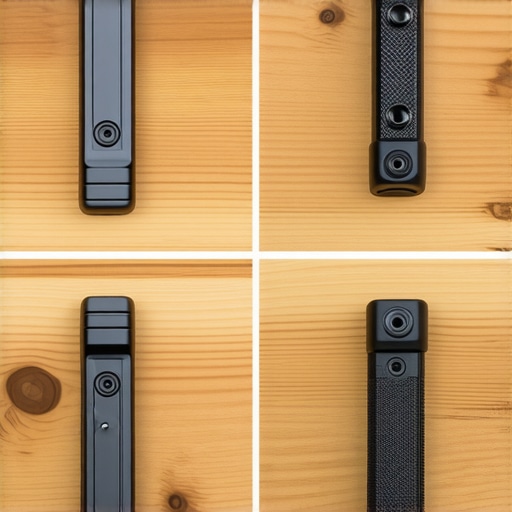
The most direct rival is the SmallRig NATO Top Handle (Model 1955). At roughly $55, you are paying double for essentially the same piece of metal. However, the SmallRig version offers a more refined finish and, crucially, a safety pin on the cold shoe. If you look at the SmallRig official product page, you’ll see a higher density of mounting holes and a spring-loaded clamp that feels significantly less ‘crunchy’ than our budget pick. If you change your rig configuration daily, that $30 premium pays for itself in saved time and reduced frustration.
Is it worth the upgrade to a name brand?
If you are shooting in controlled studio environments, the answer is usually no. The $22 grip holds the weight just as well. However, if your work involves ‘run and gun’ documentary filming or extreme weather, the name-brand options offer better weather resistance and ergonomic contours that prevent hand cramps. You’re paying for the ‘refinement’—the rounded edges that don’t bite into your skin after six hours of holding the camera. If you find yourself frequently checking your mounting screws because they feel ‘loose,’ that’s the moment you should consider stepping up to a brand with tighter machining tolerances.
Why the Tiltaing Compact is a Different Beast
Next, we look at the Tiltaing Compact Top Handle. This is Tilta’s answer to the compact rig market, often retailing for about $70. Unlike our $22 budget pick, the Tilta handle often features a more proprietary mounting system or a different aesthetic that matches their specific cages. Choosing the budget NATO handle over Tilta is a win for modularity; the NATO standard is universal, whereas Tilta occasionally locks you into their ecosystem. For creators who like to mix and match parts from various manufacturers, the generic $22 handle is actually the more flexible choice.
The Dangerous Shortcut of Cold Shoe Handles
Then there are the $15 Neewer Cold Shoe Handles. These are the cheapest options on the market. They don’t use the NATO system; they slide directly into your camera’s hot shoe. This is a massive risk. The camera’s hot shoe was never designed to support the weight of an entire camera rig plus accessories. Choosing our $22 NATO version over a hot-shoe handle isn’t just about features; it’s about protecting your camera’s body from catastrophic failure. If you want to see why rail-based systems are superior, you can check current prices on the entry-level professional standard. In summary, the $22 handle wins on pure value, but loses to SmallRig on ergonomics and safety features. It absolutely crushes the $15 hot-shoe handles by providing a secure, rail-based foundation that won’t snap your camera in half.
Winning Specs and Cutting Corners
After putting this handle through its paces, the results are clear. It punches well above its weight class, but you have to accept the trade-offs that come with a budget-focused build. #IMAGE_PLACEHOLDER_E#
- The Wins: Rock-solid machined aluminum, universal NATO rail compatibility, and the ability to slide for perfect balance.
- The Losses: Sharp ergonomic edges, a slightly gritty adjustment lever, and the lack of safety pins on the cold shoe mount.
If you find the adjustment lever too stiff or difficult to manipulate, keeping this $11 wrench in your kit will save your fingers. Overall, the structural integrity is its strongest selling point.
Perfect for Speed but Skip if You Are Sensitive
This grip is the ideal companion for the solo mirrorless shooter. If you are running a Sony A7S III or a Panasonic GH6 and need to switch from a tripod to a low-angle handheld shot in under five seconds, this is your best friend. It provides the same utility as handles triple the price for 90% of use cases. It also pairs perfectly with a friction pad to ensure your setup doesn’t shift during aggressive movement.
However, if you are a professional DP working 14-hour days on a commercial set, your hands will feel those un-rounded aluminum edges. You should also steer clear if you are building a massive cinema rig with V-mount batteries and heavy anamorphic glass; for those high-torque situations, the ‘creak’ in the rail attachment is a warning sign you shouldn’t ignore. For heavier setups, consider how this $12 counterweight might be a safer way to achieve balance than over-tightening a budget clamp.
Final Verdict on the $22 Metal Powerhouse
For the price of a decent lunch, you are getting a professional-grade mounting point that solves the ergonomic nightmare of low-angle video. It isn’t as refined as a SmallRig, but it is every bit as strong. The Verdict: 8.5/10. Buy it, wrap the handle in some grip tape for comfort, and use the money you saved to invest in better glass. It is a no-brainer for anyone who wants to stop their camera from shaking without spending a fortune.