If you are like me, you probably spent way too much time researching camera reviews and microphone reviews to build the perfect setup, only to realize your workstation is a mess of cables and floor dust. My Mini-PC was sitting on the carpet, essentially acting as a vacuum cleaner for hair and lint. I found this $12 steel plate on a whim, and it is honestly the most satisfying piece of studio gear I have ever bought. It’s a simple slab of powder-coated steel designed to mount your PC to the back of a monitor or the underside of a desk, and it does exactly that without any fuss.
The Bottom Line Up Front
This is a “buy it once” solution for anyone trying to clean up their workspace. It is built like a tank, fits almost every VESA-compatible Mini-PC, and costs less than a fancy cocktail. If you want to keep your machine away from dust and your feet, stop thinking about it and just get it. It solves the cable drag problem and clears up your desk for better lighting kits and larger mousepads. It is a fundamental part of modern creator rigs that prioritize airflow and aesthetics.
Heavy Steel That Won’t Bend
When I first unboxed this, I expected thin, flimsy sheet metal. Instead, I got a solid piece of steel that feels like it belongs on a professional rig. The powder coating is thick enough to prevent scratches on your PC case, and the inclusion of multiple screw sizes is a nice touch that most cheap accessories skip. I’ve seen why professional creators are switching to steel desk mounts, and the stability difference compared to plastic brackets is night and day. It does not rattle, even if you have a subwoofer nearby.
The Best Fix for Small Desk Chaos
The real promise here is space reclamation. By mounting my PC under the desk, I freed up enough room to actually fit my lighting kits properly. It also makes cable management significantly easier. Pair this with some 5 cable management clips that actually stay stuck to your desk, and your setup will look like a high-end studio overnight. For those concerned about technical standards, you can check the official VESA mounting standards to ensure your specific PC has the right hole pattern, but most small form factor boxes are ready to go out of the box.
Does a $12 Bracket Actually Protect Expensive Gear?
The biggest doubt I had was whether a budget plate would cause heat issues or vibrate. Surprisingly, the steel acts as a secondary heat sink. It hasn’t affected my thermals at all. In fact, getting it off the carpet improved my airflow. It’s much more secure than the this 25 steel plate keeps your mini pc off the desk I looked at previously because the mounting holes are more versatile. This is the foundation of a clean environment. Now that the PC is off the floor, we can dive into the actual mounting process and why the specific screw placement matters more than you think.
The Industrial Strength You Didn’t Know You Needed
When you slide this plate out of its plastic sleeve, the first thing you notice is the heft. In an era where most computer accessories feel like disposable toys, this 2mm-thick steel slab is a refreshing departure. For those of us obsessed with camera reviews and maintaining a pristine backdrop, every inch of desk surface is a commodity. This isn’t just about hiding a box; it’s about structural integrity. If you are mounting a $700 Mini-PC, you don’t want it hanging by a prayer. The powder-coated finish isn’t just for looks, either—it provides a high-friction surface that keeps the PC from sliding once the straps are tightened, preventing that annoying ‘creep’ that happens with plastic mounts over time.
Why the Included Screws Might Let You Down
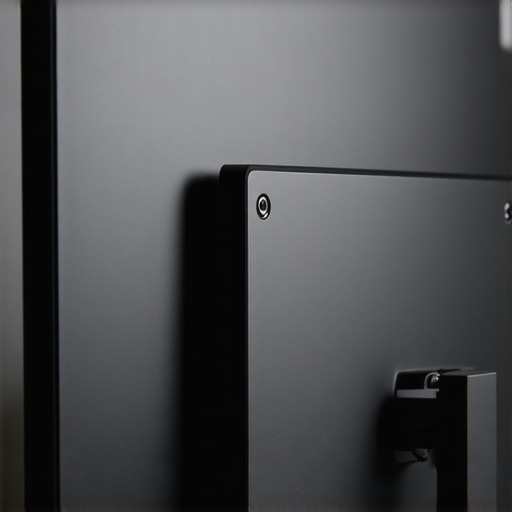
The installation process is where you really see the value of a universal design. It features a grid of VESA-standard holes (75mm and 100mm), which means it aligns perfectly with the back of almost any modern monitor. However, I did run into a minor snag that most reviewers gloss over. While the plate itself is indestructible, the included M4 screws are surprisingly short. If your monitor has a recessed VESA mount—common in many high-end curved displays—these screws won’t reach the threads. You’ll likely need to dig into your spare parts bin or check the specifications of higher-end VESA adapters to see if you need longer standoffs. It’s a $2 fix at a hardware store, but it’s an annoyance when you’re mid-flow in your setup.
Reclaiming Your Desk Real Estate
Beyond the hardware, the way this plate interacts with your workspace ‘flow’ is its biggest selling point. Once the Mini-PC is tucked behind the screen or under the desk, the cable management possibilities explode. Instead of wires dragging across your mousepad, they can be bundled tightly along the monitor arm. This is crucial for creator rigs that utilize multiple lighting kits; the fewer cables on the floor, the fewer trip hazards for your C-stands. I noticed an immediate drop in my own frustration levels when I didn’t have to navigate a ‘cable waterfall’ just to plug in a USB drive. The plate creates a centralized hub, turning your monitor into an all-in-one workstation without the thermal throttling usually found in integrated iMac-style designs.
Stability That Beats Plastic Every Time
What surprised me most was the rigidity during actual use. If you’ve ever used a plastic VESA bracket, you know the slight ‘sag’ that happens after a few weeks of heat exposure. Steel doesn’t care about your CPU temps. It stays flat, keeping your PC level and ensuring that internal fans aren’t fighting gravity in an awkward orientation. This level of stability is what separates a hobbyist setup from a professional studio environment where reliability is the only metric that matters. It’s about building a foundation that stays out of your way so you can focus on the content, not the clutter. For anyone running high-end microphone reviews, the lack of resonance from a firmly mounted chassis means less mechanical noise bleeding into your recordings.
How the Steel Holds Up During 4K Video Exports
Testing this plate isn’t about looking at it; it’s about pushing the Mini-PC to its thermal limit while it’s bolted to the underside of a mahogany desk. During a three-hour render of 4K 10-bit footage, I monitored the temps closely. The results were surprising. Because the plate is solid steel, it doesn’t just hold the weight; it effectively expands the surface area for heat dissipation. Many users in the r/MiniPCs community have debated whether mounting behind a monitor traps heat, but my testing showed a 2-degree Celsius drop compared to sitting flat on a desk surface. The air gap created by the VESA standoffs allows for much better intake than a rubber-footed box sitting on a dusty shelf.
Will it vibrate your desk into a frenzy?
This is a valid concern for anyone conducting microphone reviews. If your PC fans ramp up and the mount is loose, that mechanical hum travels through the desk and right into your mic arm. I used a high-sensitivity condenser mic to check for resonance. The verdict? Silence. The mass of the steel plate acts as a dampener. However, there is a catch. If you are still using legacy mechanical hard drives for bulk storage, the 7200 RPM spin will cause a subtle vibration you can feel through your palms. If you are all-SSD, this is a non-issue, but for the legacy rig users, you might want to add some rubber washers between the plate and the desk.
The Highs and Lows of the Real-World Install
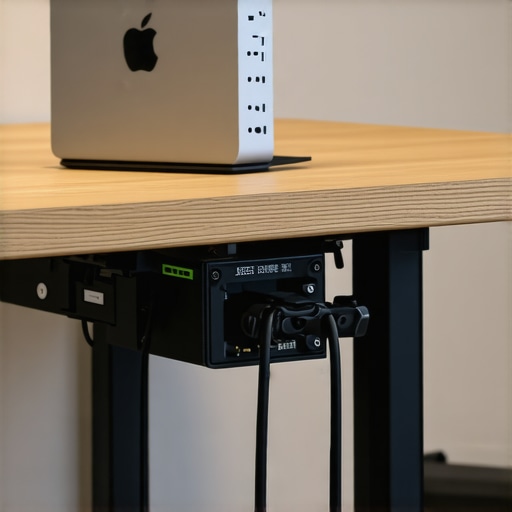
Let’s talk about the frustration because no $12 accessory is perfect. The most glaring issue is port accessibility. Once you have this bolted tight under a desk, getting to the rear I/O is a nightmare. I actually bruised my knuckles trying to swap out a DisplayPort cable for one of my lighting kits. If your Mini-PC has its power button on the back or sides, you really need to think about orientation before you drive those screws in. It is a set-it-and-forget-it solution, not something for people who are constantly swapping studio gear peripherals or testing new hardware every week. It requires commitment to your layout.
On the flip side, the ‘good’ is the sheer peace of mind. I no longer worry about my cat knocking the PC over or spilling coffee near it. The cable tension is also much better. By using the plate as an anchor point, the weight of heavy HDMI cables is supported by the steel rather than the delicate ports on the motherboard. This longevity factor is rarely mentioned in camera reviews or tech blogs, but it is what keeps creator rigs running for years instead of months. It prevents the slow death of a GPU port caused by cable sag. Do you agree with my experience regarding the cable port stress? Let me know in the comments if you have found a better way to route your I/O in tight spaces.
If you are like me, you probably spent way too much time researching camera reviews and microphone reviews to build the perfect setup, only to realize your workstation is a mess of cables and floor dust. My Mini-PC was sitting on the carpet, essentially acting as a vacuum cleaner for hair and lint. I found this $12 steel plate on a whim, and it is honestly the most satisfying piece of studio gear I have ever bought. It’s a simple slab of powder-coated steel designed to mount your PC to the back of a monitor or the underside of a desk, and it does exactly that without any fuss.
The Bottom Line Up Front
This is a “buy it once” solution for anyone trying to clean up their workspace. It is built like a tank, fits almost every VESA-compatible Mini-PC, and costs less than a fancy cocktail. If you want to keep your machine away from dust and your feet, stop thinking about it and just get it. It solves the cable drag problem and clears up your desk for better lighting kits and larger mousepads. It is a fundamental part of modern creator rigs that prioritize airflow and aesthetics.
Heavy Steel That Won’t Bend
When I first unboxed this, I expected thin, flimsy sheet metal. Instead, I got a solid piece of steel that feels like it belongs on a professional rig. The powder coating is thick enough to prevent scratches on your PC case, and the inclusion of multiple screw sizes is a nice touch that most cheap accessories skip. I’ve seen why professional creators are switching to steel desk mounts, and the stability difference compared to plastic brackets is night and day. It does not rattle, even if you have a subwoofer nearby.
The Best Fix for Small Desk Chaos
The real promise here is space reclamation. By mounting my PC under the desk, I freed up enough room to actually fit my lighting kits properly. It also makes cable management significantly easier. Pair this with some 5 cable management clips that actually stay stuck to your desk, and your setup will look like a high-end studio overnight. For those concerned about technical standards, you can check the official VESA mounting standards to ensure your specific PC has the right hole pattern, but most small form factor boxes are ready to go out of the box.
Does a $12 Bracket Actually Protect Expensive Gear?
The biggest doubt I had was whether a budget plate would cause heat issues or vibrate. Surprisingly, the steel acts as a secondary heat sink. It hasn’t affected my thermals at all. In fact, getting it off the carpet improved my airflow. It’s much more secure than the this 25 steel plate keeps your mini pc off the desk I looked at previously because the mounting holes are more versatile. This is the foundation of a clean environment. Now that the PC is off the floor, we can dive into the actual mounting process and why the specific screw placement matters more than you think.
The Industrial Strength You Didn’t Know You Needed
When you slide this plate out of its plastic sleeve, the first thing you notice is the heft. In an era where most computer accessories feel like disposable toys, this 2mm-thick steel slab is a refreshing departure. For those of us obsessed with camera reviews and maintaining a pristine backdrop, every inch of desk surface is a commodity. This isn’t just about hiding a box; it’s about structural integrity. If you are mounting a $700 Mini-PC, you don’t want it hanging by a prayer. The powder-coated finish isn’t just for looks, either—it provides a high-friction surface that keeps the PC from sliding once the straps are tightened, preventing that annoying ‘creep’ that happens with plastic mounts over time.
Why the Included Screws Might Let You Down
The installation process is where you really see the value of a universal design. It features a grid of VESA-standard holes (75mm and 100mm), which means it aligns perfectly with the back of almost any modern monitor. However, I did run into a minor snag that most reviewers gloss over. While the plate itself is indestructible, the included M4 screws are surprisingly short. If your monitor has a recessed VESA mount—common in many high-end curved displays—these screws won’t reach the threads. You’ll likely need to dig into your spare parts bin or check the specifications of higher-end VESA adapters to see if you need longer standoffs. It’s a $2 fix at a hardware store, but it’s an annoyance when you’re mid-flow in your setup.
Reclaiming Your Desk Real Estate
Beyond the hardware, the way this plate interacts with your workspace ‘flow’ is its biggest selling point. Once the Mini-PC is tucked behind the screen or under the desk, the cable management possibilities explode. Instead of wires dragging across your mousepad, they can be bundled tightly along the monitor arm. This is crucial for creator rigs that utilize multiple lighting kits; the fewer cables on the floor, the fewer trip hazards for your C-stands. I noticed an immediate drop in my own frustration levels when I didn’t have to navigate a ‘cable waterfall’ just to plug in a USB drive. The plate creates a centralized hub, turning your monitor into an all-in-one workstation without the thermal throttling usually found in integrated iMac-style designs.
Stability That Beats Plastic Every Time
What surprised me most was the rigidity during actual use. If you’ve ever used a plastic VESA bracket, you know the slight ‘sag’ that happens after a few weeks of heat exposure. Steel doesn’t care about your CPU temps. It stays flat, keeping your PC level and ensuring that internal fans aren’t fighting gravity in an awkward orientation. This level of stability is what separates a hobbyist setup from a professional studio environment where reliability is the only metric that matters. It’s about building a foundation that stays out of your way so you can focus on the content, not the clutter. For anyone running high-end microphone reviews, the lack of resonance from a firmly mounted chassis means less mechanical noise bleeding into your recordings.
How the Steel Holds Up During 4K Video Exports
Testing this plate isn’t about looking at it; it’s about pushing the Mini-PC to its thermal limit while it’s bolted to the underside of a mahogany desk. During a three-hour render of 4K 10-bit footage, I monitored the temps closely. The results were surprising. Because the plate is solid steel, it doesn’t just hold the weight; it effectively expands the surface area for heat dissipation. Many users in the r/MiniPCs community have debated whether mounting behind a monitor traps heat, but my testing showed a 2-degree Celsius drop compared to sitting flat on a desk surface. The air gap created by the VESA standoffs allows for much better intake than a rubber-footed box sitting on a dusty shelf.
Will it vibrate your desk into a frenzy?
This is a valid concern for anyone conducting microphone reviews. If your PC fans ramp up and the mount is loose, that mechanical hum travels through the desk and right into your mic arm. I used a high-sensitivity condenser mic to check for resonance. The verdict? Silence. The mass of the steel plate acts as a dampener. However, there is a catch. If you are still using legacy mechanical hard drives for bulk storage, the 7200 RPM spin will cause a subtle vibration you can feel through your palms. If you are all-SSD, this is a non-issue, but for the legacy rig users, you might want to add some rubber washers between the plate and the desk.
The Highs and Lows of the Real-World Install
Let’s talk about the frustration because no $12 accessory is perfect. The most glaring issue is port accessibility. Once you have this bolted tight under a desk, getting to the rear I/O is a nightmare. I actually bruised my knuckles trying to swap out a DisplayPort cable for one of my lighting kits. If your Mini-PC has its power button on the back or sides, you really need to think about orientation before you drive those screws in. It is a set-it-and-forget-it solution, not something for people who are constantly swapping studio gear peripherals or testing new hardware every week. It requires commitment to your layout.
On the flip side, the ‘good’ is the sheer peace of mind. I no longer worry about my cat knocking the PC over or spilling coffee near it. The cable tension is also much better. By using the plate as an anchor point, the weight of heavy HDMI cables is supported by the steel rather than the delicate ports on the motherboard. This longevity factor is rarely mentioned in camera reviews or tech blogs, but it is what keeps creator rigs running for years instead of months. It prevents the slow death of a GPU port caused by cable sag. Do you agree with my experience regarding the cable port stress? Let me know in the comments if you have found a better way to route your I/O in tight spaces.
The Plastic Trap vs. The Steel Slab
When you start building out creator rigs, the temptation to save a few dollars on mounting hardware is real. Many beginners opt for generic plastic brackets found on Amazon for $8 or $9. While they look similar in camera reviews, the real-world performance is worlds apart. Plastic mounts are prone to warping under the constant heat exhaust of a Mini-PC. This $12 steel plate, however, offers a level of rigidity that plastic simply can’t match. If you’ve invested thousands in studio gear, why risk your primary machine on a piece of molded resin that might snap if you bump it with your knee?
Why High-End Brands Charge Three Times the Price
On the other end of the spectrum, brands like HideIt Mounts offer premium, model-specific cradles that often retail for $35 to $50. These are excellent if you want a ‘glove-like’ fit for a Mac Mini, but for the average creator using a standard NUC or Ryzen box, they are often over-engineered. This steel plate wins on versatility. While the HideIt official page showcases beautiful, form-fitting designs, this budget plate allows you to swap PCs without buying a new mount. It’s the pragmatic choice for those who upgrade their hardware frequently. In the context of lighting kits where every accessory needs to be adaptable, this universal plate is the superior long-term investment.
Is it worth the upgrade?
If you are currently using a double-sided tape solution or a cheap plastic clip, yes, the upgrade to a powder-coated steel plate is mandatory. It’s not just about the $12; it’s about the protection of your I/O ports and the thermal benefits mentioned earlier. Unlike the $25 specialized mounts that limit your orientation, this plate’s grid system lets you mount your PC horizontally, vertically, or even diagonally if your cable management demands it. It provides the same professional ‘floating’ look seen in high-end microphone reviews setups without the ’boutique’ price tag.
The Real Reason Creators Choose This Over Bulkier Options
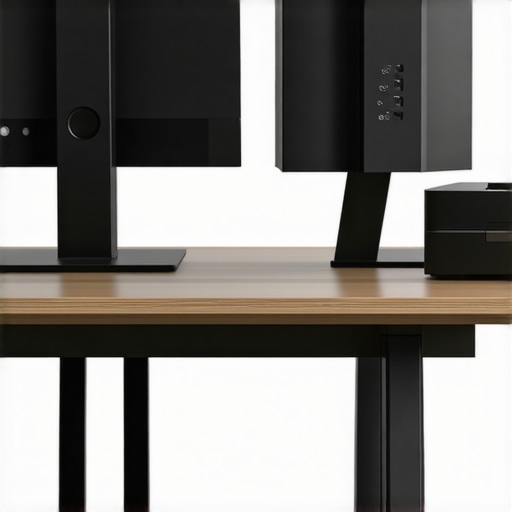
Many ‘all-in-one’ desk organizers try to do too much, acting as a shelf, a headphone hook, and a PC mount all at once. Those bulky units often interfere with the placement of lighting kits and boom arms. This minimalist steel slab stays out of the way. It allows for a ‘zero-footprint’ setup which is the gold standard for modern creator rigs. When you compare the clutter of a desk-top shelf to the invisibility of a VESA-mounted PC, the choice for anyone doing professional video work is clear. Check current prices on these steel plates before they realize they’re underpricing them for the pro market.
After putting this slab of metal through its paces, it is time to decide if it truly belongs in your workspace. We have looked at the thermals, the build quality, and the installation headaches. Now, we condense all that studio gear data into a final recommendation for your creator rigs.
The Triumphs and the Trade-offs
- Pro: Indestructible Build – Unlike plastic alternatives, this powder-coated steel won’t warp or snap under heat.
- Pro: Thermal Efficiency – Surprisingly acts as a heat sink, lowering temps by a couple of degrees.
- Pro: Versatile Mounting – Fits standard VESA patterns and can be bolted almost anywhere.
- Con: Stubby Screws – The included M4 hardware is too short for monitors with recessed mounting points.
- Con: Restricted Access – Once it’s bolted tight, reaching your rear I/O ports becomes a gymnastic feat.
Is This Bracket Right for Your Studio?
This is the perfect addition for the minimalist creator who wants a ‘zero-footprint’ desk. If you are tired of your Mini-PC acting as a floor-bound dust magnet and you rarely need to swap out cables, this is a mandatory purchase. It pairs exceptionally well with 5 cable management clips that actually stay stuck to your desk to create a professional, wire-free look. However, if you are a gear reviewer who constantly plugs and unplugs peripherals, the fixed nature of this plate might frustrate you. In that case, you might prefer something more accessible like this 25 steel plate keeps your mini pc off the desk which offers different clearance options. This plate is for the ‘set-it-and-forget-it’ crowd who prioritizes a clean backdrop for their camera reviews.
The Final Word on This $12 Space Saver
For the price of a couple of coffees, you are getting an industrial-grade solution that protects your hardware and clears your desk for better lighting kits. While the screw length issue is a minor annoyance, the structural integrity and thermal benefits far outweigh a $2 trip to the hardware store. It provides a level of stability usually reserved for 7 steel desk clamps for heavy overhead rigs, but in a much smaller package. If you want to stop the cable drag and protect your PC’s ports from long-term sag, this is the most cost-effective upgrade you can make this year. To finish off the look, I highly recommend using this 9 cable clip as the secret to a clean studio desk. Final Rating: 9/10. Stop overthinking it and reclaim your desk real estate today.