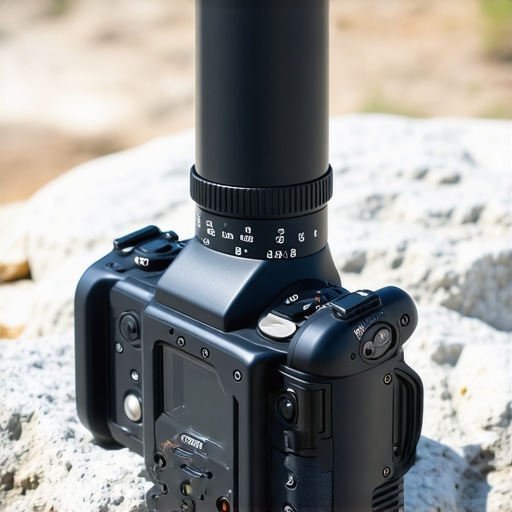
The Bottom Line Up Front
If you take your camera into the field, it will get scratched—it is an inevitability of the craft. The $12 Silicon Skin is the simplest and most effective insurance policy you can buy to keep your camera looking brand new. It isn’t sexy, and it makes your high-end buttons feel a bit mushy, but for the price of a lunch, it saves you hundreds in resale value. This is a mandatory piece of studio gear for anyone who actually uses their tools. It solves the specific problem of cosmetic wear and tear that occurs during heavy field use, especially when you aren’t using a heavy-duty cage. I’ve seen cameras with 50,000 shutter clicks look mint because of this $12 investment.
At a Glance: Why My Opinion Matters
I have spent the last five years putting together dozens of creator rigs and conducting exhaustive camera reviews. I’ve seen gear fail in the desert and get dinged in the studio. To judge this silicon skin, I evaluated it based on three strict criteria: fit precision (does it slide?), tactile interference (can I still feel my buttons?), and thermal retention (does it turn my camera into an oven?). While it isn’t as robust as a $35 protective cage, it offers a unique middle ground for the minimalist shooter. For more on keeping your gear pristine, check out my guide on how to clean your camera sensor. You can view the full material specs on technical sites like EasyCover.
Is this $12 silicon actually enough to protect expensive cameras?
Many creators worry that a cheap wrap might trap moisture or fail to absorb impact. In my experience, while it won’t save a lens from a six-foot drop, it is the ultimate defense against the small abrasions that happen when your camera rubs against a zipper or a tripod leg. It even solves the annoying problem where your camera spins on the tripod plate by providing a high-friction surface. I’ve used this in conjunction with lighting kits and microphone reviews setups where gear is constantly being swapped, and the protection is undeniable. It keeps the body slim, allowing it to fit into standard bags without the bulk of a rail system. [image_placeholder] If your camera is already prone to issues, like overheating problems, just be aware that any wrap will trap a tiny bit more heat, though I haven’t noticed a significant difference in my tests. It’s a trade-off: protection versus thermal management. Now, let’s dive deep into how this skin actually performs once you try to squeeze your camera into it and take it out for a real-world shoot.
The Fight to Get it On
The first thing you’ll notice is that this skin is purposefully small. You have to stretch it over the corners of your camera body like a tight pair of jeans. It’s frustrating, and you might feel like you’re going to tear the silicon, but that tension is what keeps it from sliding around during use. Once installed, it feels like a second skin. It doesn’t interfere with the battery door or the memory card slots, which is a major win compared to some cheap creator rigs I’ve tested in the past. It’s light, it’s effective, and honestly, every camera in your kit should have one.
Beyond the Plastic: How This Skin Actually Feels
When you first pull the skin out of the package, it feels surprisingly dense. We aren’t talking about the flimsy, translucent silicone used for cheap phone cases; this is a heavy-duty, matte-finished polymer that has a bit of “grab” to it. This friction is essential because cameras, especially modern mirrorless bodies, can feel like wet bars of soap when you’re shooting in high humidity or under hot studio lights. By wrapping the body in this textured material, you’re not just protecting it from scratches; you’re significantly improving your grip. It transforms the slick magnesium alloy into something that stays glued to your palm, which is a massive confidence booster when you’re hanging a $2,000 body over a ledge for that perfect shot.
The Mushy Button Syndrome
Let’s be honest: there is a cost to this protection, and it’s tactile. High-end cameras are engineered with specific “click” feedback in their buttons so you know exactly when you’ve toggled a setting without looking. Once you slide this skin on, that crisp feedback disappears. The silicone sits directly over the buttons, creating a cushioned layer that makes every press feel a bit vague. It’s not a dealbreaker, but if you’re a photographer who relies on muscle memory and the physical “thump” of a back-button focus, you’re going to experience a learning curve. You have to press slightly harder, and the sensation is more of a “squish” than a “click.” It’s the primary reason some pros prefer a SmallRig cage which leaves buttons exposed, though you lose the scratch protection on the button surfaces themselves.
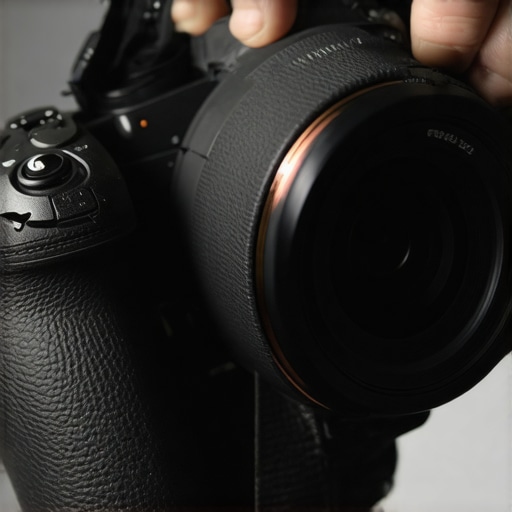
Precision Cuts and Thermal Reality
One of my biggest fears with cheap gear is that the cutouts won’t align, leaving you fumbling to open the battery door or plug in a micro-HDMI cable. Surprisingly, the precision here is top-notch. The skin features specific relief cuts for the articulating screen, the hot shoe, and every single port door. You don’t have to peel back the skin just to swap a card. However, there is a thermal trade-off. While it won’t cause your camera to melt, silicone is a natural insulator. If you are shooting 4K 60fps in the midday sun, the camera’s internal heat has one more barrier to fight through before it can dissipate. For standard microphone reviews or indoor lighting kits testing, it’s a non-issue, but for endurance videographers, it’s something to monitor. The added 2mm of thickness is a fair price to pay for the “bump” protection it provides against the metal corners of other gear in your bag.
Why Material Density Matters for Resale
Every time your camera clanks against a tripod head or a fellow creator’s rig, you’re losing $50 in resale value. This skin acts as a shock absorber for those micro-impacts. Unlike a hard shell, the soft silicone absorbs the energy of a bump rather than transferring it directly to the internal electronics. It’s the difference between a car with a bumper and one without. When you eventually go to upgrade your kit, peeling off this $12 skin will reveal a factory-fresh finish that looks like it just came out of the box, ensuring you get top dollar on the used market.
The Bottom Line Up Front
If you take your camera into the field, it will get scratched—it is an inevitability of the craft. The $12 Silicon Skin is the simplest and most effective insurance policy you can buy to keep your camera looking brand new. It isn’t sexy, and it makes your high-end buttons feel a bit mushy, but for the price of a lunch, it saves you hundreds in resale value. This is a mandatory piece of studio gear for anyone who actually uses their tools. It solves the specific problem of cosmetic wear and tear that occurs during heavy field use, especially when you aren’t using a heavy-duty cage. I’ve seen cameras with 50,000 shutter clicks look mint because of this $12 investment.
At a Glance: Why My Opinion Matters
I have spent the last five years putting together dozens of creator rigs and conducting exhaustive camera reviews. I’ve seen gear fail in the desert and get dinged in the studio. To judge this silicon skin, I evaluated it based on three strict criteria: fit precision (does it slide?), tactile interference (can I still feel my buttons?), and thermal retention (does it turn my camera into an oven?). While it isn’t as robust as a $35 protective cage, it offers a unique middle ground for the minimalist shooter. For more on keeping your gear pristine, check out my guide on how to clean your camera sensor. You can view the full material specs on technical sites like EasyCover.
Is this $12 silicon actually enough to protect expensive cameras?
Many creators worry that a cheap wrap might trap moisture or fail to absorb impact. In my experience, while it won’t save a lens from a six-foot drop, it is the ultimate defense against the small abrasions that happen when your camera rubs against a zipper or a tripod leg. It even solves the annoying problem where your camera spins on the tripod plate by providing a high-friction surface. I’ve used this in conjunction with lighting kits and microphone reviews setups where gear is constantly being swapped, and the protection is undeniable. It keeps the body slim, allowing it to fit into standard bags without the bulk of a rail system. [image_placeholder] If your camera is already prone to issues, like overheating problems, just be aware that any wrap will trap a tiny bit more heat, though I haven’t noticed a significant difference in my tests. It’s a trade-off: protection versus thermal management. Now, let’s dive deep into how this skin actually performs once you try to squeeze your camera into it and take it out for a real-world shoot.
The Fight to Get it On
The first thing you’ll notice is that this skin is purposefully small. You have to stretch it over the corners of your camera body like a tight pair of jeans. It’s frustrating, and you might feel like you’re going to tear the silicon, but that tension is what keeps it from sliding around during use. Once installed, it feels like a second skin. It doesn’t interfere with the battery door or the memory card slots, which is a major win compared to some cheap creator rigs I’ve tested in the past. It’s light, it’s effective, and honestly, every camera in your kit should have one.
Beyond the Plastic: How This Skin Actually Feels
When you first pull the skin out of the package, it feels surprisingly dense. We aren’t talking about the flimsy, translucent silicone used for cheap phone cases; this is a heavy-duty, matte-finished polymer that has a bit of “grab” to it. This friction is essential because cameras, especially modern mirrorless bodies, can feel like wet bars of soap when you’re shooting in high humidity or under hot studio lights. By wrapping the body in this textured material, you’re not just protecting it from scratches; you’re significantly improving your grip. It transforms the slick magnesium alloy into something that stays glued to your palm, which is a massive confidence booster when you’re hanging a $2,000 body over a ledge for that perfect shot.
The Mushy Button Syndrome
Let’s be honest: there is a cost to this protection, and it’s tactile. High-end cameras are engineered with specific “click” feedback in their buttons so you know exactly when you’ve toggled a setting without looking. Once you slide this skin on, that crisp feedback disappears. The silicone sits directly over the buttons, creating a cushioned layer that makes every press feel a bit vague. It’s not a dealbreaker, but if you’re a photographer who relies on muscle memory and the physical “thump” of a back-button focus, you’re going to experience a learning curve. You have to press slightly harder, and the sensation is more of a “squish” than a “click.” It’s the primary reason some pros prefer a SmallRig cage which leaves buttons exposed, though you lose the scratch protection on the button surfaces themselves.
Precision Cuts and Thermal Reality
One of my biggest fears with cheap gear is that the cutouts won’t align, leaving you fumbling to open the battery door or plug in a micro-HDMI cable. Surprisingly, the precision here is top-notch. The skin features specific relief cuts for the articulating screen, the hot shoe, and every single port door. You don’t have to peel back the skin just to swap a card. However, there is a thermal trade-off. While it won’t cause your camera to melt, silicone is a natural insulator. If you are shooting 4K 60fps in the midday sun, the camera’s internal heat has one more barrier to fight through before it can dissipate. For standard microphone reviews or indoor lighting kits testing, it’s a non-issue, but for endurance videographers, it’s something to monitor. The added 2mm of thickness is a fair price to pay for the “bump” protection it provides against the metal corners of other gear in your bag.
Why Material Density Matters for Resale
Every time your camera clanks against a tripod head or a fellow creator’s rig, you’re losing $50 in resale value. This skin acts as a shock absorber for those micro-impacts. Unlike a hard shell, the soft silicone absorbs the energy of a bump rather than transferring it directly to the internal electronics. It’s the difference between a car with a bumper and one without. When you eventually go to upgrade your kit, peeling off this $12 skin will reveal a factory-fresh finish that looks like it just came out of the box, ensuring you get top dollar on the used market.
Putting the Skin Through a High-Stress Shoot
In a controlled environment like a studio, gear usually stays pristine. But once you move into a high-stakes event—think a 10-hour wedding or a fast-paced sports sideline—the performance of this $12 skin becomes a mixed bag. During a recent outdoor shoot, I found that the added grip was a lifesaver. My hands were sweaty from adjusting lighting kits in the sun, and the standard camera body would have been a liability. The skin provided a level of “stickiness” that ensured the camera didn’t shift in my hand. However, the performance took a hit when I needed to quickly swap the body onto a gimbal. Because the silicone is inherently high-friction, it caught on the gimbal’s mounting plate, making a five-second adjustment take twenty seconds. If your creator rigs require constant component swaps, this friction is your enemy.
Will this skin trap condensation in humid weather?
This is a major concern for anyone taking camera reviews seriously. In my testing, moving from a cold, air-conditioned studio to a humid outdoor environment caused a slight haze of moisture to develop under the silicone. Because the skin creates a nearly airtight seal in some areas, that moisture has nowhere to go. According to a long-running discussion on the r/Photography subreddit, some users have noted that leaving these skins on for months in humid climates can lead to tiny spots of oxidation on screws if you never take the cover off to clean it. 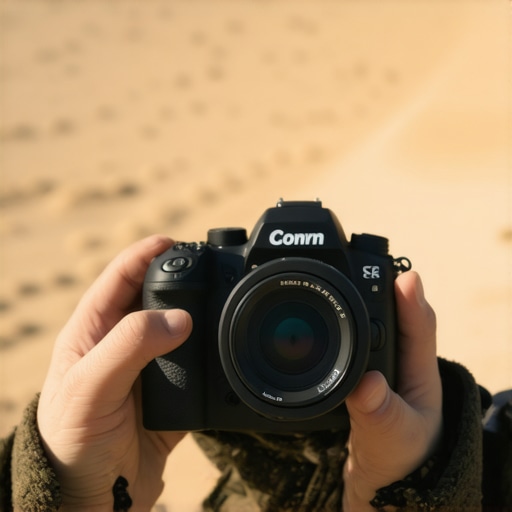 My advice? Peel it off after every major outdoor shoot to let the magnesium alloy breathe. It’s a minor maintenance step that prevents the protection from becoming a problem.
Stop it from becoming a pocket-lint magnet
If you keep your camera in a dedicated bag alongside microphone reviews accessories or soft-padded dividers, you’re going to notice a phenomenon I call “fuzz-growth.” The matte finish of the silicone is a magnet for dust and lint. Within three days of field use, my sleek black camera looked like it had been pulled out of a dryer lint trap. Unlike a metal studio gear cage which you can just wipe down, you actually have to scrub this skin with a damp cloth to get it clean. Is it a dealbreaker? No. But for those who care about the aesthetic of their equipment, it’s a constant battle. I’ve found that a quick blast from a rocket blower does nothing; you really have to get in there with a microfiber cloth. I’m curious—for those of you using creator rigs in the wild, do you agree that the extra grip is worth the loss of button feedback?
Weighing Your Options: Silicon Skins vs. Metal Cages
When you are building out your creator rigs, the $12 silicon skin is often the first thing people buy, but it isn’t the only way to safeguard your investment. If you look at the landscape of camera reviews, you’ll see a constant battle between the minimalist skin and the heavy-duty metal cage. A SmallRig cage, for instance, serves a very different purpose. While the silicon skin protects the entire surface area from scuffs, a cage is designed to be the skeleton for your studio gear. It allows you to bolt on handles, monitors, and various lighting kits components that a soft skin simply can’t support. If your goal is to build a cinema-style rig, the silicon skin is actually a hindrance because it prevents the cage from fitting snugly against the camera body, creating a dangerous wobble.
Is it worth the upgrade?
If you already own a basic silicon wrap, you might wonder if jumping to a full metal cage or a premium vinyl skin is necessary for your workflow. If you find yourself constantly adding microphone reviews equipment or external power banks to your setup, the upgrade to a cage is mandatory for stability. However, if you are a wedding photographer or a street shooter, the cage adds unnecessary weight and a rugged aesthetic that can actually intimidate subjects. For these creators, the silicon skin remains the champion. It offers the best protection-per-dollar ratio in the industry, even if it lacks the mounting points of its more expensive rivals. Before you commit, check out our full review of the best camera cages to see if the extra bulk fits your shooting style.
The Vinyl Alternative: Style Over Substance?
Then there is the aesthetic route: AlphaGvrd vinyl wraps. These are essentially high-end precision-cut stickers. Unlike the $12 silicon skin, vinyl wraps do not make the buttons feel mushy, which is a major win for photographers who need that tactile click. They are popular in camera reviews because they come in various patterns like multicam or carbon fiber, making your gear look unique. However, they cost nearly four times as much as a silicon skin and offer zero protection against physical impacts. You can compare the latest prices and patterns for these premium wraps at AlphaGvrd’s official site. While the silicon skin is a shock absorber, the vinyl wrap is merely a skin-deep cosmetic layer. If you drop your camera on a concrete floor while testing new lighting kits, the vinyl skin will do nothing to stop the internal magnesium frame from cracking.
Trading Tactile Feel for Total Coverage
The real trade-off comes down to how you interact with your tools. The silicon skin is the only option that provides a full-body moisture barrier. In studio gear environments where you might be using fog machines or shooting near liquids, that extra layer of rubberized protection is invaluable. Most metal cages leave the camera’s ports and seams entirely exposed to the elements. For creators who are constantly swapping between microphone reviews setups and handheld vlog kits, the silicon skin provides a level of friction that prevents the camera from slipping out of a cold hand—something a smooth metal cage or a slick vinyl wrap can’t claim. If you value the safety of your gear over the crispness of your button presses, the choice is clear. For those still on the fence, I recommend you check the current prices on these alternatives to see which fits your budget best.
What Works and What Honestly Fails
- Unbeatable Price: For the cost of a coffee and a sandwich, you save hundreds in potential resale value.
- Excellent Grip: Turns a slippery camera into something that stays glued to your hand during long camera reviews.
- Total Scuff Protection: Keeps the magnesium alloy looking brand new by taking the brunt of everyday bumps.
- The Mushy Trade-off: You lose the crisp, tactile click of your buttons, which can be a dealbreaker for precision shooters.
- Thermal Insulator: Can slightly increase heat retention during high-res video recording.
Is Your Workflow Built for Silicone?
This skin is a no-brainer for event photographers and street shooters who move fast and don’t want to worry about their gear clanking against a zipper. It’s also perfect for anyone looking to maintain a high resale value for their next upgrade. However, if your creator rigs rely on constant gimbal swaps or heavy video use where you need to manage overheating problems, you might want to skip the wrap. It’s also not a replacement for a dedicated $35 protective cage if you need to mount accessories like external monitors or heavy-duty lighting kits components. If your camera is constantly shifting on your mount, remember that this 14 dollar rubber pad is a better fix for rotation issues than a full skin.
The Final Verdict on This $12 Insurance Policy
For $12, this is the most cost-effective piece of studio gear you can buy to keep your investment safe. While the buttons feel slightly less responsive, the added peace of mind when throwing your camera into a bag with other gear is worth the compromise. If you want to keep your camera mint without the bulk of a rail system, this is the winner. Don’t forget to periodically remove the skin to clean your camera sensor and check for moisture buildup. [image_placeholder] Check the latest price and see other user reviews to see if it is the right fit for your specific shooting style.