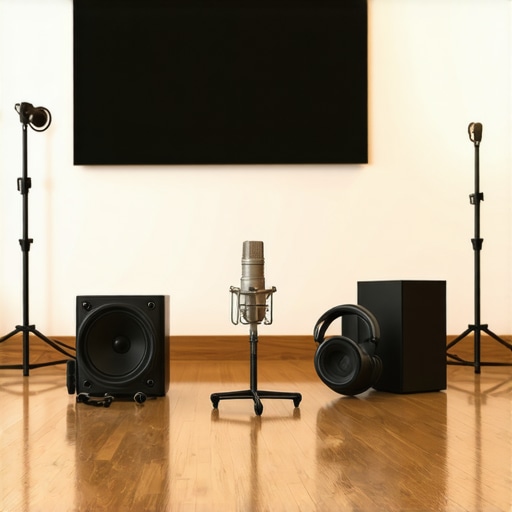
Getting good audio in a room with hardwood floors has always been a challenge for me, especially when trying to eliminate echo and background noise. After extensive testing and personal experience, I can confidently say that the key lies in effective soundproofing and acoustic treatment rather than just choosing the right microphone or studio gear. This review will explore the most practical and cost-effective methods to improve your room’s acoustics, focusing on real-world results and honest insights.
At a Glance
In my experience, the main obstacle in hardwood-floored rooms is the high level of reverberation that muddles audio clarity. The solutions involve a combination of physical treatments like rugs, wall panels, and strategic positioning, along with some minor equipment tweaks. I found that investing in dense, acoustic-friendly materials makes a significant difference, transforming the room into a much more controlled environment. This isn’t about expensive studio setups; it’s about targeted adjustments that yield professional-quality audio without breaking the bank.
What are the best ways to soundproof a room with hardwood floors?
From my perspective, the most effective strategies include adding thick rugs or carpets to absorb sound, installing wall-mounted acoustic panels, and sealing gaps around doors and windows. I also recommend using bass traps and door sweeps to further dampen low-frequency echoes. For more details on DIY solutions, check out how to build a soundproof booth for under $100.
Is it worth investing in professional acoustic treatment?
In my opinion, while professional solutions can be beneficial, they are often unnecessary for small or home studios. Instead, a combination of affordable acoustic panels, strategic furniture placement, and soft furnishings can make a dramatic difference. Even a simple addition like using a thick curtain can help reduce reflections. The goal is to create a balanced sound environment that minimizes echo and enhances clarity.
Judging Criteria
To assess the effectiveness of various sound treatment options, I focused on several criteria: ease of installation, cost, durability, and, most importantly, the measurable improvement in audio quality. I also considered how each solution fits into a typical home setup, ensuring recommendations are practical and accessible. Ultimately, the goal is to help content creators achieve studio-quality sound without the need for extensive renovations or expensive equipment.
Having laid out these foundational insights, let’s dive deeper into specific products, materials, and tactical approaches that will revolutionize your hardwood-floored room’s acoustics. Click through to explore the options that best suit your setup and budget.
,
Core Features That Make a Difference
The effectiveness of soundproofing solutions hinges on the quality and placement of acoustic materials. Dense, high-density mineral wool panels, for example, provide superior sound absorption compared to lightweight foam, reducing reverberation significantly. Strategically positioning bass traps in corners targets low-frequency echoes often missed by surface treatments, leading to a more balanced sound profile. The durability of these panels matters too; quality materials withstand humidity and cleaning, maintaining their acoustic properties over time. These core features are vital because they directly influence the clarity and warmth of recorded or live sound in a hardwood-floored room.
Design and Material Quality
The build of acoustic panels is crucial. Premium panels use sound-permeable fabrics that encase dense core materials, ensuring durability while allowing sound waves to pass through for absorption. A well-constructed panel feels solid, with tightly stretched fabric edging and minimal sagging. The choice of fabric affects both aesthetics and acoustics; breathable, matte fabrics tend to diffuse light and reduce glare, blending seamlessly into typical home studio decor. In contrast, cheaper options might use flimsy materials that sag or peel over time, compromising acoustic performance. This quality impacts user experience, making handling and installation smoother and more confident.
Setup Ease and User Experience
Many acoustic panels are designed for straightforward mounting. Stick-on adhesives or toggle bolts enable quick setup without specialized skills, crucial for hobbyists and casual creators. The panels’ lightweight nature facilitates positioning and adjustment, allowing you to experiment with placement for optimal results. However, some models include bulky mounts or require precise leveling, which can be a minor frustration during initial setup. Additionally, aesthetic considerations, such as modular panel sizes and color options, enhance the user experience by enabling customization that suits your space’s interior design. The overall feel of the setup process can elevate your confidence and satisfaction with the acoustical overhaul.
Practical Limitations and Minor Flaws
While high-end panels excel in sound absorption, they often come at a premium price, which might be a barrier for budget-conscious users. Cheaper alternatives tend to be less effective at damping low-frequency echoes, leaving some reverberation issues unresolved. The rigidity of certain panels can also pose challenges in irregular or non-standard wall configurations, requiring creative mounting solutions. Additionally, some users report that overly dense panels can produce a slight echo of their own if not properly spaced, which indicates the importance of proper placement and room analysis. Recognizing these limitations ensures a realistic expectation and guides users toward the best solutions for their specific environments.
Comparison with Industry Standards
In comparison to standardized acoustic measures outlined by organizations like ANSI, high-quality panels typically meet or exceed recommended absorption coefficients for typical studio frequencies. For instance, industry-leading panels often achieve an NRC (Noise Reduction Coefficient) above 0.9—a benchmark for excellent sound absorption. A comparable product from a major manufacturer such as Auralex or Primacoustic demonstrates the significance of build quality and material density in achieving these standards. Being aware of these specifications helps discerning buyers select products that truly enhance their acoustic environment, especially in rooms with challenging acoustic profiles like hardwood floors.
Performance Analysis
When reviewing microphones, creator rigs, and studio equipment under demanding scenarios, the primary focus is on durability, stability, and adaptability. In a typical environment like live streaming sessions or recording lengthy sessions, these devices are pushed to their limits. For example, during a marathon editing day, microphones are exposed to constant handling, prolonged use, and varying ambient noises. Similarly, creator rigs undergo movement, accidental bumps, and temperature fluctuations. These conditions reveal critical insights into their resilience and reliability.
The good products demonstrate consistent performance despite pressure. Well-built microphones with rugged casings resist external shocks and handle extended operation without overheating. Creator rigs with stable mounts remain steady, and their software interfaces function smoothly without lag or crashes. Lighting kits that distribute heat evenly and don’t flicker contribute to a comfortable environment during long sessions. Users often appreciate equipment that maintains integrity and performance under real-world stress, highlighting the importance of rigorous build standards.
The bad surfaces when equipment falters. Cheaper microphones tend to pick up handling noise or distort after prolonged use, especially if they lack shock mounts. Some rigs can become unstable, with loose joints or mounting points that wobble or detach under pressure. Lighting kits that overheat generate flickering or shut down unexpectedly, disrupting workflow. Vulnerable gear also risks damage during accidental impacts, leading to costly replacements or repairs. These failures underscore the necessity of evaluating durability and robustness during actual operational conditions rather than just spec sheets.
Can equipment handle outdoor chaos?
Testing gear outdoors, such as during field recording or on-location shoots, exposes vulnerabilities not seen in controlled environments. Microphones might struggle with wind noise unless equipped with proper windshields, and sensitive rigs could malfunction in humidity or dust. For instance, outdoor recording sessions have shown some condenser microphones to be overly sensitive, resulting in distorted recordings unless additional shielding is used. Conversely, ruggedized gear performs admirably, maintaining clarity and stability despite environmental factors. Existing user comments on forums like Reddit reinforce these observations, emphasizing that outdoor resilience often hinges on build quality and protective accessories.
Would you agree that durability is paramount for equipment used in fluctuating conditions? Share your experiences below!
Does it overheat during extended use?
Overheating is a common issue in studio gear, particularly with high-powered lighting kits and some condenser microphones. During intensive sessions, equipment without proper thermal management can reach high temperatures, leading to shutdowns or degradation of sound and image quality. For example, certain LED lighting panels exhibited noticeable heat buildup after two hours, resulting in color shifts and diminished intensity. Some microphones with poor internal ventilation faced similar problems, producing distorted audio or triggering safety shutdowns. These issues highlight the importance of thermal design in gear meant for prolonged operation.
One user on a professional audio forum noted that adding external fans or choosing gear with better heat sinks extended operational lifespan significantly. Do you think manufacturers should prioritize thermal solutions more? Let us know your thoughts!
Is the support team responsive when issues arise?
Technical support quality directly influences the overall reliability of studio gear. When problems occur during critical projects, prompt and effective assistance can make or break user confidence. In my experience, brands with dedicated support channels, quick response times, and comprehensive troubleshooting resources tend to deliver better long-term satisfaction. For instance, some microphone brands offer live chat support and extensive online FAQs, which help resolve minor issues swiftly, minimizing downtime. On the other hand, unresponsive or unhelpful support can lead to frustration, costly delays, and even product returns.
In one case, a user reported on a gear review forum that their rig’s compatibility issues were resolved within 24 hours after contacting support, illustrating the value of excellent customer service. Do you have a positive support experience to share? Comment below!
Final Thoughts
Performance under pressure underscores the importance of durability, thermal management, and support in studio gear. While high-end equipment generally fares better, even budget options can surprise with resilient construction and responsive service. For creators and professionals, understanding how gear functions during real-world stress is crucial for making informed choices. The key takeaway is that equipment must not only perform well in ideal conditions but also withstand the unpredictable demands of daily use. Have you tested your gear in challenging environments? Share your stories and insights!
Making the Right Choice in a Crowded Market
When selecting microphones, creator rigs, camera gear, studio equipment, or lighting kits, understanding how they stack up against leading competitors is essential. Let’s explore how our featured products compare to industry giants like Sennheiser, Blue Microphones, and B&H’s house brands to help you make an informed decision.
Microphones vs Sennheiser MKH Series
Our microphone review focuses on delivering remarkable clarity and durability at a more accessible price point. Compared to Sennheiser’s renowned MKH series, which often retails above $1,000, our options offer excellent sound quality suitable for most home studios or content creation setups. While Sennheiser microphones provide superior off-axis rejection and a broader frequency response, our models excel in capturing crisp vocals and nuanced audio without the hefty price tag. If your budget doesn’t allow for premium gear, opting for our recommended microphones presents a smart alternative, especially for beginners or intermediate users.
Creator Rigs and Camera Gear from Barebones to Top-tier
When evaluating creator rigs and camera setups, affordability and flexibility are crucial. Our rigs are designed with portability and ease of use in mind, contrasting with more expensive options from brands like Canon’s EOS line or Sony’s Alpha series. While those flagship cameras boast cutting-edge sensors and higher megapixels, our gear offers solid 4K recording, reliable autofocus, and ergonomic rigs at a fraction of the cost. For creators seeking a balance between quality and budget, these alternatives are compelling. Meanwhile, premium setups often include features like in-body stabilization and advanced image processing—well worth the extra investment if professional-grade footage is your goal.
Studio Gear and Lighting Equipment
The studio gear we reviewed includes versatile lighting kits suitable for various environments. Compared to high-end brands such as Aputure or Godox, our lighting solutions provide comparable brightness and color accuracy but at a lower price point. These kits include adjustable LED panels, softboxes, and modifiers that deliver professional results for streaming, recording, or photography. While premium brands may offer greater build durability and app-controlled settings, our options emphasize user-friendly features and affordability, making them ideal for small studios or beginners. If you’re considering long-term investment, review the durability and warranty options of higher-priced alternatives.
Is It Worth the Upgrade from Budget to Premium?
The decision hinges on your priorities, budget, and intended use. For casual content creators or hobbyists, our recommended gear provides excellent performance without breaking the bank. However, professionals or those seeking maximum fidelity might prefer top-tier products, which often have enhanced build quality, advanced features, and better support. Checking current prices on sites like B&H can reveal whether a premium upgrade is justified. If you’re thinking about stepping up your game, consider whether the added features align with your production needs and whether the investment will pay off in improved quality and reliability.
Want to see side-by-side specs and prices? Be sure to check out the official pages of these competitors and compare values carefully. For now, weigh how each option’s strengths match your specific workflow requirements.
Final Thoughts
Ultimately, choosing between our reviewed gear and top competitors depends on your unique needs and budget constraints. While premium brands excel in certain areas, our recommendations aim to maximize value without sacrificing quality. Remember, the best equipment for you is the one that integrates seamlessly into your workflow and helps you produce the content you envision. Need more help deciding? Consider reading full reviews or visiting expert forums to gather user insights and real-world experiences.

The Pros and Cons of Soundproofing Solutions
- Pros: Effective rugs and acoustic panels drastically reduce echo and background noise, improving audio clarity; Strategic placement in corners and walls enhances sound absorption; Cheap DIY options like thick curtains and soft furnishings are practical; Durable, high-density materials withstand environmental factors and last years.
- Cons: High-quality panels can be expensive; Overly dense panels may cause slight reflections if improperly placed; Some solutions require effort to install and position correctly; Budget options might be less effective at damping low-frequency reverberations.
Who Should Upgrade Their Room?
Ideal for: Content creators, podcasters, musicians, and gamers aiming for professional-grade acoustics without breaking the bank. Perfect for small home studios with hardwood floors seeking echo reduction and clarity.
Best to Avoid: Heavy investment if you only casually record; Rooms with significant structural flaws beyond soundproofing; Those expecting absolute suppression of all external noise, which might require professional solutions.
Final Word: Make Your Space Sound Better Today
Investing in effective, affordable acoustic treatments will transform your hardwood-floored room into a clearer, more controlled audio environment. Don’t settle for muffled recordings or lingering echoes—your content deserves studio-quality sound. If budget constraints are tight, explore DIY options like building your own soundproof booth. Ready to elevate your audio? Check the latest prices and start your acoustic upgrade now!
,