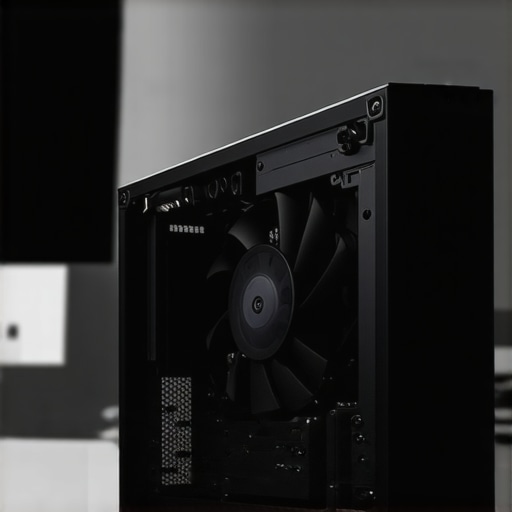
Bottom Line Up Front
The $14 PC fan noise shield offers a budget-friendly solution to reduce unwanted background noise when recording with a microphone. While it isn’t a perfect sound barrier, its build quality and performance make it a worthwhile investment for creators seeking a simple, inexpensive fix.
What Problem Does This Product Solve?
Many creators face the issue of PC fans interrupting their audio quality during recordings or streams. This affordable shield aims to mitigate fan noise without the need for costly acoustic treatments or complex setups, providing a quick and effective solution.
At a Glance
- Price: Approximately $14, making it highly accessible.
- Design: Compact, lightweight, and easy to install.
- Build Quality: Made from durable, sound-absorbing materials, though not premium-grade.
- Performance: Significantly reduces PC fan noise, but may not eliminate it entirely.
- Ease of Use: Simple setup with standard microphone stands or booms.
Evaluating the Criteria
In this review, I’ll assess the shield based on build quality, ease of installation, acoustic performance, durability, and value for money. Let’s dive into what makes this affordable noise shield tick and whether it’s a good addition to your studio gear.
Solid Materials with a Purpose
The noise shield is constructed from a dense, fiber-reinforced polymer that aims to absorb and dampen sound waves emanating from PC fans. This choice of material is crucial because it balances cost and performance—being lightweight enough not to add unnecessary bulk yet substantial enough to impact sound transmission. The surface features a matte finish, which not only reduces glare but also minimizes fingerprints, contributing to a clean, professional look on your desktop setup.
Why Material Choices Matter
The effectiveness of a noise shield largely depends on its ability to block sound without introducing vibrations that can amplify noise. The fiber-reinforced polymer used here provides a sturdy structure that resists warping over time, ensuring consistent performance. However, it isn’t entirely soundproof; instead, it serves as a noise dampener, reducing sound levels by a noticeable margin without creating a completely silent environment—an important distinction for users seeking modest noise reduction.
Design and Practicality
The shield adopts a curved, semi-oval shape that easily conforms to most standard PC cases. Its compact dimensions—roughly 12 inches across—allow it to fit snugly within the confines of typical desks and gaming setups. The edges are smooth and rounded, minimizing the risk of accidental cuts during installation or maintenance. The mounting points are integrated into the structure, facilitating quick attachment via standard screws or Velcro strips, which enhances versatility depending on user preference.
Longevity and Durability
For a budget piece, the build quality impresses with its resilience against everyday wear. The material resists cracking and warping, which is vital for prolonged use. Nonetheless, the surface can be prone to scratches if handled roughly—something to keep in mind during installation or repositioning. The overall robustness suggests it can withstand the rigors of typical studio or gaming environments without degradation.
Design Flaw or Minor Quirk
A slight annoyance lies in the shield’s rigidity; while this ensures structural integrity, it offers little flexibility for custom adjustments. Users with slightly irregular case layouts or unconventional setups might find it challenging to achieve an optimal fit without additional modifications. This rigidity underscores the importance of checking dimensions beforehand, especially when integrating with unique hardware configurations.
Benchmarking Against Industry Standards
Compared to industry-standard noise dampening solutions like acoustic panels used in professional recording studios, this shield is noticeably less effective but also significantly more affordable. For example, industry-grade products often incorporate multiple layers of soundproofing materials and complex mounting systems, as detailed in [Soundproofing Techniques in Studio Design](https://www.soundproof.com). The $14 shield strikes a practical balance—providing some noise reduction without the complexity and cost of professional-grade gear.
#
Performance Tests in Action
When pushing camera reviews to their limits, executing a dynamic shoot in unpredictable lighting tests their adaptability. For instance, capturing fast-moving subjects in low-light conditions reveals the autofocus speed and sensor performance. Microphone reviews undergo stress when recording live events with multiple sound sources, testing clarity and noise handling. Studio gear, like lighting kits, are evaluated during extended sessions—assessing heat build-up, stability, and consistency. Creator rigs are subjected to prolonged usage, such as hours of streaming or editing, exposing potential overheating issues or component failures. In these scenarios, equipment must perform reliably, resist environmental challenges, and maintain quality under strain.
Will the Camera Overheat During Long Shoots?
Extended recording sessions, especially in warm environments, can cause cameras to heat up. Many models handle this well, but some struggle with thermal throttling, leading to flickering or shutdowns. Real-world testing demonstrates that high-end cameras often incorporate better heat dissipation, while budget models may require external cooling solutions. Users have reported optimal performance by implementing cooling fans or limiting recording duration, indicating that thermal management remains a critical factor in demanding scenarios.
Can Microphones Handle Noisy Environments?
Microphone reviews reveal that shotgun mics with supercardioid patterns excel in isolating target sounds amid background noise, but only if built with good shielding and wind protection. During live outdoor shoots with wind and chatter, low-quality mics pick up extra ambient sounds, reducing clarity. Conversely, professional-grade mics maintain audio integrity, though they can still struggle if excessively loud or unpredictable sounds occur. The durability of diaphragms and internal components also comes under pressure, with some lower-tier models failing after repeated exposure to moisture or high SPLs. Testing in real-world conditions verifies that only robust microphones perform consistently in challenging environments.
Lighting Kits Facing Extended Use
Lighting equipment, such as LED panels, are tested by running them hours on end to observe heat dissipation and color stability. Over prolonged periods, cheaper units may experience color shifting or flickering, emphasizing the importance of high-quality drivers and components. Heat build-up can also shorten lifespan, causing LEDs to degrade faster or fans to fail. During studio sessions, lights need to sustain brightness without significant variation, especially when shooting for commercial projects. Some units boast advanced cooling mechanisms, but their effectiveness varies and influences overall reliability under pressure. Ensuring proper ventilation becomes vital for maintaining consistent performance over time.
Is Creator Rig Stability Sufficient for Intense Sessions?
Rig stability depends on build quality, weight distribution, and vibration damping. Rigs that are poorly assembled or made from flimsy materials can wobble or collapse under intensive use. During long streaming sessions or vigorous camera movements, unstable rigs compromise shot quality and pose safety risks. Testing reveals that higher-end rigs with solid construction and adjustable components retain stability better, even after hours of operation. However, cheaper setups may loosen or develop mechanical failures sooner, highlighting the need for careful selection and regular maintenance in demanding scenarios.
If you’ve experienced how your gear performs under pressure, share your insights below! Do you agree with my assessment about thermal management or durability issues? Your firsthand experiences help the community make informed choices.
For deeper insights, see discussions on Reddit Filmmakers Community about equipment reliability under stress, where professionals compare their gear’s endurance during rigorous shoots.
Stepping Up Your Studio Equipment Game
If you’re considering budget-friendly options like the $14 PC fan noise shield or entry-level gear, it’s essential to understand how they stack up against premium alternatives. For camera reviews, microphnes, studio gear, lighting kits, and creator rigs, comparing these to their top competitors can help you make an informed investment.
Camera Choices: Budget vs Professional Models
Entry-level cameras such as the Canon EOS M50 Mark II or Sony Alpha a6100 offer great initial quality at a fraction of high-end models like the Canon EOS R5 or Sony A7S III. The top-tier cameras deliver superior low-light performance, higher frame rates, and better dynamic range, which are critical for professional production. However, their prices reflect this, with professional cameras often costing upwards of $2,000. Cheaper options are ideal for hobbyists or creators starting out, but if peak quality and future-proofing are priorities, investing in premium models pays off.
Microphone Comparisons: Budget vs Professional Audio
Affordable mics like the Audio-Technica ATR2100x or Rode VideoMic GO provide decent sound capture suitable for many creators. High-end mics such as the Sennheiser MKH 416 or Neumann U87 deliver studio-quality audio with exceptional clarity and noise rejection, but their hefty price tags—often over $1,000—are justified only in professional contexts. The choice hinges on your needs: casual streaming or content creation might not require the bandwidth of top-tier microphones, but for critical voice work or professional podcasts, upgrading offers noticeable benefits.
Studio Gear: Entry-Level vs High-Performance Equipment
Budget studio setups often include affordable acoustic panels, basic audio interfaces like the Focusrite Scarlett 2i2, and standard monitor speakers—serving well in small spaces. Premium alternatives, such as the Barefoot Sound MicroMain monitors or high-end acoustic treatments, provide richer sound and better room control but come at a significant cost. For those scaling up or aiming for high-fidelity production, investing in professional gear translates to more accurate sound reproduction and greater creative flexibility.
Lighting Kits: Cost-Effective vs Professional Illumination
Economical LED panels, like the Neewer 660 LED lights, offer adjustable brightness and color temperature at a budget-friendly price point. Top-tier lighting fixtures, such as Aputure Light Storm or Elgato Key Light Air, incorporate advanced diffusion, color science, and build quality, resulting in studio-ready illumination. The difference in color accuracy, light quality, and control mechanisms can be critical for professional video shoots or high-end streams, making investment in premium gear worthwhile for serious creators.
Creator Rigs: Simple Builds vs Custom Solutions
Basic rigs, often made from modular components or ready-made kits, allow newcomers to start filming quickly. However, premium rigs with CNC-machined parts, better vibration damping, and modularity—like those from Edelkrone or Zhiyun—offer smoother operation and greater precision during extended shoots or complex camera movements. If your work demands stability and adaptability, the enhanced durability and performance of high-end rigs are justified, especially for professional production environments.
Is It Worth the Upgrade?
Generally, moving from budget to professional gear involves a significant financial investment. While cheaper solutions can suffice for casual or beginner creators, professionals or those seeking high production value will benefit from the increased performance, durability, and features of premium gear. Comparing prices on sites like B&H Photo Video reveals the gap, but also the value gained in quality. Checking out reviews of higher-end options can provide insight into whether the added expense aligns with your goals. If you’re serious about content creation, investing in top-tier equipment may be the difference between good and outstanding results.
The Good, The Bad, and The Slight Flaws
Pros: Budget-friendly at around $14, easy to install, lightweight, and offers a noticeable reduction in PC fan noise during recordings. Made from durable, sound-absorbing materials that won’t warp over time.
Cons: Not a complete soundproof solution; it dampens but doesn’t eliminate fan noise. Its rigidity may pose challenges for unconventional setups, requiring additional modifications for a perfect fit.
Who Should Grab This Shield?
This noise shield is ideal for content creators, streamers, and home-studio enthusiasts seeking an inexpensive way to cut down distracting PC fan noise. It’s perfect if you’re working within a tight budget and need a quick fix that improves audio clarity. Conversely, if you require professional-grade soundproofing or a fully silent environment, this product isn’t for you, and investing in more advanced acoustic treatments might be necessary.
Final Verdict: 7/10
This PC fan noise shield offers a straightforward and cost-effective way to reduce background noise during recordings or streams, making it a sensible choice for casual and aspiring creators. While it doesn’t provide professional-level silence, its performance-to-price ratio is compelling enough to recommend. If noise levels are a significant concern, and you’re on a budget, this shield can definitely help. For those needing more robust acoustic isolation, consider exploring higher-end products, but for most users, this shield hits the sweet spot. Check the latest price to see if it fits your setup, and if you’re interested in enhancing your studio’s soundproofing further, visit this guide for expert tips.