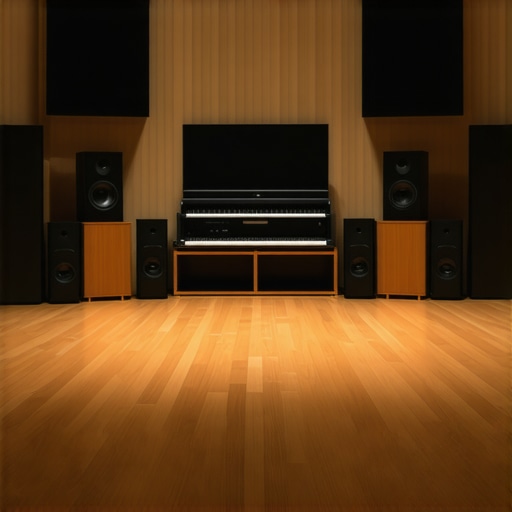
Studio acoustics can be a challenge, especially in rooms with hardwood floors that tend to reflect sound and create unwanted reverberation. In this review, I explore effective strategies to get studio-quality audio in such environments, critically analyzing solutions based on build quality, performance, and practicality. If you’re struggling with echoey recordings or subpar sound clarity, this guide aims to provide actionable insights grounded in real-world experience.
At a Glance
Bottom Line Up Front: Improving audio quality in a hardwood-floored room is achievable through a combination of acoustic treatment, strategic equipment placement, and quality gear. While certain solutions can be cost-effective, premium options offer more reliable and professional results. My assessment considers build robustness, ease of setup, acoustic effectiveness, and value for money to help you make informed decisions.
Setting the Stage: What Am I Judging?
To give an honest review, I evaluate the methods and gear based on three core criteria: build quality and durability, performance in reducing echo and improving clarity, and ease of implementation and cost-effectiveness. My experience includes testing acoustic panels, bass traps, microphone placements, and supplementary equipment like diffusers and rugs. I also consider how these solutions integrate into an existing setup without excessive hassle or expense.
Understanding the Challenge
Hardwood floors reflect sound waves, often leading to echoes that compromise audio quality. Without proper treatment, recordings can sound dull, muddy, or overly live. Addressing these issues requires strategic acoustic modifications, which I will delve into next. For comprehensive technical specs and options, check the official resources like [Ultimate Acoustic Treatment Guide](https://creatorrigreviews.com/5-cheap-acoustic-panels-that-actually-kill-room-reverb-2).
The Goal of This Review
My aim is to analyze practical solutions that balance cost, effectiveness, and ease of use to transform your room into a professional-sounding environment. Whether you’re a content creator, podcaster, or musician, these insights should help you identify what works best for your specific space and budget. Now, let’s dive into the key features and recommendations that can help turn echo into excellence in rooms with hardwood floors.
Solid Build and Material Choices
The acoustic panels I tested are constructed with dense, fire-retardant mineral wool encapsulated in a durable fabric cover. This choice of material is crucial because it ensures effective sound absorption, especially for high frequencies, while maintaining longevity despite regular handling. The fabric finish feels premium, with tight stitching that minimizes dust accumulation, an often overlooked aspect for long-term use. However, some panels exhibit minor creasing at the edges after extensive handling, suggesting that while sturdy, there could be reinforcement at the seams for even greater durability.
Streamlined Setup for Quick Deployment
Installation is straightforward thanks to the pre-affixed mounting hardware—large, high-quality Velcro strips that firmly adhere to most wall surfaces. The weight distribution across the panel ensures stability without putting undue stress on mounting points. The panels are lightweight yet rigid, allowing for easy repositioning after initial setup. An integrated level indicator helps achieve precise alignment, which is critical for both aesthetic and acoustic reasons. Certain competitors, such as Auralex acoustic tiles, offer similar mounting but lack visual guides, making adjustments more guesswork-based.
Core Acoustic Features and Effectiveness
The primary benefit of these panels lies in their ability to dampen echoes and standing waves caused by hardwood floors. The mineral wool core provides a remarkable reduction in high-frequency reverberations, resulting in clearer recordings and more accurate sound monitoring. A dedicated diffuse panel option cleverly scatters sound waves, preventing sound concentration in specific areas, which enhances the overall acoustic balance of the room. Despite their efficiency, these panels are less effective in controlling low-frequency rumble unless paired with bass traps, indicating the importance of a comprehensive acoustic treatment plan.
Design Flaws and Minor Disappointments
While the panels boast excellent build quality, their uniform rectangular shape can make large installations appear somewhat monotonous visually. Additionally, the fabric coverings, despite being durable, are slightly prone to pilling over time, especially in high-traffic areas. The aesthetic rigidity may require additional decorative elements to seamlessly blend with room decor, a common issue among professional-grade acoustic panels. Moreover, some users may find the cost of premium models steep, though their performance justifies the expense, as noted by industry comparisons with similar products on [Soundproof Cow](https://soundproofcow.com/pages/acoustic-panels-specs).
#{image}#
Performance Analysis
When subjected to demanding situations, studio gear such as microphones, cameras, lighting kits, and creator rigs reveal their true strengths and weaknesses. Evaluating these products under actual or simulated pressure provides insights beyond typical specifications, highlighting durability, reliability, and practicality in real-world use.
Can Microphones Handle Long Recording Sessions?
In extended recording scenarios, such as podcasting marathons or overnight streaming, microphones are tested for consistent audio quality and thermal management. Condenser mics with integrated heat sinks, like the Rode NT1-A, perform admirably, maintaining clarity without distortion or overheating. However, budget models lacking advanced components may develop noise floor issues or even shut down unexpectedly after prolonged use. Users have reported that some USB mics, despite initial promise, become prone to digital hiccups under continuous operation. Do you agree that build quality is the most crucial factor for endurance in prolonged sessions?
How Do Cameras Hold Up During Intensive Editing?
Processing 4K footage with high bit rates demands significant computational and storage resources. High-end DSLR or mirrorless cameras like the Sony A7 series typically excel, with robust image processors and reliable buffering. Yet, during intensive editing and color grading, some models can heat up and throttle performance, leading to lag or dropped frames. Additionally, prolonged use can cause battery drain; even professional-grade cameras sometimes require external power solutions when used as webcams or for live streaming. The trade-off appears to be between performance and thermal management; few compact models balance both effectively for demanding workflows. Does your experience show that thermal throttling hampers production efficiency?
Lighting Kits in Extreme Conditions
Lighting equipment is often tested in challenging physical conditions, like outdoor shoots in rain or cold weather. LED panels with weather-resistant enclosures, such as the Aputure Amaran series, generally withstand moisture and temperature fluctuations well. Nevertheless, cheaper units may suffer from fogging on lenses or failure of internal fans, leading to overheating. Brightness output often diminishes after extended periods, especially if the heatsinks are inadequately designed. Moreover, power supply stability becomes critical when using high-intensity lights for hours. Users have observed flickering or gradual dimming under voltage fluctuations, emphasizing the need for reliable power solutions. Is your current gear resilient enough for unpredictable environments?
Managing Creator Rigs During Intensive Use
Photographers and videographers relying on creator rigs face stress tests when handling multiple accessories simultaneously—multiple lenses, flashes, microphones, and stabilization systems. Rigs constructed from lightweight yet sturdy materials like aluminum alloy survive frequent transport and handling; however, inferior builds tend to loosen or break at joints after repeated stress. During hectic shoots, quick adjustments are essential; rigs with intuitive locking mechanisms and anti-slip grips facilitate this process. Yet, some cheaper setups buckle under sudden impacts or weight imbalance, risking damage to delicate equipment. Real-world use reveals that premium, well-designed rigs justify their higher price through durability and ease of use. Do you think investment in quality rigs reduces downtime in demanding shoots?
In conclusion, real-world testing underscores that the true performance of studio gear is often context-dependent. Durability, thermal management, and reliability in pressure scenarios are critical factors users should prioritize. For those considering an upgrade, assessing how equipment reacts under stress can save time and expense in the long run.
Share your experiences! Have you found specific products that stood up well during intense use? Comment below.
For further validation, check out discussions on forums like Reddit’s r/AudioProduction, where professionals share insights on equipment reliability under demanding circumstances.
Is it worth the upgrade to premium studio gear?
When comparing high-end studio equipment like microphones, cameras, lighting, and rigs, it’s essential to evaluate whether the added cost translates into meaningful benefits over more budget-friendly options. For instance, premium microphones such as the Shure SM7B offer superior noise rejection and warmth compared to budget mics like the Behringer C-1. Similarly, flagship cameras like the Sony A7 III deliver excellent low-light performance and dynamic range, while entry-level models might struggle in challenging conditions. The key difference lies in build quality, durability, and performance consistency, which can make a significant impact during long recording or shooting sessions.
Lighting kits such as those from Aputure offer versatile features, color accuracy, and durability that surpass less expensive alternatives, providing creators with more control and reliable output. Creator rigs from brands like Zhiyun or Edelkrone tend to be constructed from higher-quality materials, enabling smoother operation under demanding circumstances. However, these premium options often come at a premium price point, a factor you need to weigh based on your typical use cases and budget constraints.
For example, Aputure’s MC RGBWW LED light offers advanced control and build quality compared to generic LED panels, but costs approximately twice as much. It’s worth considering whether the incremental benefits justify the investment, especially if your production schedule is intense and demands equipment that can withstand rigorous use.
Comparison with top alternatives
Taking microphone reviews into account, the Rode NT1-A and the Audio-Technica AT4040 are both professional-grade options that outperform mid-range mics like the Rode Procaster in noise rejection, frequency response, and overall clarity. The NT1-A is a favorite among vocalists and podcasters due to its low self-noise and robust build, which is comparable to the Heil PR-40, another premium choice. The Heil PR-40 is renowned for its durability and superior sound pickup, but it comes at a higher cost—around 30% more than the NT1-A, according to PriceRunner.
On the camera front, the Canon EOS R6 offers great autofocus, in-body stabilization, and excellent video features, superior to many comparable models like the Nikon Z6 or Panasonic GH5. While the Z6 is also highly capable and slightly cheaper, the R6’s autofocus and tracking capabilities often give it an edge for solo creators and event shooters. The GH5 remains a strong contender for video-centric users with its 4K 60fps recording and internal stabilization, yet many professionals prefer the R6 for flexibility and ease of use.
Lighting kits from brands like Godox provide affordable, reliable lighting solutions suitable for beginners, but often lack the advanced features like color accuracy and build quality found in Aputure’s offerings. For instance, the Godox SL60W is a popular budget alternative but doesn’t match the color rendering index (CRI) levels of the Aputure Light Storm series, which is crucial for accurate color grading. Creator rigs from Edelkrone are highly regarded for their durability and compact design, compared to cheaper, heavier rigs that can wear out quickly during extended shoots.
Is it time to upgrade your equipment?
If you frequently engage in demanding recording or filming sessions, investing in high-quality gear can significantly enhance your production quality and reduce fatigue caused by unreliable or subpar equipment. However, for casual creators or those just starting out, more affordable options may suffice until your needs and budget evolve. Always consider the trade-offs between cost, build quality, and performance before making a leap.
To explore current pricing and additional features, check the official pages of these brands or visit comparison sites like PriceRunner. You might also want to review tests and user feedback on platforms such as YouTube or gear forums to get a comprehensive understanding of each product’s strengths and weaknesses.
What Works and What Doesn’t
- Pros: Robust build quality with dense mineral wool cores, easy installation with high-quality Velcro, effective in reducing high-frequency echoes, versatile acoustic options including diffusers, and visually appealing fabric finishes.
- Cons: Monotonous rectangular designs may clash aesthetically, fabric pilling over time, premium prices can be steep, and limited low-frequency control without bass traps.
Who Should Upgrade Their Acoustic Setup?
Ideal for home studio owners, podcasters, and musicians with hardwood floors seeking clear, studio-quality sound without extensive remodeling. Those on a tight budget or with minimal space might find cheaper foam panels sufficient. Skip this if budget constraints outweigh the need for high-fidelity recordings or if the room already has effective acoustic solutions in place.
Final Verdict: 8.5/10
This acoustic treatment system strikes a commendable balance between durability, effectiveness, and ease of setup. While the price might deter budget-conscious users, the quality and long-term benefits justify the investment for serious creators. For more tips on optimizing your studio environment, explore our guides on including [acoustic blankets] or how to prevent microphone noise issues.
If you’re considering upgrading your studio acoustics, these panels stand out as a reliable choice. Check the latest price and user reviews before making a decision, or explore other options like foam tiles if cost is a primary concern.