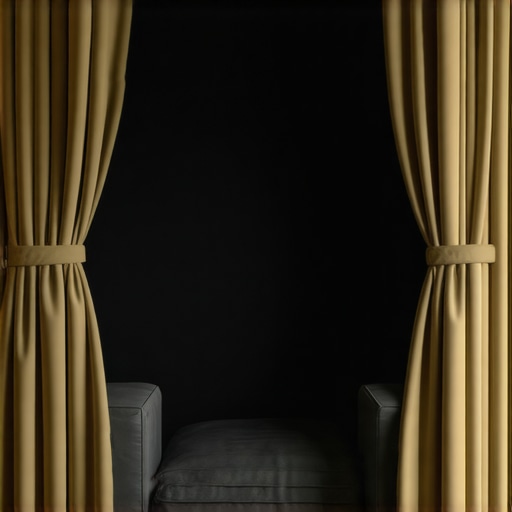
Bottom Line Up Front
Creating a DIY soundproof booth for under $100 is challenging but possible with careful planning and resourcefulness. While the project can significantly reduce ambient noise, expect some limitations compared to professional setups. This guide assesses build quality, cost-effectiveness, and noise reduction capabilities, providing an honest take on whether this budget-friendly approach is worth your effort.
What Problem Does This Solve?
If you’re a content creator, podcaster, or musician working from home, managing echo and external noise is crucial. A makeshift soundproof booth offers a cost-effective way to improve audio quality without breaking the bank, but building one with less than a hundred dollars requires ingenuity and realistic expectations.
Deep Dive: Features and Specifications
Assessing the Build Quality and Materials
At this price point, materials are typically limited to basic foam, blankets, or cardboard. The effectiveness hinges on how well these materials insulate sound while preventing noise leakage. DIY enthusiasts often start with moving blankets or egg crate foam, but their acoustic isolation is inherently limited. For a detailed breakdown, check out this comprehensive guide.
Simplicity and Ease of Assembly
The design should focus on affordability and simplicity, often involving basic frameworks built from PVC pipes or repurposed furniture. While easy to assemble, these structures may lack stability and durability over time, especially if moved frequently.
Expected Noise Reduction Capabilities
Given the limited budget, expect a reduction primarily in high-frequency echoes rather than full noise cancellation. For more effective results, combining materials like dense moving blankets with DIY damping panels can yield better acoustics. However, don’t anticipate the performance of professional acoustic booths.
Is the Cost Justified? Community Perspectives
Many users report noticeable improvements in their recording environment, making it a worthwhile project if you’re on a tight budget. Conversely, some critiques mention persistent sound leakage and structural instability. The key is balancing expectations with resourcefulness, and sometimes upgrading specific components over time is necessary.
Common Pitfalls and Tips
- Ensure an airtight seal around openings; gaps undermine soundproofing.
- Use heavy-duty tapes and blankets to maximize insulation.
- Incorporate a door with weatherstripping for better sealing.
Summary: Is This the Right Solution for You?
If your recording needs are modest, and you’re willing to experiment, building your own soundproof booth under $100 is feasible. For more professional sound isolation, investing in higher-quality materials or commercial booths might be justified long-term. For an affordable start, consider exploring other DIY methods or incremental upgrades, such as adding acoustic panels or bass traps.
Core Components That Make or Break Your Soundproofing
At the heart of any DIY soundproof booth are the materials used. Thick moving blankets, for example, offer decent noise absorption due to their dense fibers, but their effectiveness heavily depends on proper sealing. Foam panels, particularly egg crate styles, help tame high-frequency echoes, making recordings sound clearer. The key is understanding that each material addresses specific acoustic issues; combining them strategically enhances overall performance.
Why Material Density Matters
Denser materials like mass-loaded vinyl or layered drywall significantly block sound transmission, but they are heavy and require sturdy frameworks. For budget-conscious builders, layering multiple blankets or using thick cardboard combined with foam can mimic some of these effects without excessive weight or cost. The feel of these materials varies from soft and pliable to rigid, influencing ease of installation and durability.
Choosing the Right Frame Structure
Many DIY booths utilize PVC pipes or repurposed furniture to build framing. PVC offers lightweight rigidity and ease of assembly, but it may lack stability under constant use, leading to slight movement or vibrations that compromise soundproofing. Alternatives like wooden frames provide better stability but are heavier and require more tools. The assembly process should emphasize simplicity, ensuring even a novice can erect the structure efficiently.
The Seal That Keeps Noise Out
Gaps and leaks are the Achilles’ heel of budget soundproofing. Using weatherstripping tape around door frames and sealing corners with foam or caulk dramatically improves noise isolation. An airtight seal prevents external sound from leaking in and internal sound from escaping, which is crucial given the limited material thickness. The tactile experience of pressing these seals offers a reassuring confirmation of proper installation, though it can be tedious on larger openings.
Effectiveness Versus Cost
While professional booths can reduce noise by 30-50 dB, an under-$100 DIY setup might achieve only 10-15 dB attenuation. Nonetheless, this level often suffices for reducing high-frequency echoes and minor external noise, especially for vocals or speech. Comparing these results with industry standards, such as those outlined by the Wikipedia soundproofing guide, highlights the trade-off between affordability and performance.
Design Flaws to Watch Out For
A common oversight is underestimating the importance of door sealing; a poorly sealed door becomes a major sound leak. Also, the structural framework might wobble if joints are not reinforced, leading to vibrations that can amplify noise issues. Being mindful of these flaws during planning can save time and prevent frustration during installation.
Performance Analysis of Studio Gear and Cameras in Real-World Scenarios
When pushing creator rigs, studio gear, cameras, and microphones into demanding situations, their resilience and reliability are truly tested. For example, capturing a live outdoor event with unpredictable lighting, weather, and noise levels requires gear that not only performs but also withstands environmental stressors. The good news is, many flagship devices excel here, delivering sharp visuals and clean audio even amidst chaos. Conversely, budget options often falter or display overheating issues under extended use, revealing their limitations.
Will the Lighting Kit Handle Remote Shoots in Unpredictable Conditions?
High-quality lighting kits with robust power outputs and adjustable color temperatures tend to perform well outdoors or in poorly lit venues. During prolonged shoots in variable weather, some kits with fan cooling and weather-resistant build quality maintain stable brightness without overheating. However, cheaper models frequently struggle with heat buildup, flickering at high temperatures, or reduced battery life, disrupting shooting schedules. Overall, durability and adaptive controls are pivotal for success in field scenarios.
Does the Creator Rig Maintain Stability During Tedious Adjustments?
Professional creator rigs designed with solid materials and padded joints provide stability when holding cameras for extended periods. When setting up for a multi-camera interview, these rigs resist sway and vibration, ensuring crisp footage. But, lightweight or DIY rigs, though easier to transport, sometimes wobble or flex under load, resulting in blurred shots. For portable rigs, quick locking mechanisms and high-grade materials are essential to prevent accidental shifts during critical moments.
Can Studios and Mic Reviews Withstand Long-Form Recording?
Quality studio gear, including condenser microphones, often boast features like low self-noise and high SPL handling, which remain reliable over hours of use. During podcasts or extended recordings, such mics maintain consistent clarity, though some budget models may exhibit silent periods or increased distortion over time. Environmental factors like temperature and humidity also influence hardware performance, sometimes leading to increased susceptibility to humidity-related issues in less sealed units.
How Do Camera Reviews Perform When Facing Harsh Conditions?
Properly shielded and weather-sealed cameras excel in rain, dust, or sudden temperature shifts. For instance, outdoor wildlife videography hinges on gear that resists elements while maintaining autofocus speed and image stabilization. Cheaper cameras often show lagging autofocus, increased noise, or sensor protection failure under these conditions. Furthermore, battery life drops drastically in cold weather, so battery management becomes a critical concern for professionals working under pressure.
Existing users, do you agree with my assessment about gear stability in field conditions? Share your experiences in the comments! According to a Reddit discussion on outdoor filming, gear with better sealing and build quality significantly reduces post-shoot troubleshooting, highlighting the importance of rugged design during intense usage scenarios.
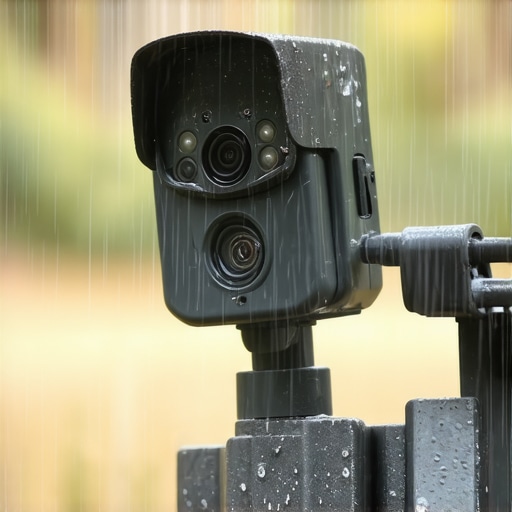
Prompt: Rugged outdoor camera with weatherproof design capturing wildlife in rain, vivid colors, detailed environment
Alt Text: Weather-resistant camera outdoors in rain during wildlife filming
Lighting Kits Showdown: Budget vs. Premium
When comparing affordable lighting kits to top-tier options like the Aputure Nova series, budget kits often deliver sufficient illumination for beginner setups but fall short on color accuracy, build quality, and durability. For instance, the Neewer 660 LED panels cost significantly less, yet may lack the consistent brightness and RGB features found in more expensive models like the Godox SL-60W, making them suitable for those starting out but less ideal for professional shoots. If you need versatile, reliable lighting, investing in mid-range options offers a noticeable upgrade in performance without reaching astronomical costs. Check current prices and availability on B&H.
Creator Rigs: Entry-Level vs. Professional Builds
Entry-level rigs like the SmallRig DSLR cage provide excellent affordability and modularity for hobbyists. They decouple your camera from shaky mounts and offer multiple attachment points, but may lack rigid stability under prolonged use, compared to professional-grade rigs like the Tilta Gravity G2X. The latter features better dampening, lightweight alloys, and smoother adjustment mechanisms, ideal for demanding shoots. While the professional rigs come with a higher price tag, they significantly reduce camera shake and setup time, making them well worth the investment for serious creators. Compare prices and features at Adorama.
Studio Gear: Entry-Level vs. High-End Equipment
Affordable studio gear, like Behringer’s audio interfaces and basic microphones, scores highly on price but adjusts compromise on sound clarity and durability. Conversely, higher-end options from brands like Focusrite Clarett or Rode NT1-A showcase superior noise handling, longevity, and nuanced sound reproduction. For example, the Rode Procaster offers broadcast-quality sound at a premium but noticeably outperforms budget mics like the Audio-Technica ATR2100x in clarity and self-noise. Content creators aiming for professional-grade audio should weigh these benefits against their budget, with many finding a middle ground through quality mid-range gear. Explore current specs at Zzounds.
Camera Reviews: Low-End Models vs. Flagship Devices
Entry-level cameras like the Canon EOS 2000D are attractive for beginners due to affordability but lack advanced features like 4K video or high frame rates. Meanwhile, flagship models such as Sony’s A7S III offer exceptional low-light performance, internal stabilization, and high dynamic range, essential for professional content production. Even though the initial investment is substantial, the reliability and image quality can justify the cost, especially for creators planning to monetize their work. For current pricing and specs, visit DPReview.
Is It Worth the Upgrade? Exploring Newer Versions of Gear
Upgrading from budget gear to professional-grade equipment can dramatically improve content quality but requires a significant investment. For example, moving from a basic microphone to a broadcast condenser like the Shure SM7B enhances vocal clarity, but it involves additional costs for phantom power and boom arms. The decision hinges on your content goals, budget, and whether the marginal gains translate into increased audience engagement or monetization. Comparing prices and reviews on sites like CNET can help determine if the upgrade is justified.
The Good, The Bad, and The Ugly
Pros: Cost-effective solution for reducing high-frequency echoes, quick to assemble, and customizable based on available materials. It offers noticeable improvements for speech and vocal recordings in a budget setting.
Cons: Limited noise attenuation, structural instability over time, and potential sound leaks due to sealing challenges. Materials like blankets and foam offer only partial soundproofing and may require upgrades for better results.
Who is Building This For?
This project is perfect for content creators, podcasters, and musicians working with tight budgets who want a basic sound environment. It’s ideal for beginners or hobbyists willing to accept modest noise reduction for minimal investment. Avoid this if professional-grade soundproofing or complete ambient noise elimination is necessary, as the limitations are significant.
Final Verdict: 6/10
While constructing a DIY soundproof booth under $100 can be a fun and rewarding challenge, it falls short of professional standards. It offers a worthwhile starting point for small-scale recordings but isn’t a substitute for dedicated studio booths. If you’re serious about sound quality, consider incremental upgrades or investing in better materials over time. If budget constraints are tight, this approach provides a decent temporary solution; otherwise, exploring more robust options is advisable. For additional guidance on improving your recording space, check out our review of how to build a professional studio rig on a student budget.