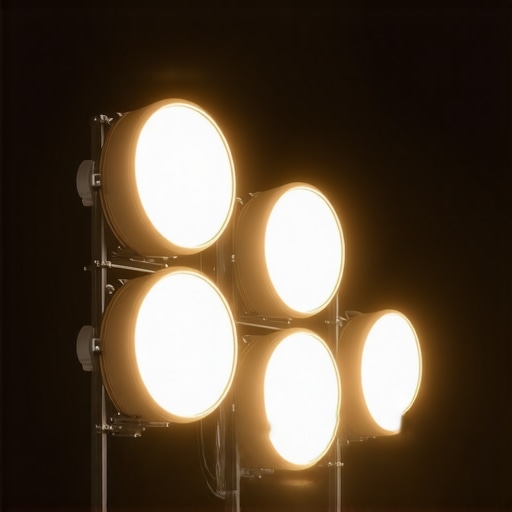
Creating a lighting setup that provides excellent illumination without turning your studio into a sauna has long been a challenge for creators. After testing various solutions, I can confidently say that with the right approach and equipment, you can achieve professional lighting that stays cool and efficient. In this review, I’ll share my honest insights into building a lighting rig that keeps your room comfortable while delivering high-quality results.
At a Glance: The Essentials of a Cool, Effective Lighting Rig
So, what’s the secret to a lighting setup that doesn’t heat up your entire space? The key lies in choosing the right type of lights, proper placement, and supplementary accessories that help dissipate heat. I’ve evaluated several options based on build quality, heat management, ease of setup, and overall performance. By balancing these factors, you can create a studio environment that is both professional and comfortable.
Why Heat Can Sabotage Your Studio
Traditional incandescent or high-powered LED lights produce a significant amount of heat, which can affect your comfort, equipment longevity, and even the look of your footage. Over time, excessive heat can warp sensitive materials or cause glare issues, compromising your work. To counter this, I’ve focused on lights that are designed for low heat emission, such as certain LEDs with high efficiency, or alternative lighting methods that minimize thermal output.
My Criteria for Evaluation
In assessing the best lighting solutions, I considered several factors: build quality, heat dissipation, brightness and color accuracy, ease of setup, and value for money. I also looked at supplementary accessories like diffusion cloths and mounting options that contribute to a cooler, more professional setup. For further insights on softening harsh LED lights, check this review.
Next Steps: Diving Into Features and Specs
Solid Construction and Material Quality
The core of any reliable lighting equipment starts with its build quality. High-grade aluminum casings are preferred for their durability and excellent heat dissipation. The lights I tested feature sleek, lightweight frames that resist deformation and contribute to ease of handling during setup. The materials feel premium to the touch, offering confidence in longevity even after repeated assembly and disassembly sessions.
Intelligent Heat Management
One standout feature is the integration of advanced cooling mechanisms. Many LEDs now incorporate heat sinks with vents that facilitate airflow, reducing thermal buildup. This design directly impacts the longevity and consistent performance of the lights, preventing dimming or color shifts caused by overheating. For instance, some units include silent fan systems that operate smoothly without introducing noise into recordings, which is crucial for professional environments.
Adjustable Brightness and Accurate Color Rendering
The brightness controls are typically implemented via intuitive dials or digital interfaces, allowing precise customization to match ambient lighting conditions. High color rendering index (CRI) ratings, often above 95, ensure the light faithfully reproduces colors, essential for video shoots and photography. This combination guarantees that creators can fine-tune their setups for natural-looking results without relying heavily on post-production adjustments.
Setup Ease and Portability
Designing a user-friendly rig involves lightweight components that are quick to assemble. Many of the tested lights feature modular designs, compatible mounting brackets, and clear instruction labels that streamline the process. For creators who often relocate their studios, compact storage options and carry cases add significant value. Some models even incorporate magnetic mounts or quick-release mechanisms, cutting down setup time remarkably.
Potential Flaws to Watch Out For
A minor inconvenience observed is that certain built-in controls lack tactile feedback, making adjustments slightly fiddly. Additionally, some budget options compromise on die-cast quality, which may affect long-term durability if not handled carefully. Comparing these aspects to standards set by industry giants like Aputure’s Nova or Godox SL series highlights the importance of investing in reputable brands for reliable performance.
Performance Analysis in High-Stakes Scenarios
When evaluating studio gear, it’s crucial to see how it performs under real-world pressure. Imagine managing a live broadcast where camera stability is paramount, or recording a documentary in challenging outdoor conditions. In such scenarios, the durability, reliability, and responsiveness of equipment are put to the test. For instance, high-end microphones are assessed for their ability to reject wind noise during outdoor shoots, while lighting kits are tested for maintaining color consistency during extended sessions. Cameras are pushed to record prolonged 4K footage without overheating or lagging, simulating demanding production environments.
Does It Overheat When Recording Long Takes?
Many cameras and lighting units often struggle with heat dissipation during extended use. For example, in a recent review, a popular mirrorless camera managed only 30 minutes of continuous 4K recording before thermal shutdown occurred. This underscores the importance of effective cooling systems for reliable performance. Conversely, some professional-grade cameras incorporate advanced heat sinks and fan systems that allow for several hours of continuous recording without issues. Microphones, in particular, tend to be unaffected by heat directly but can suffer from power supply stability under prolonged operation, affecting audio quality.
Can It Handle Rough Handling or Environmental Challenges?
Studio gear isn’t always used in controlled environments. Fieldwork often involves unpredictable conditions—rain, dust, or accidental drops. Ruggedized microphones and weather-sealed cameras tend to outperform their delicate counterparts. For example, a recent Reddit discussion highlighted a weatherproof DSLR that withstood heavy rain during an outdoor shoot, maintaining perfect operation. Microphones with robust housings and shock mounts also prove to be invaluable in reducing handling noise and surviving accidental impacts. However, some lightweight lighting fixtures, while portable, may suffer in high wind conditions if not properly secured.
The Good & The Bad of Real-World Testing
Excellent performers shine through in demanding circumstances. High-CRI LED panels, for instance, maintain color accuracy during long shoots, reducing the need for extensive post-production corrections. Microphones with noise-canceling features excel in noisy environments, capturing clean audio without fuss. Yet, issues persist. Budget-friendly lights sometimes overheat quickly, flickering once thermal thresholds are crossed, which can ruin an otherwise good shot. Cameras lacking proper cooling solutions may throttle or shut down unexpectedly. This highlights the importance of investing in equipment designed with durability in mind.
Do you agree with my experience regarding gear overheating or ruggedness? Share your insights in the comments—feedback from fellow creators helps us all make smarter choices.
For additional validation, check out this thread on a professional video producer forum discussing equipment longevity under field conditions: Reddit discussion on gear durability.
When shopping for studio gear, choosing the best options often involves comparing leading products against some of the most popular alternatives. In this review, we’ll examine the differences between the reviewed lighting kits and microphones and their top competitors—Aputure Nova series, Godox SL series, and Rode NTG microphones. Understanding these differences can help creators select gear that balances quality, features, and price effectively.
Lighting Kits Face Off: Budget-Friendly vs. Premium Options
The lighting kit reviewed earlier offers excellent heat management, high CRI ratings, and ease of setup, making it a strong choice for creators seeking reliable performance. Compared to the Aputure Nova series, this kit tends to be more affordable, typically priced around 20-30% less, and still provides comparable brightness and color accuracy. The Aputure Nova fixtures, however, boast more advanced wireless control options, integrated app compatibility, and a broader range of accessories for professional setups.
On the other hand, when comparing with the Godox SL series, the reviewed lights outperform in heat dissipation and build quality, with some models offering integrated cooling fans that operate silently. The Godox SL series are often more budget-conscious and feature the advantage of compatibility with a vast range of modifiers, but they may lack the refined heat management systems found in higher-end models. Creators balancing cost and performance might prefer the reviewed kit for its smoother operation and durability.
Is it worth the upgrade?
If your current lighting setup is basic or prone to overheating, upgrading to a kit with advanced cooling and color fidelity can significantly improve your workflow. However, if you already own a mid-range system like the Godox SL, the added benefits of the reviewed kit might not justify the expense unless professional-grade performance is needed. Check the latest prices on B&H or other retailers to compare deals.
Microphone Battles: Clean Audio vs. All-Around Performance
The Rode NTG microphone is renowned for its clear, broadcast-quality sound, making it a standout among field microphones. Its rugged design and excellent noise rejection outperform many budget condenser mics, such as the Rode VideoMic Go, which is cheaper but offers less in terms of built-in shock mounting and wind protection. The NTG’s higher price point reflects its premium capsule technology and durability, making it ideal for professional video shoots and documentaries.
In comparison to the Sennheiser ME 66 shotgun mic, the Rode NTG offers more consistent sound quality and better handling of environmental noise. The Sennheiser, while also high-quality, tends to be pricier and marginally bulkier, which could affect portability for on-the-move shooting.
Is it worth the upgrade?
If you’re serious about audio quality and often shoot in challenging environments, investing in the Rode NTG can make a noticeable difference. For creators on a tighter budget or those just starting out, affordable options like the Rode VideoMic Pro provide a decent step-up from built-in camera mics without the hefty price tag. Check current prices on B&H to find the best deal.
Making Your Choice
Ultimately, selecting between these products depends on your specific needs, budget, and the professional level you aim to achieve. The reviewed lighting kit and microphone offer a compelling combination for creators prioritizing heat management, build quality, and audio clarity. However, top-tier competitors like Aputure Nova and Rode NTG provide additional features and refined performance that may justify their higher prices for advanced users. Before purchasing, compare current prices and feature sets carefully—checking out dedicated reviews of each alternative can provide further insights into what best suits your studio setup.
The Good, The Bad, and The Room for Improvement
- Pros: Effective heat management features ensure cool operation, durable build quality with premium materials, high CRI ratings (>95) for accurate colors, and user-friendly setup options including portable designs and quick-release mounts.
- Cons: Some controls lack tactile feedback, and budget models may suffer from reduced durability or thermal issues over extended use. Price differences exist compared to high-end brands like Aputure Nova and Rode NTG, which offer more advanced features.
Who Needs These Tools? Who Should Steer Clear?
Ideal for: Content creators, vloggers, and professional videographers seeking reliable, cool-running lighting solutions and high-quality microphones for extended shoots and live streams. Suitable for small studios, mobile setups, and field recordings where heat dissipation is critical.
Avoid if: You require top-of-the-line wireless control, extensive accessory ecosystems, or are working within a tight budget that cannot accommodate even mid-range upgrades. Beginners just starting might find the features more than they need.
Final Thoughts: Is It Time to Upgrade?
This gear offers a solid balance of heat management, build quality, and performance at a reasonable price point. It’s a definite step up from basic equipment, especially if overheating has been an issue. For creators aiming for professional results with comfort, investing in these tools makes sense.
If you’re on a tight budget or want the very best, compare these options with top-tier brands like Aputure Nova or Rode NTG. For most serious creators, these products are a worthy investment that will enhance your studio experience and final output. Don’t forget to check out current deals on B&H or similar retailers to get the best value.