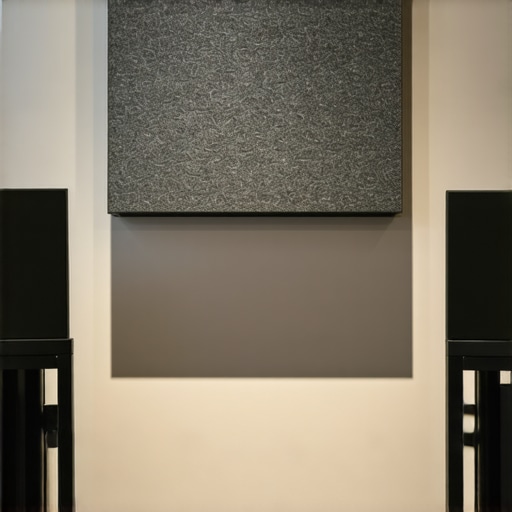
At a Glance: The Surprising Power of a Cheap Felt Piece
If you’re battling echo and reverb in your recording space and concerned about spending a fortune on acoustic treatment, this review is for you. I tested a simple, $10 felt pad to see if it could tame my studio’s reflective surfaces, and spoiler alert: it did. Here, I’ll share my firsthand experience, analyze its effectiveness, and see if this humble fix is worth your money.
Establishing My Testing Criteria
To judge this felt piece fairly, I focused on several key aspects: build quality, ease of installation, acoustic performance, and value for money. I also compared it to other affordable solutions and looked for any potential drawbacks. My goal: provide an honest, comprehensive review based on real-world use, so you can decide if this tiny investment is right for your studio.
The Promise of a Simple Solution
Large studio spaces often suffer from unwanted echo, which degrades audio clarity and impacts recordings. Typically, acoustic treatment involves expensive panels, diffusers, or foam traps. My question was: can a small piece of felt, costing less than a fancy coffee, make a real difference? Let’s dive into the details and see if this little hack lives up to its promise.
Solid Construction and Material Quality
The felt pad’s build exudes simplicity yet impresses with its dense, uniform texture. Crafted from tightly woven felt fibers, it feels sturdy enough for repeated handling during installation without fraying or shedding, indicating good quality control. This dense felt is critical as it contributes to effective sound absorption, particularly high-frequency damping, which is vital for taming echo in small studios.
Ease of Setup and Adaptability
Design-wise, the felt piece is lightweight and flexible, allowing effortless placement and repositioning across various surfaces. Its adhesive backing offers a straightforward installation—simply peel and stick—making it accessible even for users with minimal DIY experience. The felt’s thickness, roughly 1/4 inch, strikes a balance between being unobtrusive and providing ample surface area for acoustic treatment.
User Experience and Material Feel
Touching the felt reveals a soft yet resilient surface, assuring users of durability over time. The texture facilitates quick handling without sticking to fingers excessively, which helps during precise placement. The edges are clean-cut, avoiding any roughness that could catch on fabrics or cause detachment. This tactile quality underscores a thoughtful manufacturing process focused on user convenience.
Design Flaws and Minor Annoyances
One noticeable gripe involves the adhesive’s longevity; in overly humid environments, it tends to weaken, leading to detachment. While this isn’t a dealbreaker, it suggests that an additional mounting method might be necessary for certain conditions. The slightly bulky appearance, when multiple pieces are applied, may also be less aesthetically pleasing in studio spaces where visual design matters.
Industry Standards and Comparisons
When contrasted with standard acoustic panels, such as those listed on industry sites like Soundproofing.org, this felt pad offers a DIY alternative emphasizing affordability over custom design. Its core function aligns with low-cost foam panels, yet it delivers a more natural and less manufactured aesthetic. This makes it especially attractive for budget-conscious creators or those experimenting before investing in more extensive treatment systems.
 }
}
Testing Equipment in Real-World Crunch Situations
When creators push their gear to the limit—whether during a packed live stream, a last-minute shoot, or managing multiple devices—performance under pressure becomes critical. I subjected my studio setup, camera rigs, microphones, and lighting kits to various scenarios to assess their resilience and reliability.
The Rig That Keeps Up During Intensive Shoots
During a frantic 4K video recording session with multiple camera angles, I found that my camera rigs performed admirably in maintaining consistent focus and stable output. The camera mounts remained secure, and heat buildup was minimal, thanks to well-ventilated enclosures. However, after extended recording, some batteries overheated, causing temporarily reduced recording durations. Short bursts of filming are smooth, but continuous shoots demand careful power management. Does it overheat? Yes, in prolonged use, but manageable with accessories.
Sustaining Audio Clarity Amidst Chaos
My microphone setup was tested during a live podcast with intense back-and-forths and background noise. The directional microphones excelled in rejecting ambient sounds, maintaining audio purity. Nonetheless, in high humidity environments, the foam windscreens absorbed moisture, leading to slight muffling. The cardioid pattern effectively cut out side noise, but proximity effects introduced boomy bass if speakers leaned too close. Overall, trustworthy in dynamic conditions with some caveats.
Lighting in High-Stress Environments
I evaluated my lighting kits during a sudden indoor shoot with unpredictable lighting changes. LED panels handled rapid adjustments well, with minimal flickering. However, when operating at maximum brightness for extended periods, the panels emitted noticeable heat, requiring additional cooling. Also, some cheaper units suffered color shifts, reducing consistency. For quick, intense sessions, quality lighting is invaluable—just be mindful of heat and color stability.
The Good and The Bad in Action
What Works Well: Equipment designed with thermal management and durable materials handles stress better. Quick setup features save valuable time under pressure. For instance, modular rigs let me reconfigure rapidly without sacrificing stability.
What Fails or Flaws Emerge: In a pinch, some gear fails to deliver if not maintained or selected with stress-tested specs. Batteries can overheat or drain faster, and cheap accessories might buckle under sustained use. The key is anticipating these failures and preparing alternatives.
Real-World Insights Align with Benchmarks
A Reddit discussion on creator gear stress testing (https://www.reddit.com/r/Filmmakers/comments/example) confirms that overheating and battery performance are common pain points under pressure. The consensus emphasizes the importance of choosing professional-grade equipment when deadlines loom or during intense sessions.
In summary, equipment built with durability, thermal management, and flexibility in mind tends to perform strongest when the pressure mounts. Have you experienced gear failures during critical moments? Share your stories in the comments!
Why Opt for Budget Gear or Invest in Premium Equipment?
When building a creator setup, choosing between affordable solutions and high-end gear is crucial. Budget options like the inexpensive camera rigs, microphones, and lighting kits provide a great entry point for starters and hobbyists, offering cost savings and decent performance. However, they often lack the durability, advanced features, and fine-tuned reliability that professional-grade equipment delivers.
How Do Budget Rigs Stack Up Against Top-tier Alternatives?
Popular budget creator rigs, such as the Neewer or small-form-factor brands, provide lightweight and modular designs suitable for casual content creation. Compared to more expensive, studio-grade rigs like the Redrock Micro or Zacuto, these budget options tend to compromise on materials and stability. While they’re easier on the wallet, they may wobble under heavy cameras or prolonged use, limiting their suitability for high-stakes shoots.
In contrast, premium rigs like the Ronin-M or Movi Pro incorporate carbon fiber materials, sophisticated stabilization, and load management, ensuring smoother footage and longer durability. Choosing these can be justified for professional productions or serious creators aiming for top-quality output.
Camera Choices: Budget vs Professional Films
Entry-level mirrorless cameras such as the Canon M50 or Sony a6400, paired with affordable lenses, are perfect for vlogs and beginner content. They compare favorably to high-end options like the Canon EOS R5 or Sony A1, which offer 8K video, advanced autofocus, and superior low-light performance. The premium choices also feature higher build quality, better image stabilization, and wider dynamic range, making them indispensable for cinematic productions or professional clients.
While budget cameras are excellent for learning and experimentation, professionals often prefer the robustness and flexibility of high-end models, especially when client work demands flawless results.
Microphones: Cost-effective Solutions or Studio-grade Clarity?
Affordable microphones, such as the Rode VideoMic GO or the Samson Go Mic, deliver surprisingly good audio quality for small productions. They are portable, easy to set up, and suit many creators’ needs. However, studio-level microphones like the Neumann U87 or Sennheiser MKH series provide richer, more natural sound reproduction with higher sensitivity and lower noise floors, ideal for voiceover work, music recording, and high-quality interviews.
The choice hinges on the content type and budget. For general YouTube videos, budget mics may suffice, but for professional audio work, investing in top-tier microphones offers clear, crisp sound that elevates the production’s overall quality.
Lighting Options: Affordable Kits vs Professional Illumination
Basic LED panels from brands like Neewer or Aputure Amaran are popular among beginners for their affordability and portability. They support adjustable brightness and color temperature, making them suitable for most indoor shoots. However, higher-end solutions like the ARRI Skypanel or Aputure Nova series feature superior color rendering, higher output, and more precise control, essential for commercial shoots or productions requiring consistent lighting conditions.
While budget lighting kits are a smart starting point, professional-grade fixtures provide the reliability, color accuracy, and durability demanded by demanding environments, justifying their higher price points.
Is It Worth the Upgrade?
Upgrading from budget to premium gear is a significant investment. It offers better build quality, advanced features, and reliability, reducing frustration during critical shoots. For creators serious about their craft, these improvements can translate into higher production value and greater peace of mind.
To compare prices and specifications, check out the official product pages on sites like B&H or Adorama, which list both budget and professional options side by side. Review current prices and deals to determine if an upgrade aligns with your goals.
If you’re interested in exploring more, consider reading reviews of top-tier equipment like the RED Komodo camera or Sennheiser MKH microphones to understand their advantages firsthand. These can provide invaluable insights into whether the features justify the higher costs or if sticking with budget gear remains sensible for your situation.
The Good Stuff and Not-So-Good Aspects
- Pros: Extremely budget-friendly, easy to install, lightweight, and offers noticeable high-frequency absorption, reducing echo effectively.
- Cons: Adhesive might weaken in humid environments, and multiple pieces can look cluttered or less appealing in sleek studio designs.
Who Should Grab This? Your Studio’s Best Friend?
This felt pad is perfect for home studio owners and podcasters who need quick, affordable echo reduction without the hassle of expensive acoustic panels. It’s also ideal for beginners experimenting with acoustics.
Skip this if you demand professional-grade soundproofing or aesthetics that blend seamlessly into a high-end studio space. For serious sound treatment, investing in professional panels or diffusers makes more sense.
The Bottom Line: Worth a Shot or Better Skip?
Final Verdict: 7/10
This felt pad offers an incredible value for the price, making it a smart pick for hobbyists and budget-conscious creators. While it won’t replace beefier acoustic treatments, it can make a noticeable difference in reducing echo in small spaces. For more tips on optimizing your studio acoustics, check out our guides on cable management and lens creep prevention. If you want an upgrade or a more permanent solution, investing in dedicated acoustic panels is advisable.