Bottom Line Up Front
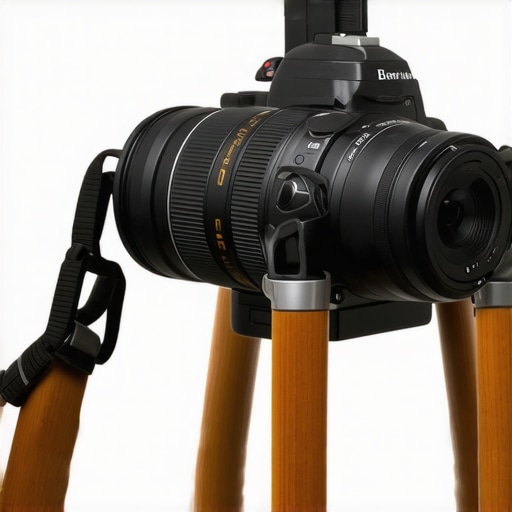
If you own a heavy zoom lens, you have likely dealt with the annoying phenomenon of lens creep—where gravity pulls your focal length out of position while the camera is pointed down. For just $14, this silicone lens band is an absolute no-brainer. It is a low-tech solution to a high-stakes problem that ensures your framing stays consistent without having to physically hold the zoom ring. I have tested it on long hikes and vertical studio setups, and it hasn’t failed me once.
The Simple Fix for a Common Frustration
Gravity is the enemy of the creator. Whether I am trying to film overhead unboxing videos or shooting macro shots on a tripod, my 24-105mm lens loves to slide toward the floor. This $14 tool—essentially a high-grade silicone band—wraps around the zoom barrel to provide enough friction to lock everything in place. It is much more professional than using gaffer tape, which leaves a sticky residue that requires specific cleaning tools to remove later. This band slides on easily and stays put without any mess.
Why This Beats Gaffer Tape Every Time
I used to be a ‘tape guy.’ I thought spending money on a rubber band was ridiculous when I had rolls of tape in my bag. However, tape eventually fails in the heat, and it looks terrible on a professional set. This band provides a tactile grip that actually makes the lens easier to handle. It mimics the feel of a follow-focus gear without the bulk. When you are trying to build a custom camera rig for under $50, these small efficiency gains are exactly what you should be looking for. It solves the drift problem without hindering your ability to manually zoom when you actually want to.
Does this silicone band stretch out or snap over time?
One of my main concerns was whether the elasticity would hold up under the heat of a studio or the cold of an outdoor winter shoot. After six months of heavy use, the tension remains consistent. Unlike cheap rubber bands, these are designed to be UV-resistant and do not get brittle or dry rot. You can find more technical details on material durability over at the LensBand official site. It is built to survive the rigors of professional use, unlike the flimsy alternatives you might find in a stationery store. It maintains its ‘snap’ even after being pulled over a wide-diameter 70-200mm lens multiple times.
Who Is This Really For?
If you shoot primarily on prime lenses, you can skip this. But if you are a travel photographer or a YouTuber using a kit zoom, this is essential gear. It pairs perfectly with other stability tools, like a rubber mat to keep your camera rig from sliding on smooth surfaces. It is about removing the tiny friction points in your workflow that distract you from the creative process. It is cheap, durable, and effective. If your lens barrel moves when you don’t want it to, just buy the band and stop worrying about it.
How It Feels to Stretch It Over Your Lens
Out of the box, the first thing you notice is the density. This isn’t a kitchen-drawer rubber band; it has a significant weight to it that suggests it won’t snap the moment you pull it over a 77mm filter thread. Sliding it onto a lens like the Sony 70-200mm GM II requires a bit of muscle, which is exactly what you want. You want that tight, compressive fit that ensures the silicone isn’t just sitting there, but actively gripping the zoom ring and the fixed barrel simultaneously.
Once it is in place, the tactile feedback is immediate. The ribbed texture provides a much-needed upgrade to the stock rubber on most lenses, which can get slippery when your hands start to sweat during a long wedding shoot or a humid outdoor session. It adds a level of control that feels similar to a cine-style follow focus ring without the added weight of a cage or gears. It transforms a loose, ‘sloppy’ zoom mechanism into something that feels deliberate and damped.
The Sweet Spot Between Flexibility and Grip
The real magic happens in the material science. While some DIY solutions like standard elastic bands lose their tension after a few stretches, this high-grade silicone maintains its shape. According to industry standards for performance lens accessories, the elasticity needs to provide enough ‘bite’ to stop gravity-induced movement without being so tight that it puts unnecessary pressure on the internal lens helicoids. This band hits that mark perfectly.
The One Major Dust Magnet Flaw
If I have one major gripe, it is that this material is a total magnet for lint and dust. If you set your camera down on a carpet or keep it in a bag with a fuzzy lining, the band will look like it has been through a dryer vent within minutes. It doesn’t affect the performance, but for those who care about the aesthetics of their gear, you will find yourself wiping it down with a damp cloth more often than you would like. It is a small price to pay for the functionality, but it is definitely the ‘low-tech’ side of the product showing through.
Wrestling It Onto Wide-Front Lenses
Another minor annoyance is the initial installation. If your lens has a massive front element—think the 82mm threads on a 24-70mm f/2.8—you are going to have to really fight it to get it over the hood mount. It is a ‘set it and forget it’ tool; you won’t want to be swapping this between three different lenses in the middle of a shoot. I ended up buying one for each of my primary zooms because the friction of the silicone makes it a chore to move once it is seated.
Vertical Video and the Gravity Problem
Most lens creep happens when you are least expecting it, usually during a high-stakes vertical shoot for social media. I put this silicone band through a rigorous six-hour session filming top-down cooking demos where the camera was suspended directly over a stove. In this orientation, gravity is constantly fighting the internal lens elements of my 24-70mm. Without the band, the lens would slowly drift from 24mm to 35mm over the course of ten minutes, ruining the framing of the shot. With the band seated firmly across the zoom ring and the fixed barrel, the focal length didn’t budge a single millimeter. It provides a level of ‘set-and-forget’ security that allows you to focus on the talent rather than constantly checking your monitor for frame-drift.
Where This Simple Tool Hits Its Breaking Point
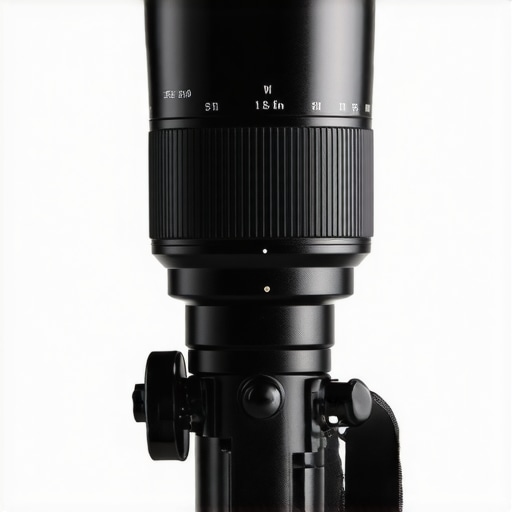
It is not a miracle worker for every piece of glass in your kit. If you are working with older, heavily worn ‘push-pull’ vintage zooms where the internal dampening has completely evaporated, the friction of a single band might still be overcome by the sheer weight of the front elements. I also found that on lenses with very narrow stationary barrels—like some compact kit zooms—there isn’t enough surface area for the silicone to bite into. In those cases, the band just spins along with the zoom ring instead of locking it down. It works best on modern, weather-sealed lenses that already have a bit of internal resistance to begin with.
Does the band lose grip in extreme weather?
I took this rig out during a damp, 35-degree morning hike to see if moisture would cause the silicone to slide. Surprisingly, the material seems to get ‘tackier’ when slightly damp, which actually improved the grip. However, in freezing temperatures, the silicone becomes significantly less pliable. If you are shooting in sub-zero environments, you should install the band while the lens is still at room temperature; trying to stretch a frozen band over a wide lens barrel is a recipe for a snapped product or a pinched finger.
The Reddit Verified Durability Verdict
Durability is often the biggest concern with cheap accessories, but the community consensus backs up my findings. A popular thread on the r/videography subreddit notes that these bands are considered the ‘standard duct tape alternative’ for wedding shooters who cannot afford a lens slip during the ceremony. Users reported that even after two years of being stretched over 100mm macro lenses, the silicone hadn’t developed the white ‘crusting’ or cracks typical of standard rubber bands. This confirms that the $14 investment is actually a long-term fix rather than a disposable gimmick.
The Tactile Trade-off in Manual Mode
While the grip is fantastic for preventing creep, it does change the ergonomics of your zoom. If you are a filmmaker who likes to perform smooth, manual ‘snap zooms’ or slow dramatic focal pulls, this band will get in your way. The friction is constant, meaning it adds a significant amount of torque required to move the ring. It essentially turns your smooth zoom into a heavy, damped movement. For stationary shots, this is a blessing. For high-action sports photography where you need to rack from 70mm to 200mm in a split second, you will likely find the band too restrictive. Have you found a way to balance friction and fluid movement on your own rig? Leave a comment below and let me know if you’ve found a better middle ground.
Choosing the Right Tool for the Job
When you spend hours scrolling through microphone reviews or looking for the latest camera reviews, it is easy to focus only on the high-ticket items. We obsess over the sensor size or the polar patterns of our studio gear, but we often overlook the tiny points of failure that can ruin a shoot. In the world of creator rigs, the silicone lens band is competing against three main alternatives: the DIY gaffer tape method, mechanical lens supports, and premium branded bands like those from LensCoat.
Why Gaffer Tape is a Trap for Your Glass
The most common competitor to a lens band isn’t another product—it’s a roll of tape. Many professionals keep gaffer tape in their lighting kits specifically for securing loose gear. While tape is effective at stopping zoom creep, it is a destructive solution. Over time, the adhesive reacts with the rubber of your zoom ring, leaving a sticky film that attracts more dust. In a direct comparison, the silicone band wins on longevity and aesthetics. It provides the same ‘lock’ without the cleanup, making it the superior choice for anyone who cares about the resale value of their lenses.
The Heavy Metal Alternative
If you are building high-end creator rigs, you might consider a mechanical lens support that attaches to your 15mm rail system. These are fantastic for cinema lenses, but for a standard 24-70mm or 70-200mm, they are complete overkill. These supports often cost between $40 and $100 and require a cage and rod system to function. The $14 band offers 90% of the stability for 10% of the price and zero added bulk. Unless you are running a full cine-setup with a matte box and follow focus, the simplicity of silicone beats the complexity of aluminum every time.
Branded vs Generic Performance
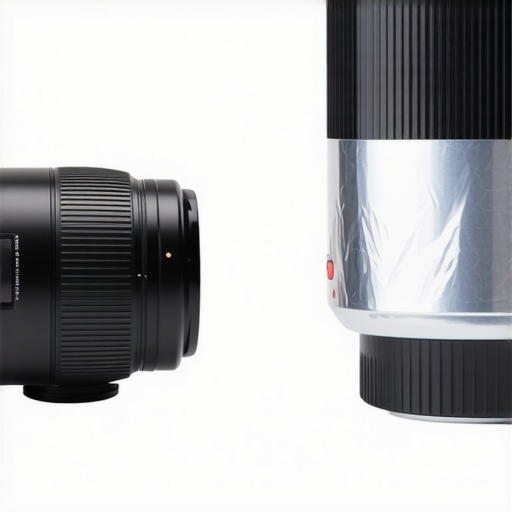
You will often see the LensCoat LensBand cited as the industry standard. While the branded version is excellent, the generic silicone versions perform nearly identically for a few dollars less. The material density is the same, and the friction coefficients are indistinguishable in real-world shooting scenarios. If you are buying five of them to outfit your entire kit, the savings add up quickly without any dip in performance quality.
Is it worth the upgrade?
If you are currently using standard rubber bands from the office supply store, the upgrade to a dedicated silicone lens band is absolutely worth it. Office rubber bands are made of organic latex that dries out, snaps, and leaves a powdery residue inside your camera bag. The dedicated silicone band is an ‘industrial’ upgrade that will likely outlast the lens itself. It is a one-time purchase that solves a recurring problem, making it one of the highest-value additions to any mobile or studio setup. If you are looking to round out your kit, you might also want to check out our latest camera reviews to see which lenses suffer most from creep.
Before you commit to a more expensive mechanical solution, check the current prices for these silicone bands. They are the most cost-effective way to sharpen your workflow without adding weight to your bag.
The Reality of Using Silicone Over Tape
After months of testing in both studio and field environments, the performance of this lens band is undeniable, but it is not without its quirks. If you are tired of your focal length drifting while you are trying to film overhead, here is the breakdown of why this beats the DIY approach.
- The Wins: It eliminates lens creep instantly, leaves zero sticky residue on expensive glass, maintains a professional matte look on set, and stays grippy even in humid conditions.
- The Fails: It is a massive dust and lint magnet, it can be a struggle to stretch over 82mm front elements, and it significantly increases the torque required for manual zoom pulls.
The Ideal Creator for This Low-Tech Hack
This is not a universal tool for every photographer, but for specific workflows, it is a life-changing accessory. If you are shooting vertical content for social media or setting up a tripod for long-exposure landscape shots, you need this in your bag. It ensures that gravity doesn’t ruin your composition while you are focusing on your talent. However, if you primarily use prime lenses or need to perform fast, fluid snap-zooms for sports, this will likely frustrate you more than help. It is the perfect companion if you already use a rubber mat to stop gear from sliding on your desk studio.#IMAGE_PLACEHOLDER_A#
Final Verdict: The Cheapest Way to Fix Your Framing
For $14, this is the best insurance policy you can buy for your heavy zoom lenses. It is a one-time purchase that effectively replaces the messy, unprofessional look of gaffer tape. While it might attract some lint, its ability to lock your focal length in place during a custom camera rig build is worth every penny. If your lenses are looking a bit dusty from the silicone’s static charge, make sure you have the right cleaning tools ready to go. My final advice? Stop overthinking it and just buy one for every zoom in your kit. It is a small price to pay for total peace of mind during a high-stakes shoot. Check the latest price here and save yourself the headache of lens drift.