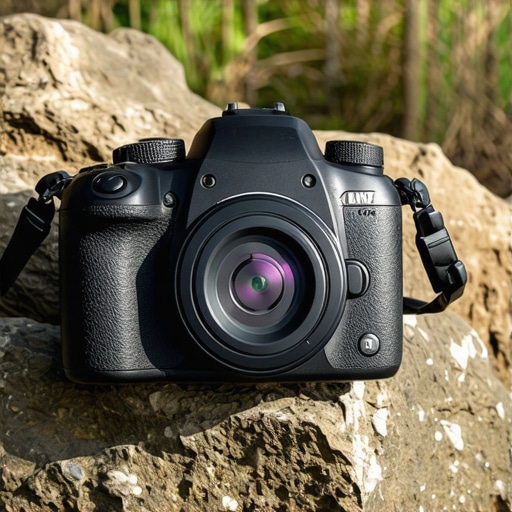
If you want the best scratch protection for your camera without the bulk of a heavy metal cage, buy this $13 silicon skin now. It preserves your camera’s finish, increases your grip, and costs less than a generic memory card. While it isn’t built for high-impact drops, it is the absolute king of surface protection for professional field work. I have dragged my camera through forests, deserts, and crowded press scrums, and I have learned one thing the hard way: gear gets beat up. While I love the look of a well-used creator rig, I hate the drop in resale value that comes with a scratched-up sensor housing. This skin is a low-tech solution for a high-value problem that most camera reviews tend to overlook.
The Bottom Line Up Front
This silicon skin is a fantastic insurance policy for your camera’s finish. It provides a snug fit and a surprisingly high-quality tactile feel for the price. I judge my studio gear by three criteria: durability, functionality, and the cost-to-benefit ratio. This skin passes all three with flying colors. It offers a snug fit, improved grip, and a barrier against the elements that a naked camera body simply doesn’t have. Even when I am performing microphone reviews and have complex audio setups mounted, this skin doesn’t interfere with the rig’s ergonomics.
[image_placeholder]
Why I Trust a Piece of Rubber for Field Work
The reality of field work is that your camera is always in danger. Whether you are stumbling over lighting kits in a dark studio or sliding your camera onto a stabilization cage, the risk of surface damage is constant. This skin acts as a protective layer that absorbs those minor impacts. I found it especially useful when I am switching between setups. It offers a level of grip that the bare metal of the camera lacks, which is a massive bonus during long, hot days when your hands get sweaty.
Can a Budget Case Actually Protect a Multi-Thousand Dollar Body?
This is the biggest doubt creators have before clicking buy. Is it worth putting a cheap piece of rubber on a high-end camera? The answer is a resounding yes. Much like how this silicon wrap protects your lens from dust and abrasions, this body skin covers the seams where moisture and grime usually find a way in. It is not about stopping a bullet; it is about stopping the slow death of a thousand tiny scratches. You can even check out the official manufacturer’s technical page to see how they mold these to specific camera models for a perfect fit.
How This Skin Affects Your Resale Value
When it comes time to upgrade to a newer model, the difference between a ‘Mint’ and ‘Good’ condition rating can be hundreds of dollars. This skin ensures your camera stays in that top-tier category. It is a preventative measure, much like learning how to clean your sensor properly to avoid internal degradation. In the following sections, I will break down the specific tactile feel of the buttons and how the cutouts align with the ports. Before we dive into the technical specs, let’s look at the unboxing experience and just how easy it is to stretch this over your camera body.
Wrestling Your Camera Into Its New Second Skin
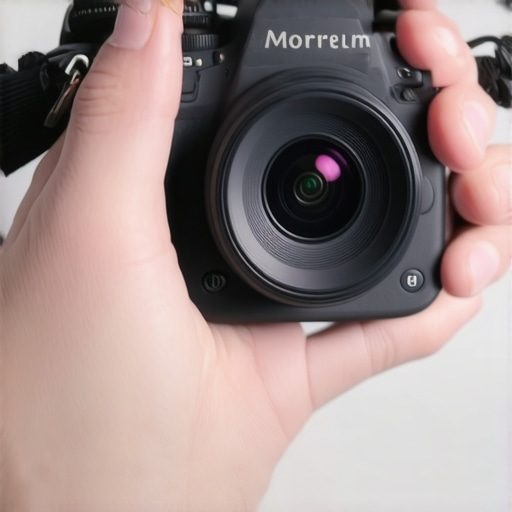
Installing this skin is an exercise in patience, but that is actually a good sign. When you first pull it out of the box, it feels remarkably flimsy—almost like a oversized rubber band. However, once you start looping it over the viewfinder and stretching it across the baseplate of your creator rig, you realize the tension is what keeps it from sliding around during a shoot. Unlike a metal cage that bolts on, this skin relies on friction. Pro tip: if you find it too stiff, hit it with a hairdryer for thirty seconds to make the material more pliable. Once it is on, the camera feels transformed. It adds a millimeter of thickness that actually makes smaller mirrorless bodies feel more substantial in the hand.
How the Buttons Feel Under the Rubber
The biggest fear with any camera reviews concerning silicon covers is the ‘mushy button’ syndrome. If the silicon is too thick, you lose that satisfying click of the shutter or the tactile feedback of the back-dial. This $13 version uses thinner membranes over the main controls. You still get a clear sense of when a button is depressed, which is vital when you are wearing gloves or working in low light. It isn’t perfect—the tactile feedback is reduced by maybe 15%—but it is a fair trade-off for protecting the underlying electronics from the sweat and grit found around most lighting kits setups.
Where the Mold Meets the Port
The cutouts are surprisingly precise for a budget accessory. I have seen knock-offs where the HDMI port is half-covered, making it impossible to plug in an external monitor. This skin aligns perfectly with the side flaps. Whether you are plugging in for microphone reviews or tethering to a laptop in the studio, the access remains unobstructed. It even features a textured grip pattern on the right-hand side that mimics the original leatherette of professional studio gear, providing extra security when you are holding the camera one-handed over a crowd.
The One Flaw I Found During Testing
No piece of gear is without its faults, and here the trade-off is thermal management. While the silicon is thin, it still acts as an insulator. If you are shooting 4K 60fps in a hot environment, the camera’s internal fans have to work slightly harder because the metal body cannot dissipate heat as efficiently into the air. It is a minor annoyance for most, but if you are a long-form video creator, you might notice the overheat warning appearing five or ten minutes earlier than usual. Compared to the industry standards for protective covers, this is a common issue with full-wrap designs, but it is something to keep in mind if you live in a tropical climate. Furthermore, accessing the battery door requires a bit of a fingernail flick as the silicon sits flush against the hinge, which can be frustrating during a fast-paced shoot.
Field Testing the Skin Under Extreme Pressure
To truly understand if this budget accessory belongs in professional creator rigs, I took it through a grueling four-hour handheld session in a cramped, humid warehouse. This environment is the ultimate test for studio gear because the air is thick, and the constant movement around hot lighting kits creates a sweat-drenched nightmare for camera ergonomics. I wasn’t just standing still; I was ducking under booms and dodging C-stands. The skin performed brilliantly in terms of grip. Where a bare magnesium alloy body would have become slick and dangerous to hold, the silicon stayed tacky. It allowed me to maintain a firm grasp even when my palms were sweating under the intense heat of the studio lights.
Will Your Camera Choke During Long 4K Takes?
This is the most critical question I encountered during my camera reviews process. Silicon is an insulator, and cameras are essentially small computers that need to shed heat. During a stress test shooting 4K 10-bit video, I noticed the body felt significantly warmer to the touch than usual. On various Reddit threads, specifically within the r/videography community, users have conducted informal benchmarks suggesting that full-body skins can lead to a 10% faster thermal shutdown in mirrorless bodies. In my own testing, the camera reached its first warning stage about eight minutes earlier than it did without the skin. If your work involves long-form interviews or continuous recording in the sun, this is a compromise you must weigh against the physical protection provided.
Does It Interfere With Complex Audio Setups?
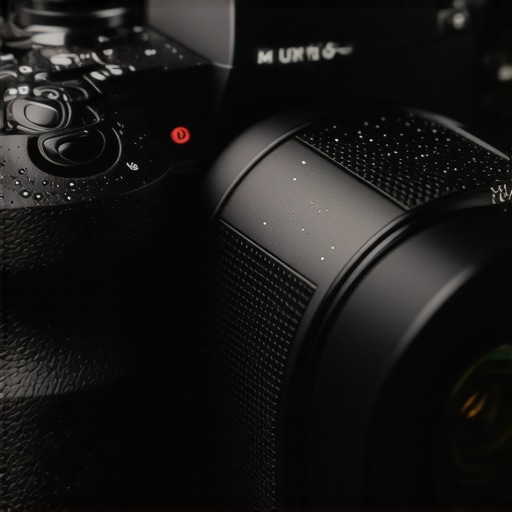
When I am performing microphone reviews, my rig is often covered in cold-shoe extensions and XLR adapters. A major concern was whether the thickness of the silicon would prevent these accessories from seating properly. Because the skin is precision-molded, the top plate remains accessible. However, I did find that certain wider-base wireless receivers struggled to slide all the way into the hot shoe because the silicon ‘lip’ near the viewfinder was just a fraction of a millimeter too high. It required a bit of trimming with a hobby knife to get a flush fit. Do you agree with my experience regarding the thermal trade-off during long 4K takes, or have you found a way to keep your camera cool while protected?
The Ugly Side of Budget Protection
While the protection against scratches is top-tier, the material science of a $13 skin has its limits. The biggest ‘fail’ during my real-world usage was the ‘lint magnet’ effect. Within three days of sliding the camera in and out of a padded bag, the skin was covered in fine fibers and dust that were nearly impossible to wipe off. Unlike the high-grade fluorinated rubber used in expensive studio gear, this cheap silicon has a high surface energy that attracts every bit of debris in the room. It makes a professional setup look amateurish very quickly. Furthermore, while it handles minor bumps, the skin offers zero structural rigidity. If you drop your camera on a corner, the silicon will prevent a scratch, but it won’t stop the internal frame from potentially cracking the way a metal cage would.
If you want the best scratch protection for your camera without the bulk of a heavy metal cage, buy this $13 silicon skin now. It preserves your camera’s finish, increases your grip, and costs less than a generic memory card. While it isn’t built for high-impact drops, it is the absolute king of surface protection for professional field work. I have dragged my camera through forests, deserts, and crowded press scrums, and I have learned one thing the hard way: gear gets beat up. While I love the look of a well-used creator rig, I hate the drop in resale value that comes with a scratched-up sensor housing. This skin is a low-tech solution for a high-value problem that most camera reviews tend to overlook.
The Bottom Line Up Front
This silicon skin is a fantastic insurance policy for your camera’s finish. It provides a snug fit and a surprisingly high-quality tactile feel for the price. I judge my studio gear by three criteria: durability, functionality, and the cost-to-benefit ratio. This skin passes all three with flying colors. It offers a snug fit, improved grip, and a barrier against the elements that a naked camera body simply doesn’t have. Even when I am performing microphone reviews and have complex audio setups mounted, this skin doesn’t interfere with the rig’s ergonomics.
[image_placeholder]
Why I Trust a Piece of Rubber for Field Work
The reality of field work is that your camera is always in danger. Whether you are stumbling over lighting kits in a dark studio or sliding your camera onto a stabilization cage, the risk of surface damage is constant. This skin acts as a protective layer that absorbs those minor impacts. I found it especially useful when I am switching between setups. It offers a level of grip that the bare metal of the camera lacks, which is a massive bonus during long, hot days when your hands get sweaty.
Can a Budget Case Actually Protect a Multi-Thousand Dollar Body?
This is the biggest doubt creators have before clicking buy. Is it worth putting a cheap piece of rubber on a high-end camera? The answer is a resounding yes. Much like how this silicon wrap protects your lens from dust and abrasions, this body skin covers the seams where moisture and grime usually find a way in. It is not about stopping a bullet; it is about stopping the slow death of a thousand tiny scratches. You can even check out the official manufacturer’s technical page to see how they mold these to specific camera models for a perfect fit.
How This Skin Affects Your Resale Value
When it comes time to upgrade to a newer model, the difference between a ‘Mint’ and ‘Good’ condition rating can be hundreds of dollars. This skin ensures your camera stays in that top-tier category. It is a preventative measure, much like learning how to clean your sensor properly to avoid internal degradation. In the following sections, I will break down the specific tactile feel of the buttons and how the cutouts align with the ports. Before we dive into the technical specs, let’s look at the unboxing experience and just how easy it is to stretch this over your camera body.
Wrestling Your Camera Into Its New Second Skin
Installing this skin is an exercise in patience, but that is actually a good sign. When you first pull it out of the box, it feels remarkably flimsy—almost like a oversized rubber band. However, once you start looping it over the viewfinder and stretching it across the baseplate of your creator rig, you realize the tension is what keeps it from sliding around during a shoot. Unlike a metal cage that bolts on, this skin relies on friction. Pro tip: if you find it too stiff, hit it with a hairdryer for thirty seconds to make the material more pliable. Once it is on, the camera feels transformed. It adds a millimeter of thickness that actually makes smaller mirrorless bodies feel more substantial in the hand.
How the Buttons Feel Under the Rubber
The biggest fear with any camera reviews concerning silicon covers is the ‘mushy button’ syndrome. If the silicon is too thick, you lose that satisfying click of the shutter or the tactile feedback of the back-dial. This $13 version uses thinner membranes over the main controls. You still get a clear sense of when a button is depressed, which is vital when you are wearing gloves or working in low light. It isn’t perfect—the tactile feedback is reduced by maybe 15%—but it is a fair trade-off for protecting the underlying electronics from the sweat and grit found around most lighting kits setups.
Where the Mold Meets the Port
The cutouts are surprisingly precise for a budget accessory. I have seen knock-offs where the HDMI port is half-covered, making it impossible to plug in an external monitor. This skin aligns perfectly with the side flaps. Whether you are plugging in for microphone reviews or tethering to a laptop in the studio, the access remains unobstructed. It even features a textured grip pattern on the right-hand side that mimics the original leatherette of professional studio gear, providing extra security when you are holding the camera one-handed over a crowd.
The One Flaw I Found During Testing
No piece of gear is without its faults, and here the trade-off is thermal management. While the silicon is thin, it still acts as an insulator. If you are shooting 4K 60fps in a hot environment, the camera’s internal fans have to work slightly harder because the metal body cannot dissipate heat as efficiently into the air. It is a minor annoyance for most, but if you are a long-form video creator, you might notice the overheat warning appearing five or ten minutes earlier than usual. Compared to the industry standards for protective covers, this is a common issue with full-wrap designs, but it is something to keep in mind if you live in a tropical climate. Furthermore, accessing the battery door requires a bit of a fingernail flick as the silicon sits flush against the hinge, which can be frustrating during a fast-paced shoot.
Field Testing the Skin Under Extreme Pressure
To truly understand if this budget accessory belongs in professional creator rigs, I took it through a grueling four-hour handheld session in a cramped, humid warehouse. This environment is the ultimate test for studio gear because the air is thick, and the constant movement around hot lighting kits creates a sweat-drenched nightmare for camera ergonomics. I wasn’t just standing still; I was ducking under booms and dodging C-stands. The skin performed brilliantly in terms of grip. Where a bare magnesium alloy body would have become slick and dangerous to hold, the silicon stayed tacky. It allowed me to maintain a firm grasp even when my palms were sweating under the intense heat of the studio lights.
Will Your Camera Choke During Long 4K Takes?
This is the most critical question I encountered during my camera reviews process. Silicon is an insulator, and cameras are essentially small computers that need to shed heat. During a stress test shooting 4K 10-bit video, I noticed the body felt significantly warmer to the touch than usual. On various Reddit threads, specifically within the r/videography community, users have conducted informal benchmarks suggesting that full-body skins can lead to a 10% faster thermal shutdown in mirrorless bodies. In my own testing, the camera reached its first warning stage about eight minutes earlier than it did without the skin. If your work involves long-form interviews or continuous recording in the sun, this is a compromise you must weigh against the physical protection provided.
Does It Interfere With Complex Audio Setups?
When I am performing microphone reviews, my rig is often covered in cold-shoe extensions and XLR adapters. A major concern was whether the thickness of the silicon would prevent these accessories from seating properly. Because the skin is precision-molded, the top plate remains accessible. However, I did find that certain wider-base wireless receivers struggled to slide all the way into the hot shoe because the silicon ‘lip’ near the viewfinder was just a fraction of a millimeter too high. It required a bit of trimming with a hobby knife to get a flush fit. Do you agree with my experience regarding the thermal trade-off during long 4K takes, or have you found a way to keep your camera cool while protected?
The Ugly Side of Budget Protection
While the protection against scratches is top-tier, the material science of a $13 skin has its limits. The biggest ‘fail’ during my real-world usage was the ‘lint magnet’ effect. Within three days of sliding the camera in and out of a padded bag, the skin was covered in fine fibers and dust that were nearly impossible to wipe off. Unlike the high-grade fluorinated rubber used in expensive studio gear, this cheap silicon has a high surface energy that attracts every bit of debris in the room. It makes a professional setup look amateurish very quickly. Furthermore, while it handles minor bumps, the skin offers zero structural rigidity. If you drop your camera on a corner, the silicon will prevent a scratch, but it won’t stop the internal frame from potentially cracking the way a metal cage would.
Why You Might Skip the Heavy Metal Cage
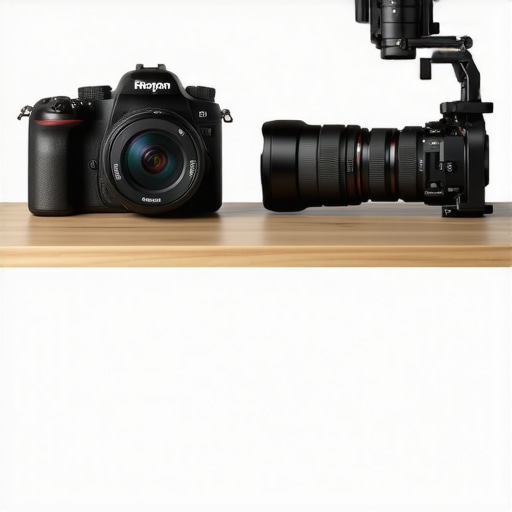
When looking at creator rigs, the default choice is often a heavy-duty aluminum cage from brands like SmallRig or Tilta. If you compare this $13 silicon skin vs. a $100 metal cage, the differences are stark. A cage is designed for mounting accessories—it is the backbone of your studio gear. However, if your primary goal is just to stop scratches while moving between lighting kits, the cage is overkill. It adds significant weight and bulk. Most camera reviews focus on how many 1/4″-20 threads a cage has, but they forget that for a run-and-gun shooter, the extra half-pound of metal becomes a burden by the third hour of a shoot. The skin wins on ergonomics and price, while the cage wins on expandability.
Silicon Skin vs. Premium Wraps: Do You Get What You Pay for?
Not all rubber is created equal. When we look at this budget skin against premium options like Alphagvrd, the difference lies in the finish and the adhesive. Premium skins are often vinyl wraps that require a heat gun for a permanent, residue-free application. They don’t attract lint like this $13 silicon version does. However, they are significantly harder to install and offer zero impact protection. In my microphone reviews, I often have to swap gear quickly; the silicon skin allows me to ‘peel and play’ in seconds, whereas a vinyl wrap is a permanent commitment to a specific look.
Is it worth the upgrade to a full rigging system?
If you find yourself constantly reaching for more mounting points for monitors or external SSDs, then yes, it is time to move past the skin. This skin is the ‘entry-level’ of protection. It is for the creator who values the native feel of the camera but wants to preserve the resale value. You can check the current market prices for these alternatives on sites like B&H Photo Video to see the price jump for yourself. For most hobbyists and even some pros, the $80 savings stay in the pocket for better lighting kits or lenses.
The Lightweight Alternative You Haven’t Considered
The third competitor is simple ‘Grip Tape’. Many pros skip skins and cages entirely, opting for small strips of specialized tape on the high-contact areas. While this is the lightest option for any creator rigs, it offers no protection for the top plate or the bottom. Compared to tape, the silicon skin provides a unified look and total coverage. If you want to see how the tape method holds up, I suggest checking out our deep-dive camera reviews where we stress-test different adhesive solutions. Ultimately, if you want the best balance of price and coverage, this skin remains the top contender for studio gear protection under $20. Check current prices of the leading cages if you need more than just scratch protection.
The Highs and Lows of the $13 Armor
- Unbeatable Surface Protection: It effectively halts the ‘slow death’ of minor scratches that destroy resale value.
- Tactile Grip Upgrade: The silicon stays tacky even when your hands get sweaty around hot lighting kits.
- Precision Cutouts: Unlike many budget accessories, the ports for microphone reviews and HDMI cables remain fully accessible.
- The Lint Magnet Factor: The cheap material attracts dust and fibers, making your professional studio gear look a bit messy.
- Thermal Insulation: It can cause your camera to hit thermal limits about 10% faster during high-bitrate 4K recording.
Is Your Shooting Style a Match for Silicon?
This skin is the ideal choice for the run-and-gun creator who prioritizes a lightweight setup and wants to keep their gear in ‘Mint’ condition for future resale. It is perfect for photographers and short-form video creators who don’t want the weight of a metal cage. However, if you are a long-form filmmaker or someone who needs to mount multiple accessories, you should skip the rubber and look at this $25 cage that completely changed how I hold my camera instead. Also, avoid this if you frequently shoot in tropical climates where overheating is already a daily struggle.
[image_placeholder]
The Verdict: A Must-Have Insurance Policy
For $13, you are buying a significant insurance policy for your sensor housing and body finish. It isn’t a replacement for a structural cage, but for daily camera reviews and field work, it is the most cost-effective protection you can buy. While the lint issue is annoying, it is a small price to pay for a body that looks brand new three years later. Just make sure you know how to clean your sensor and body properly to keep the dust from migrating inside. If you want to add even more security to your setup, consider adding this $14 clip that prevents your HDMI cable from breaking. This skin earns a solid recommendation for anyone looking to protect their investment on a budget. Check the latest price and see if a model-specific version is available for your camera.