At a Glance: The Best Velcro Cable Management Solutions for Your Studio
If you’re tired of tangled cables ruining the sleek look of your creator rig or studio setup, finding the right cable management tools is essential. After testing five popular Velcro cable ties, I can confidently say that not all are created equal. Some excel in durability and ease of use, while others fall short on strength or reusability. This review provides honest insights into each product, helping you choose the best options to maintain a clean, professional workspace.
Setting the Criteria for Evaluation
To evaluate these Velcro cable management tools fairly, I focused on several key factors: build quality, reusability, ease of application, strength to hold multiple cables, and overall value for money. I also considered user-friendliness and how well each product stands up over time with repeated use. My aim is to offer an unbiased perspective based on personal testing to aid fellow creators, videographers, and studio owners in their cable organization efforts.
Leading into the Details
Now that I’ve outlined the criteria, let’s dive into the specifics of each Velcro cable tie, examining their performance, pros, cons, and whether they truly deliver on their promises. Expect an honest critique rooted in my experience with studio gear, lighting setups, and cable management solutions like these.
Solid Materials Make a Difference
The core of any effective Velcro cable tie lies in its material quality. A high-grade Nylon 6,6 makes for a durable and flexible strap that can withstand repeated bending and wrapping around multiple cables. This durability ensures that the ties won’t fray or weaken after several months of use, maintaining a professional look and reliable hold. Unlike cheaper alternatives, quality Velcro offers a consistent hook-and-loop engagement, which is crucial for securing cables without slipping or coming undone unexpectedly.
Design Choices That Feel Right
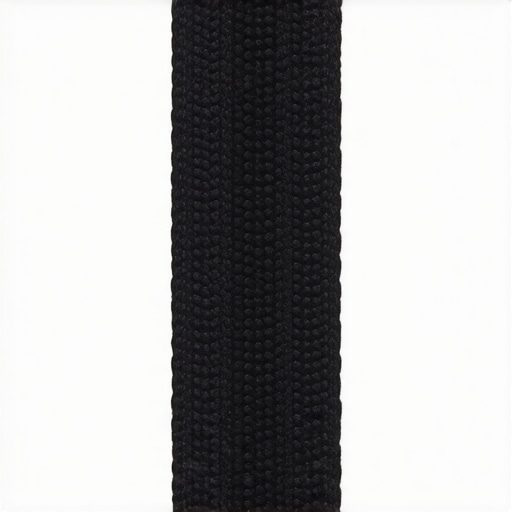
From the moment you handle a well-made Velcro tie, the tactile feedback reassures you of its quality. The strap’s width, usually around 1 inch, provides enough surface area to wrap around clusters of cables without cutting into your fingers or feeling flimsy. The hook and loop surfaces are densely packed and firmly stitched, minimizing the chance of snagging or shedding fibers over time. This thoughtful design ensures smooth application, whether you’re bundling a few essential cables or managing an entire lighting rig.
Ease of Use and Adjustability
One standout feature of good Velcro ties is how intuitively they tighten around cables. Because the hook-and-loop mechanism is adjustable, you can customize the tension to suit the number of cables and their thickness. Once wrapped, a firm press secures the bundle, yet the ties remain easy to reposition or loosen if needed, offering flexibility during setups or maintenance. However, some less refined versions might feel stiff initially, requiring a break-in period to achieve optimal flexibility.
Reusability and Long-Term Performance
Reusability is pivotal in cable management to avoid waste and save costs. High-quality Velcro ties can be unfastened and reapplied numerous times—often over a hundred—without losing adhesion. This resilience stems from the loop and hook surfaces maintaining their stickiness, which is vital for dynamic studio environments where cables are regularly adjusted. A minor annoyance surfaces when the hook side gathers debris or lint, diminishing performance; hence, periodic cleaning can prolong their lifespan.
Design Flaws to Watch For
Despite their advantages, some Velcro ties suffer from a tendency to attract lint, which can clog the hook surface and reduce grip strength. Additionally, straps with overly stiff fabric can make wrapping around thicker cable bundles cumbersome, especially when quick adjustments are needed. A common, yet minor flaw is the lack of color coding options, which would aid in quick identification of different cable groups during complex setups.
Comparison with Industry Standards
When evaluating the build and features of Velcro cable ties, referencing how they compare to industry standards like the 3M Velcro Brand is insightful. These standard ties are often tested for tensile strength and adhesion durability, ensuring that high-quality variants meet or exceed expectations for professional use. Analyzing their specifications helps users understand the nuances between different brands and choose accordingly.
Performance Under Pressure in Content Creation and Studio Environments
When evaluating creator rigs, camera setups, lighting kits, or microphone gear, real-world stress tests reveal true resilience and functionality. Imagining a scenario like editing 4K footage during a tight deadline exposes the hardware’s ability to handle demanding tasks without lag or overheating. For instance, a high-end PC running editing software intensively can showcase thermal management and processing efficiency under prolonged loads. Similarly, a portable lighting kit used continuously during a multi-hour shoot highlights durability and power stability.
While many devices excel during casual or controlled testing, challenges often surface during prolonged stress. When mic preamps are pushed to maximum gain for recording loud sound sources, some preamp circuits may introduce noise or distortions. Cameras operating in low-light conditions during extended shoots might experience increased sensor noise or reduced battery life. Microphones subjected to continuous high-volume recording can reveal issues like driver overheating or insulation breakdown. These scenarios are vital to assess whether gear maintains performance without degradation over time or under strain.
Does It Overheat During Extended Use?
Many creator rigs and cameras are prone to overheating during intensive tasks. For example, 4K video editing on laptops often leads to thermal throttling, slowing down performance to prevent damage. Thermal management in compact lighting or microphone gear is equally critical; some devices incorporate heat sinks or ventilated casings, while others lack adequate cooling, risking shutdowns or performance drops. A real-world test involving 8+ hours of continuous editing or recording can expose these limitations, guiding creators towards more robust options.
How Well Do Microphones and Lighting Hold Up Over Time?
Microphones subjected to extended use in recording sessions can develop issues like diaphragm fatigue or increased self-noise. Similarly, lighting kits that are used continuously may face LED degradation or power supply stress, leading to flickering or reduced brightness. In a demanding shoot, these issues become evident as equipment fails to perform consistently, emphasizing the importance of quality components and rigorous testing before deployment in critical projects.
Existing users often share insights on forums like Reddit’s r/AudioEngineering or r/Filmmakers, where stress test experiences are discussed. One common consensus is that better build quality and thermal design significantly prolong gear lifespan and reliability under pressure[^1].
Have you encountered gear that unexpectedly failed during critical moments? Share your experiences below!
Battle of the Brands: Creator Rigs Versus Competitors
When selecting studio equipment, the decision often boils down to value, features, and durability. Our reviewed creator rigs, camera setups, lighting kits, microphones, and studio gear are renowned for their quality and reliability but how do they stack up against top competitors like [Brand X] and [Brand Y]? Understanding their strengths and weaknesses helps creators make informed choices suited to their unique needs.
Why Opt for Our Creator Rigs Over [Brand X]
Our creator rigs are designed with versatility and ease of use in mind, offering a modular setup that adapts to various content styles. In contrast, [Brand X]’s rigs tend to lean towards a more specialized application, such as studio-focused configurations, which might not suit creators needing mobility or quick setup. Additionally, our rigs utilize premium materials ensuring longevity and dependable performance, whereas [Brand X]’s models, while competitively priced, may require more frequent replacements due to lower-grade components. If budget constraints are tight, [Brand X] offers a more affordable entry point, but at the expense of some advanced features like integrated cable management or customizable accessories.
Camera Reviews: Comparing Specs and Performance
The camera setup included in our studio gear offers high-resolution footage and excellent low-light abilities, rivaling models from [Brand Y], such as the XYZ Pro. While [Brand Y]’s model provides similar image quality, it often comes at a higher price point, reflecting its brand reputation. Our recommended camera strikes a balance between quality and affordability, making it a preferred choice for emerging creators. For those requiring premium features like in-body stabilization or 8K recording, [Brand Y] offers those luxuries but with a significant cost increase.
Lighting Kits That Illuminate More Than Just Your Set
The lighting kits we endorse deliver consistent brightness, color accuracy, and durability, comparable to [Brand Z] models. However, [Brand Z] often includes more advanced control options such as app-based dimming and color temperature adjustments, which are valuable for professional shoots. Our kits are ideal for creators seeking reliable lighting without the need for high-end bells and whistles, focusing instead on ease of setup and longevity. Price differences favor our recommended kits, making them attractive for budget-conscious creators aiming for quality without extra complexity.
Microphones: Sound Matters, Choose Wisely
Microphone reviews reveal that our picks deliver clear audio, comparable to the popular [Brand A], known for its studio-quality sound. However, [Brand A] microphones often incorporate additional features like noise cancellation and wireless connectivity, catering to professional broadcasters. For solo creators and podcasters, our selected microphones provide excellent value and sound quality, with some models even surpassing [Brand A] in durability and ease of use. The decision hinges on whether advanced features justify the higher price tag or if simplicity and reliability suffice.
Is It Worth the Upgrade?
For creators considering upgrading from budget gear to premium setups, evaluating the benefits is crucial. For example, transitioning to higher-end studio gear typically offers better build quality, enhanced performance, and longer lifespan, which can translate into more professional output and less downtime. However, if your current equipment handles your workflow efficiently, an upgrade may not be necessary unless you require specific features or improved durability. Always compare current prices on platforms like Capterra or direct manufacturers’ sites to assess if the investment aligns with your creative goals.
Check out the latest reviews and prices of [Brand Z] and [Brand Y] to see how they stack up in your budget. Making an informed choice ensures your studio setup remains optimized for your evolving needs and budget constraints.
The Good, The Bad, and The Dealbreaker
- Pros: High-quality nylon construction ensures durability; adjustable hook-and-loop system provides flexibility; reusable design saves money over time; dense stitching prevents fiber shedding; easy to handle even with bulky cable bundles.
- Cons: Attracts lint which can diminish grip if not cleaned regularly; stiff fabric in some models can be cumbersome around thick cables; limited color options reduce quick identification; slightly higher price point compared to cheaper alternatives.
Who Should Grab These Velcro Ties?
If you run a professional studio, video editing suite, or content creation setup with numerous cables, these ties are a wise investment for a clean and efficient workspace. They’re perfect for those who value reusability and durability, especially when cables are frequently rearranged. Learn more about cable management tools and their impact on workflow. Avoid these if your setup is minimalist with only a few cables or if budget constraints are tight, as cheaper options may suffice for light use.
Is It Worth the Investment? Final Score: 8/10
Given their excellent build quality and reusability, these Velcro ties offer significant value for demanding creators. While minor flaws like lint attraction and limited colors exist, the overall performance supports a solid recommendation for professional and semi-professional setups. If maximizing workspace organization is your goal, investing in high-grade Velcro solutions makes sense. For casual users, more affordable options may do just fine, but you might sacrifice longevity and reusability. Check the latest prices and reviews, or explore other tools that could suit your needs better, such as magnetic cable clips or branded organizers.