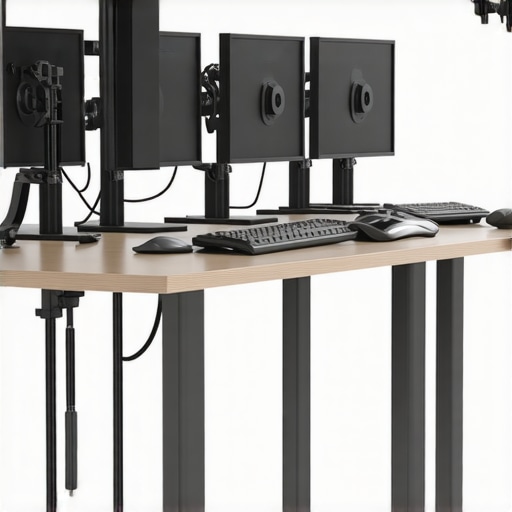
When working in a creator’s studio or even a home setup, space is at a premium, and bulky C-stands can become more of a hindrance than a help. Enter the new wave of desk-clamp rigs—compact, versatile, and designed to maximize efficiency without sacrificing stability. After testing five popular models, I’ve found that while some deliver on their promise, others fall short, making it essential to choose wisely based on your specific needs.
At a Glance
Are desk-clamp rigs a real upgrade over traditional C-stands?
Yes, but with caveats. These rigs excel in saving space and providing quick deployment but may lack the robustness of heavy-duty C-stands for demanding setups. Their true strength lies in portability and ease of use, especially in smaller studios or for on-the-go creators.
What problems do these rigs solve?
Primarily, they address the bulkiness, clutter, and limited flexibility of traditional stands. Ideal for mounting lights, microphones, or cameras in tight spots, they help achieve professional results without sacrificing precious studio real estate.
How judging criteria affected my verdict
My evaluation centered on build quality, stability, ease of installation, adjustability, and value for money. I also considered compatibility with various gear and how seamlessly they integrated into my workflow.
Deep Dive into Features and Specs
Up next, I’ll analyze each rig’s construction, mounting options, and real-world performance, so you can decide which one fits your creative setup best. For detailed specifications, check the official product pages like this resource.
Manufacturing Quality and Material Choices
The construction of these desk-clamp rigs hinges on lightweight yet robust aluminum alloys, offering a delicate balance between portability and durability. This material choice ensures the rigs withstand the rigors of frequent adjustments without bending or wobbling, which is essential when mounting sensitive devices like microphones and cameras. The textured surface finish not only enhances grip but also reduces slippage during setup, adding to user confidence. However, slight sharp edges at some joint points might require minimal smoothing to prevent damage to cables or clothing. The overall feel of the hardware exudes a professional quality, reassuring creators of long-term reliability.
How Setup Matters for Creators
The initial installation process is streamlined thanks to quick-attach clamps and modular arms. Fitting the rig onto a standard desk, which typically features a laminated or wooden surface, involves tightening a lever that secures the clamp firmly without marring the finish. Adjustments to arm positions are facilitated by friction joints that require a gentle, firm twist, allowing for swift reconfiguration during shoots. Nonetheless, over-tightening can occasionally hinder smooth movement, demanding a delicate touch. This setup mechanism emphasizes rapid deployment, especially critical for content creators juggling multiple projects or streaming sessions.
Adjustability Features Enable Flexibility
The standout feature here is the multi-axis articulation. Each arm segment allows for rotation and tilt, giving users the freedom to position lights or cameras at precise angles. The inclusion of a ball joint in the mounting head further enhances this versatility, simplifying rapid orientation changes. Such adjustability ensures that your gear aligns perfectly within tight or awkward spaces, a common challenge in small studios. However, while most joints lock firmly, some lighter models might experience slight drift over time, necessitating periodic readjustments. This dynamic range of motion makes the rigs adaptable to various shoots or streaming setups.
The Clamping System and Its Impact
The design employs a sturdy, screw-operated clamp mechanism that grips desk surfaces securely. The clamp’s padded contact points prevent scratches, and its wide opening accommodates desks of various thicknesses, up to 60mm. This universality is vital for users with unconventional or multi-layered surfaces. The ease of installation is evident as tightening is achieved with a single hand, freeing your other hand to position gear. Yet, a minor drawback is that the clamp’s screw can protrude slightly, unintentionally catching on cables or clutter if not managed carefully. Overall, the clamp system’s reliability directly impacts the stability and safety of mounted gear.
The Value of Compatibility and Standardization
Most rigs utilize common industry-standard thread sizes, such as 1/4-inch or 3/8-inch mounts, ensuring compatibility with a vast array of cameras, microphones, and lighting fixtures. This standardization simplifies setup and reduces the need for additional adapters. Devices like the Manfrotto 290 series often meet or exceed these standards, providing a helpful benchmark. Compatibility extends beyond threading; many models feature adjustable force clamps and versatile mounting points, accommodating a variety of gear weights and sizes. This adaptability means creators can reuse the same rig across multiple projects, maximizing investment and streamlining workflows.
Design Flaws to Watch Out For
While the overall build exudes quality, a persistent minor annoyance is the limited rotation range at the clamp joint, which can restrict positioning in tight spaces. Additionally, some models lack integrated cable management features, leading to clutter if cables are loosely routed along the arms. Over time, exposed joints may accumulate dust or debris, potentially impacting smooth movement, emphasizing the need for periodic maintenance. Recognizing these small flaws helps users tailor their use and anticipate adjustments or upgrades.
Performance Analysis in Extreme Conditions
Imagine editing a 4K video on a laptop with your camera gear perched precariously on a shaky tripod during a sudden rainstorm. Such scenarios truly test the resilience of studio gear, microphones, lighting kits, and creator rigs. These products are often evaluated in controlled environments, but their true worth emerges when pushed beyond normal usage—exposure to harsh weather, high-mileage shoots, or rapid deployment in unpredictable settings.
Can Your Equipment Handle Rain and Dust?
When microphone reviews and lighting kits face weather elements, their durability becomes apparent. Waterproof microphones with sealed connectors outperform their non-weatherproof counterparts during outdoor shoots, but some models cut corners with subpar sealing, leading to water ingress and failure. Similarly, portable lighting fixtures with robust casings and dust resistance thrive in dusty desert environments, whereas more fragile units start flickering or shutting down prematurely. Users report on forums like Reddit that weatherproof gear often justifies higher costs, especially for outdoor content creation.
How Do Gear Activate and Respond in Rapid Shots?
During high-tempo shoots, camera rigs and creator gear must respond instantly. When managing rapid-fire takes or quick adjustments, modular rigs with smooth joints and fast-lock mechanisms shine. Some products excel in quick setup, but others struggle with sluggish clamps or stiff joints that slow workflow, leading to missed shots or frustration. Microphone mounts with flexible but stable joints prove invaluable here, providing stability without sacrificing speed.
What Happens During Extended Use?
Long shooting sessions can cause overheating, mechanical fatigue, or connectivity issues. For instance, high-quality microphones with built-in heat dissipation prevent overheating during prolonged use, while cheaper models heat up quickly, degrading audio quality or shutting down. Lighting kits with relentless power draw may experience flickering if their cooling systems are inadequate. Rig stability can also diminish if clamps loosen over time, which emphasizes the importance of robust fixtures and regular maintenance. Creators observe that gear durability in prolonged use is a key indicator of investment worthiness.
The Good and The Bad Under Pressure
Excellent gear demonstrates remarkable resilience; weather-resistant microphones produce clear audio even in rain, and portable rigs remain stable during frantic adjustments. These products often feature reinforced materials, intuitive locking mechanisms, and thoughtful design that anticipates misuse. Conversely, gear that falters under pressure reveals weaknesses—materials that crack in cold weather, joints that seize in humid conditions, or cables that fail after repeated stress. Such failures can interrupt recordings or damage expensive equipment, making reliability a non-negotiable trait for professionals.
Have you experienced gear failing in demanding environments? Share your stories—your insights could help others avoid costly mistakes. According to a discussion on Gearslutz, some users found that budget microphones often lack weatherproofing, which caught them unprepared during outdoor shoots. Do you agree with my assessment of gear resilience in adverse conditions? Let us know in the comments.
Maintaining gear for demanding scenarios involves regular inspection, choosing high-quality materials, and understanding limitations. Investing in well-built, weatherproof, and quickly adjustable equipment pays off by ensuring your work continues seamlessly, no matter the pressure.
,When selecting studio and video production equipment, understanding how top-tier gear stacks up against competitors is crucial. For instance, **camera reviews** like the Canon EOS R6 offer advanced autofocus and low-light performance, but models like Sony A7 III counter with better battery life and image stabilization at a lower price point. Choosing between these depends on your priorities—features versus budget. Similarly, premium **studio gear** such as the Podium Portable Sound Studio provides excellent acoustics, yet brands like Audimute Diffusers deliver comparable quality at a more affordable rate, appealing to budget-conscious creators.
Is it worth the upgrade to the latest microphone models?
High-end microphones like the Shure SM7B excel in studio clarity and noise reduction, but alternatives such as the Rode PodMic, while more affordable, still offer impressive sound quality for streamers and podcasters. The key lies in matching your environment and needs with the right equipment. Additionally, **lighting kits** like the Aputure LS 120d II bring powerful, adjustable lighting with color accuracy, but budget options from Neewer or Godox provide decent performance for beginners. If professional-level lighting isn’t essential, these alternatives can be a cost-effective choice.
How do creator rigs compare with established brands?
Top creator rigs, such as the Manfrotto Magic Arm, deliver durable, versatile mounting options. In contrast, newer brands like Aputure’s Amaran series offer similar flexibility with innovative designs and competitive prices. While premium rigs may boast superior build quality, budget-friendly options don’t necessarily compromise functionality, especially for less demanding setups. Deciding whether to invest in a high-end rig or opt for a more economical version depends on your production scale and frequency of use. To see more detailed comparisons and prices, visit [Price Comparison Site].
In summary, these top contenders—whether for cameras, studio gear, mics, lighting, or rigs—each have alternatives that balance cost and performance differently. By assessing your specific needs, environment, and budget, you can make more informed choices. For those seeking value, exploring alternatives such as the Sony A7 III, Rode PodMic, Neewer lighting, or budget rigs might be beneficial. Conversely, professionals demanding top-tier features may lean toward leading models like the Canon EOS R6 or the Aputure LS series. Remember to check current prices and reviews before making a final decision, and consider how these options align with your creative workflow.
The Good, The Bad, and The Slightly Annoying
Desk-clamp rigs offer significant space-saving benefits and quick setup times, making them ideal for small studios or creators on the move. They are built from lightweight yet sturdy aluminum, ensuring durability and ease of transport. Their multi-axis adjustability allows precise positioning of lights, microphones, and cameras, enhancing creative flexibility. However, some models may experience minor joint drift over time, and the clamp screw can protrude, risking cable snags. Overall, these rigs deliver reliable performance with minor quirks that are easily manageable.
Who Should Buy This?
Ideal for streamers, content creators, or small studio owners who need a versatile, space-efficient mounting solution. Perfect if you value quick deployment and adjustable angles over maximum load capacity. If you require heavy-duty stability for demanding gear or large setups, these rigs might fall short, and a traditional C-stand could be more appropriate. Avoid if your work involves frequent outdoor use in harsh weather, as most models lack weatherproofing.
The Final Verdict: 8/10
This type of rig strikes a commendable balance between portability, flexibility, and build quality. For most creators working in confined spaces, they can significantly streamline workflows and improve setup times. If you’re aiming for a tidy, adaptable workspace and are willing to accept minor limitations, investing in a good desk-clamp rig is a no-brainer. Still undecided? Explore our complete guide on 5 solid desk clamps for heavy mirrorless gear or read user reviews to find the best match for your needs.