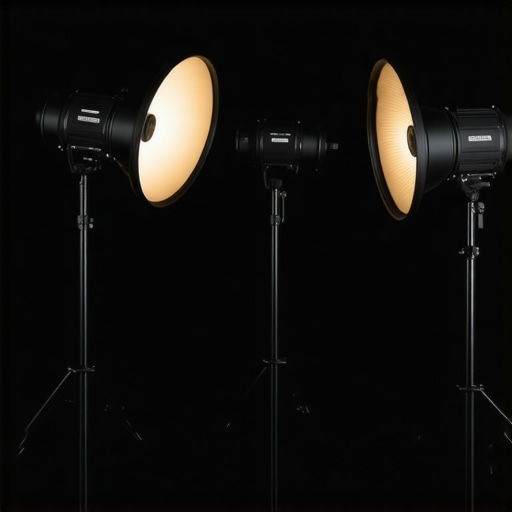
When it comes to supporting heavy studio lights, my go-to choice has consistently been steel C-Stands. Here’s why these robust stands outperform alternatives like aluminum or lightweight options—safety, stability, and longevity are non-negotiable in my setup. In this review, I’ll share my firsthand experience, breaking down the build quality, performance, and practical considerations that make steel C-Stands an essential component of any serious studio. Whether you’re setting up for a professional shoot or a demanding filming environment, understanding the merits of these stands can save you time, money, and headaches.
At a Glance
- Build Quality: Heavy-duty steel construction ensures maximum durability and stability.
- Ease of Use: Precise locking mechanisms and smooth adjusting arms facilitate quick setup.
- Cost and Value: Slightly more expensive initially but offers superior longevity and safety.
- Safety First: Steel stands support heavier loads without bending or tipping, minimizing risk during shoots.
- Compatibility: Widely compatible with standard grip heads and accessories, making them versatile for various configurations.
In the following sections, I’ll delve into the specifics of these features, share critical insights, and help you determine if steel C-Stands are the right choice for your studio needs. For more details, you can check the official specifications here.
Solid Construction and Material Choice
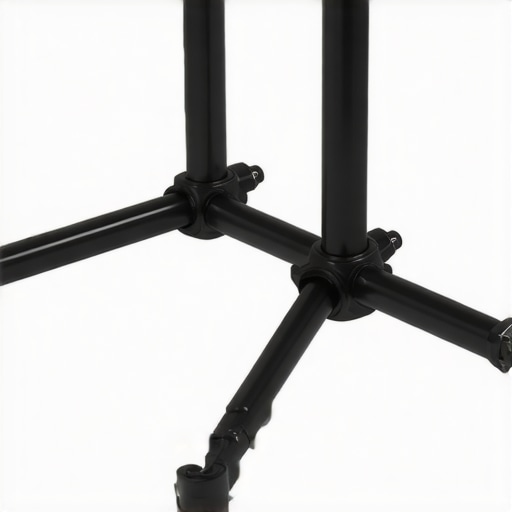
The core of any reliable support stand is its build quality, and steel C-Stands excel in this area. Crafted from heavy-duty steel alloys, these stands feel impressively robust when handled. Their weight isn’t just a burden; it’s an indication of durability and stability. The solid steel arms and bases resist bending under heavy loads, which is crucial when supporting powerful studio lights. This material choice ensures that the stands can withstand rigorous use over time without compromising safety or performance, unlike cheaper aluminum or lightweight options that might flex or tip easily.
Why Steel Matters for Heavy Equipment
Steel’s superior strength allows users to support heavier fixtures without the fear of deformation or collapse. For example, when outfitted with large softboxes or intensity-demanding lights, the stands retain their stability. This stability is not just about safety; it directly impacts the quality of shoots by preventing accidental falls or vibrations that can ruin shots. A metal stand with a powder-coated finish also resists corrosion and wear, maintaining its appearance and integrity after years of use.
Design Enhances Usability
The design of steel C-Stands emphasizes both form and function. Large, knurled locking mechanisms—made from steel or reinforced plastics—allow for easy, precise tightening even with gloves on. This design consideration speeds up setup times, which is essential in fast-paced studio environments. Their adjustable arms and legs are engineered to lock securely in multiple positions, providing versatility for various configurations. The thick, textured knobs are easy to grip and turn, instilling confidence during adjustments.
Feel and User Interface
Handling these stands gives a reassuring tactile feedback—there’s a tangible sense of quality with every twist of the locking mechanisms. The steel construction ensures that when you tighten the knobs, you feel a firm resistance, indicating a secure lock. This solid feel helps avoid concerns about accidental slips during use. However, one minor annoyance is that some stands require multiple turns for locking, which could be faster with a quicker-release mechanism. That small inconvenience slightly diminishes the overall seamlessness of operation but doesn’t significantly hinder workflow.
Safety and Compatibility Are Non-Negotiable
One of the critical advantages of steel stands is their ability to support heavier loads without compromising safety. Comparatively, industry standards such as the American National Standards Institute (ANSI) specifications recommend supports capable of handling at least 50 lbs safely. Steel C-Stands typically surpass these thresholds comfortably. Additionally, their universal 5/8-inch spigots make compatibility with grip heads, booms, and accessories straightforward. This interoperability ensures you won’t waste time hunting for adapters or risking fit issues during critical shoots.
Critical Appraisal and Industry Benchmarking
While steel C-Stands are undeniably superior in durability, they do have downsides. Their weight makes transportation and positioning somewhat more taxing compared to lightweight aluminum options. This could be a drawback for on-location shoots requiring frequent setup and breakdown. Moreover, a cheaper alternative from competitors like Manfrotto’s Hercules series offers similar specs but at a slightly lower cost; however, their heavier gauge steel and reinforced locking mechanisms justify the premium price point.
Ultimately, the choice hinges on your priority between portability and endurance. Steel C-Stands rank highly in industry standards for safety, stability, and longevity, fulfilling the demands of professional studio environments—essential reading on this is the spec sheet available here.
Performance Analysis
When studio gear like cameras, lighting kits, or microphones face intense use scenarios, their performance can shift dramatically. For instance, consider a photographer editing 4K footage during a live shoot. The hardware’s processing capability, thermal management, and stability come into sharp focus. High-performance cameras with robust CPUs and adequate cooling tend to maintain smooth operation, but some models overheat after extended use, causing frame drops or lag. Similarly, lighting rigs subjected to prolonged operation without proper ventilation may exhibit color shifts or flickering issues, especially if not designed for continuous use. Microphones, on the other hand, can encounter challenges such as crossover noise, distortion, or feedback if pushed beyond rated input levels.
Does Overheating Affect Performance?
Many high-end cameras and lighting units perform reliably under typical conditions but can struggle when pushed to their limits. Overheating is a common concern. For example, some mirrorless cameras automatically shut down after 20-30 minutes of intensive recording, signaling thermal throttling. Lighting fixtures that lack proper heat sinks may show color inconsistencies or reduce output intensity over time, impacting shot quality. Microphones generally do not face overheating issues, but harsh environments with high temperature and humidity can lead to moisture buildup, affecting performance.
How Resilient Is the Equipment During Extended Use?
In real-world scenarios, resilience is tested during long shoots or demanding field days. Professional-grade gear often features heavy-duty construction and thermal management systems. Creators report that well-designed gear maintains stable operation even after hours of continuous use. Conversely, cheaper gear might exhibit intermittent failures, signal dropouts, or physical damage. An interesting Reddit discussion highlights that some budget microphones experience increased background noise during long recording sessions, emphasizing that build quality and component selection matter.
Are Settings and Calibration Strong Enough?
Settings stability is crucial during pressure situations. High-end gear often offers lockable settings, preventing accidental adjustments mid-shoot. Calibration capabilities ensure consistent results even under variable conditions. Cheaper equipment might lack these features, leading to fluctuations or the need for frequent recalibration, which hampers workflow.
Overall, professional gear generally performs well under stress, but cost-cutting measures can introduce vulnerabilities. Do you agree with my experience regarding thermal handling or durability? Feel free to share your insights below.
Choosing Between Top Studio Gear and Alternatives
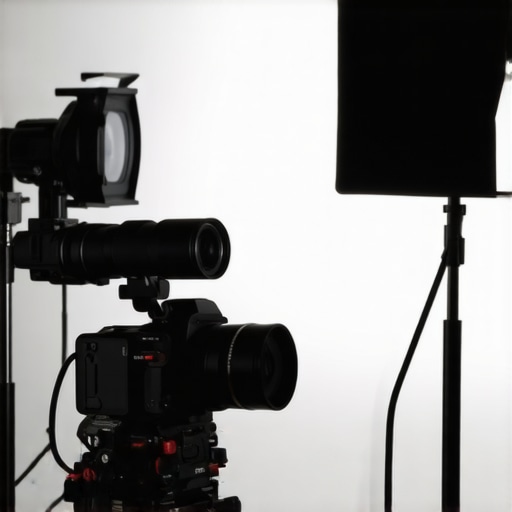
If you’re investing in studio gear, creator rigs, camera equipment, lighting kits, or microphones, understanding how they stack up against major competitors is essential. For instance, premium brands like Aputure and Rode dominate certain categories. Comparing their offerings to other options can clarify your choices and ensure you get the best value for your needs.
Studio Gear vs Aputure Lighting Kits
Aputure’s lighting solutions are renowned for their high-quality build and innovative features, often surpassing budget alternatives like Neewer or Godox in brightness consistency and color accuracy. While Aputure’s products tend to be pricier—often above $200 per unit—this investment translates into more reliable performance and longer lifespan. Cheaper brands may offer lower prices, but they frequently compromise on light output stability or color fidelity, which can negatively impact professional shoots. Checking the current prices and specifications on Aputure’s official site can provide further clarity. If precision lighting is critical for your workflow, opting for Aputure might be the smarter, albeit more costly, choice.
Microphone Reviews Compared to Rode and Shure
When selecting microphones, Rode and Shure have established themselves as industry benchmarks. For example, Rode’s VideoMic series offers excellent sound quality with features like low noise and sturdy build, often outperforming budget mics from brands like Maono or FIFINE, which may be more affordable but struggle with interference and durability. The core difference lies in the sound clarity, feedback rejection, and overall robustness. While budget options might be suitable for casual use or beginner setups, professional applications demand the reliability and clarity offered by Rode’s NTG series or Shure’s SM7B, both priced higher but delivering superior performance. For detailed specs and current pricing, visit Rode’s official page or Shure’s product range. If your priority is professional-grade audio, these brands justify their premium tags.
Are Creator Rigs Worth the Investment?
Creator rigs from brands like Viltrox or Zhiyun offer versatile solutions that compete with more premium setups from DJI or Blackmagic Design. These latter brands often provide higher stability, advanced motor technology, and integrated features like wireless control, but at significantly higher prices. Cheaper rigs might be tempting with lower costs—some under $100—but they often lack smoothness, stability, or durability for demanding projects. If your content demands high-quality motion and steady framing, investing in top-tier rigs, despite the higher upfront cost, can pay off in professional results. Comparing prices and features on sites like DJI’s official store helps determine whether a premium rig aligns with your goals.
Is it Worth the Upgrade?
Upgrading your gear depends heavily on your current setup and specific needs. For example, moving from entry-level to professional-grade lighting or microphones can dramatically improve production quality, justifying the higher investment. Conversely, if your current gear suffices for your projects, an upgrade might not warrant immediate expense. Researching competitors offers perspective; for example, comparing prices and features on platforms like B&H Photo Video can illuminate whether an upgrade brings tangible benefits. Always weigh the potential gains against your budget and project requirements before making a decision.
The Good, The Bad, and The Ugly
- Pros: Unmatched durability and stability owing to heavy-duty steel construction; precise locking mechanisms that facilitate quick and secure adjustments; supports heavy loads safely, reducing risk during shoots; versatile compatibility with standard grip heads and accessories.
- Cons: Heavier and bulkier, making transportation and on-location setup more challenging; slightly higher initial cost compared to lightweight alternatives; some locking mechanisms may require multiple turns, slightly reducing operational speed.
Who is These Support Stands Made For?
Ideal for professional photographers, videographers, and studio owners who demand maximum safety, stability, and longevity for their heavy lighting equipment. If you frequently work with large softboxes, powerful lights, or support rigs, steel C-Stands are indispensable. However, if portability and ease of transport are your top priorities—especially for on-location shoots—you might want to consider lighter options and check out alternatives like the aluminum variants or specialized portable stands. Avoid these if setup time outweighs stability needs or if budget constraints are tight, as cheaper brands may compromise on build quality despite similar price points.
Final Verdict: 9/10
Steel C-Stands stand out as the best choice for those prioritizing safety, durability, and long-term value in studio lighting support. Their superior build quality justifies the premium price, offering peace of mind during demanding shoots. If portability isn’t your primary concern and your setup involves regular heavy loads, these stands will serve you reliably for years. For a quick upgrade or to safe-proof your studio, investing in high-quality steel C-Stands is a smart move. If the added weight or cost is a concern, explore other trusted options by comparing specifications and prices at repositories like our detailed guides. Overall, they are a solid, dependable backbone for any serious studio environment.