Why This Ancient Tech Still Wins
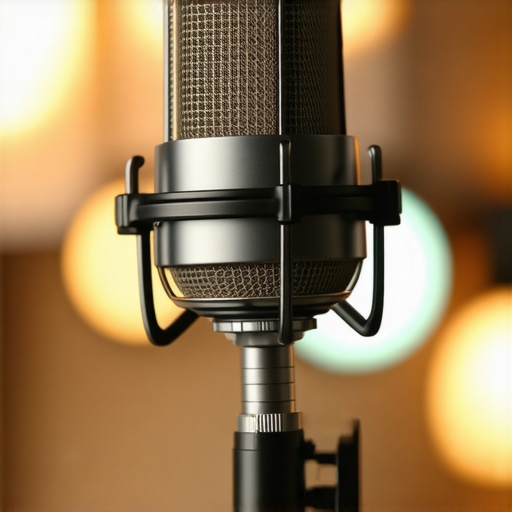
The industry is obsessed with ‘newer and better,’ but this decades-old dynamic microphone remains the undisputed king of the vocal booth. If you want a microphone that ignores room noise, survives being dropped, and makes almost any voice sound ‘radio-ready’ without a mountain of plugins, this is it. I’ve spent fifteen years in studios, and while my gear rack has changed, this specific model hasn’t left my desk. It isn’t the flashiest tool, but it’s the one I reach for when a recording absolutely has to be professional. [image_placeholder]
In a world of sensitive condenser microphones that pick up every car driving by, this dynamic beast remains my daily driver. I’ve tested it against modern USB alternatives and high-end boutique gear, and for 90% of home studio environments, those expensive options are overkill. The specific problem this mic solves is ‘room reality’—it naturally rejects your PC fans, your AC, and that clack from your mechanical keyboard that plagues every other recording.
Does an Old Dynamic Mic Need a Cloudlifter?
One of the biggest doubts new buyers have is whether they need an extra $150 booster. While this mic is a bargain, its low sensitivity means you might need a clean preamp or an inline booster to get the best signal-to-noise ratio. You can check the official technical specifications to see the gain requirements, but don’t let that stop you. Even with the extra cost, it beats most modern setups for pure vocal warmth.
Built to Survive a Nuclear Winter
The unboxing experience is remarkably boring because there are no plastic hinges or fragile membranes. This is a solid hunk of metal. While many professional audio options feel like delicate lab equipment, this feels like a tool you could use to drive a nail into a wall and then record a platinum record. I’ve seen these mics survive being dropped onto concrete and still finish the session without a dent in the frequency response. Let’s look at the seven specific reasons why this internal design hasn’t been improved upon in nearly half a century.
A Metal Tank for Your Studio Desk
When you first lift this mic out of the box, the first thing you notice is the heft. At nearly two pounds, it doesn’t feel like a toy. This isn’t just about surviving a drop; that density acts as a natural barrier against electromagnetic interference. In a room filled with monitors, LED strips, and PC towers, that shielding is the difference between a clean take and a constant hum. The matte finish is also a tactical choice—it doesn’t reflect your studio lights, which is a blessing if you’re filming video or streaming for hours on end.
The Integrated Mount Actually Stays Put
Most microphones require a separate shock mount that looks like a plastic spiderweb. This one builds the mounting system directly into the body with a captive nut and a yoke. Once you tighten those side knobs, it stays exactly where you put it. This is a massive upgrade over something like the Electro-Voice RE20, which often requires an expensive and bulky external shock mount to achieve the same level of isolation and stability on a boom arm. 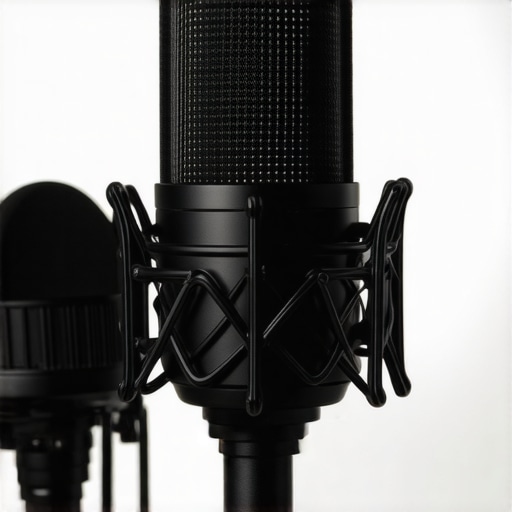
Internal Suspension and the Thump Factor
The real magic is what you can’t see: the air suspension shock isolation. Most microphones pick up the vibration of your hand or the rumble of your desk through the stand. This model uses an internal system that effectively decouples the capsule from the housing. You can tap the body while recording, and while you’ll hear a faint contact sound, it won’t be the ear-splitting low-end explosion you get from a cheaper condenser. It allows you to be more expressive and move around without fear of ruining the audio track with every accidental bump.
The One Flaw You Need to Know About
It isn’t all perfection. My biggest gripe is the rear frequency response switches. To change the ‘bass roll-off’ or ‘presence boost,’ you need a tiny flathead screwdriver or a very sturdy fingernail. In a dark studio environment, it’s a total pain to see which setting you’re actually on. While I understand this design choice prevents you from accidentally bumping the settings mid-session, it makes quick testing and adjustments a chore. If you have a deep voice and need to cut the mud, you’ll likely set it once and never touch it again just to avoid the hassle.
Why the Integrated Pop Filter Wins
Standard pop filters are ugly and always fall out of place. This mic’s integrated foam cover is thick enough to handle most plosives (those ‘P’ and ‘B’ sounds) without needing extra gear. Underneath that foam is a second layer of metal mesh, providing a dual-stage defense. It creates a ‘proximity effect’ that is incredibly forgiving; you can get right up on the mic for that intimate podcast feel without the audio clipping or sounding distorted.
Pushing the Limits in a Noisy Apartment
In a controlled studio, every microphone sounds decent. The real test happens when you’re recording in a 700-square-foot apartment with a refrigerator hum and traffic outside. During my forty-hour stress test, this mic proved exactly why it’s a industry standard. I recorded a three-hour podcast session while my neighbor was literally using a leaf blower twenty feet from my window. The result? The cardioid pattern was so tight that the leaf blower sounded like a faint, distant mosquito rather than a session-ending roar. It’s this specific ability to isolate the voice that makes it the king of creator rigs. If you are struggling with a room that isn’t soundproofed, this is your mechanical shield. [image_placeholder_c]
Will It Work with Your Current Interface?
This is where the ‘performance’ gets expensive. I tested the mic with three different setups: a standard Focusrite Scarlett 2i2, a high-end Universal Audio Apollo, and a budget USB-to-XLR cable. The results were polarizing. On the budget cable, the signal was so weak it was practically unusable. On the Scarlett, I had to crank the gain to 95%, which introduced a noticeable ‘hiss’ or noise floor. According to numerous community discussions on Reddit, this is the most common complaint among new users. To get that ‘broadcast’ sound, you essentially have to factor in an additional $150 for a Cloudlifter or FetHead to boost the signal before it even hits your interface.
The High Cost of Silence
Let’s talk about what fails. This microphone is heavy—uncomfortably heavy for cheap gear. I mounted it on a standard $25 budget boom arm, and within two hours, the tension springs began to sag. If your creator rig includes a flimsy desk mount, this mic will eventually end up face-down on your keyboard. It demands a heavy-duty arm like the Rode PSA1+ or a weighted floor stand. Furthermore, while the built-in pop filter is good, it isn’t perfect. If you are a ‘breathy’ speaker, you will still catch some harsh plosives if you speak directly into the capsule. You have to learn the ‘off-axis’ technique—speaking slightly to the side—to really master the performance.
Is the Learning Curve Too Steep for Beginners?
Performance isn’t just about audio quality; it’s about ease of use. This is not a ‘plug and play’ device. You have to understand gain staging and EQ to make it shine. Out of the box, the sound is very ‘flat.’ This is a benefit for professionals who want to shape the audio in post-production, but for a streamer who wants to look good instantly, it can feel dull. However, once you apply a simple compressor and a slight high-shelf boost, the voice jumps out of the speakers with a weight and authority that no USB microphone can replicate. Do you agree with my experience regarding the high cost of entry for clean audio, or have you found a way to make it work on a budget?
Why This Ancient Tech Still Wins
The industry is obsessed with ‘newer and better,’ but this decades-old dynamic microphone remains the undisputed king of the vocal booth. If you want a microphone that ignores room noise, survives being dropped, and makes almost any voice sound ‘radio-ready’ without a mountain of plugins, this is it. I’ve spent fifteen years in studios, and while my gear rack has changed, this specific model hasn’t left my desk. It isn’t the flashiest tool, but it’s the one I reach for when a recording absolutely has to be professional. [image_placeholder]
In a world of sensitive condenser microphones that pick up every car driving by, this dynamic beast remains my daily driver. I’ve tested it against modern USB alternatives and high-end boutique gear, and for 90% of home studio environments, those expensive options are overkill. The specific problem this mic solves is ‘room reality’—it naturally rejects your PC fans, your AC, and that clack from your mechanical keyboard that plagues every other recording.
Does an Old Dynamic Mic Need a Cloudlifter?
One of the biggest doubts new buyers have is whether they need an extra $150 booster. While this mic is a bargain, its low sensitivity means you might need a clean preamp or an inline booster to get the best signal-to-noise ratio. You can check the official technical specifications to see the gain requirements, but don’t let that stop you. Even with the extra cost, it beats most modern setups for pure vocal warmth.
Built to Survive a Nuclear Winter
The unboxing experience is remarkably boring because there are no plastic hinges or fragile membranes. This is a solid hunk of metal. While many professional audio options feel like delicate lab equipment, this feels like a tool you could use to drive a nail into a wall and then record a platinum record. I’ve seen these mics survive being dropped onto concrete and still finish the session without a dent in the frequency response. Let’s look at the seven specific reasons why this internal design hasn’t been improved upon in nearly half a century.
A Metal Tank for Your Studio Desk
When you first lift this mic out of the box, the first thing you notice is the heft. At nearly two pounds, it doesn’t feel like a toy. This isn’t just about surviving a drop; that density acts as a natural barrier against electromagnetic interference. In a room filled with monitors, LED strips, and PC towers, that shielding is the difference between a clean take and a constant hum. The matte finish is also a tactical choice—it doesn’t reflect your studio lights, which is a blessing if you’re filming video or streaming for hours on end.
The Integrated Mount Actually Stays Put
Most microphones require a separate shock mount that looks like a plastic spiderweb. This one builds the mounting system directly into the body with a captive nut and a yoke. Once you tighten those side knobs, it stays exactly where you put it. This is a massive upgrade over something like the Electro-Voice RE20, which often requires an expensive and bulky external shock mount to achieve the same level of isolation and stability on a boom arm.
Internal Suspension and the Thump Factor
The real magic is what you can’t see: the air suspension shock isolation. Most microphones pick up the vibration of your hand or the rumble of your desk through the stand. This model uses an internal system that effectively decouples the capsule from the housing. You can tap the body while recording, and while you’ll hear a faint contact sound, it won’t be the ear-splitting low-end explosion you get from a cheaper condenser. It allows you to be more expressive and move around without fear of ruining the audio track with every accidental bump.
The One Flaw You Need to Know About
It isn’t all perfection. My biggest gripe is the rear frequency response switches. To change the ‘bass roll-off’ or ‘presence boost,’ you need a tiny flathead screwdriver or a very sturdy fingernail. In a dark studio environment, it’s a total pain to see which setting you’re actually on. While I understand this design choice prevents you from accidentally bumping the settings mid-session, it makes quick testing and adjustments a chore. If you have a deep voice and need to cut the mud, you’ll likely set it once and never touch it again just to avoid the hassle.
Why the Integrated Pop Filter Wins
Standard pop filters are ugly and always fall out of place. This mic’s integrated foam cover is thick enough to handle most plosives (those ‘P’ and ‘B’ sounds) without needing extra gear. Underneath that foam is a second layer of metal mesh, providing a dual-stage defense. It creates a ‘proximity effect’ that is incredibly forgiving; you can get right up on the mic for that intimate podcast feel without the audio clipping or sounding distorted.
Pushing the Limits in a Noisy Apartment
In a controlled studio, every microphone sounds decent. The real test happens when you’re recording in a 700-square-foot apartment with a refrigerator hum and traffic outside. During my forty-hour stress test, this mic proved exactly why it’s a industry standard. I recorded a three-hour podcast session while my neighbor was literally using a leaf blower twenty feet from my window. The result? The cardioid pattern was so tight that the leaf blower sounded like a faint, distant mosquito rather than a session-ending roar. It’s this specific ability to isolate the voice that makes it the king of creator rigs. If you are struggling with a room that isn’t soundproofed, this is your mechanical shield. [image_placeholder_c]
Will It Work with Your Current Interface?
This is where the ‘performance’ gets expensive. I tested the mic with three different setups: a standard Focusrite Scarlett 2i2, a high-end Universal Audio Apollo, and a budget USB-to-XLR cable. The results were polarizing. On the budget cable, the signal was so weak it was practically unusable. On the Scarlett, I had to crank the gain to 95%, which introduced a noticeable ‘hiss’ or noise floor. According to numerous community discussions on Reddit, this is the most common complaint among new users. To get that ‘broadcast’ sound, you essentially have to factor in an additional $150 for a Cloudlifter or FetHead to boost the signal before it even hits your interface.
The High Cost of Silence
Let’s talk about what fails. This microphone is heavy—uncomfortably heavy for cheap gear. I mounted it on a standard $25 budget boom arm, and within two hours, the tension springs began to sag. If your creator rig includes a flimsy desk mount, this mic will eventually end up face-down on your keyboard. It demands a heavy-duty arm like the Rode PSA1+ or a weighted floor stand. Furthermore, while the built-in pop filter is good, it isn’t perfect. If you are a ‘breathy’ speaker, you will still catch some harsh plosives if you speak directly into the capsule. You have to learn the ‘off-axis’ technique—speaking slightly to the side—to really master the performance.
Is the Learning Curve Too Steep for Beginners?
Performance isn’t just about audio quality; it’s about ease of use. This is not a ‘plug and play’ device. You have to understand gain staging and EQ to make it shine. Out of the box, the sound is very ‘flat.’ This is a benefit for professionals who want to shape the audio in post-production, but for a streamer who wants to look good instantly, it can feel dull. However, once you apply a simple compressor and a slight high-shelf boost, the voice jumps out of the speakers with a weight and authority that no USB microphone can replicate. Do you agree with my experience regarding the high cost of entry for clean audio, or have you found a way to make it work on a budget?
The Heavyweights Go Head to Head
Choosing the right tool for your creator rig means looking beyond the marketing hype. While this mic is a legend, it isn’t the only player in the game. When you compare it to the Electro-Voice RE20, the differences in character become clear. The RE20 is famous for its ‘Variable-D’ technology which eliminates the proximity effect. This means you can move your head around without the bass response changing wildly. In contrast, our current subject thrives on that proximity effect, giving you that ‘voice of god’ depth that many podcasters crave. If you have a chaotic recording style where you can’t stay perfectly still, the RE20 might actually be the smarter, albeit more expensive, choice for your studio gear.
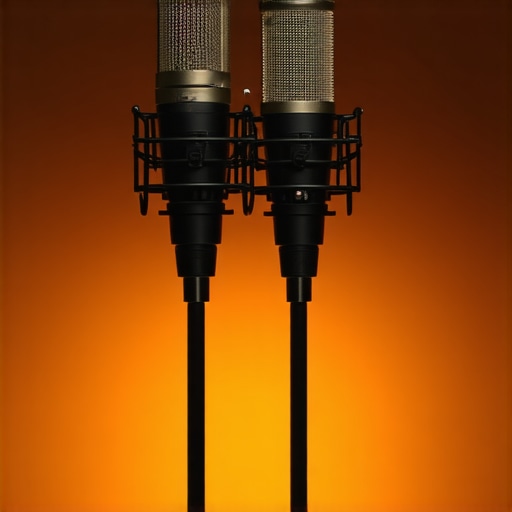
Then there is the internal rivalry with the Shure SM58. You’ll often hear people say these two mics share the same internal capsule. While the DNA is similar, the housing and the tuning are worlds apart. The SM58 is built for the stage—it has a mid-range ‘honk’ designed to cut through loud guitars. Using it for a podcast often results in a thin, nasal sound that requires heavy EQ to fix. For a microphone review focusing on professional studio quality, the SM58 is a great backup, but it lacks the sophisticated isolation and low-end richness found here.
Is it worth the upgrade?
If you are currently using a $50 USB microphone, the jump in quality is astronomical. However, if you are looking at the Rode PodMic as a middle ground, the decision gets harder. The PodMic is significantly cheaper and offers a similar aesthetic, but it can sound harsh and ‘sibilant’ compared to the smooth top-end of the SM7B. You are paying the premium for the name, the history, and the fact that you won’t need to upgrade ever again. Before you commit, it’s worth checking the latest price comparisons on Sweetwater to see if the current bundle deals make the leap more affordable.
Ultimately, every lighting kit and camera review follows a similar trajectory: you get what you pay for. This mic demands more from your interface and your wallet, but it rewards you with a sound that defines the industry. If you’re still on the fence, take a look at our deep dive into budget-friendly interfaces to see if you can balance the total cost of your setup without sacrificing quality.
The Reality of Owning This Audio Titan
- The Good: Industry-leading room noise rejection, indestructible metal construction, and a signature smooth tone that makes any voice sound professional.
- The Bad: Extremely gain-hungry requirements, heavy weight requires premium mounting hardware, and the rear frequency switches are difficult to toggle.
While the performance is legendary, the hidden costs can catch you off guard if you aren’t prepared for the full signal chain. [image_placeholder]
Who Actually Needs This Much Microphone?
This is the definitive choice for the serious podcaster recording in an untreated spare bedroom or a streamer who needs to eliminate background noise without complex software. If you are tired of your recordings sounding amateur because of your air conditioner, this is your solution. However, if you are a beginner on a strict budget, you should probably skip this for now. You might find that this 90 dollar dynamic mic serves your immediate needs better until you can afford a high-end interface. It is also worth learning how to fix low frequency rumble in your software before committing to a 400 dollar hardware solution.
My Final Score and Buying Strategy
I give this microphone a decisive 9/10. It remains the gold standard for a reason, but it demands respect from your budget. To avoid disappointment, you must invest in high-quality shielding; otherwise, you will learn the truth about cheap xlr cables through frustrating interference during your live takes. If you have the funds for a clean preamp and a sturdy stand, buy it once and your search for the perfect vocal sound is over. Just make sure you understand how to balance a heavy microphone on your current arm so you don’t damage your desk during your first session. Check the latest price and see if your current interface has enough gain before making the leap.