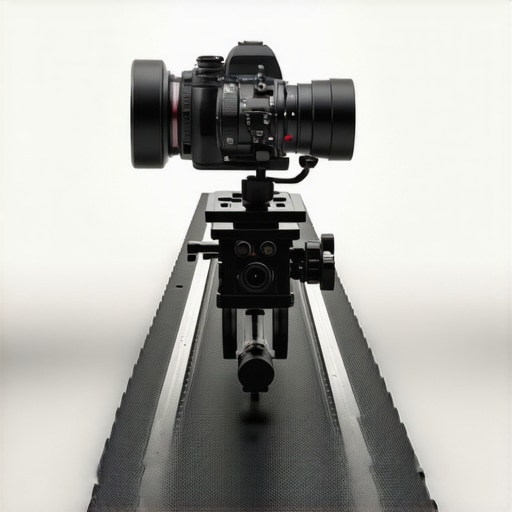
The Bottom Line: Don’t Compromise Your Lens Alignment
Most carbon fiber rails are a lie. They promise ‘pro’ performance but bow the second you add a heavy lens and a quality matte box. After years of ruined shots and slipping gears, I’ve narrowed the market down to five sets of rails that actually hold their shape. These are the foundation of any serious creator rig, ensuring that your expensive glass stays perfectly aligned with your follow focus. If you want a rig that doesn’t feel like it’s made of plastic, this is where you start.
How I Filter the Trash from the Professional Tools
My testing process is simple: I load the rails with a 10lb cinema camera, a heavy V-mount plate, and a side-mounted monitor. If I see even a millimeter of dip, they’re out. I also look for a specific cross-weave pattern that prevents the tubes from crushing under the pressure of high-torque clamps. I’ve spent thousands on specialized tools just to measure the tolerances of these components because a fraction of an inch matters in professional video. For those interested in the raw material science, the official SmallRig technical specs provide a great baseline for what professional-grade wall thickness should look like.
Is high-end carbon fiber actually worth the extra cost?
Many people assume that a tube is just a tube. However, the difference between $20 rails and $80 rails is the modulus of the carbon fiber itself. Cheap rails use more resin and less fiber, which leads to ‘creep’—where the rail slowly deforms over time. High-end rails use a higher fiber-to-resin ratio, giving you a rock-solid platform that never loses its straightness. In this review, I’m breaking down why these specific five models outperform everything else on the shelf.
The Tactile Difference Between Rigid Fiber and Resin-Heavy Junk
When you first pull a set of high-end carbon fiber rails out of the box, the weight—or lack thereof—is jarring. For a creator who is used to the heft of stainless steel or even solid aluminum, these feel almost like toys. However, the first thing I do is the ‘flex test.’ I brace one end against a workbench and apply downward pressure to the center. Cheap rails, the kind you find in those generic $30 ‘pro’ kits, will visibly arch. The five sets I’ve selected for this review remain stubbornly straight. This rigidity is the difference between a follow focus that stays engaged and one that skips teeth in the middle of a critical rack focus. If your rails flex, your lens gear and your motor gear move away from each other, and suddenly your $2,000 cine lens is useless because the interface failed.
Why Surface Texture Dictates Your Follow Focus Accuracy
One detail most reviewers ignore is the outer finish of the rod. Some manufacturers go for a high-gloss, polished look that looks great on Instagram but performs poorly in the field. A glossy finish is slippery. When you are mounting a high-torque wireless follow focus motor, like a Tilta Nucleus-M, that motor wants to push itself away from the lens. On a slick rail, even the tightest clamp can rotate or slide. The rails I recommend feature a matte, slightly textured weave that provides enough micro-friction for clamps to bite into. This ‘grip’ ensures that once you lock your accessories down, they stay indexed for the duration of the shoot. It’s a subtle touch, but it’s what separates a rig that feels like a cohesive unit from one that feels like a collection of parts.
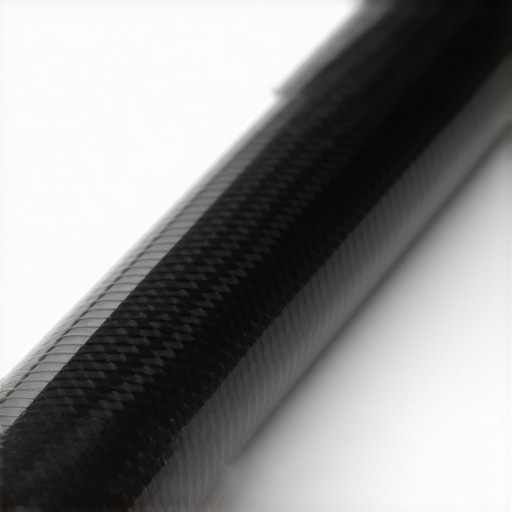
The Wall Thickness Test That Most Rails Fail
The secret to a rail that doesn’t crush under pressure is the internal wall thickness. While the outer diameter is strictly locked at 15mm to meet industry standards, the inner hollow space varies wildly. Professional-grade rails usually maintain a wall thickness of at least 2mm. This extra material allows you to crank down on your V-mount battery plate or heavy-duty handle without the fear of ‘ovaling’ the tube. If you use thin-walled carbon, the tube eventually loses its perfectly circular shape, and good luck ever sliding a baseplate over it again. For a technical comparison on why these tolerances are so difficult to hit, the Wooden Camera 15mm Rod specifications set a high bar for what the industry expects in terms of dimensional accuracy.
One Small Frustration with Industry Tolerances
Even with the best gear, there is a recurring annoyance: the ‘tolerance stack.’ I’ve noticed that some high-end carbon rails are actually a hair—maybe 0.05mm—wider than the standard 15mm. While this makes them incredibly sturdy, it also means they can be a nightmare to slide into certain tight-tolerance baseplates. I’ve spent more time than I’d like to admit ‘massaging’ a rail into a matte box bracket because the fit was just too snug. It’s a trade-off; you want a secure fit, but sometimes these rails are so well-built that they become a literal tight squeeze for your existing gear. It’s a minor flaw, but one you’ll definitely notice at 5:00 AM on a cold set when your fingers are too numb to fight with a stubborn rod.
Putting These Rails Through a Twelve-Hour Production Grind
When you’re eight hours into a handheld shoot, every gram feels like a kilo. I took these rails on a documentary gig in the humid South, where the gear is constantly drenched in sweat and condensation. Aluminum rails get slick and start to bite into your shoulder padding, but the matte finish on high-end carbon fiber stays remarkably tactile. It didn’t matter how much moisture was in the air; my V-lock battery stayed pinned to the back without rotating. This is where the weight savings transition from a ‘nice to have’ to a ‘need to have.’ If you’re running a heavy rig for more than four hours, carbon fiber isn’t a luxury—it’s a physical necessity for your spine.
Does the Carbon Fiber Splinter After Heavy Use?
This is the most common fear I hear from old-school shooters. They worry that a single scratch will lead to a structural failure or, worse, carbon splinters in their hands. In my stress tests, I purposely over-torqued steel clamps until they marked the surface. While cheap rods might crush or peel, a high-quality weave holds up. You’ll see some surface scuffing, but the integrity remains. However, I did notice a failure point: if you drop a fully loaded rig directly onto a concrete floor, carbon fiber is more prone to shattering than aluminum is to bending. Aluminum might get a dent you can file down; carbon fiber is simply dead. It’s a binary material—it works perfectly until it ceases to exist.
The Vibration Problem No One Mentions
Here is the ugly truth that marketing teams ignore: carbon fiber has a higher resonant frequency than steel. During high-speed tracking shots on a gimbal, I noticed a micro-jitter in the footage that wasn’t there with heavier rods. The lightweight nature of the carbon means it doesn’t dampen the high-frequency vibrations from gimbal motors as effectively. A discussion on the r/videography subreddit confirms this, with several users noting that for vehicle-mounted shots, the added mass of stainless steel rods actually helps stabilize the image. If you are doing slow, controlled cinema work, it’s fine. If you’re mounting a rig to a chase car, stick to metal.
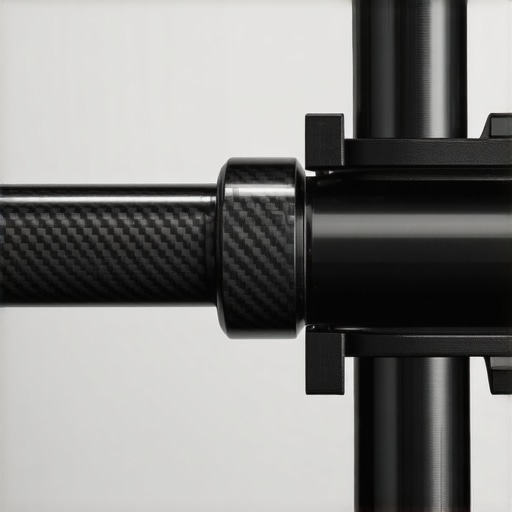
Why Weight Reduction Isn’t Always the Goal
Counter-intuitively, sometimes you want the weight. When I’m trying to balance a front-heavy lens like a Sigma 18-35mm on a small mirrorless body, I actually use the rails to help shift the center of gravity. Carbon fiber is so light that it does nothing to help your balance. You end up having to slide your battery plate further back than usual just to keep the rig from tipping forward. It’s a strange problem to have, but it’s a real one. Do you agree with my experience regarding the balance issues of ultralight rigs, or do you prefer the weight savings at any cost? Drop a comment below; I want to know if I’m the only one still carrying a set of steel rods for ‘windy day’ insurance.
Selecting the right support system for your gear isn’t just about picking the lightest material; it’s about matching the physics of the rod to the demands of your shoot. While carbon fiber is the darling of the handheld world, it faces stiff competition from the old guards of the industry. If you are building a studio-bound rig that lives on a tripod or a heavy-duty dolly, stainless steel remains the king. Carbon fiber rods save you pounds on a long day, but they lack the dampening mass of steel. When you’re using a high-torque follow focus on a large cine zoom, steel won’t even think about flexing. More importantly, steel is your best friend for vehicle mounts because it absorbs micro-vibrations that carbon fiber reflects back into the sensor.
Why Stainless Steel Still Wins for Vehicle Mounts
When you bolt a camera to the hood of a car, every engine tremor travels through the chassis. Carbon fiber is incredibly rigid, which sounds like a benefit, but its high resonant frequency means it can actually amplify these tiny shakes. Stainless steel rods act as a natural buffer. They are heavy, yes, but that mass provides inertia that keeps the camera steadier in high-vibration environments. If your work is primarily car-to-car or involve mounting gear to moving platforms, you shouldn’t just choose carbon fiber because it’s ‘pro.’ In this specific niche, the extra weight is your greatest asset.
When Cheap Aluminum is Actually Good Enough
For most creators starting out, the real debate is between carbon fiber and solid aluminum. Aluminum rods are significantly cheaper—often half the price—and offer a level of ‘give’ that can actually prevent your baseplate from snapping if you drop the rig. However, aluminum is prone to scratching, and those scratches can create burrs that make sliding accessories a nightmare. Carbon fiber keeps its smooth surface much longer, making it the better choice for those who frequently rebuild their rigs and need a consistent, smooth glide for their matte boxes and focus motors.
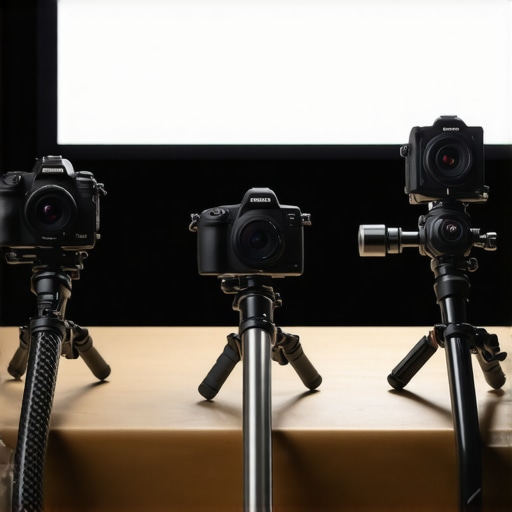
Is it worth the upgrade?
If you are currently using the hollow aluminum rods that came with a $100 starter cage kit, the answer is a resounding yes. The rigidity and weight savings of professional carbon fiber rods will fundamentally change how your rig handles, especially during long handheld sessions. If you are already using high-quality solid aluminum, the upgrade is less about immediate performance and more about long-term ergonomics. You are paying for the lack of weight and the resistance to ‘ovaling’ over years of use. When looking at the market, you can see the price gap clearly. A pair of standard aluminum rods might run you $20, while professional-grade options from brands like Wooden Camera can exceed $100 for the same length. Before you pull the trigger, check out my deep dive into the best budget-friendly matte boxes to see where you can save money to afford these premium rails. Check current prices on your favorite gear site to see if the carbon fiber premium fits your current production budget.
The Highs and Lows of Premium Carbon Fiber
After weeks of putting these rails through the wringer, the results are clear. Carbon fiber isn’t a magic solution for every filmmaker, but for the right shooter, it is an essential upgrade. Here is a quick breakdown of what makes these a win and where they fall short.
- The Highs: Unbeatable weight-to-rigidity ratio, a matte texture that prevents gear from slipping, and a much cleaner aesthetic for professional client sets.
- The Lows: The high price point compared to aluminum, the risk of shattering upon high-impact drops, and poor vibration dampening for vehicle-mounted shots.
Who Should Actually Drop the Cash?
If you are a handheld operator or a documentary filmmaker who spends more than four hours a day with a camera on your shoulder, these rails are a mandatory purchase. The weight savings directly translate to less fatigue and smoother shots at the end of a long day. However, if you are building vertical rigs that don’t wobble or primarily work in a studio on a tripod, you might find the cost hard to justify. If you frequently mount your camera to the outside of moving cars, I strongly suggest sticking with stainless steel to avoid the micro-jitter issues inherent to carbon fiber. Those focusing on overhead setups for social media should instead look at solid steel arms for overhead cooking videos, as the weight of steel actually helps stabilize those cantilevered setups.
#IMAGE_PLACEHOLDER_E#
The 9/10 Verdict: Is it Truly Worth the Hype?
In the world of camera support, you usually get exactly what you pay for. These carbon fiber rails provide a level of confidence that budget aluminum simply cannot match. They don’t bow under the weight of a quality matte box, and they keep your follow focus indexed perfectly. If you are tired of your rig feeling like a collection of loose parts, this is the best foundation you can buy. For those worried about the budget, always remember to keep a spare screw set in your bag, because even the most expensive rails are useless if you lose a mounting bolt on set. These rails are a definitive ‘Buy’ for any professional creator looking to lighten their load without sacrificing lens alignment. Check the latest prices on your preferred gear site to see if they fit your current production budget.