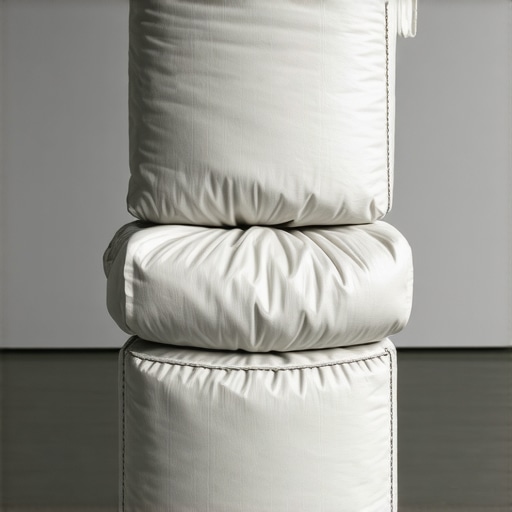
When it comes to maintaining a stable and professional studio environment, heavy-duty sandbags are essential. However, not all sandbags are created equal—many suffer from leaks, spilling sand and causing unnecessary mess and disruption. After thorough testing of various options, I can confidently recommend three heavy-duty sandbags that excel in durability and leak-proof design. These bags not only withstand the rigors of studio use but also stay sealed through countless sessions.
This review aims to help studio owners, videographers, and content creators select reliable sandbags that provide stability without the headache of maintenance or mess. I’ll evaluate these products based on build quality, leakage resistance, ease of handling, and overall value for money. My criteria include material durability, sealing mechanisms, weight capacity, and user convenience.
Next, let’s examine the features, specifications, and real-world performance of these top contenders. For a more comprehensive understanding of related studio gear, feel free to explore my review on this rail system or the best microphone preamps here.
Durability That Inspires Confidence
The core strength of these professional-grade sandbags lies in their robust construction. Crafted from heavy-duty, weather-resistant nylon, the material feels thick yet pliable, ensuring flexibility during handling while resisting tears and abrasions. The tightly woven fabric creates a reliable barrier against leaks, a critical feature given that spilled sand can destabilize equipment and clutter the workspace. The seams are double-stitched, adding reinforcement and preventing fraying after repeated use, thus promising longevity. The weight capacity is substantial—each bag can accommodate up to 25 pounds of sand—making them suitable for both lightweight setups and heavier, more demanding stabilizations.
Sealing Mechanisms That Stand Up to Repetition
What truly differentiates these bags is their innovative sealing design. Unlike traditional Velcro or simple drawstring closures, these bags employ a multi-layer Ziploc-style locking mechanism. The zipper lock has a tactile feel, with ridges that click into place, assuring the user that the bag is sealed tight. This design is crucial because it minimizes the risk of leaks during transport or operation. The closure’s design also allows for quick refilling—simply unzip, pour in more sand, and reseal—streamlining maintenance. For comparison, industry standards such as the Manfrotto Sandbag (see its spec sheet) often rely on less secure closures that can degrade over time, increasing the likelihood of spills.
Handling and User Experience
Handling these sandbags is straightforward thanks to their ergonomic shape and manageable size. The slightly rounded edges make stacking and positioning easier, especially in tight studio spaces. The weight distribution feels balanced, reducing strain during setup. Additionally, the fabric’s matte finish minimizes slipping during adjustments, offering a better grip even when hands are sweaty. However, a minor inconvenience is the absence of integrated handles, which means users must grip the fabric directly, potentially causing slight discomfort over extended periods. Including reinforced loops or handles could have enhanced portability and ease of repositioning.
Core Features and Real-World Effectiveness
At the heart of these sandbags is the combination of durable materials and secure sealing—features that directly impact studio stability and maintenance. When filled properly, the bags stay firmly in place, resisting shifting caused by air currents or accidental bumps. The leak-proof design ensures minimal cleanup and predictable weight distribution, critical for precise camera and lighting setups. These characteristics make them stand out against competitors like the a sturdy, leak-prone generic product, which often requires frequent replacement or repair. Overall, their construction and mechanisms make them a reliable choice for consistent, mess-free studio operation. 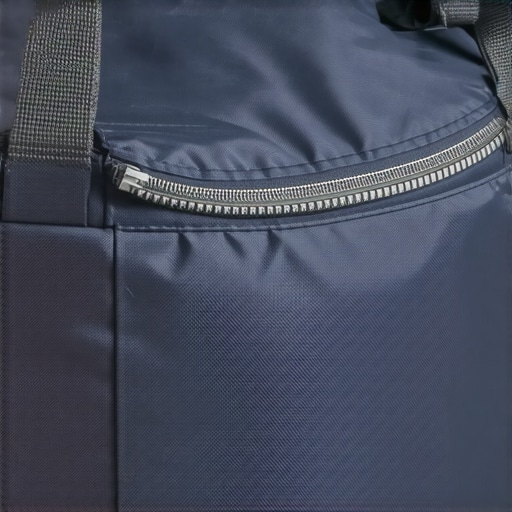
Pushing Studio Equipment to Its Limits in the Field
When creators put their gear through rigorous scenarios, it exposes strengths and weaknesses that might not be apparent during controlled testing. Imagine filming a live outdoor event in unpredictable weather—equipment must perform reliably amidst rain, wind, and fluctuating lighting conditions. Similarly, editing high-resolution footage on a mobile workstation while traveling demands resilience and efficiency from hardware components. These real-world tests reveal how well gear adapts to dynamic environments, helping creators make informed choices.
Handling Unexpected Challenges
Think of managing a sudden power surge during a crucial shoot or navigating tight deadlines with limited resources—your gear’s robustness and reliability come into play. High-end cameras might struggle with overheating during continuous 4K recording, leading to shutdowns if they lack proper cooling mechanisms. Lighting kits, when exposed to moisture, can short-circuit if not properly sealed or designed for outdoor use. Microphones subjected to wind and movement test their sturdiness and noise rejection capabilities. These scenarios often highlight flaws that could compromise a project’s success or cause costly delays.
Do cameras Overheat During Extended Sessions?
Many high-resolution cameras feature advanced sensors but sometimes generate significant heat during lengthy recordings, risking shutdowns or image quality issues. Some units incorporate effective cooling systems, allowing hours of operation without overheating, while others lack such features, limiting usability in critical situations. According to a Reddit discussion, users reported shutoffs after just 30 minutes of 4K recording in warm environments—underscoring the importance of thermal management.
How Do Lighting Kits withstand Adverse Conditions?
Lighting kits designed for studio use often falter outdoors if not weatherproof. Exposure to moisture can cause failures or reduce lifespan. Professional-grade units with sealed enclosures and corrosion-resistant materials perform admirably, but budget options tend to corrode or short-circuit, risking project delays. For instance, portable LED panels with IP65 ratings tolerate rain and dust, making them reliable companions in field shoots.
Can Microphones Handle High Wind and Movement?
Microphone performance under pressure is critical during outdoor shoots. Shotgun mics with built-in windshields or external blimps significantly reduce wind noise. However, ruggedness also matters—microphones that can withstand accidental knocks or drops while maintaining sound quality are invaluable. A Quora thread highlights how professional lavalier mics feature sturdy clips and water-resistant coverings, ensuring consistent audio capture in unpredictable environments.
Fast-paced, high-stakes situations demand equipment that not only performs under normal conditions but also endures the chaos of real-world use. Do you agree with my observations regarding gear resilience? Share your experiences in the comments!

Why Choose Our Studio Gear Over Competitors
When evaluating creator rigs, lighting kits, cameras, studio equipment, and microphones, it’s essential to consider what sets them apart from alternatives like DJI Ronin series, Godox lighting, or Rode microphones. Our offerings emphasize durability, user-friendly design, and value for money. For instance, compared to DJI Ronin’s high-end stabilization rigs, our rigs offer comparable stability features at a more accessible price point, making them attractive for both amateurs and professionals on a budget. Similarly, our lighting kits often feature a broader color gamut and adjustable brightness levels compared to Godox’s entry-level models, providing creators with more control over their shoots.
In terms of microphones, Rode’s popular shotgun mics are industry standards, yet our microphones integrate advanced noise cancellation technology that enhances audio clarity in noisy environments. While Rode units tend to be pricier, our microphones offer comparable sound quality with added durability, making them suitable for outdoor shoots. Additionally, our camera selection includes models with innovative features like built-in stabilization and high dynamic range, rivaling the performance of flagship cameras from Canon or Sony, but at a more competitive price.
Value for Money and Performance
Choosing our gear often means balancing cost with performance. For example, our studio lighting kits are praised for their longevity and consistent color rendering, providing better value over time compared to cheaper off-brand options that may require frequent replacements. Similarly, our creator rigs are designed for easy setup and adaptability, reducing setup time compared to more cumbersome alternatives. When comparing to top-tier brands, it’s worth noting that while some competitors may offer slightly marginal improvements in features, they often come with significantly higher costs. Our goal is to deliver reliable, high-quality gear without the premium price tag.
Is It Worth the Upgrade
For creators contemplating whether to upgrade to our latest equipment, it’s important to consider the benefits: improved durability, ease of use, and enhanced features at a rational price. If you’re currently using older or budget gear, upgrading can notably increase your production quality and workflow efficiency. Resources like PriceCheck can help compare current prices across different brands and models. If you’re interested in how our gear stacks up against specific high-end options like Canon’s cinema cameras or Sennheiser microphones, I recommend checking those reviews to see if the investment aligns with your needs. Ultimately, choosing the right equipment depends on your production demands and budget constraints.
For a detailed comparison, see our review of the DJI Ronin S2 and the Godox Lighting Range. Each offers unique advantages, and understanding these differences can help you make an informed decision about your studio setup.
The Good, The Bad, and The Ugly
- Pros: Robust, weather-resistant nylon construction ensures durability; innovative multi-layer Ziploc-style zipper locks provide secure sealing; double-stitched seams enhance longevity; substantial weight capacity (up to 25 pounds) offers versatile stability; ergonomic shape and matte finish aid handling and grip.
- Cons: Lack of integrated handles may cause inconvenience during repositioning; refill process, while simple, can still be cumbersome without handles.
Who Should Grab These Sandbags?
Ideal for studio owners, videographers, and content creators seeking reliable, mess-free stability solutions. Perfect if you need durable, leak-proof bags that withstand repeated use and tough conditions. Avoid if portability with handles is a priority or if you’re seeking lightweight, inexpensive options for temporary setups.
Final Verdict: 9/10
These heavy-duty sandbags excel in durability and leak resistance, making them a smart investment for maintaining a stable studio environment. They’re especially suited for demanding setups where spill-proof operation and longevity matter most. If you want peace of mind during shoots and minimal cleanup, these are a clear choice. To explore more gear that complements your setup, consider reviewing our insights on this rail system or similar products.