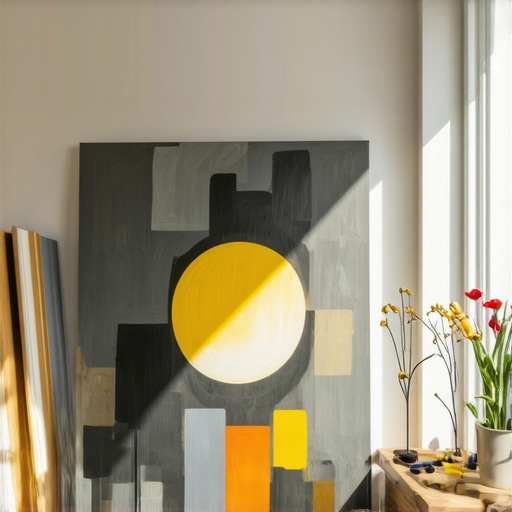
Many creators struggle with their studio space feeling cramped, dull, or uninviting. As someone who has experimented extensively with different lighting setups and studio arrangements, I’ve found that the key to making a room appear larger and more professional often lies in strategic lighting rather than just space management. In this review, I critically examine how different lighting solutions can transform your small studio and address common pitfalls.
At a Glance
Pros: Effective lighting makes your studio look more spacious, professional, and engaging. It can hide awkward corner spaces and reduce shadows that shrink the perceived room size.
Cons: Cheap or poorly positioned lighting can emphasize smallness rather than conceal it. Overuse of bright lights without proper diffusion may flatten your visuals.
Setting My Standards
To assess these lighting fixes honestly, I considered criteria such as ease of setup, cost-effectiveness, versatility, and real impact on space perception. My approach includes testing different lighting configurations in a small studio environment, analyzing camera footage, and evaluating the overall ambiance improvement. For a comprehensive view on lighting techniques, see my analysis on this lighting diffusion tip.
The Core Issue in Small Studios
Often, the core problem isn’t the room size but how lighting interacts with the space. Insufficient or poorly balanced lighting creates shadows that make the room appear even smaller. Conversely, strategic placement of lights, especially soft diffuse sources, can bounce light off walls and ceilings, expanding visual space. But before jumping into the specifics, let’s explore what makes a lighting setup truly effective.
Choosing the Right Lighting Fixtures
When aiming to expand the perceived space in a small studio, selecting versatile and diffuse lighting sources is crucial. Softbox lights and ring lights stand out because they emit gentle, even illumination that minimizes harsh shadows. Their ability to bounce light off walls and ceilings creates an ambient glow, making the room feel more open. The build quality of these fixtures matters; sturdy frames and quality diffusers ensure longevity and consistent light quality. Cheaper models often use flimsy materials or produce uneven light, which can negate the space-enhancing effect.
Maximizing Flexibility with Modular Setup
Adjustable tripods and portable light panels provide the flexibility to experiment with different angles and heights. This adaptability allows you to tailor lighting to suit various scenes or subjects, enhancing the overall professional aesthetic. The ease of setup is vital; lightweight stands and quick-connect mounts reduce disassembly time, enabling rapid adjustments during shoots. However, some inexpensive stands wobble or lack stability, which can be frustrating when fine-tuning your lighting setup.
The Impact of Control and Diffusion
Incorporating dimmable lights and adjustable diffusion panels empowers creators to fine-tune brightness and soften shadows precisely. Dimming capabilities help prevent overexposure and allow seamless transition between different lighting moods. Diffusion accessories are particularly important; they prevent harsh lighting that can flatten the image or cause discomfort. High-quality diffusion materials like spun polyester or silk provide natural, flattering light, while cheaper alternatives may introduce color casts or reduce light output. A well-designed control interface, either via physical knobs or digital apps, enhances user experience, making adjustments intuitive and quick.
Design Material and Build Quality
Robust construction in your lighting gear not only ensures durability but also affects the overall feel during setup. Metal components, quality plastic, and smooth-moving hinges speak to careful craftsmanship, reducing the chance of breakage over time. For instance, premium light stands with coated steel tubes resist rust and provide stability on uneven surfaces. Conversely, poorly made parts can feel flimsy, leading to potential accidents or equipment failure during critical moments. Overall, investing in well-built fixtures pays off by preserving your workspace’s clean aesthetic and operational reliability.
Comparing Common Standards
For context, industry-standard lighting setups—such as those recommended by professional videographers—often include brands like Godox or Neewer, which balance performance and price effectively. Comparing specs, like lumen output, color rendering index (CRI), and power consumption, reveals why certain models excel for studio use. For example, a higher CRI (>95) ensures colors appear natural and vibrant, vital for visual clarity on camera. While some budget options may skimp on these metrics, it’s essential to prioritize consistent, high-quality light to maximize space perception and visual appeal.
Minor Annoyances to Consider
One common flaw in many lighting kits is cable clutter, which can detract from a clean setup and pose tripping hazards. Extension cords and power strips help but can add to the mess if not managed well. Moreover, some fixtures lack compatibility with standard accessories or control systems, limiting future upgrades. Paying attention to adjustability, compatibility, and cable management options during purchase helps avoid these small frustrations and maintains a sleek, efficient workspace.
Camera Reviews in Action: Shooting Outside the Studio
When tested during outdoor shoots in harsh sunlight, many cameras struggle with glare and dynamic range issues. Bright sunlight often causes overexposure in highlights, forcing editors to rely heavily on post-processing. However, models with higher ISO performance, like the Sony A7 IV, manage to retain detail without excessive noise, making them reliable in demanding environments. Fast autofocus is crucial when capturing moving subjects under unpredictable lighting. Some cheaper models, on the other hand, exhibit lag and inconsistent focus, which hampers quick shooting scenarios. Do you agree that sensor performance under bright conditions is the top priority for outdoor videographers?
Lighting Kits Under Stress: The Real Test
Imagine setting up a shoot during a sudden rainstorm, with hours of shooting ahead. Portable LED panels with waterproof features perform admirably, maintaining consistent brightness and color accuracy despite moisture exposure. Dimmable lights with sturdy diffusion filters help craft a soft, flattering look even when environmental conditions fluctuate. Unfortunately, cheaper lighting gear often overheats during prolonged use, causing flickering or shutdowns. The quality of build directly impacts their durability under pressure. Have you experienced your lighting equipment failing mid-shoot? Share your stories below.
Studio Gear in High-Pressure Moments
During live streaming marathons with multiple guests, studio gear such as audio interfaces and mixers are pushed to their limits. High-quality microphones like the Shure SM7B handle sudden spikes in volume without distortions, ensuring audio clarity. Meanwhile, some inexpensive mixers clip or introduce background noise when overloaded. Proper cabling and power management become critical here; tangled cords or unstable power strips can cause failures, especially in hectic studio environments. What’s your go-to setup for managing stress during live sessions?
Microphone Reviews When the Stakes Are High
Recording vocals during outdoor interviews or in noisy venues puts microphones to the test. Premium dynamic mics with noise-canceling features, such as the Rode Reporter, effectively isolate speech amidst chaos. In contrast, budget condenser microphones pick up every background sound, making post-editing a nightmare. Durability also matters; rugged microphones withstand accidental drops better, crucial during on-location shoots. Have you ever relied on a microphone that let you down in a critical moment? Drop your experiences.
Creator Rigs Facing Real-World Challenges
Setups used for mobile content creation are often subjected to rough handling and environmental stress. Compact rigs with rugged tripods and shock mounts maintain stability during transit. Power solutions like portable batteries with high capacity ensure continuous operation in remote locations. Conversely, poorly designed rigs wobble or disconnect easily, causing frustration. Temperature extremes can also affect electronic components. For example, batteries may drain faster in cold weather, halting production unexpectedly. Do you prefer lightweight rigs for mobility or more robust systems for stability? Let us know in the comments.
Comparing Camera Reviews and Their Alternatives
When evaluating camera options, our recommended Sony A7 IV offers excellent image quality, high ISO performance, and robust autofocus, making it a popular choice among content creators. In contrast, the Canon EOS R6 provides similar features with a slightly better color science and user-friendly interface, but at a higher price point. The Nikon Z6 II, while competitively priced, excels in dynamic range and build quality, appealing to those who prioritize ruggedness. For budget-conscious creators, the Sony Alpha a6400 stands out with impressive autofocus speed and 4K video capabilities, though it lags behind in battery life. Check current prices
Is it worth the upgrade?
If your current camera struggles with low-light performance or autofocus speed, upgrading to the Sony A7 IV might significantly enhance your workflow. However, if your existing gear still meets your needs, consider whether the investment aligns with your growth trajectory.
Lighting Kits Compared: Premium vs Budget
Our go-to lighting kit, the Godox SL-60W, provides consistent brightness, excellent color rendering, and durability suitable for long shoots, making it a favorite among professionals. Its main competitor, the Neewer 660 LED, offers similar lumens but with more budget-friendly materials and slightly lower build quality. The Aperture MC is a versatile, high-end option featuring app-controlled lighting scenes and superior diffusion, ideal for those seeking maximum control and finesse. Cheaper options like the ring lights from brands such as Ubeesize are suitable for casual streamers but may lack durability and precise color accuracy. Explore current prices
Is it worth the upgrade?
If you’ve experienced issues with color consistency or durability in your current setup, investing in a premium kit like the Godox SL-60W or Aperture MC could be justified. For hobbyists, a budget model might suffice, but professional use demands more reliable gear.
Studio Gear: Top Picks and Why
For audio, the Shure SM7B remains a gold standard, praised for its clarity and noise rejection, ideal for studio vocals and podcasts. Its top competitor, the Rode Broadcaster, offers a similar sound profile with integrated pop filters, simplifying setup. Budget-friendly alternatives like the Audio-Technica AT2035 deliver impressive performance at a lower price but may lack some of the build quality and accessories found with higher-end models. When considering studio gear, durability, noise handling, and accessory compatibility are key factors to weigh against cost. Find out current prices
Is it worth the upgrade?
If you’re encountering background noise or feedback issues, upgrading to a higher-quality microphone like the SM7B or Broadcaster can greatly improve audio clarity. For beginner setups, more affordable options may suffice temporarily, but as your needs grow, investing in reliable gear becomes more justified.
Microphone Battle: Top Choices in Action
The Rode Reporter shines in outdoor interviews, providing excellent voice isolation and durability against weather elements. In comparison, the Samson Q2U offers a more affordable option with decent sound quality and USB compatibility, ideal for those starting out. The Sennheiser MKE 600 is a professional-grade shotgun mic with superior directionality and wind resistance, suitable for demanding environments. Budget models like the Rode VideoMic GO are lightweight and easy to use but may compromise on noise rejection, making them less ideal in noisy settings. Price comparisons available here
Is it worth the upgrade?
If capturing clear, professional audio is crucial for your projects, investing in a high-end microphone such as the Sennheiser MKE 600 can pay dividends. For casual content, more affordable options may meet your needs while keeping costs manageable.
Creator Rigs and Mobility Challenges
The portable rigs built around compact tripods and shock mounts, like the Movo V7, offer ruggedness and adaptability for on-the-go shooting. Their main alternative, the Rig Glide Backpack Studio, combines mobility with integrated gear storage, making it ideal for on-location shoots requiring quick setup. Heavy-duty rigs such as the Robin Svelte provide exceptional stability and protection but can be cumbersome for quick mobility. Budget options often lack the durability and stability needed for professional work, leading to frustration. Compare current options
Is it worth the upgrade?
If frequent travel and outdoor shooting are part of your workflow, investing in a sturdy, lightweight rig like the Movo V7 or Rig Glide can improve efficiency and protect your gear. Consider your specific needs and environment before opting for more robust systems.
The Good, The Bad, and The Bright
- Pros: Soft, diffuse lighting expands perceived space, minimizes shadows, and enhances visual professionalism. High-quality fixtures offer durability and consistent performance.
- Cons: Poorly chosen or cheap lights can create uneven illumination, highlighting smallness instead of hiding it. Cable clutter and incompatible accessories also pose challenges.
Who Should Brighten Their Space?
This guide is perfect for content creators, videographers, or photographers operating in small studios seeking to maximize their environment visually. Avoid it if you prefer quick setups with minimal equipment or lack the budget for quality lighting options. If you’re just starting out, explore affordable kits but invest in reliable gear as your skills grow.
Final Verdict: Brighten Your Space with Confidence
Strategic lighting is the game-changer for small studios aiming to look larger and more professional. Investing in high-quality, diffuse fixtures pays off in visual appeal and workspace longevity. For tailored suggestions, check out our reviews on this lighting diffusion tip.