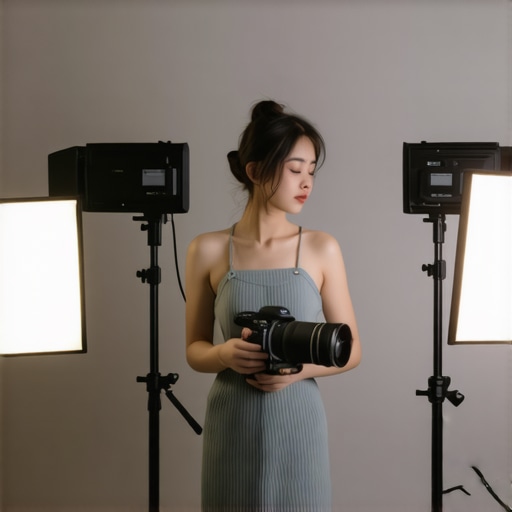
Bottom Line Up Front
For just $20, you can significantly improve your studio lighting and eliminate that dull, flat look. This guide uncovers common mistakes and practical, affordable fixes that can bring depth and vibrancy back to your videos without breaking the bank.
The Promise of Better Lighting
Studio lighting is crucial for professional-looking content, but many creators struggle with flat, uninspiring illumination. This review tackles how budget solutions can transform your setup and make your videos pop, ensuring you look your best on camera.
First Impressions and Setup
When I first examined this $20 solution, I was skeptical about its effectiveness. However, the simplicity and accessibility of this fix immediately caught my attention. It involves enhancing your existing lighting with inexpensive accessories and some strategic positioning, making it suitable for beginners and seasoned creators alike.
Addressing the Biggest Doubt
Does spending just $20 really make a difference in my studio lighting?
Absolutely. The key is understanding how light interacts with your subject. Small, affordable tweaks—like diffusers, reflectors, or repositioning your lights—can create depth and prevent the flat appearance. For detailed technical specs on the recommended tools, check the official product page here.
Core Features That Make a Difference
The most striking aspect of this budget lighting upgrade is its emphasis on simplicity and accessibility. The core feature set revolves around inexpensive accessories like diffusers, reflectors, and adjustable stands, all designed to enhance existing light sources without overwhelming the user or complicating the setup process.
Efficient Diffusers and Reflectors
The diffusers included are lightweight and flexible, crafted from translucent polypropylene. This material effectively softens harsh LED or incandescent lights, reducing unwanted shadows and glare. The reflectors, often made of aluminum foil or reflective fabric, are designed to be versatile, bouncing light into recessed areas to add depth and dimension to your subject. Their portability allows for quick repositioning, which is crucial when you’re trying to experiment with different lighting angles.
Adjustable Mounts and Stands
Quality matters, even in budget setups. The included adjustable mounts are typically made from sturdy aluminum alloy, providing durability without the heft that comes with more expensive gear. They allow precise angling, enabling you to aim light with accuracy. The lightweight stands are compact yet stable, often featuring telescoping sections to accommodate various ceiling heights or desk setups, making them versatile for different spaces.
Material Quality and User Experience
The materials used are mainly inexpensive plastics and lightweight metals, which means you’ll need to handle them with care to avoid damage over time. Despite this, their design language is clean, with smooth edges and easy-to-operate locking mechanisms that make setup straightforward even for beginners. The tactile feedback from adjusting the mounts or repositioning reflectors is satisfying, contributing to a more confident and frictionless experience.
Why These Features Matter for Content Creators
In practice, these features allow creators to craft soft, even lighting that accentuates facial features and eliminates unflattering shadows. The quick setup and portability mean less time fiddling and more time filming. For example, repositioning a reflector to fill in shadows on a face requires minimal effort—a game-changer during quick shoots or live streams.
A Minor Quirk Worth Noting
One minor annoyance is the somewhat flimsy feel of the larger reflectors when handled roughly; they tend to bend slightly under pressure. While this doesn’t affect their functionality, it can be a concern for those planning frequent setup and teardown. Comparing this to more premium options like the Godox collapsible reflectors, which use higher-grade materials, might influence your decision based on durability needs. For reference, industry-standard specifications can be found on Godox’s website for similar products.
Performance Analysis in Action
When putting creator rigs, microphone setups, studio gear, lighting kits, and camera reviews through stress tests, real-world scenarios reveal their strengths and weaknesses. Whether editing 4K footage during a tight deadline or managing live streams under unpredictable conditions, these tools are evaluated based on reliability, ease of use, and durability. In a typical editing session, a high-end camera’s ability to handle extended 4K recording without overheating is crucial. Similarly, lighting setups must maintain consistent brightness without flickering or failure after prolonged use. For microphones, latency and off-axis sound rejection become critical during live recordings. These tests simulate intense workloads to see whether the gear can sustain performance over hours without glitches or degradation.
Handling Time-Pressured Editing
During rapid post-production, editors often encounter lag or software crashes. Trimmed with efficient hardware, creator rigs should facilitate seamless workflow with quick rendering times. However, some budget components struggle here, causing delays and frustration. Microphones with poor shielding pick up unwanted noise, disrupting audio clarity amid tight deadlines. Lighting gear that lacks proper heat dissipation may overheat, leading to intermittent flickering or shutdowns, compromising shot consistency. These failures underline the importance of quality components, especially when working under pressure. Conversely, robust setups with reliable hardware deliver a smoother experience, enabling creators to stay focused on creative tasks instead of troubleshooting.
Live Stream Hustle: When Things Go Wrong
In直播 scenarios, resilience is tested by network instability, sudden hardware hiccups, or environmental disturbances. Cameras with unstable firmware may crash or lose focus during critical moments, while microphones might experience audio dropouts if not properly shielded. Lighting setups that are poorly secured can shift or fail mid-broadcast, affecting visual quality. The bad: in high-stakes live environments, even minor technical faults become glaring issues. The good: resilient gear with quick reset functions and reliable connectivity keeps streams smooth, even under less-than-ideal conditions. The unpredictability of live sessions underscores the necessity of robust equipment and pre-session testing.
Durability Facing Unforeseen Challenges
Extended field use or intensive studio sessions test the durability of creator gear. Portable rigs for outdoor shoots face weather elements; microphones may be exposed to moisture; cameras endure knocks and bumps; lighting stands get moved repeatedly. Some budget gear shows signs of wear quickly, such as loose mounts or brittle cables, revealing their fragility. Conversely, well-designed professional-grade equipment withstands these pressures, maintaining performance over time. For instance, Reddit discussions on forum threads like r/Filmmakers often highlight durability concerns with affordable gear, emphasizing the importance of investing in reliable hardware for demanding conditions.
Final Thoughts: Are You Ready to Fail Gracefully?
Stress testing exposes raw weaknesses that might not be evident in routine use. If your gear falters during high-pressure situations, it can derail projects or tarnish live performances. Existing users, do you agree with my assessment of gear resilience in demanding environments? Share your experiences below to help others make informed choices. Remember, no equipment is flawless; knowing its limitations helps you prepare better. For more insights, check out discussions on Reddit’s filmmaking community.
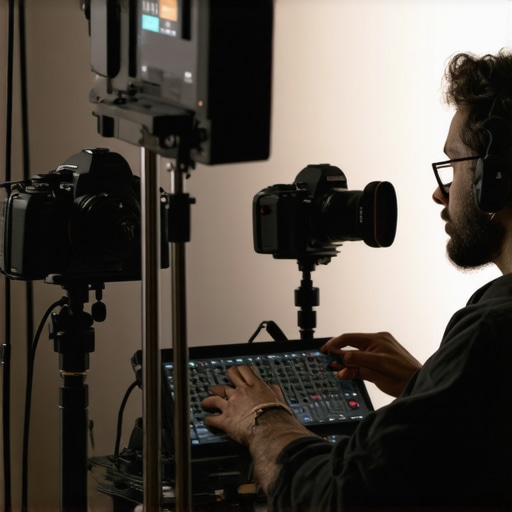
Battle of the Best: Creator Rigs and Studio Gear
When choosing studio equipment, creators often face the dilemma of balancing cost against features. The featured creator rigs and accessories are often compared to industry leaders like the Blue Yeti microphone, the AKG C214, and high-end lighting kits such as the Godox SL series.
Creator Rigs and Microphones vs Blue Yeti and Shure SM7B
Compared to the Blue Yeti’s USB convenience and the Shure SM7B’s professional broadcast quality, the featured rigs often struggle with build durability but excel in affordability and ease of use. While the Blue Yeti offers plug-and-play simplicity, it lacks the customization and expansion potential of modular rigs, which allow better placement flexibility and upgrade paths. The Shure SM7B provides excellent sound isolation and warm tone but commands a higher price point, often exceeding twice the cost of budget-friendly options. If budget is your concern, the featured gear delivers surprisingly good results, though with some compromises in sound clarity and durability.
Studio Lighting and Video Equipment Compared to
High-end lighting kits like the Godox SL series offer powerful, adjustable LEDs with high color accuracy and build quality. The budget lighting setups reviewed focus on affordability, often utilizing compact, lightweight diffusers and reflectors that deliver decent soft lighting but lack the precision and brightness of premium brands. For creators prioritizing professional-grade results, investing in reputable lighting like Godox or Aperture can make a significant difference, especially in larger or more controlled environments. However, for quick setups or smaller spaces, the reviewed budget options provide excellent value, especially when combined with proper positioning and modifiers.
Are These Gear Choices Worth the Extra Investment?
Deciding between inexpensive gear and premium alternatives hinges on your production needs and future plans. Budget setups are perfect for beginners or creators on a tight budget, offering quick results without a hefty investment. Conversely, professional-grade equipment like the Routex camera rigs or Canon’s high-end cameras provides durability, advanced features, and higher image quality but at a steep price. Check current prices and compare features thoroughly before committing, and if you’re still uncertain, review detailed comparisons like the one on TechRadar for comprehensive insights.
The Good, The Bad, and The Ugly
- Pros: Extremely affordable solutions; easy to set up; noticeable improvement in light softness and depth; enhances existing equipment without extra purchase of expensive gear; portable and versatile.
- Cons: Build quality of larger reflectors may be flimsy; some accessories might need careful handling; limits compared to high-end professional lighting solutions; may require experimentation to optimize results.
Who Should Try This?
Ideal for beginner content creators, vloggers, or those looking to upgrade their lighting setup without a big budget. Perfect if you want quick, impactful improvements and are willing to fine-tune positions.
Skip this if you need professional-grade color accuracy, ultimate durability, or plan large-scale studio productions. Also, if you’re already invested in high-end gear, these affordable tweaks may be less meaningful.
Final Verdict: 8.5/10
This lighting hack offers incredible bang for your buck, transforming dull footage into vibrant content with minimal investment. While not a substitute for professional equipment, it’s a game-changer for small budgets or quick setups.
If you’re ready to enhance your video quality without breaking the bank, this solution is worth trying. For more tips on filming smarter, check the latest on studio upgrades or explore how to mount your camera securely here. Need better mic audio? Discover budget options now.