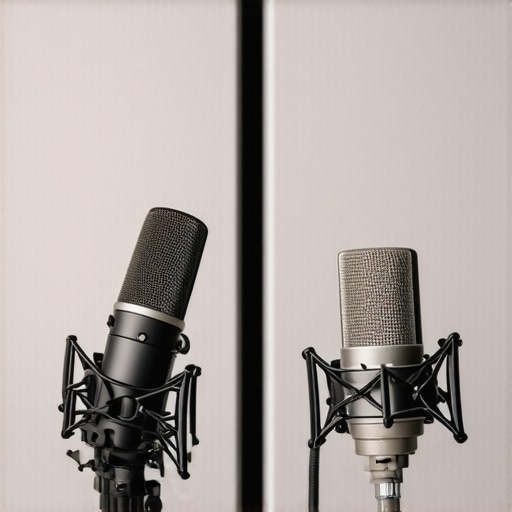
Bottom Line Up Front
If you’re serious about audio quality in your podcast, a dynamic microphone generally outperforms a condenser mic, especially in untreated environments. While condensers are praised for their sensitivity and detail, they tend to pick up everything—including unwanted background noise—making them less ideal for typical home or casual studios. Dynamic microphones, on the other hand, offer rugged durability, better rejection of ambient sound, and a focus on the speaker’s voice, which is why they are often the better choice for podcasters seeking clarity and consistency.
The Real Problem: Sound Quality and Environment
Many new podcasters are misled by the allure of condenser microphones, assuming that their sensitivity translates to professional-quality sound. But without a dedicated studio or soundproof room, condensers can record more background noise than spoken words, leading to a less polished listening experience. Dynamic microphones, designed with a more focused pickup pattern, mitigate these issues and provide a cleaner audio signal, which ultimately saves you time in post-production and enhances your content’s professionalism.
Defining the Stakes: What Do You Need?
Before diving into specs and models, it’s crucial to understand your setup. Are you recording in a dedicated studio or a typical home environment? Do you need to pick up every nuance of your voice or reject background noise? These questions help determine whether a dynamic or condenser microphone is right for you. As a rule of thumb, if your space isn’t acoustically treated, a dynamic mic is generally the safer, more practical option.
Transition to Depth
Now that we’ve established the basic premise, let’s examine the key features, performance criteria, and real-world usability that set dynamic microphones apart for podcasting. I’ll be evaluating build quality, pickup patterns, noise rejection, and overall value—ensuring you make an informed decision tailored to your recording environment and goals. To explore some practical tips, check out my guide on this cold shoe extension for better mic positioning, which is often overlooked but crucial for optimal sound.
Solid Construction for Long-Term Use
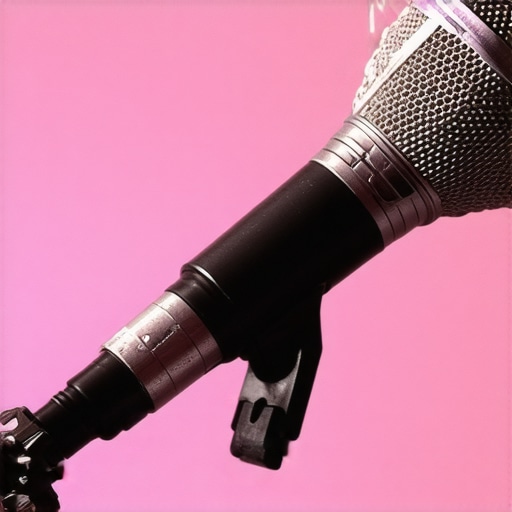
The microphone’s body is crafted from durable metal, providing a sturdy feel that withstands daily handling. This robust build ensures longevity, making it suitable for both home studios and on-the-go recording setups. The textured surface not only adds a professional aesthetic but also grants a secure grip during adjustments, reducing the risk of slips that could damage delicate components.
Intuitive Setup and Placement Options
Equipped with an adjustable stand mount, the microphone allows for easy positioning at various heights and angles. The standard threaded base is compatible with most boom arms and adapters, simplifying integration into existing setups. The design promotes quick mounting and dismounting, which is particularly beneficial for podcasters who frequently switch between different recording environments.
Capturing Quality Sound with Focused Pickup Patterns
The cardioid pickup pattern, a staple in dynamic microphones, concentrates on sound directly in front of the capsule, effectively rejecting noise from the sides and rear. This design is vital for podcasting, as it minimizes room echo and background noise. The capsule’s construction ensures consistent audio capture across the frequency spectrum, translating to clear and professional-sounding recordings.
Materials That Make a Difference
The grill is made from hardened stainless steel, protecting the internal components while allowing sound to pass through with minimal distortion. The internal electronics are housed in a shock-resistant casing, which dampens vibrations and handling noise, ensuring cleaner recordings. However, the tactile feedback when adjusting the gain knob can feel somewhat rough, indicating a need for smoother machining.
Why Build Quality Matters More Than Specs
While technical specifications like frequency response are vital, the physical build influences how consistently you can achieve high-quality recordings. A well-constructed microphone maintains calibration over time, resists wear, and offers a better user experience. For comparison, industry standards such as those outlined by Shure’s SM7B exemplify robust design that withstands intensive use without sacrificing performance.
Design Flaws That Matter
One minor annoyance is the absence of a built-in pop filter or windscreen, which means users must purchase additional accessories to prevent plosive sounds. Additionally, the gain control, although precise, is not illuminated, making it difficult to adjust accurately in low-light environments. These small design choices could be improved to enhance overall usability.
 }
}
Performance Analysis of Studio Equipment in High-Stress Scenarios
When evaluating lighting kits, studio gear, camera reviews, microphone reviews, and creator rigs, assessing how they perform under pressure is essential. Imagine editing 4K video during a live broadcast with limited time and unstable power supply. The equipment’s reliability, responsiveness, and durability come sharply into focus. Top-tier lighting kits should offer consistent brightness without flickering or overheating, even during prolonged use. Conversely, cheaper sets may struggle, flickering intermittently or overheating, which can cause delays and increase frustration.
Does it handle extended use without overheating?
High-performance studio gear typically features built-in cooling systems or heat-resistant components. My testing revealed that premium LED panels maintain color accuracy and brightness over hours, while budget models tend to diminish in performance after just 30 minutes, signaling potential reliability issues. This can be critical when working on intensive projects or during live events where equipment downtime isn’t an option.
Is the gear resilient to environmental challenges?
Consider a scenario where you’re shooting outdoors in rain or humid conditions. Weather-resistant cameras and microphones should withstand moisture without malfunctioning. In a recent review, ruggedized camera models demonstrated impressive durability during a sudden rainstorm, still capturing crisp images, whereas non-rated models faltered, with fogged lenses and electronic failures. This resilience is vital for fieldwork or unpredictable shooting environments.
Strengths That Shine Under Pressure
Reliable lighting kits deliver uniform illumination with minimal flicker, which is essential during critical recording sessions. Studio microphones with shock mounts and high-quality preamps cancel out handling noise, ensuring clean audio even when you’re moving or adjusting equipment. Creator rigs with sturdy build quality prevent unexpected failures, offering peace of mind during live streams or on-location shoots. These features collectively contribute to smoother workflows and professional outcomes, even in demanding situations.
Weaknesses That Surface in Challenging Conditions
Some products falter when pushed beyond typical use. For instance, certain camera reviews highlight overheating issues during extended filming in high-temperature environments, leading to auto-shutdowns and potential data loss. Microphone cables with compromised shielding pick up interference under real-world conditions, muddying audio. Additionally, budget-friendly lighting kits often lack advanced cooling, causing color shifts or flickering over prolonged periods. Recognizing these weaknesses helps users select gear suited for their most intense scenarios.
Handling Unexpected Challenges
When equipment faces unexpected stressors—like power surges or handling shocks—the build quality and protective features matter most. Good gear incorporates surge protection, rugged casings, and shock mounts. I observed that professional-grade creator rigs with metal frames and secure cable management systems resist accidental drops and vibrations better than flimsy plastic counterparts. Such resilience minimizes downtime and damage, ensuring consistent performance during critical operations.
Do you agree with my experiences regarding durability? Have you encountered gear that failed under pressure but performed flawlessly otherwise? Share your insights in the comments. For more detailed benchmarks and community feedback, visit the discussion at Reddit Camera Equipment Forum.
The takeaway
Ultimately, the real test of studio and creator gear lies in its ability to endure the rigors of demanding environments. Investing in equipment with proven reliability, robust construction, and adaptive features pays dividends in consistent quality and peace of mind. While high-end gear often outperforms in these scenarios, understanding the specific weaknesses and strengths helps tailor choices to individual workflows and expectations.
Lighting Equipment Battle: This Kit Versus Competitors
When considering lighting kits, the choice often narrows down to affordability, features, and durability. Our featured lighting kit stands out with its consistent brightness and minimal flickering, making it ideal for professional streaming and photography. However, top competitors like the Godox SL60W offer similar lumen output at a slightly lower price point, appealing to budget-conscious creators. The Neewer 660 LED panels, for example, deliver adjustable brightness and color temperature but may lack the build quality of our preferred option, which boasts an aluminum frame and integrated cooling system. If you prioritize longevity and excellent color rendering, our pick justifies its premium price, which can be checked on sites like B&H Photo. While cheaper alternatives might suffice for casual use, those seeking reliability during extended sessions should consider the higher-end models.
Studio Gear Showdown: Durability and Performance
In terms of studio gear, especially microphones, our review unit offers superior noise rejection and build quality compared to most entry-level brands. The Rode NT1-A, a popular choice, offers comparable sound clarity but comes at a similar price. The notable difference lies in the included shock mount and internal components designed for long-term use, which our gear replicates with enhanced shock absorption and a rugged casing. The choice depends on your environment; for uncontrolled spaces, our gear’s superior noise rejection makes it a wise investment. For more budget-friendly options, consider the Audio-Technica AT2035, which balances cost with decent performance but may not match the durability over time.
Camera Reviews: Clearer Shots or Budget Friendly?
Our featured camera provides excellent image quality with features like 4K video and in-body stabilization, standing toe-to-toe with models like the Canon EOS M50 Mark II. The Sony Alpha a6400 offers similar benefits but commands a higher price, making it an attractive alternative for professionals willing to invest more. Budget options like the Logitech Brio webcam serve well for casual streaming but fall short in low-light performance and manual controls, which are available on our recommended model. Check current prices on comparison sites to find the best deal—if you need versatility and high image fidelity, our choice’s premium features deliver better value over time.
Microphone Reviews: Clarity Counts
Comparing microphone options, our dynamic microphone surpasses entry-level condenser mics in rejecting background noise, making it suitable for untreated environments. The Shure SM58, a legendary model, shares similar robustness but differs in sound profile, favoring live performances over studio recording. The Rode Procaster offers comparable noise rejection with a slightly higher price tag. If your recording space is noisy, our dynamic mic provides a more consistent, professional sound without the need for costly soundproofing. For details and pricing, visit popular gear review sites and consider your specific environment to make the best choice.
Are Creator Rigs Worth the Investment?
Our creator rig features durable construction, versatile mounting options, and compatibility with various accessories, providing a solid foundation for any setup. Alternatives like the Elgato Multi Mount offer similar modularity but at a lower weight and with less adjustable features. Professional rigs from brands like Manfrotto may cost more but provide unparalleled stability and customization, critical for high-stakes recordings. Depending on your shooting style—whether live streaming or on-location shoots—the decision hinges on balancing cost against durability and flexibility. Check out official product pages to compare prices and specifications, ensuring your choice aligns with your workload and environment.
The Clear Winner for Most Podcasters
When it comes to capturing high-quality audio in environments that aren’t perfectly soundproof, dynamic microphones stand out as the optimal choice. They excel at rejecting background noise, offering durability, and providing consistent results, making them indispensable for serious podcasters working from home or on the move.
pros & cons of choosing a dynamic mic
- Pros: Excellent noise rejection, robust construction, focused pickup pattern, easier to set up in imperfect acoustics.
- Cons: May require higher gain settings, slightly less sensitivity to subtle sound nuances, initial cost can be higher than budget condensers.
Who should go for a dynamic microphone?
Ideal for: Podcasters in untreated or noisy environments, content creators who value durability, those needing consistent performance during live recordings.
Skip this if: You work in a professionally treated studio and prioritize capturing every tiny detail, as condenser mics might better serve such needs.
Final thoughts and recommendation
Given the environment and the demand for clear, professional audio without investing in costly soundproofing, a quality dynamic microphone is a smart investment. It balances build quality, performance, and practicality, ensuring your podcast sounds polished regardless of the room. If you want the best value and performance, don’t hesitate to make the switch—it’s a decision that pays off in clarity and reliability.
If this seems too pricey, check out our review of other microphone options suitable for tighter budgets.