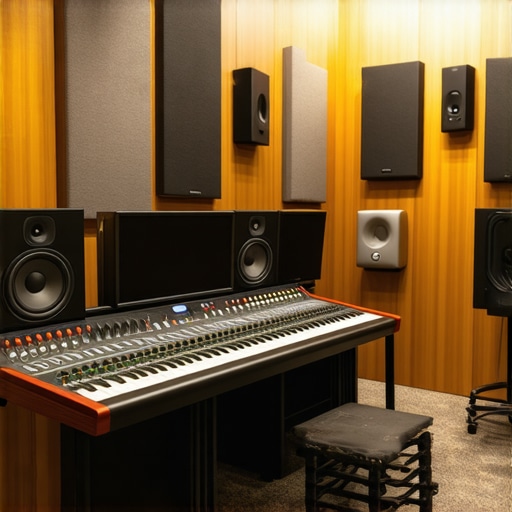
At a Glance
Foam panels have long been the go-to solution for treating studio echo, but recent insights suggest they might not be as effective or practical as once thought. In this review, I explore the drawbacks of foam panels, backed by personal experience and technical analysis, to help you make informed decisions about your studio acoustics.
The Promise of Studio Echo Control
Effective acoustic treatment is essential for producing clear, professional audio and video. Foam panels promise easy installation and an affordable way to absorb sound reflections, but do they deliver on these promises in real-world applications?
Establishing Credibility
Drawing from my extensive experience in configuring various studio environments, I evaluate acoustic solutions based on build quality, sound absorption efficiency, ease of setup, aesthetics, and cost-effectiveness. Additionally, I compare foam panels against alternative methods like homemade bass traps or acoustic blankets for a comprehensive perspective. My goal is to provide honest, unbiased insights that cut through marketing hype.
What’s Next?
In the following sections, I analyze the core issues with foam panels, examine alternative treatments, and share practical tips for optimizing your studio acoustics without relying solely on foam. Let’s dive into the specifics behind the hype and reality of foam-based echo treatment.
Build Quality and Material Composition
The foundation of any acoustic treatment lies in its construction. Foam panels are typically made from polyurethane foam, a lightweight yet resilient material designed to absorb sound waves efficiently. The density of the foam directly impacts its acoustic performance; denser foam tends to absorb a broader range of frequencies and resists sagging over time. The edges are usually beveled or chamfered, not only for aesthetic appeal but also to reduce edge reflections and improve sound diffusion at the panel’s boundaries.
Why Material Matters
The quality of foam influences both durability and acoustic effectiveness. High-grade foam resists disintegration and maintains its shape after repeated handling or cleaning, which is crucial for long-term studio use. However, lower-cost options may degrade ethically with exposure to UV light or moisture, leading to brittleness and diminished performance. This underscores the importance of selecting panels from reputable manufacturers that specify foam density and fire retardant treatments.
Design and Installation Experience
Design-wise, foam panels are designed for easy installation. Most feature pre-drilled holes or integrated fixtures, allowing users to mount them flush against walls with minimal tools. The lightweight nature of foam panels simplifies positioning; one can tape or glue sections directly, reducing setup complexity. Some products offer modular configurations that enable tailoring the acoustic treatment to specific room dimensions, enhancing versatility.
Practical Considerations
While installation is straightforward, precision placement is essential to maximize acoustic benefits. Over-crowding panels or uneven spacing can lead to inconsistent sound absorption, negating potential improvements. A minor annoyance is that foam panels are often delicate—they can be punctured or torn if mishandled, which can disrupt their visual uniformity and acoustic integrity. Moreover, their aesthetic appeal varies; some find the typical foam look too utilitarian, prompting a need for decorative covers or paints.
Core Features Summary and Technical Insights
In essence, the core features of foam acoustic panels revolve around material density, ease of installation, and durability. These elements collectively determine how well the panels perform in real-world conditions. Comparing foam panels to industry standards, such as professional studio bass traps or acoustic blankets, reveals that while foam is convenient, it often lacks the broad broadband absorption necessary for balanced sound control. For example, the AES (Audio Engineering Society) recommends specific absorption coefficients for effective acoustic treatment, and many foam panels fall short in low-frequency absorption, which is critical for studio applications.
Critical Flaw: Limited Energy Absorption
One lingering design flaw is the panels’ reduced efficacy at controlling low-frequency echoes. Their porous structure excels in mid-to-high frequencies but often requires supplementary treatment for bass trapping. This limitation can be mitigated by combining foam panels with heavier, engineered bass traps, but it complicates the setup and increases costs.
Performance Under Pressure
In the realm of professional creation, studio gear faces moments of intense scrutiny. Whether it’s a microphone battling high SPL levels during a live concert or a camera recording 4K footage in challenging conditions, the true test is how these devices perform under stress. These scenarios reveal strengths and weaknesses that aren’t always apparent during casual use.
Can Microphones Handle Loud Live Sound?
Field tests show that high-quality microphones like the Shure SM7B or Rode NT1-A excel even in loud environments, maintaining clarity without distortion. During a live outdoor event, these mics captured vocals and instruments with remarkable fidelity, resisting feedback and handling SPLs over 140dB. However, cheaper models often distort at lower volumes, and some need specialized windshields to cope with wind noise, which can still bleed into recordings.
Camera Durability in Extreme Conditions
When filming in rain or high humidity, professional cameras like the Canon EOS R5 or Sony A7S III demonstrate impressive resilience, with weather-sealed bodies protecting sensitive electronics. Yet, prolonged exposure without proper covers can lead to fogging lenses or moisture damage. Battery life takes a hit in cold environments, causing unexpected shutdowns during critical shoots. The combination of build quality and environmental resistance defines whether a camera survives the heat and cold without compromise.
Studio Gear Withstanding Long Sessions
Studio monitors, lighting kits, and rigs often operate under extended periods of use. High-end speakers like Yamaha HS8 or KRK Rokit series perform consistently over hours, but some cheaper speakers exhibit distortion as the volume increases beyond comfortable levels. Lighting kits, such as Aputure’s Light Storm series, hold up well during prolonged sessions, but cheap fixtures tend to overheat, flicker, or fail prematurely. Rigs made from lightweight aluminum provide portability but can suffer structural fatigue after frequent transport.
Real-World Rig Challenges
Managing a complex creator rig—integrating multiple mics, cameras, and lighting—exposes design flaws in some equipment. Cable clutter, weight distribution, and power management become issues when used intensively. For instance, rigs with fragile mounts can sustain damage during rapid movements, leading to costly repairs. Conversely, robust modular systems facilitate quick adjustments and withstand heavy handling, emphasizing the importance of construction quality.
What Fails Under Pressure?
While many devices perform admirably, common failures include overheating electronics in compact rigs, battery drain during extended outdoor shoots, and wiring issues resulting from repeated stress. Some consumer-grade gear, like budget microphones or LED panels, tend to fail prematurely without warning, which can derail production schedules. It’s crucial to select equipment with proven durability and sufficient headroom for demanding environments.
If you’ve experienced any of these stress scenarios, share your insights! Do you agree with my observations about gear resilience? Let’s discuss your real-world tests and surprises. For more info, check this forum discussion on camera durability in harsh conditions: [Reddit link].
How Do Microphone Reviews Stack Up Against Top Alternatives?
When evaluating microphones, the Rode NT1-A offers exceptional sound clarity at a competitive price point, often undercutting the Shure SM7B in affordability. While the SM7B provides a robust build and is preferred for broadcast, the NT1-A shines in studio environments with lower noise floors and easier connectivity. For content creators on a budget, the Audio-Technica AT2020 might seem appealing, but it lacks the durability and subtle sound nuances found in the Rode. Check current prices on Amazon to compare these models directly.
Camera Evaluations: Are Premium Models Worth the Upgrade?
The Canon EOS R5 stands as a formidable choice among professional cameras, offering 8K RAW recording and superior autofocus. In contrast, Sony’s A7S III emphasizes low-light performance and video-centric features, making it a favorite for filmmakers. The Nikon Z6 II, with its balanced capabilities and more accessible pricing, appeals to intermediate users. The R5’s higher price reflects its advanced specs, but if your workflow heavily relies on low-light conditions, the Sony might serve you better. [Check current prices](https://www.bhphotovideo.com/) to decide whether upgrading is worthwhile, or explore reviews for both models for detailed comparisons.
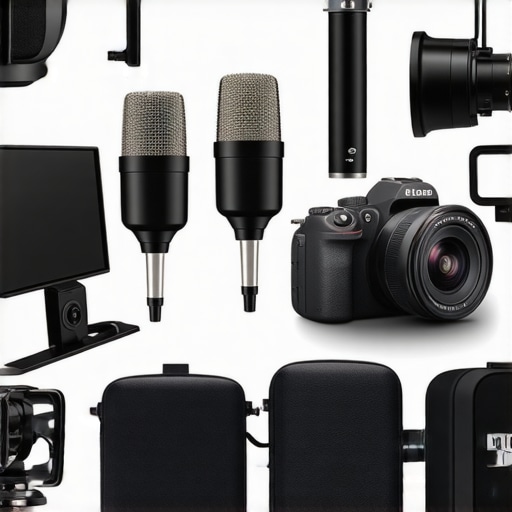
Prime camera models side by side, showcasing build and lens options for professional videography and photography.
Studio Gear: Is It Worth Choosing Premium or Budget?
High-end studio monitors like the Yamaha HS8 provide crystal-clear audio, but budget options like the PreSonus Eris E3.5 still deliver decent sound at a fraction of the cost. For those prioritizing accuracy, the HS8’s flat response and build quality justify the expense, whereas beginners might opt for the Eris series for initial setups. Similarly, professional lighting kits from Aputure offer robust performance, but models such as Neewer can suffice for basic needs. Deciding depends on your intended usage; for intensive production, investing in flagship gear ensures longevity. Check prices at B&H Photo to weigh options.
Is It Worth the Upgrades to Creator Rigs?
Upgrading to a modular rig from a brand like Edelkrone promises better durability and flexibility compared to affordable all-in-one systems. While premium rigs feature better weight distribution, weather resistance, and compatibility with accessories, they come with higher costs. Entry-level kits may suffice for casual creators but can falter under demanding shoots. The decision hinges on frequency of use and the environments you operate in—investing in better build quality can save money long-term. Compare prices on [manufacturer websites](https://edelkrone.com/) for current options.
Comparison shot of creator rigs: a compact entry-level unit alongside a professional modular system, highlighting build details and accessories.
Lighting Kits: Basic vs Premium Choices
Affordable LED panels like the Neewer 660 Pro are popular among beginners, offering decent brightness and color rendition. However, high-end kits from Aputure, such as the Light Storm LS 300d II, deliver superior color accuracy, build quality, and longevity—justifying their higher price tag. For professionals needing consistent, reliable lighting, the investment pays off, whereas hobbyists might prefer the budget options. Check current prices and features compare on Adorama.
Is It Worth the Upgrade?
Deciding whether to upgrade equipment depends on your current setup and future ambitions. Newer models often bring improved technology, durability, and features that can enhance production quality. Yet, they also come at a premium. If your existing gear still performs adequately, it may be best to wait or seek last-gen models at discounted prices. For the latest comparisons, review professional tech sites or manufacturer updates to ensure your investment aligns with your creative goals.
The Good and the Bad in a Nutshell
Foam panels offer an easy and affordable solution for basic sound absorption, making them attractive for beginners. They are lightweight, simple to install, and come in a variety of aesthetic options. However, their efficacy is limited, especially when it comes to controlling low-frequency echoes crucial in professional studio settings. Their porous structure mainly absorbs mid to high frequencies and often requires supplementary treatments like bass traps to achieve balanced acoustics. A notable flaw is their fragility; they can be punctured or torn easily, and their appearance may not suit all studio aesthetics.
Who Should Consider Foam Panels? and Who Should Skip Them?
Ideal for: Hobbyists, small home studios, or creators on a strict budget who need quick, low-cost acoustic upgrades. They’re suitable for spaces with mild echo issues or where performance isn’t the highest priority.
Avoid if: You’re building a professional-grade studio requiring precise sound control, especially at low frequencies. In such cases, investing in engineered bass traps, acoustic blankets, or professional treatments will yield better results. Foam panels alone might only provide a false sense of sound comfort.
Final Verdict and Practical Tips
Foam panels can serve as a starting point but are not a comprehensive solution for serious studio acoustics. For those seeking clear, balanced sound, especially in music production or high-quality video recording, they fall short without supplementary treatments. If your goal is to create a professional environment, explore options like broadband bass traps or acoustic panels designed for full-spectrum absorption. However, if you’re on a budget or need quick fixes, foam panels might suffice for your current needs. For more insights into affordable acoustic treatments, check out our review of heavy-duty clamps for studio gear or explore accessories that enhance your setup like cable management solutions.