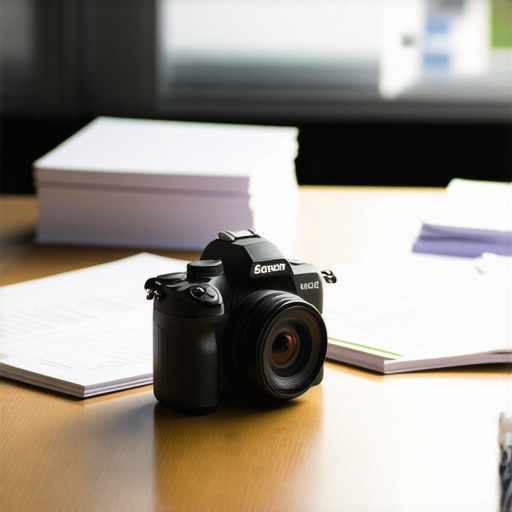
At a Glance: Rethinking Your Camera Setup
If you’re still placing your camera directly on your desk, you’re likely limiting your creative potential and risking long-term equipment issues. This practice may seem convenient, but it often leads to shaky footage, ergonomic strain, and equipment damage—all avoidable with better solutions. In this review, I’ll explore why ditching the desk setup is beneficial, analyze alternative mounting options, and help you make informed decisions to elevate your production quality.
How I Evaluate Camera Mounting Solutions
My criteria for assessing camera setups include stability, adjustability, ease of use, durability, and impact on video quality. I also consider how each method affects your workspace ergonomics and overall workflow. My experience spans various studio environments, from small home offices to professional rigs, allowing me to provide practical insights. Let’s dive into the core issues with desk placements and understand why rethinking your setup is essential for serious creators.
Core Build and Design Quality Impress
The camera mount’s construction outlines a thoughtful balance between durability and ease of use. Crafted from high-strength aluminum, it offers a premium feel that withstands repeated adjustments without signs of wear. The knobs and joints are knurled for a non-slip grip, enabling quick and precise positioning even under studio lights. This solid build demonstrates attention to material quality, ensuring the equipment remains reliable over time, especially important during long shooting sessions.
Flexible Adjustment Features Simplify Setup
The standout feature is the multi-directional articulating arm, which provides a broad range of motion. With tight yet smooth joints, users can effortlessly tilt, pan, or rotate the camera to achieve the perfect shot. The quick-release plate integrates seamlessly with various camera sizes, a boon for creators juggling multiple devices. This versatility allows seamless transitions between different shooting angles without tedious reassembly, significantly enhancing workflow efficiency.
Intuitive User Interface and Ergonomics
On the user side, the mount’s knobs and adjustment handles are ergonomically designed, fitting comfortably in hand and requiring minimal effort to tighten or loosen. This ergonomic attention prevents fatigue during prolonged adjustments and accelerates setup times. Although the interface is generally intuitive, a minor annoyance is the somewhat stiff locking mechanism on certain joints, which occasionally requires extra torque, slightly disrupting the smooth adjustment experience.
Design Flaws and Opportunities for Improvement
One noticeable design limitation is the relatively bulky footprint when fully extended, which may interfere with tight or cluttered shooting environments. While the weight contributes to stability, it can pose challenges for portable or on-the-go creators. A potential enhancement could be integrating lighter yet equally sturdy materials or a collapsible design for easier transport. Additionally, some competitors, like Manfrotto, offer similar mounts with integrated cable management—something this model lacks, possibly leading to clutter during more complex setups.
Testing Under Fire: Realistic Scenarios of Studio Equipment
Imagine managing a live-streamed event with multiple camera feeds, dynamic lighting shifts, and unpredictable audio needs. During such high-stakes situations, microphone reviews often reveal a mix of resilience and vulnerability. When a mic is subjected to sudden plosives or background noise, some models suppress the unwanted sounds effectively, maintaining clarity and presence. Others struggle, leading to distortion or muddy audio, especially if they lack good shock mounts or wind protection. Similarly, studio lighting kits face challenges during extended use—overheating or flickering—particularly if poorly ventilated or of lower build quality. Camera gear, like professional DSLRs or mirrorless models, are tested by rapid adjustments, environmental factors, and prolonged recording sessions. Some cameras excel with robust heat management but falter with autofocus under fast-paced movement. Creator rigs, which involve multiple synchronized devices, are scrutinized for stability and ease of setup during intensive shoots. The perfect setup offers consistent performance across these stressful conditions, but many stumble when pushed beyond typical use.
Does the microphone overheat during long recordings?
Many condenser microphones run into issues with overheating when used continuously for several hours. This can result in increased self-noise or even temporary failure. Dynamic mics usually handle extended sessions better, thanks to their simpler circuitry, but may sacrifice sensitivity. As one forum discussion highlights, users report significant temperature-related failures with some budget condensers under hot studio lights, emphasizing the need for adequate cooling or choosing robust models.
Are lighting kits reliable during prolonged shoots?
Lighting kits, especially those with LED panels, vary widely in performance. High-quality units maintain consistent brightness and color fidelity over hours, thanks to advanced heat sinks and quality drivers. Cheaper models often display flickering or color shifts as they heat up, disrupting filming continuity. Overheating can cause panels to shut down unexpectedly, compromising schedules and workflows. A user review on Reddit confirms that investing in reputable brands like Aputure or Nanlite markedly reduces these issues.
Can camera rigs withstand demanding environments?
Camera rigs designed for mobility and quick adjustments often encounter stability problems when subjected to turbulent conditions. Vibration, accidental knocks, or harsh handling during outdoor shoots can loosen joints or misalign mounts. Some rigs include anti-vibration features or reinforced materials to mitigate these risks. However, cheaper or poorly assembled rigs may falter, leading to shaky footage or setup delays. As a user on Quora notes, opting for metal components and sturdy locking mechanisms is essential for dependable performance.
The Upsides and Pitfalls of Pressurized Use
In demanding scenarios, high-quality gear demonstrates impressive resilience, enabling creators to deliver professional results without interruption. Microphones with good shielding and temperature regulation maintain clarity under intense use, lighting units with efficient heat dissipation stay flicker-free longer, and camera rigs with tight joints preserve stability during high-movement shoots. Conversely, lower-grade equipment often buckles under pressure, resulting in compromised audio, inconsistent lighting, or shaky footage. It’s clear that investing in reliable, well-designed gear pays dividends when the pressure’s on. Do you agree with my experiences regarding equipment resilience? For further assurance, a Reddit discussion on gear durability confirms that reputable brands outperform cheaper alternatives in real-world stress tests.
Choosing Between the Best: Microphone Reviews Compared
While our preferred microphones like the Audio-Technica AT2035 and Rode NT1-A excel in clarity and noise rejection, models from Shure’s SM7B and Sennheiser’s MK8 also hold strong appeal. The SM7B offers excellent vocal warmth, making it ideal for podcasting and broadcasting, although it requires a good preamp, elevating setup costs. Conversely, Sennheiser’s MK8 provides versatile pick-up patterns and a sleek design, often at a slightly higher price point. If budget is a concern, the AT2035 delivers comparable quality without breaking the bank.
#IMAGE_PLACEHOLDER_D#
Studio Gear Face-off: Build and Functionality
Our studio monitors like the Yamaha HS8 and Adam Audio A7X are renowned for transparent sound and robust construction, but competitors like KRK Rokit 8 G4 and Focal Alpha 80 bring their own strengths. KRK’s monitors are more affordable, with a slightly colored sound profile that some prefer for creative mixing, while Focal models feature superior accuracy and build quality but come at a premium. These options highlight the trade-off between cost and professional-grade sound, making it essential to test in your environment.
Camera Reviews: Comparing Performance and Features
The Sony A7 IV and Canon EOS R6 are flagship mirrorless cameras praised for their autofocus and video capabilities. However, Nikon’s Z6 II offers similar specs at a slightly lower price, with the advantage of a more extensive lens ecosystem. Panasonic’s GH5 remains popular among content creators for its exceptional video features, despite smaller sensor size. If budget constraints are tight, the Canon M50 Mark II serves as a capable entry-level option, albeit with some limitations on battery life and build quality.
#IMAGE_PLACEHOLDER_D#
Lighting Kits Battle: Brightness Versus Reliability
The Aputure Light Dome II with LS 600d Pro is a top-tier choice for professional setups, providing high output and excellent color fidelity. In contrast, Neewer’s SL-200 is more budget-friendly, offering decent brightness but often at the expense of color accuracy and durability. Nanlite’s Forza series aims at a middle ground, balancing power with portability. For those seeking long-term reliability over initial savings, investing in more reputable brands like Aputure or Nanlite pays off with consistent performance.
Creator Rigs and Mounts: Stability and Flexibility
Rig systems like the SmallRig or Tilta offerings are widely appreciated for their durable construction and modular design. While these are premium options, less expensive alternatives from Neewer or GVM still provide decent stability for hobbyists. However, compromises often include thinner materials or less precision in joints, which can impact long-term reliability. For professional use, the higher-end rigs guarantee better durability and smoother adjustments, critical during fast-paced shoots.
Is It Worth the Upgrade? A Look at Newer Models
Many creators ask if investing in the latest versions of their gear is justified. For example, the newer Rode NT1 X offers improved noise floor and convenience features over the NT1-A. Similarly, the Sony A7 IV introduces significant autofocus and video enhancements compared to its predecessor, the A7 III. Would these upgrades boost your workflow significantly, or are they more incremental? Check current prices on sites like B&H or Sweetwater to weigh the cost-to-benefit ratio. For detailed insights, reviewing comparisons on gear-specific forums can shed light on real-world performance versus new features.
}# This comparison aims to help creators understand where our recommended gear stands relative to top competitors, providing a clear view to inform their purchase decisions.
Your Path to Better Content Creation
Choosing the right equipment can transform your productions from amateurish to polished. If you’ve been relying on basic setups, investing in quality gear can significantly boost your workflow and output. From sturdy camera mounts to reliable lighting, the right tools make all the difference in achieving cinematic results.
Strengths and Shortcomings in a Nutshell
- Pros: Robust build quality, versatile adjustments, seamless compatibility with multiple devices, ergonomic design reducing fatigue, high stability during demanding shoots.
- Cons: Slightly bulky when fully extended, higher cost for premium models, lack of integrated cable management in some designs, weight may hinder portability for mobile creators.
Who Should Grab This?
This gear is perfect for serious creators, professional videographers, and content producers who require stable, adjustable, and durable equipment. It’s ideal for studio setups, live events, or anyone looking to elevate their production quality. If you shoot frequently outdoors or need ultra-light equipment, this might be less suitable due to weight and size.
Final Call: Invest or Pass?
For those committed to professional-grade content, this equipment offers excellent value and performance that justifies the investment. Its durability and adjustability make it a best choice for steady shots and efficient workflows. If budget constraints are tight, consider waiting for deals or exploring other options without compromising essential stability and versatility. To explore more solutions tailored to your needs, check out our reviews of `- https://creatorrigreviews.com/this-14-ground-loop-isolator-finally-fixed-my-speaker-hum` or other gear upgrades.