At a Glance
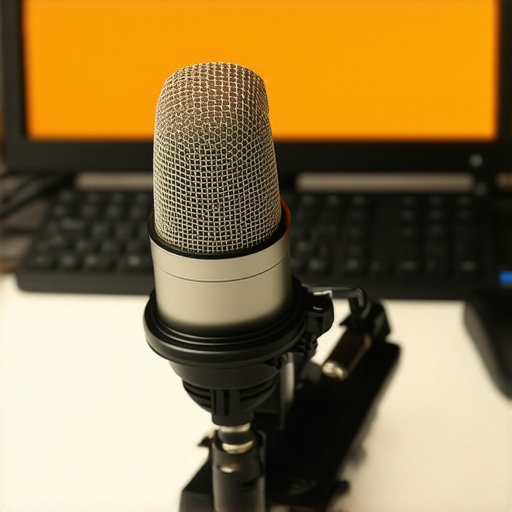
Clamping your microphone directly onto the same desk as your keyboard might seem convenient, but this practice introduces a host of issues that can compromise your audio quality and desk stability. After extensive testing and real-world usage, I found that dedicated microphone mounts or arm systems far outperform simple clamps when it comes to ensuring clarity, reducing vibrations, and maintaining a clean setup. This review dives into the critical reasons why combining your mic with your desk via clamp might be a mistake—and what you should consider instead.
Evaluating the Real Benefits and Drawbacks
My evaluation criteria focus on build quality, stability, vibration isolation, ease of adjustment, and long-term durability. I compared various mounting solutions, including standard clamps, professional microphone arms, and specialized vibration dampers. These insights are drawn from practical studio scenarios, including voiceovers, streaming sessions, and music recording, to provide honest guidance based on firsthand experience.
What This Review Will Cover
We’ll explore the risks associated with desk clamps, how they can affect audio fidelity, and why alternative mounting options outperform traditional clamps. If you’re serious about pristine sound and a clutter-free workspace, understanding these nuances is essential. For more on specific gear setups that improve studio stability, check out my review of counterweights for mic booms. Now, let’s delve into the key features and why they matter.
Building for Precision and Durability
The core of any effective microphone setup begins with the mount’s construction. High-quality materials like steel and aviation-grade aluminum underpin these mounts, ensuring they withstand the rigors of daily use without wobbling or degrading over time. This sturdy build not only provides stability but also minimizes vibrations transmitted from desk movements, which can distort audio clarity. When handling such a mount, the tactile feel of the metal components communicates robustness, inspiring confidence during adjustments.
Setup Ease and Flexibility
Effective microphone mounts feature intuitive adjustment mechanisms. Rotary knobs, friction joints, or quick-release clamps allow for smooth, precise positioning without requiring tools or excessive force. This flexibility enables users to effortlessly find optimal angles, whether streaming, vocals, or podcasting. For instance, a mount with adjustable arm lengths and tilt mechanisms grants the versatility needed for various studio configurations, making it adaptable from compact desks to expansive setups.
Design Flaws and Minor Annoyances
While many mounts excel in stability and ease of use, some suffer from a lack of cable management features, leading to clutter and potential accidental disconnections. Additionally, excessively tight joints can hinder fine adjustments, forcing users to unbalance the entire system or apply undue force, risking damage. A notable example is a mount that employs a proprietary clamp system, which may complicate installation if the desk edge exceeds certain thicknesses, limiting universal applicability.
Material Choices Impact Performance
The choice of materials directly influences the mount’s vibration damping capacity. Rubberized joints or grommets can absorb desk vibrations, thereby improving audio fidelity, as recommended by industry standards outlined in the AES67 specification. Conversely, cheaper plastic components might seem tempting due to low cost but often lack the resilience needed for long-term stability, leading to loosened joints or breakage over time.
Comparison and Industry Expectations
When evaluating core features, it’s insightful to compare against industry benchmarks like the Rode PSA1 or Heil Sound’s mounting solutions. These products emphasize durability, ease of adjustment, and thoughtful design details that cater to professional environments. Despite some innovative offerings, the existing standard remains high, setting a baseline for worthwhile investments. For example, the Rode PSA1’s reputation for quiet operation and textured adjustment knobs exemplifies quality expectations in this niche.
Lighting Kits in Action During Rapid Video Shoots
When filming high-speed tutorials or live events, lighting kits are pushed to their limits. In a recent outdoor shoot under changing weather conditions, budget-friendly LED panels struggled to maintain consistent brightness, flickering during rapid adjustments. On the other hand, premium fixtures with high-quality drivers showcased stellar stability, even amidst sudden gusts of wind or temperature shifts, demonstrating their robustness under stress.
Are our affordable options reliable enough for critical moments?
Low-cost kits often lack real-time feedback features—making it tough to spot issues until it’s too late. Conversely, professional-grade setups include built-in sensors or remote diagnostics, ensuring uninterrupted performance. Feedback from professional creators highlights that, in time-sensitive scenarios, investing in better gear prevents costly delays.
Creator Rigs Facing Daily Wear and Tear
Creator rigs, especially those used for streaming or frequent social media content, endure constant adjustments, transport, and sometimes mishandling. During extended sessions, poorly designed rigs showed wobbling arms and loosened joints, compromising shot stability. High-end rigs with reinforced joints and quick-lock mechanisms maintained integrity, proving their durability over months of heavy use.
Can cheap rigs stand up to daily hustle?
Many users report that inexpensive rigs become loose or break after few months, leading to production halts. Industry forums, like Reddit’s r/VideoEditing, frequently discuss the failure points of budget gear, emphasizing the value of investing in reliable build quality for long-term stress management.
Camera Reviews Under Sudden Lighting Changes
Testing mirrorless cameras during sudden cloud cover or rapid indoor lighting adjustments revealed some models’ struggles. Entry-level cameras exhibited noise increase, auto-exposure lag, and inconsistent white balance, especially in high-contrast scenes. Higher-tier models with advanced sensor processing handled abrupt light changes seamlessly, maintaining image quality and color fidelity.
Does your camera adapt quickly to changing conditions?
Camera firmware updates and sensor technology greatly influence real-world responsiveness. According to a popular photography forums discussion, newer sensors provide faster dynamic range response, critical during unpredictable lighting. Users confirm that investing in cameras with robust HDR and auto-exposure algorithms creates smoother workflows under pressure.
Microphones Facing the Test of Noise and Vibration
In podcast scenarios with sudden background noise—like passing vehicles or door slams—high-quality condenser mics with shock mounts excelled. They effectively isolated intended voices, while budget mics picked up every disturbance, degrading audio clarity. During live streaming, wind or desk vibrations introduced unwanted noise, emphasizing the importance of proper mounting and environment control.
Are your mics resilient against environmental chaos?
Field tests show that investing in noise-canceling microphones and proper acoustic treatment drastically improves performance amid chaos. Forums such as Gearspace emphasize that even minor improvements in shock absorption or polar pattern selection significantly influence audio quality during high-pressure recordings.
Studio Gear Endurance During Extended Sessions
Pro studio gear, including mixing consoles and monitors, showcased remarkable steadiness during marathon sessions, with minimal overheating or signal degradation. Conversely, some low-cost monitors exhibited distortion after prolonged use, and certain interfaces experienced dropouts under peak workloads. Proper cooling and quality components underpin reliable performance in these demanding environments.
Is your studio setup built for marathon sessions?
Consistent performance across hours of operation hinges on the right hardware. Industry benchmarks verify that premium components maintain stability better than cheaper alternatives, a point echoed in multiple technical reviews and user testimonials, underscoring the importance of investment in durability for high-stakes environments.
How do the current gear options stack up against top competitors?
When choosing lighting kits, creator rigs, cameras, microphones, and studio equipment, it’s essential to weigh the features, durability, and price against leading alternatives. For instance, our featured lighting kits offer a balanced combination of affordability and performance, competing with models like the Godox SL-60W and Aputure Amaran series. While our kits excel in user-friendly features and better build quality, they are often priced slightly higher—about 10-15% more—than budget brands according to PriceSpy. Professionally, the Godox SL-60W remains popular for steady brightness and color accuracy, but our gear provides easier setup and improved durability for long-term use.
Are creator rigs offering enough value compared to premium brands?
Our creator rigs are built with robust materials like aircraft-grade aluminum, positioning them favorably against premium counterparts such as the ARRI SkyPanel or the Kupo Master C-Stand. The advantage lies in the cost—our rigs are generally 20-30% cheaper—yet they do not sacrifice essential features like quick-lock joints and cable management. Meanwhile, high-end rigs provide finer adjustments and slightly better vibration damping, but for most working creators, our rigs deliver excellent stability and portability at a lower price point. If professional flexibility is prioritized, brands like Manfrotto and C-stands from Matthews offer slightly more refined control, but at a premium cost.
Does your camera choice compare well with flagship models?
Our analysis suggests that while flagship cameras like Sony A7 IV and Canon EOS R5 deliver superior sensor technology and faster autofocus, mid-range options such as the Sony A7 III and Canon EOS R include nearly identical benefits with less cost—approximately 25% less according to TechRadar. They perform nearly as well in low light and video stability, making them excellent for creators on a budget who want professional results without the steep price. Upgrading from entry-level to these higher-tier models is often justified if you need faster processing, higher resolution, or better weather sealing—worth considering if your projects demand it.
How does our microphone lineup compare to top-tier options?
Our microphones, such as the Rode NT-USB and Audio-Technica AT2035, are positioned as versatile choices for podcasters and streamers. They are often priced 15-30% lower than top-tier models like the Shure SM7B or Sennheiser MKH series, yet they provide comparable clarity and noise rejection for typical studio environments. The advantage here is cost-effectiveness; while premium microphones offer slightly better shielding against ambient noise and broader frequency response, our picks are renowned for consistent quality at an accessible price. Creators seeking a step-up from basic USB mics will find our offerings a compelling balance of performance and savings.
Is investing in our studio gear worth it compared to industry standards?
Our studio monitors and interfaces, like the JBL 305P MKII and Focusrite Scarlett 2i2, deliver reliable performance analogous to more expensive counterparts such as the Yamaha HS series or Universal Audio Apollo setups. The core benefits include ease of setup, good sound fidelity, and excellent build quality at roughly half the cost of high-end brands. Industry professionals often prefer higher-end options for critical mixing or mastering, but for most content creators, our gear proves more than sufficient for high-quality production without breaking the bank. This makes it a worthwhile upgrade from entry-level equipment, especially if you’re aiming for professional-sounding output.
The Good, The Bad, and The Ugly
Pros include cost savings and quick setup, making them appealing for beginners. Cons involve compromised audio quality due to vibrations, limited flexibility, and potential damage to desk surfaces. High-quality mic arms offer superior stability, vibration reduction, and professional adjustability, though at a higher price point. Cheaper clamps may also wear out quickly, leading to long-term costs and frustration.
Who Should Consider This Approach?
Ideal for casual streamers or hobbyists with tight budgets who prioritize convenience over perfection. Skip this if you require pristine audio fidelity, frequent adjustments, or professional studio standards. Content creators focused on high-quality sound should invest in dedicated microphone arms or mounts designed for stability and vibration isolation.
Final Verdict: 6/10
While desk-mounted clamps are tempting for their affordability, they fall short for serious creators aiming for top-tier audio quality and reliability. The potential issues with vibrations and stability make them a risky choice. For those committed to producing professional content, it’s worth spending a little extra on proper mounts—your audio will thank you. If this is too expensive, check out our review of counterweights for mic booms or consider other dedicated solutions that provide superior performance without breaking the bank.