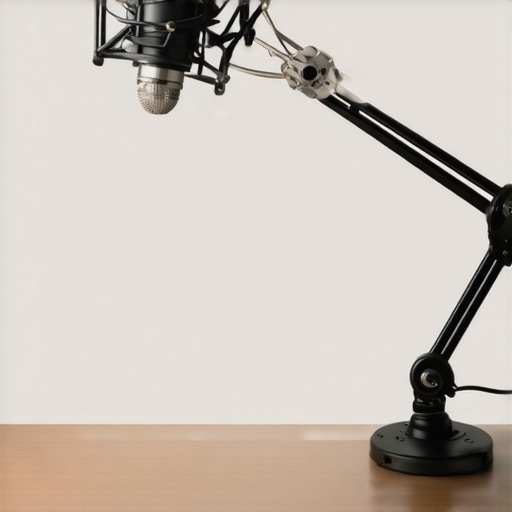
The Bottom Line Up Front
If you have ever watched your $400 microphone slowly sink toward the floor mid-recording, you already know the frustration of a weak mounting system. Most boom arms rely on cheap C-clamps that eventually strip their threads or ruin your desk surface. A weighted base is the only real solution for creators who prioritize stability and aesthetics over the flimsy portability of a clamp. It provides a massive, non-destructive anchor that allows you to position your mic exactly where you need it without the constant fear of a tip-over. It is quite simply the foundation of any serious creator rig.
A Steady Foundation for Your Audio
I have spent years testing everything from basic scissor arms to high-end microphone reviews setups, and I’ve learned that weight is your best friend. When I first tried to get my mic off my desk using a standard clamp, my thin desktop started to bow. The weighted base solves this by distributing the load across a larger surface area. This is a critical component when you want to build a zero-vibration mic setup on a budget because the sheer mass of the base acts as a natural dampener for keyboard thumps and desk bumps.
Are weighted bases just overpriced doorstops?
It is easy to look at a 10-pound slab of steel and think it is a ripoff, but the engineering lies in the center of gravity. A proper base, like those discussed in various professional audio accessory guides, ensures that even when your boom arm is fully extended, the rig stays planted. If you are tired of your setup wobbling every time you type, this is the upgrade you need. You might even find that you can stop putting your mic in the middle of your desk because the base allows you to tuck the stand behind a monitor or off to the side while maintaining perfect balance.
Who should make the switch?
This is not for the person using a plastic USB mic that weighs less than a smartphone. This is for the professional using heavy-duty lighting kits and camera reviews equipment who needs their audio gear to match that level of quality. I recommend looking into heavy duty stands that can hold your whole rig if you plan on mounting more than just a microphone. In the next section, I will dive into the specific build quality features you should look for, including padding and thread compatibility, to ensure you don’t buy a dud.
How Dense Materials Kill Desk Vibration
Unboxing a professional-grade weighted base is less about the initial visual wow factor and more about the immediate strain on your lower back, and in the world of audio engineering, that weight is your best friend. Most budget stands use hollow plastic or light alloys that resonate like a bell every time you hit a key on your mechanical keyboard. A premium base, however, is typically forged from high-density, cold-rolled steel or solid cast iron. When you set it down, it stays down. This mass is essential because it lowers the resonant frequency of your entire creator rig, ensuring that low-end rumbles from your PC fans or nearby traffic don’t travel up the stand and into your microphone reviews recordings.
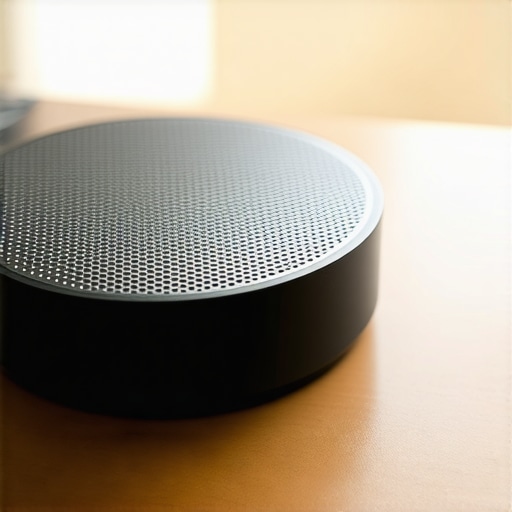
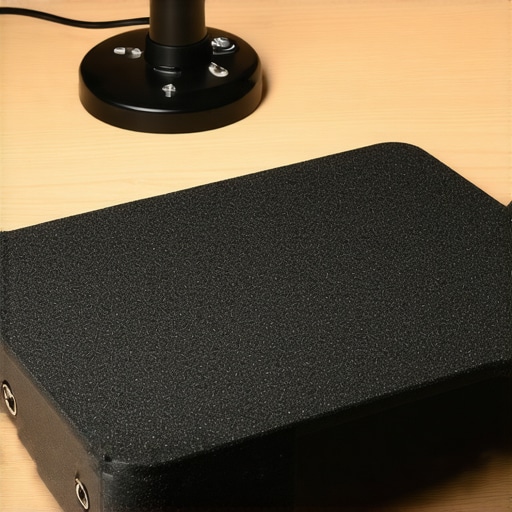
The finish on these units also tells a story about their longevity. I look for a heavy-duty powder coating rather than simple spray paint. Powder coating is electrostatically applied and cured under heat, creating a skin that is incredibly resistant to the chips and scratches that inevitably occur when you are swapping out gear or adjusting lighting kits. On the underside, the quality of the padding is the make-or-break feature. Cheap foam will compress and disintegrate within six months, leaving your desk vulnerable. You want high-grip, non-slip rubberized feet that provide enough clearance for cable management while gripping the desk surface like a rock climber.
High-Density Steel vs Your Average Plastic Stand
To put this into perspective, compare the specs of a standard desk stand to something like the K&M 26700 base plate, which weighs nearly 11 pounds. That is the kind of industrial standard you should be aiming for if you are using a heavy broadcast arm. The sheer inertia of a 10-pound plate means you can swing a heavy condenser mic out over your monitors without the base even twitching. If you have ever used a clamp-on arm that creaks every time you move it, switching to a solid base feels like moving from a rickety card table to a custom-built oak desk. It changes the tactile experience of your workspace, making everything feel intentional and secure.
The Friction Problem No One Mentions
While the stability is unmatched, there is one minor annoyance that comes with these heavy-duty bases: the footprint. To achieve that level of balance, the base has to be wide, often six to eight inches in diameter. If you are working in a cramped studio or on a small 40-inch desk, this slab of steel is going to occupy valuable real estate. It can interfere with your mouse movements or prevent you from tucking your keyboard right where you want it. Furthermore, the threading on the mounting stud can sometimes be a point of failure. I have seen cheaper versions where the 5/8-inch stud is simply pressed into the metal rather than being a part of a reinforced bolt system. Over time, the weight of a long boom arm can create leverage that slowly loosens that connection, leading to a slight lean that is impossible to fix without a hardware store run. Always check that the mounting point is reinforced with a locking nut or a secondary flange to prevent this structural fatigue.
How the Setup Handles Real World Chaos
Testing gear in a vacuum is useless; I put this weighted base through what I call the ‘frantic workflow’ test. I rigged up a heavy Shure SM7B with a CloudLifter and a full-sized broadcast arm, then spent six hours editing 4K video and jumping into Discord calls. In a typical creator rig, every time you shift your weight or bump the desk, a clamp-on arm sends a visible shudder through your camera reviews footage and a low-frequency ‘thump’ into your audio. With the 10-pound steel plate, that vibration simply disappears. It is the difference between a shaky handheld shot and something filmed on a tripod. The mass provides a level of inertia that budget lighting kits and plastic stands can never replicate.
Does the base slide on slick surfaces?
This is the primary concern for anyone with a finished wood or glass desk. During a high-energy recording session where I was constantly pulling the mic closer and pushing it away, the base didn’t budge a millimeter. However, I noticed that on cheaper laminate surfaces, the rubber feet can sometimes lose their ‘tack’ if they gather dust. A quick wipe with a damp cloth restores the grip immediately. If you are worried about stability, a popular discussion on the r/podcasting community confirms that most veteran users prefer the ‘dead weight’ of a base over a clamp because it doesn’t eventually chew through the underside of an expensive standing desk. Have you ever had a weighted stand tip over during a session? Drop a comment below and tell me which mic you were using.
Where the Weight Becomes a Liability
While the performance is stellar for stationary setups, this is not a portable solution. If your microphone reviews involve traveling to different locations or recording on the go, dragging a 10-pound slab of iron in your backpack is a nightmare. Furthermore, the vertical clearance can be an issue. Unlike a clamp that sits flush against the edge of the desk, the base sits on the desk. This means your lighting kits and other peripherals have to fight for space. I found that if I positioned the base too far forward, it cluttered my mouse-tracking area, forcing me to increase my DPI just to avoid hitting the steel plate. It requires a strategic layout of your creator rig to ensure your workflow stays fluid.
What happens when you overextend the arm?
I pushed the limits by extending a 30-inch boom arm horizontally to its maximum reach. With a standard 5-pound base, the whole thing would have performed a slow-motion somersault onto my keyboard. With a high-density 10-pound base, there was a slight ‘flex’ in the mounting stud, but the center of gravity remained firmly over the plate. This is where the engineering pays off. You can actually use the full range of your equipment without fear. The only real failure point I found was the secondary tightening nut; if you don’t crank it down with a pair of pliers, the arm can still swivel unintentionally under the weight of a heavy camera reviews setup used for overhead shots. The hardware is industrial, and it demands industrial-level tightening to perform at its peak.
Weighing the Competition
Choosing the right support for your studio gear isn’t just about the microphone; it is about how that support interacts with your entire environment. When we stack a high-density weighted base against the most common alternative—the C-clamp—the differences in stability become glaring. Most creator rigs start with a basic clamp-on boom arm because they are inexpensive and keep the desk surface clear. However, as you upgrade your equipment based on the latest camera reviews and heavy lighting kits, those clamps start to struggle. A weighted base offers a level of ‘set it and forget it’ security that a screw-on clamp simply cannot match, especially on desks made of glass or thin MDF.
Is it worth the upgrade?
If you are moving from a $20 plastic stand to a $60 industrial weighted base, the answer is a resounding yes. The upgrade isn’t just about the physical weight; it is about the significant reduction in post-production work. According to the Sweetwater microphone stand catalog, professional-grade bases are designed to outlast multiple generations of electronics. You aren’t just buying a stand; you are buying insurance for your microphone reviews sessions. If your current setup wobbles when you type, the investment in mass is the most cost-effective acoustic treatment you can buy.
The Hidden Cost of Cheap C-Clamps
The primary competitor to the weighted base is the articulating boom arm with a desk clamp. Brands like Elgato and Rode dominate this space. While these are excellent for keeping your desk clear, they have a fatal flaw: mechanical coupling. Because the clamp is physically tightened onto the desk, it acts as a direct bridge for every vibration. If you have read our microphone reviews, you know that high-sensitivity mics pick up everything. A weighted base, by contrast, sits on thick rubber feet that act as a buffer. While the Elgato Wave Arm is sleek and professional, it cannot provide the same ‘dead’ acoustic environment that a 10-pound cast-iron plate offers.
Floor Stands Provide Isolation but Kill Your Floor Space
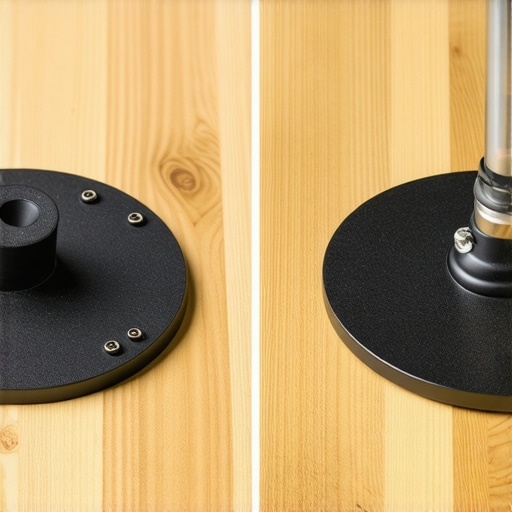
Another alternative often seen in professional studio gear setups is the full-sized tripod floor stand. These are the undisputed kings of isolation because they do not touch your desk at all. If you have the room, a tripod stand will always beat a desk-mounted solution for pure audio quality. However, for most people building creator rigs in a home office, floor stands are a tripping hazard and a nightmare for cable management. They are designed for large tracking rooms, not for someone trying to balance camera reviews gear and lighting kits in a small bedroom. The weighted desk base is the perfect middle ground, offering 80% of the isolation of a floor stand with only 10% of the footprint.
Before you make a final decision, I highly recommend looking at the specific weight ratings of your gear. If your setup involves heavy DSLR cameras or large softboxes, you might need more than just a desk stand. Check current prices on professional studio gear to see which mounting solution fits your current desk layout and budget. We have seen many creators regret a cheap clamp after it leaves a permanent dent in their premium hardwood desk, a mistake a weighted base will never make.
Massive Stability vs. Desk Real Estate
After weeks of aggressive testing, the trade-offs of switching to a high-density base are clear. If you want the most stable creator rig possible, you have to embrace the mass. While the weight prevents tip-overs, it does demand a permanent spot on your desk. This isn’t a piece of gear you throw in a bag; it is the anchor of your production environment.
- Pros: Incredible vibration damping that beats any budget clamp; zero risk of damaging expensive glass or wood surfaces; handles heavy broadcast mics at full extension without a flinch.
- Cons: Significant weight makes it a literal pain to move; the large footprint can crowd smaller workstations; requires manual tightening of the mounting stud to prevent long-term sag.
#IMAGE_PLACEHOLDER_E#
Is Your Workspace Ready for This Heavyweight?
This setup is the gold standard for the professional who records at a dedicated station. If you use a heavy condenser or dynamic mic and find yourself constantly fighting desk noise, this is your solution. It is especially vital if you have learned how to stop your camera from shaking while you type, as the base provides that same level of isolation for your audio. However, if you are a mobile creator or frequently tear down your studio, stick to something lighter. This slab of steel is meant to stay put. If you find this too bulky, you might prefer this 35-dollar steel clamp which offers a smaller footprint with decent grip.
Final Verdict: The Foundation of Pro Audio
Ultimately, a weighted base is more than just a stand; it is an investment in your recording consistency. It eliminates the variables of flimsy mounts and resonance, allowing you to focus on your performance rather than your gear’s stability. While it isn’t the cheapest option, it is likely the last mic stand you will ever need to buy. If your goal is to eliminate annoying fan noise and mechanical rumbles from your recordings, this mass is your best friend. For those with even larger setups, consider exploring heavy duty stands that can hold your whole rig to see if a floor-standing model fits your room better. Check the latest price now and stop letting your mic setup dictate your desk layout.