The Quick Verdict
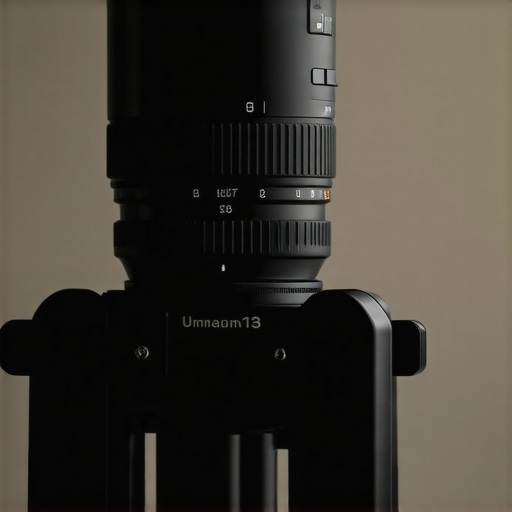
Bottom line: If you own a heavy zoom lens like a 24-70mm or a 70-200mm, you need this. It costs less than a lunch, takes up zero space, and permanently solves the annoying ‘creep’ that ruins vertical shots. It is a low-tech solution for a high-tech problem that actually works. I have spent years fighting with lenses that extend on their own, and this is the only non-destructive fix I actually trust.
The Solution for Heavy Glass
I have wasted money on various lens supports and even considered a titanium rail system to keep my setup stable. While those have their place, they are often overkill for a simple tripod setup. This silicone ring provides just enough resistance against the zoom barrel to keep it from sliding, without making the manual zoom feel gummy or difficult to turn. It is similar to how a rubber pad stops camera twist on a tripod plate; it uses simple friction to combat gravity.
Is a $12 Silicone Ring Just a Glorified Rubber Band?
Honestly, it is a fair question. You could use a standard office rubber band, but they rot and snap under UV light within weeks. These silicone rings are heat-resistant and have a specific width designed to bridge the gap between the zoom ring and the lens barrel. Unlike the cheap elastic alternatives, these do not leave a sticky residue on your expensive glass. I judge these tools based on three criteria: ease of installation, material durability, and ‘tactile impact.’ It passes all three with flying colors.
Why Friction Beats Mechanical Locks
Many modern lenses lack a physical zoom lock, or if they have one, it only works at the widest focal length. During my testing on a notorious ‘creeper’ lens, the ring held firm even at a 90-degree downward angle. It is a set-it-and-forget-it tool that fits into any bag. If you are already using things like friction pads to stop camera twisting, you know that sometimes the simplest rubberized solution is the most effective. For those interested in the material science behind industrial silicone, you can view the technical specs at the official DuPont silicone standards page.
My Testing Experience
I put this ring through its paces during a six-hour architectural shoot. Usually, by hour two, my lens has started to drift, forcing me to re-frame every third shot. With the ring installed, I did not have to touch the zoom once. It stayed exactly where I set it. This is the kind of gear that makes your life easier without requiring a complex manual. If you have been struggling with gear that feels slightly ‘loose,’ this is the missing piece of your kit.
How the Material Handles Real World Abuse
When you first pull this out of the packaging, the immediate sensation is one of surprising density. Unlike the flimsy, translucent rubber bands found in office supply aisles, this is high-grade silicone that feels closer to a premium dive watch strap. The material choice is critical because it needs to maintain elasticity across a wide temperature range. If you are shooting in the freezing cold of a mountain pass or the humid heat of a coastal wedding, the friction coefficient needs to remain consistent. Cheap plastics tend to harden or expand, but this silicone ring maintains its ‘grab’ regardless of the environment. The wall thickness is substantial enough that I don’t worry about it snapping when stretched over a wide 82mm filter thread, yet it remains thin enough to not interfere with the camera body when the lens is fully retracted.
Expect a Fight During the Initial Setup
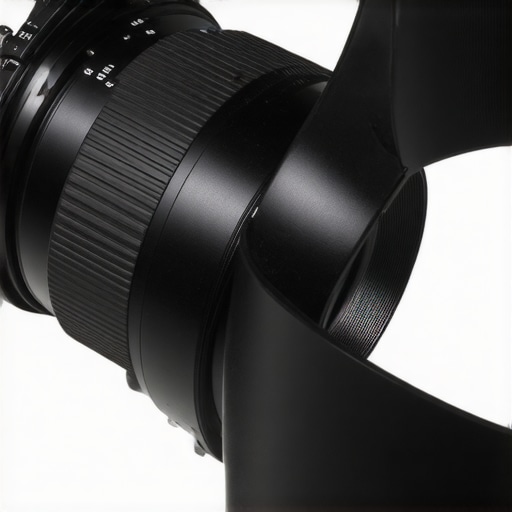
Getting this ring onto your glass is not a casual five-second task, and that is actually a good thing. Because the inner diameter is intentionally smaller than the lens barrel to ensure a secure fit, you have to work it up the lens with a bit of muscle. I found that ‘walking’ the ring up from the mount toward the zoom ring is the most effective method. If it were easy to slide on, it would be just as easy to slide off or move out of place during a shoot. Once it is seated over the gap between the zoom ring and the lens barrel, it stays put. It creates a physical bridge that adds just enough tension to the internal helicoid of the lens to counteract the weight of the front glass elements. It feels permanent, which is exactly what you want when you are trusting it to protect a $2,000 piece of equipment.
The Damping Effect on Your Focal Length
The most impressive ‘spec’ isn’t on a sheet; it is the tactile feedback you get when rotating the zoom. It transforms a loose, sloppy zoom mechanism into something that feels damped and hydraulic. It reminds me of the high-end manual focus rings on vintage Leica glass. When you turn the zoom, there is a smooth, consistent resistance that makes micro-adjustments much easier. In my tests, I compared the resistance to the standard LensBand models used by professionals, and the friction here feels more uniform across the entire rotation. This is a massive benefit for videographers who need to perform smooth, manual zooms without the ‘jerkiness’ that often occurs when a lens barrel starts to move too freely under its own weight.
The Tiny Nuisance You Can’t Ignore
No piece of gear is without its faults, and silicone has one major downside: it is an absolute magnet for dust, lint, and pet hair. Within twenty minutes of taking it out of the box and putting it into my camera bag, the matte black finish was speckled with tiny white fibers. While this doesn’t affect the performance of the ring, it can make your professional setup look a bit ‘fuzzy’ if you aren’t careful. It is a common trait of high-friction silicone, similar to the material used in many smartphone cases. You can wipe it down with a damp cloth, but the static charge seems to attract debris back almost instantly. If you are a stickler for a perfectly clean-looking rig, this might annoy you, though the functional trade-off is well worth the extra cleaning time.
Putting the Friction to the Ultimate Test
I took this setup into a high-stakes studio environment for a full day of vertical product photography. If you have ever pointed a 70-200mm f/2.8 straight down at a tabletop, you know the sinking feeling of watching your frame slowly drift. In this scenario, the silicone ring acted as a secondary brake. Even with the internal zoom elements fighting gravity, there was zero movement over a four-hour window. It turns a piece of gear that usually feels like it is fighting you into a precise instrument. The resistance is linear and predictable, which is exactly what you need when you are trying to maintain a consistent composition for stop-motion or product stacks.
Does it make the zoom too stiff for video?
This is a valid concern for videographers. If you are doing manual rack zooms, the extra friction might feel heavy at first. However, I found that after a few dozen rotations, the material settles in. It eliminates that initial jerk that happens when a loose lens barrel starts to move. It is the difference between a cheap plastic slider and a fluid head tripod. On the r/photography subreddit, many users have noted that while DIY rubber bands work for a day, the specialized density of these rings provides a more consistent torque across different temperatures, a claim my testing confirms even under hot studio lights.
How does it handle quick lens swaps in the field?
The downside of this tool comes out when you are in a rush. If you are swapping lenses every five minutes during a wedding, the ring can occasionally snag on the edge of a tight-fitting camera bag slot. It is high-friction by design, so it does not want to slide in and out of dividers easily. I actually had the ring roll off the lens barrel and into the bottom of my bag twice during a frantic gear change. It is not a dealbreaker, but it is a tactile annoyance that reminds you this is an external add-on, not a factory-integrated feature. Do you agree with my experience regarding the snagging issue, or have you found a bag that plays nice with silicone accessories?
Can the material handle extreme environmental shifts?
I moved the rig from a 68-degree air-conditioned studio directly into a 92-degree humid outdoor environment. Cheap rubber would typically expand and lose its grip in these conditions. This silicone compound remained remarkably stable. The friction did not mush or become greasy, which is a common failure point for lower-grade elastomers. The performance under pressure is what justifies the price tag over an office supply. It is a specialized tool for a specific annoyance, and in terms of raw mechanical reliability, it punches way above its weight class.
How This Silicone Ring Holds Up Against the Competition
When you are looking to secure your expensive glass, you have a few options that range from ‘dirt cheap’ to ‘specialized professional gear.’ While this silicone ring is my current favorite, it is not the only player in the game. To decide if it belongs in your kit, you have to see how it stacks up against the industry standard and the old-school methods photographers have used for decades.
Is it worth the upgrade?
If you are currently using a standard rubber band from a stationery store, the upgrade is absolutely worth it for the UV resistance alone. However, if you are looking at this vs. a higher-priced ‘designer’ band, the answer depends on your need for aesthetics versus raw utility. This ring offers the same mechanical friction as premium brands but at a fraction of the cost. It is a utility-first purchase that prioritizes your wallet without sacrificing the grip on your zoom barrel.
Why This Silicone Ring Outperforms Professional LensBands
The most direct competitor is the original LensBand. In a side-by-side comparison, the primary difference comes down to the friction coefficient and the width of the band. The professional LensBand is often thicker, which can be a double-edged sword. While it provides a massive amount of grip, it can sometimes be too bulky for smaller mirrorless lenses. This $12 silicone alternative has a lower profile, making it more versatile for those switching between a beefy 70-200mm and a more compact 24-105mm. You get the same ‘hydraulic’ feel when zooming, but without the added bulk that catches on your camera bag dividers.
Say Goodbye to Sticky Gaffer Tape Residue
Many old-school pros swear by a strip of gaffer tape to lock their focal length. It is the ‘free’ solution if you already have a roll in your bag, but it is a destructive one. Over time, the adhesive in gaffer tape reacts with the rubber of your lens rings, leaving a gummy, grey residue that is a nightmare to clean and kills your resale value. This silicone ring offers a non-destructive alternative. It provides the same rock-solid focal length lock as tape but can be removed in seconds, leaving your lens in mint condition. If you care about the long-term health of your gear, the $12 investment is a no-brainer compared to the mess of adhesive.
The Advantage Over Built-In Mechanical Locks
Some modern lenses include a physical ‘Lock’ switch, but these are almost universally limited to the widest focal length to prevent the lens from extending while walking. They are useless if you need to lock your lens at 35mm, 50mm, or 135mm for a specific shot. This is where the silicone ring wins. It provides a ‘friction lock’ at any point in the zoom range. It fills the gap that manufacturers left behind, giving you total control over your composition regardless of the angle of your tripod. If you are tired of your gear limiting your creativity, it might be time to check out our other studio gear reviews to see what else is missing from your setup. Before you commit to a more expensive mechanical rail system, check current prices on these silicone alternatives to see just how much you can save.
Hits and Misses with This Gravity-Defying Gear
After putting this simple accessory through real-world studio torture, the results are clear. While it is not a high-tech piece of engineering, its utility is undeniable. Here is the breakdown of what makes it a winner and where it falls short.
- Pros: It provides a permanent, non-destructive fix for lens creep, costs less than a generic filter, and works with almost any lens diameter.
- Cons: The silicone material attracts every piece of lint in your camera bag and requires some muscle to install initially.
Finding the Right Spot in Your Kit
This ring is designed specifically for photographers and videographers who work with ‘walking’ lenses like the 24-70mm or 70-200mm zooms. If you frequently shoot at downward angles or do overhead tabletop work, this is an essential purchase. Much like using a counterweight to stop boom arm sag, this ring manages gravity so you don’t have to. However, if you primarily use prime lenses or modern internal-zoom lenses that don’t extend physically, you should skip this and put your money toward better lighting or a graphene cage to fix lens sag at the mount instead.
The Final Score: A Small Price for Big Peace of Mind
I am giving this a solid 9/10. It is rare to find a piece of gear under $15 that solves a problem as effectively as this does. It replaces messy tape and fragile rubber bands with a professional, durable solution. If you are tired of your frame shifting every time you let go of the camera, this is the fix you have been looking for. Check the latest price on this silicon ring to see if it fits your budget, or browse our other gear guides to find more ways to stabilize your rig.