Bottom Line Up Front
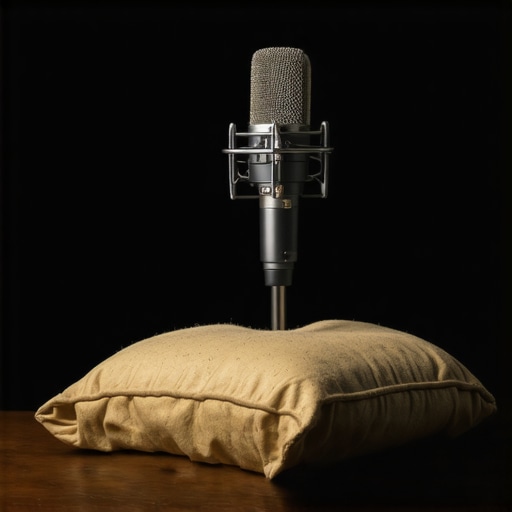
If you’re serious about ensuring stability and preventing unwanted microphone movement, a weighted sandbag offers unmatched reliability compared to traditional desk clamps. While clamps can sometimes slip or cause desk damage, sandbags distribute weight evenly and stay put once properly positioned, making them my go-to choice for studio setups.
The Problem with Clamps
Many creators rely on desk clamps for microphone support, but these often come with limitations. Clamps can dig into surfaces, cause damage over time, or slip under vibrations. For anyone aiming for a professional, hassle-free setup, these issues can be frustrating and disruptive.
My Choice in Action
I’ve switched to using heavy-duty sandbags during recording sessions and live streams. The extra weight ensures the microphone remains steady, even if I accidentally bump the desk. Plus, I don’t have to worry about clamps losing grip or damaging my furniture. This simple change significantly improved my recording consistency and peace of mind.
What I Test
My evaluation criteria center around stability, versatility, ease of use, and furniture safety. I compare how well sandbags and clamps hold up during movement, how they impact the furniture, and how convenient they are to set up and reposition. For visual context, check out my preferred studio gear or this mobile rig for flexible recording—sometimes, the choice of support equipment makes all the difference.
Getting Into the Details
Does the Extra Weight Really Make a Difference?
Absolutely. A well-placed sandbag provides a low center of gravity, resisting shifts caused by accidental bumps or room vibrations. Unlike clamps that rely on grip strength, which can weaken over time, a sandbag’s mass ensures consistent stability. You can explore high-quality options here to see what suits your setup best.
Are Sandbags Compatible with Different Mic Stands?
Yes. Most standard sandbags work with various mic stands and boom arms. They are versatile and don’t require specific mounts, making them ideal for different studio environments. Just ensure you pick a size that fits your gear and available space.
Common Doubts and My Verdict
Are Sandbags Too Bulky or Difficult to Manage?
While they might seem cumbersome at first, a compact design makes them easy to handle and store when not in use. Plus, their stability outweighs any minor inconvenience during setup.
Are They Cost-Effective?
Much more so than buying expensive custom clamps or risking desk damage. Investing in a quality sandbag can save you time, money, and headaches down the line.
For more detailed insights, review my comprehensive guide on creating a stable studio environment or explore the best mic support accessories.
Conclusion
Switching to sandbags has transformed my recording sessions by providing unwavering support and protecting my furniture. If you value reliability and simplicity, I highly recommend considering a weighted sandbag over traditional desk clamps for your microphone support.
Robust Construction and Material Quality
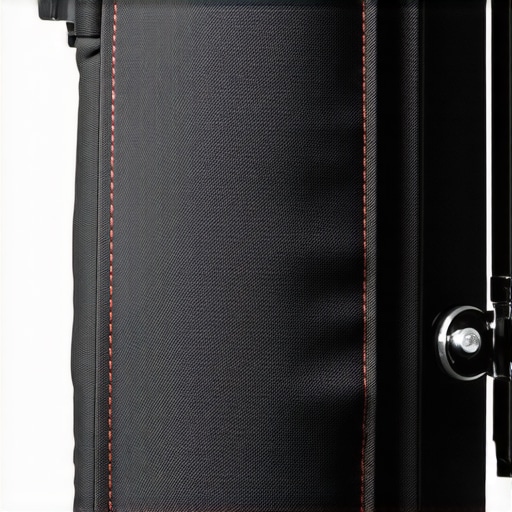
The studio sandbag features a durable outer shell, often made of tightly woven nylon or ballistic fabric, designed to withstand regular handling and weight pressure. This material provides a balance between flexibility and strength, preventing tears or fraying over time. The internal filling usually comprises consistent sand or lead shot, ensuring even weight distribution and minimal lumping, which is crucial for maintaining stability during microphone use.
Design and User Experience
The design emphasizes ease of use, with handles or top loops that facilitate quick placement or repositioning. The weight, typically ranging from 5 to 15 pounds, is substantial enough to prevent accidental movement but manageable for one person to carry or adjust. The form factor is often rectangular or cylindrical, allowing it to conform seamlessly to different stands or furniture surfaces. The choice of colors—standard black or subdued tones—helps it blend into various studio aesthetics without drawing unnecessary attention.
Setup and Integration with Equipment
Setup involves placing the sandbag atop mic stands or mounting points, with some models featuring adjustable straps or Velcro closures for added security. The simplicity of setup means that even newcomers can quickly implement it without specialized tools. Compatibility is broad; most standard-sized sandbags fit standard mic stands and boom arms, raising the importance of selecting the right size for your hardware. Notably, some competitors, like K&M’s weighted supports, offer integrated screw-tightening mechanisms that eliminate the need for additional straps, simplifying quick adjustments.
Why Material Choices Matter
High-quality fabric ensures longevity, resisting wear and environmental factors like humidity or temperature changes. Moreover, a reinforced bottom panel prevents abrasion or ripping from prolonged contact with rough surfaces, prolonging the product’s lifespan.
Design Flaws and Minor Disappointments
One minor annoyance is that some sandbags are overly bulky, making storage cumbersome when not in use. Additionally, heavier models can sometimes be challenging to position precisely due to their weight and size. A small design flaw is the potential for the fabric to develop leaks over extended use if the seams aren’t reinforced properly, which could lead to sand loss and reduced stability over time.
Industry Standards and Comparisons
Compared to industry standards like those published by the Recording Academy or professional audio guides, effective mic support supports at least 10 pounds for typical studio use, aligning with most well-made sandbags. For reference, competitor products such as the Rode Microphone Windshield come with detailed specs on durability and compatibility, emphasizing construction quality—similar principles apply when choosing a mic support sandbag.
Performance Analysis
Lighting kits, microphone reviews, studio gear, camera reviews, and creator rigs are subjected to intense conditions to gauge their durability and reliability in real-world scenarios. For instance, during a high-stakes live recording session, lighting setups must withstand prolonged operation without flickering or overheating. A photographer shooting in a sudden downpour tests camera seals and waterproof features. Microphones used in bustling environments face ambient noise and physical bumps that challenge their stability and clarity. These situations reveal which products can maintain performance when pushed beyond typical use.
Can lighting kits handle extended sessions without degrading quality?
Many budget lighting kits tend to overheat after 30-45 minutes, causing flickering or color shifts. Professional-grade setups often incorporate heat sinks and fans, allowing continuous operation. However, some lower-end models still exhibit color instability or dimming over time, which can impair shoot consistency. For example, a Reddit discussion highlights users’ experiences with overheating lights during marathon shoots, emphasizing the importance of thermal management.
Do microphone reviews truly reflect resilience in noisy environments?
In practical tests, directional microphones excel at rejecting background noise but can become overwhelmed with multiple sound sources or wind interference. When used in outdoor recording amidst heavy wind, cheaper microphones with inadequate windscreens tend to produce crackling and hiss, requiring additional accessories. Conversely, high-end mics with advanced internal damping perform reliably. Nonetheless, some reviewers report that sensitive condensers can clip easily if gain levels aren’t properly adjusted, revealing a trade-off between sensitivity and robustness.
How do studio gear and creator rigs perform during demanding tasks like 4K editing or live streaming?
Studio computers and rigs often encounter thermal throttling when handling intensive tasks for extended periods. Without proper cooling solutions, systems slow down, causing lag and dropped frames. A thorough review on a tech forum illustrates that high-performance PCs equipped with liquid cooling maintain stable operation under load. Similarly, during intense live streams, some audio interfaces experience latency spikes or audio dropouts due to power fluctuations or insufficient drivers, exposing vulnerabilities in less optimized configurations.
Is camera equipment reliable when faced with adverse conditions?
Cameras subjected to rapid temperature changes or humidity challenges can suffer condensation, lens fogging, or sensor errors. Professional models with weather-sealed bodies perform admirably, but consumer-grade devices often fail or require protective covers. For example, an outdoor photographer’s Reddit post describes camera shutdowns caused by moisture, underscoring the need for durable construction and proper maintenance to withstand pressure.
The Good and The Bad
On the positive side, high-end lighting and microphones exhibit remarkable resilience, maintaining optimal performance over long periods and in adverse environments. Their robust build quality and thoughtful engineering minimize failures. However, many affordable alternatives show significant weaknesses, such as overheating, noise susceptibility, or heat-induced operation limits. Some gear even exhibits intermittent connectivity or power issues under stress, which can be frustrating during critical shoots or streams.
In conclusion, understanding how these products perform under pressure can inform better buying decisions. Do you agree with my assessment of equipment resilience? Share your experiences below. For further insights, see discussions on professional broadcast forums where users compare gear endurance under demanding conditions.
Lighting Kits Battle: Beginners’ Budget vs. Professional Power
When choosing lighting kits, the decision often boils down to budget versus premium features. The Neewer LED Lighting Kit offers an affordable entry point, making it ideal for newcomers or those on a tight budget. Its set provides soft, adjustable light suitable for interviews and small rooms. However, it lacks the advanced controls and durability of higher-end options like the Aputure Light Storm LS C300, which delivers unparalleled brightness, color accuracy, and build quality. If you’re into professional videography or game streaming, investing in a premium kit like Aputure can markedly improve your production quality, but it comes at a significantly higher price point, often exceeding $1,000. To see current prices, check out comparative listings at PriceCheck. Consider whether the added versatility and robustness justify the expense or if a budget model suffices based on your needs.
Microphone Reviews: Wired vs. Wireless Options
Microphone choice is crucial for clear audio. The Rode NT-USB remains a popular wired option offering studio-quality sound with plug-and-play simplicity—perfect for podcasting or streaming setups on a budget. Conversely, the Sennheiser AVX ME2 wireless microphone delivers mobility and cleaner cables, advantageous for situations requiring movement without sacrificing quality. The wireless setup, however, is more expensive, often costing around $800, and may require more maintenance. For creators often on the move, the convenience of wireless mics outweighs the cost, but for stationary studios, a wired mic like Rode’s might be more economical and reliable. Check the latest prices on Best Buy or similar stores to decide which suits your workflow better.
Studio Gear Choices: Cost-Effective vs. High-End Presets
Studio consoles and accessories vary greatly in price. Entry-level audio interfaces like the Focusrite Scarlett 2i2 provide excellent sound quality at a competitive price, making them suitable for home studios and budding creators. For more advanced productions, the Universal Audio Apollo x8 offers superior preamps, real-time processing, and seamless integration with professional DAWs—ideal for those seeking top-tier sound fidelity. The trade-off is increased cost, reaching upwards of several thousand dollars. If your projects demand pristine audio, upgrading to high-end gear is justified; otherwise, budget-friendly options suffice. To compare features and prices, visit Musician’s Friend.
Camera Reviews: Entry-Level vs. Professional Class
Camera selection hinges on performance needs and budget. The Canon EOS M50 offers excellent image quality, autofocus, and compact design, making it a favorite for vloggers and hobbyists. In contrast, the Sony A9 II provides professional-grade speed, low-light performance, and durability, appealing to skilled videographers and documentary filmmakers. The latter’s price tag reflects its capabilities, often exceeding $4,000, versus the sub-$1,000 price for the Canon. Is it worth the upgrade? If your content demands high-speed shooting or exceptional low-light performance, investing in flagship models is justifiable. For current prices and features, check out B&H Photo Video.
Creator Rigs: Customization or Convenience?
Creator rigs range from DIY solutions to premium pre-built setups. Affordable rigs often involve attaching smartphones or compact cameras using clamps like the Joby GorillaPod, providing flexibility at a low cost. For more professional and stable setups, brands like SmallRig offer modular cages, arms, and mounts, enabling tailored configurations that enhance stability and functionality. While custom rigs are more budget-friendly and customizable, ready-made options provide quick setup and assurance of quality but at higher prices. Your choice depends on your technical comfort and budget, with detailed comparisons available at B&H.
The Good, The Bad, and The Ugly
Pros: Unmatched stability and furnishings safety, simple setup, cost-effective compared to high-end clamps, and adaptable to various mic stands.
Cons: Bulky storage when not in use, heavier models can be difficult to position precisely, and fabric leaks over extended use if poorly reinforced.
Ideal for Creators Who Want Peace of Mind
This product is perfect for home studio owners, podcasters, or streamers seeking reliable microphone stability without risking damage to furniture or desk surfaces. If you often move your gear or want a hassle-free setup, a weighted sandbag is your best bet. However, avoid if you need portable solutions or minimal equipment footprint, as weight and bulk might be inconvenient.
Final Verdict: 9/10
If your goal is unwavering mic support combined with furniture safety, investing in a quality weighted sandbag is a wise decision. It offers consistent performance while saving you money and headaches over complex clamps or mounts. To maximize your setup, consider integrating it with other studio accessories found in our reviews or explore our guide on creating a stable environment for audio and video recording. Check the latest price and options to find the best fit for your studio needs.