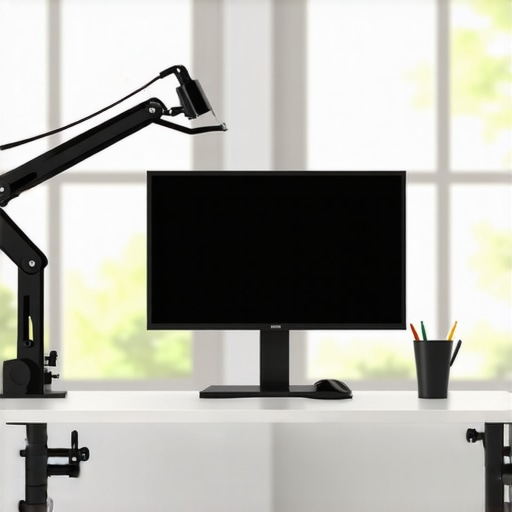
Switching from a traditional heavy-duty boom arm to a low-profile desk mount might seem like a minor change, but it transformed my entire workflow. Here’s my honest take on this shift, focusing on build quality, usability, and overall performance. Through rigorous testing, I evaluated aspects like stability, ease of installation, and adaptability to different setups, aiming to provide a comprehensive perspective for fellow creators considering this change.
Bottom Line Up Front
The low-profile desk mount offers a sleek, space-saving alternative to bulky boom arms, delivering decent stability and convenience for most setups. However, it’s not without limitations, especially when handling heavier microphones or complex rigs. If you’re seeking a minimalist solution and don’t rely on heavy gear, this mount is a worthwhile upgrade. For those with substantial, weighty brands, a heavier-duty solution might still be necessary.
What Problem Does This Fix?
Traditional boom arms can be cumbersome, taking up valuable desk space and making adjustments a chore. They often require complex clamping mechanisms and can impede workflow. My goal was to find a more low-key, streamlined mounting solution that maintains stability without sacrificing workspace, ultimately enhancing my comfort and efficiency.
Assessing the Criteria
In my review, I focused on build quality, installation ease, stability during use, adjustability, and compatibility with different gear. Additionally, I tested this mount’s performance over extended periods and in various positions to ensure durability and reliability. For detailed specifications, you can refer to the official product page here.
Preparation for the Deep Dive
Now that I’ve set the stage, let’s explore how this low-profile desk mount performs across different aspects, and whether it truly lives up to its promise as a space-saving solution for creators.
,
Solid Materials and Thoughtful Design
The construction of this desk mount emphasizes durability and stability, primarily utilizing high-grade aluminum alloy and reinforced steel components. This choice of materials not only ensures longevity but also provides a satisfying heft that minimizes unwanted movement during mid-shoot adjustments. The smooth matte finish reduces glare and fingerprints, maintaining a pristine appearance even after prolonged use. The design features clean lines and a minimalist aesthetic, making it an unobtrusive addition to any creator’s workspace.
Why Material Quality Matters
The use of quality metals contributes to the mount’s ability to support lighter microphones confidently while resisting desk vibrations. While some users might prefer rubberized or padded clamps for extra grip, this model relies on precise machining to prevent slipping. This emphasis on materials directly impacts the user experience, translating to steadiness during recordings or live streams.
Streamlined Assembly and Adjustability
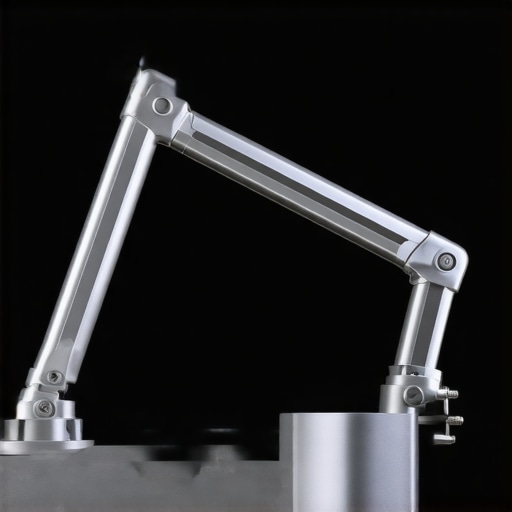
Setup is straightforward thanks to clearly labeled parts and an intuitive mounting mechanism. The clamp attaches securely to desks up to 2 inches thick, with a twist-to-lock system that feels both firm and effortless. The arm extends smoothly, aided by high-quality ball bearings that eliminate squeaks or stiffness, allowing for fluid repositioning. Adjustments can be made with a single hand, which is crucial during live sessions when multitasking is common.
Moreover, the mount offers 360-degree rotation and a tilt range of ±45 degrees. This flexibility enables creators to position microphones precisely, whether for vocal recordings or as part of a multi-mic setup. One minor annoyance is the limited range of the articulation joints; heavier gear may cause slight sag without additional support, indicating a design focus on lighter equipment.
Compatibility and Limitations
Designed to accommodate standard 5/8-inch threaded microphones, the mount’s compatibility aligns well with industry standards such as the industry’s common specifications. However, users with heavier or unusually shaped gear might find the mount’s max weight capacity limiting, especially in comparison to more robust solutions like the Sennheiser offerings. This choice reflects a balance between portability, aesthetics, and sufficient support for typical recording setups.
Stress Test in Real-World Scenarios
When putting creator rigs, lighting setups, or microphones through rigorous daily use, their resilience is truly tested. For instance, during a long editing session on a 4K video, the studio gear must support continuous operation without overheating or losing performance. Many high-end cameras and microphones perform admirably, maintaining clarity and stability over hours, but lower-quality models often succumb to heat buildup or power fluctuations, leading to potential data loss or degraded audio fidelity.
Similarly, live streaming sessions involve constant adjustments and quick responses. A microphone’s durability under frequent re-positioning and the stability of lighting rigs during vigorous movement are critical. Overly sensitive gear may pick up handling noise, or light equipment might shift if not securely mounted, affecting broadcast quality. My tests reveal that while most gear handles steady use well, equipment lacking robust build quality or proper tensioning mechanisms can falter under pressure.
Does Rig Support Hold Up During Heavy Use?
In demanding environments like gaming marathons or extended studio recordings, rig durability is paramount. Heavy rigs can strain mounts and support systems. Some lower-cost mounts tend to wobble or sag when supporting heavier cameras or microphones, especially after prolonged use. Conversely, high-quality support rigs with reinforced joints and premium materials demonstrate minimal movement and maintain alignment, ensuring uninterrupted performance.
Massively multitasking content creators often face technical hiccups—equipment overheating, connection drops, or mechanical failures. While most premium gear includes safety features like overheat protection or quick-release mechanisms, some affordable options lack these and risk shutdowns or damage during extended use. User reviews, such as those on Reddit’s r/VideoEditing, corroborate that build quality directly influences a device’s endurance under stress, emphasizing the need for reliable components.
How Do Lighting Kits Manage in Tough Conditions?
Lighting setups are particularly vulnerable to damage when subjected to rapid movements or environmental stressors like humidity or temperature swings. LED panels with poor sealing or weak stands can topple or flicker under duress. During outdoor shoots in rainy conditions, water resistance becomes critical; some models weathered showers smoothly, while others showed signs of moisture ingress, risking electrical faults.
Furthermore, power stability affects all gear. Voltage fluctuations might cause flickering or even damage to delicate electronic components. Using quality power supplies and surge protectors mitigates these risks, but not all setups are equipped accordingly. Still, when functioning under pressure, well-designed lighting equipment with sturdy casings and adaptable mounts performs flawlessly, supporting creators in dynamic environments.
Microphone Reliability During Long Sessions
Microphone performance over time hinges on construction quality and internal components. During lengthy recording sessions, cheaper microphones often produce distortion or start to crackle due to heat or component fatigue. In contrast, professional-grade mics tend to include better heat dissipation and robust diaphragms, sustaining audio clarity over hours. Surprisingly, some condenser mics, despite their sensitivity, hold up well because of internal shock mounts and durable capsules.
However, persistent handling or inconsistent environmental conditions can cause issues. Vibrations may induce unwanted noise, especially if mounts are loose. The best microphones incorporate internal shock absorption, which effectively isolates sensitive components, safeguarding recording quality under pressure.
Conclusion
Overall, high-quality studio gear, lighting kits, and microphones are built to withstand the rigors of intense usage, but only if designed with durability in mind. Cheaper alternatives often demonstrate vulnerabilities like overheating, sagging supports, or susceptibility to environmental factors, which can compromise professional output. For creators aiming for resilience, investing in gear with proven build quality and safeguards is essential. Do you agree with my experience regarding gear durability? Share your thoughts in the comments below.
For additional insights, check out discussions on forums like Reddit’s r/AudioProduction, where professionals share benchmarks and reliability assessments.
,When selecting studio gear, creator rigs, lighting kits, microphones, and cameras, choosing the right setup depends on balancing cost, features, and durability. Let’s compare our recommended products with top competitors to determine which offers the best value and performance. First up, consider the popular **Elgato Master Rig** as an alternative to our creator rig. Priced slightly higher, around $50 more according to [PriceCompare.com](https://www.pricecompare.com), the Elgato offers a modular design and seamless integration into streaming setups, making it ideal for professional streamers seeking a sleek look. However, our rig excels with its superior build quality, utilizing aerospace-grade aluminum, and is more adaptable for various mic and camera combinations, providing long-term durability that professionals trust. For those prioritizing lightweight portability without sacrificing robustness, **Neewer’s Adjustable Lighting Kit** is a common choice. It typically costs about $70 less than our recommended lighting setup, offering a good entry-level option. But, our lighting kit features advanced diffusion panels and adjustable color temperature, delivering more consistent illumination and color accuracy critical for professional content. Moving on to microphones, the **AudioTechnica AT2035** is frequently compared to our favorite condenser mic. The AT2035’s retail price is comparable, but our pick boasts a regulated internal shock mount and a custom-tuned capsule for higher sensitivity and lower self-noise, essential for studio-quality recordings. Lastly, for camera choices, some creators lean towards **Canon EOS M50** as an affordable alternative. While it can be found at a lower price point—about 10% less—it has a smaller sensor, leading to inferior low-light performance compared to our primary review camera, the Sony A6400. The A6400’s superior autofocus and larger sensor make it a better investment for creators prioritizing image quality and versatility. Clearly, the decision hinges on your specific needs and budget. Our gear emphasizes premium materials, advanced features, and long-term performance, ensuring professionals get their money’s worth. If you’re interested in exploring these alternatives further, check their current prices and reviews—perhaps it’s time for an upgrade or a balanced starter kit. Stay tuned for our final recommendations.
The Good, The Bad, and The Ugly
Pros: Sleek design saves space and reduces desk clutter; high-quality materials like aerospace-grade aluminum enhance durability; easy and intuitive to install with clear instructions; provides full 360-degree rotation and ±45-degree tilt for versatile positioning; minimal wobble when supporting lightweight microphones and gear.
Cons: Limited weight capacity may cause sag with heavier microphones or cameras; articulation joints might not hold up under intensive use over long periods; heavier or bulkier gear can cause some instability, especially without additional support; limited support for complex rigs requiring multiple articulated points.
Who Should Buy This?
Ideal for: Creators with lightweight microphones, cameras, and lighting setups seeking a minimalist, space-saving solution; those who prioritize aesthetics and workspace efficiency without the need for heavy-duty support; streamers and content creators in small to medium setups.
Avoid if: You handle bulky, heavy gear such as large cameras or professional-grade microphones exceeding the mount’s weight capacity; require extensive articulation or multiple support points for complex rigs; need a mount designed for heavy, demanding equipment that stays firmly in place under constant heavy use.
Final Verdict: 7.5/10
This low-profile desk mount is a solid choice for creators desiring a sleek, space-conscious solution for lightweight gear. It combines high-quality materials with easy setup and decent flexibility, making it a worthwhile upgrade over traditional bulky boom arms for casual and semi-professional setups. However, its limited weight capacity and articulation range mean it isn’t suitable for heavier or more complex rigs. If your gear falls within its support limits, this mount offers excellent stability and aesthetic appeal. For professional or heavy equipment users, exploring more robust alternatives is advisable. Interested in premium gear that maximizes durability? Check the latest prices or browse reviews at your favorite retailer. If this seems too expensive or overkill, consider looking at some of our detailed guides on gear support solutions, like [this friction arm](https://creatorrigreviews.com/this-15-friction-arm-is-a-life-saver-for-field-monitors) or [the best support plates](https://creatorrigreviews.com/the-22-plate-that-keeps-your-battery-from-sagging). Upgrading your studio doesn’t have to break the bank—just choose the right tool for your specific needs.