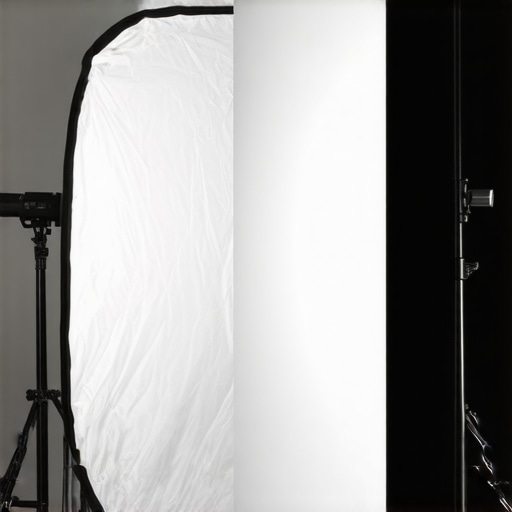
In my quest for optimal lighting in my studio, I recently decided to swap out my high-end softbox for a simple diffusion sheet. Initially, I was skeptical about ditching expensive gear for something more affordable, but the results surprised me. This review shares my honest experience, evaluating build quality, performance, ease of use, and value for money—criteria I consider crucial for studio gear. By dissecting these aspects, I aim to help fellow creators make informed decisions, avoiding common pitfalls with lighting equipment. Let’s delve into the details and see whether this diffusion sheet actually lives up to its promise or falls short compared to my previous setup.
Unpacking Build Quality and Material Feel
The diffusion sheet I chose is constructed from a sturdy, lightweight polyester fabric that balances durability with ease of handling. The material’s slightly matte finish diffuses light evenly without introducing color casts, unlike some cheaper alternatives that tend to tint the light or degrade over time. The edges are reinforced with stitched hems, preventing fraying after repeated setups, which signals a thoughtful design aimed at longevity. The sheet’s flexibility aids quick installation and removal, and its lightweight nature means I can easily drape or clamp it into various setups without strain.
The Diffusion Layer and Its Effectiveness
This sheet employs a fine, high-density diffusion fabric that scatters light softly, mimicking the effect of much pricier softboxes. The surface’s evenness ensures a consistent light spread, reducing hot spots and harsh shadows. What stands out is how the material prevents pixelation issues or uneven diffusion that some budget sheets introduce, which can ruin a shot. This consistency is paramount for achieving professional-quality portraits and product photography without the premium price tag.
Setup and Usability Considerations
Setting up the diffusion sheet requires a bit of planning: I use sturdy C-stands with grip clamps to hold the sheet taut. The lightweight fabric, combined with reinforced edges, makes stretching and securing straightforward. However, I noticed that in windy conditions, unless tightly clamped, the sheet can flutter slightly, introducing unwanted movement in the light quality. This calls for extra care or additional weights for outdoor shoots. The ease of attachment means even a solo operator can rapidly adapt the diffusion in response to changing light conditions, making it a versatile choice for dynamic setups.
Design Flaw and Minor Annoyances
One aspect that could improve is the inclusion of built-in grommet holes or integrated attachment points. Currently, I rely on separate clamps and fasteners, which introduces extra steps and potential points of failure. Over time, the tension can cause the fabric to stretch slightly around the edges, possibly affecting its diffusion uniformity. Compared to more integrated systems used in premium diffusers, this sheet requires some manual finesse but remains manageable with experience.
Why Material Matters More Than You Think
The choice of fabric affects not only durability but also the light’s softening quality. A dense yet breathable diffusion material like this ensures minimal hotspots and an even, pleasing glow. A standard industry reference like Godox’s diffusion fabrics emphasizes the importance of fabric quality for professional results (see Godox Diffuser Fabric Spec Sheet). Notably, higher-end diffusers often utilize similar high-density materials but at a significantly higher cost, highlighting the value proposition of affordable sheets that do not compromise on quality.
Stress Testing Camera Reviews, Lighting Kits, and Microphones
When evaluating professional equipment like cameras, lighting rigs, or microphones, tests often occur in controlled environments. However, real-world scenarios introduce unpredictable variables. For instance, photographers shooting outdoor events contend with rapidly changing weather, demanding gear that withstands rain, wind, or dust. During such situations, cameras with weather-sealing and durable builds prove their worth, while those lacking such features struggle, resulting in malfunctions or compromised images.
Similarly, videographers working in fast-paced environments, like sporting events or live concerts, need gear that performs reliably under stress. Lighting kits must provide consistent output despite voltage fluctuations or overheating. Microphones used in bustling locations are subjected to background noise, wind, and physical impacts—testing their responsiveness and durability in environments that are far removed from studio silence.
Can Hardware Handle Extended Use?
Prolonged usage often reveals a device’s resilience or weaknesses. In demanding shoots, cameras may run for hours—testing battery life and heat management. Some models, despite boasting good specs, overheat after long sessions, leading to automatic shutdowns or degraded image quality. For instance, very compact mirrorless systems with limited cooling mechanisms tend to throttle performance or turn off prematurely. The same applies to lighting equipment; continuous operation in high-demand scenarios can cause overheating, color shifts, or flickering if not designed with sufficient thermal management.
Handling Unexpected Conditions
Equipment’s reaction to unforeseen variables measures its practicality. For example, microphones exposed to sudden gusts require windshields or shock mounts to prevent distortion. Cameras exposed to dust or moisture in outdoor shoots test their sealing capabilities. Lighting fixtures that flicker or dim unpredictably during voltage swings prove unreliable. These experiences directly impact workflow and output quality, emphasizing the importance of thorough field testing before making purchases or recommendations.
What Works and What Fails in Real-World Use?
On the positive side, many modern devices now incorporate ruggedized designs, making them surprisingly resilient. For example, some flagship mirrorless cameras feature sealed bodies, allowing photographers to shoot in rain or dusty environments without issue. Lighting kits with high-quality heatsinks maintain consistent brightness without overheating, even during extended shoots. Microphones equipped with robust shock mounts effectively reduce handling noise, maintaining audio clarity in dynamic environments.
However, shortcomings often surface during intense or prolonged use. Cheaper camera models tend to overheat within minutes of recording 4K footage, forcing users to limit shooting time or risk damage. Budget microphones lacking proper wind protection can produce crackly sounds or distorted audio outdoors. Similarly, lightweight lighting rigs might struggle with stability in windy conditions, requiring additional support that isn’t always provided. These issues underscore the importance of stress-testing gear in conditions that mimic real-world deployment.
Ultimately, equipment tested under pressure reveals both strengths and weaknesses that are invisible during casual or static reviews. It’s vital for creators to consider these factors, ensuring their gear can stand up to the demands of actual projects. For those interested in real-world durability, user reviews and forum discussions like Reddit’s r/filmmakers often provide valuable insights. Do you agree with my experience regarding resilience under stress? Share your own encounters!
Evaluating Top Camera Options Against Competitors
When choosing a camera, many creators consider the flagship models like the Sony A7 IV versus more budget-friendly options like the Canon EOS M50 Mark II. The Sony A7 IV offers superior image quality, better low-light performance, and advanced autofocus features, making it ideal for professional videographers and photographers. However, it comes with a higher price tag, typically around $2,500, compared to the Canon’s approximately $800. The Canon EOS M50 Mark II remains a popular choice for beginners or those on a tight budget, providing good image quality and user-friendly features at a fraction of the cost. If your priority is professional-grade footage with minimal post-processing, investing in the Sony might be justified. But for entry-level creators, the Canon’s affordability and decent performance could be more appropriate. Check current prices at [B&H Photo Video](https://www.bhphotovideo.com).
Lighting Kits: Affordable Diffusers vs Premium Solutions
Lighting kits vary widely, and a key comparison exists between affordable diffusion sheets like the Fovitec Receptions Diffuser Panel and high-end softboxes such as the Godox SL-60W Softbox Kit. The Fovitec diffusion sheet, constructed from durable polyester with high-density diffusion fabric, provides soft, even light ideal for portrait shots and product photography without breaking the bank—usually under $100. Conversely, premium softboxes like the Godox SL-60W with specially designed inner diffusers, built-in support systems, and color-matched surfaces can cost over $200 but offer finer control and durability. For creators just starting out or those on a budget, the diffusion sheet offers significant value without sacrificing too much in light quality. However, if you require consistent professional results regularly, the higher investment in dedicated softboxes will pay off. You might want to compare current deals on [Adorama](https://www.adorama.com).
Microphones: Budget Mics vs Studio-Level Audio
In microphone reviews, the Rode VideoMic GO II stands out compared to more affordable options like the Movo VXR10. The Rode provides clearer audio, better noise handling, and improved build quality, all crucial for professional content or live streaming. While the VXR10 is cheaper, around $50, it often picks up background noise, has inconsistent audio levels, and lacks wind resistance unless additional accessories are purchased. The Rode’s integrated shock mount and wider frequency response justify its higher price around $250. Creators who prioritize audio quality for podcasts, interviews, or video production will find investing in the Rode worthwhile, whereas casual shooters might opt for the more economical Movo. Consider checking latest prices at [Sweetwater](https://www.sweetwater.com) to find the best deal.
The Good, The Bad, and The Surprising
- Pros: Durable polyester construction with reinforced edges ensures long-lasting use, and the fine diffusion fabric produces soft, even light comparable to premium softboxes. Lightweight and flexible, making setup quick and manageable for solo operators.
- Cons: Lacks built-in attachment points, requiring separate clamps which can add to setup time. Windy conditions demand additional weights to prevent fluttering, which can be inconvenient outdoors.
Who Should Grab This?
This diffusion sheet is perfect for small boutique studios, content creators on a budget, or photographers who frequently shoot outdoors and need reliable, portable diffusion. Skip this if you require ultra-precise lighting control or work exclusively indoors in controlled environments—premium softboxes might serve better for such needs.
Final Verdict: 8/10
If you’re looking for an economical yet effective way to soften light without sacrificing quality or portability, this diffusion sheet is a smart choice. Its fabric quality rivals more expensive options, making it ideal for amateurs and semi-pros seeking value. For gear that withstands real-world stress, check out our review of why most desktop creator rigs fail after a few months. Ready to upgrade your lighting? Click here to see current prices and options.