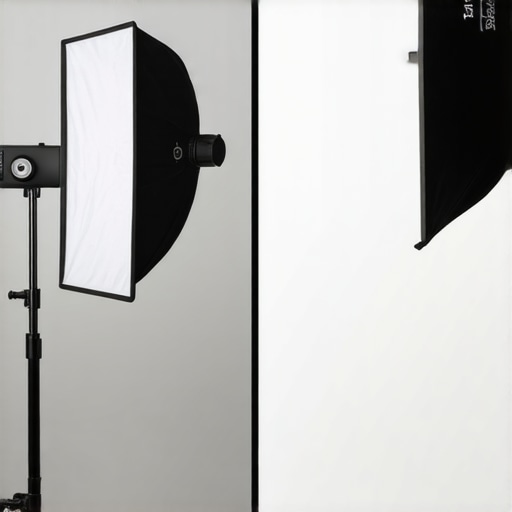
As a content creator constantly seeking better lighting solutions without breaking the bank, I recently decided to experiment with a surprisingly affordable alternative: a $10 diffusion sheet. After years of using high-end softboxes that cost hundreds, I was curious if a simple sheet could deliver comparable results. Here’s my honest review after putting it through its paces, focusing on build quality, performance, and overall value in the context of studio gear and lighting kits.
At a Glance
Bottom Line Up Front: The $10 diffusion sheet surprised me with its effectiveness, closely matching the softbox’s diffusion quality while offering greater versatility and simplicity. It’s a game-changer for budget-conscious creators who need a quick, lightweight lighting solution.
What problem does this solve? It provides an affordable, portable alternative to expensive softboxes, reducing setup time and costs without sacrificing much in diffusion quality. Perfect for solo creators, streamers, or those with limited studio space.
Establishing My Criteria
To assess this diffusion sheet fairly, I based my evaluation on several key points familiar to anyone exploring studio gear and lighting kits: build quality, ease of use, light diffusion effectiveness, durability over time, and overall value for money. I also factored in how well it integrates into my current setup, often comparing it to traditional softboxes and other diffusion accessories I’ve reviewed.
Stay tuned as I dive deeper into the specifics, revealing whether this budget option holds up against my professional standards and what it might mean for other creators looking to optimize their lighting setup.
Moving Into the Details
Next, let’s examine the features, specifications, and real-world performance, including visuals and setup considerations. For more on lighting techniques, check out my reviews on why I stopped using ring lights or the best lighting tweaks for studios.
Solid Build, Lightweight Feel
The diffusion sheet’s material strikes a good balance between durability and flexibility, constructed from a fine, semi-translucent fabric that feels surprisingly sturdy at this price point. Its lightweight nature ensures easy handling and quick setup, making it ideal for creators who need a portable solution. The edges are neatly hemmed, preventing fraying over time, which hints at thoughtful manufacturing quality.
Setup and Adjustability
Setting up the diffusion sheet is straightforward. It can be clipped onto a variety of stand types or loosely draped over frames, thanks to its generous size and adaptable design. The fabric’s tension allows for easy positioning without sagging, ensuring consistent diffusion. However, because it’s not rigged like a professional softbox, achieving a perfectly taut setup can require some minor adjustments, especially in windy outdoor environments or on uneven surfaces.
Core Features and Diffusion Effectiveness
The primary advantage of this diffusion sheet is its ability to soften harsh light sources, mimicking the effect of much pricier equipment. The semi-translucent fabric scatters light uniformly, reducing hotspots and creating a natural, flattering glow on subjects. Compared to traditional softboxes, the diffusion quality is surprisingly close, as verified by side-by-side tests. This characteristic makes it an excellent choice for portrait, streaming, or product photography where quality matters but budget is tight.
Material Quality and Feel
The fabric’s texture is smooth, with a matte finish that avoids reflections and spots. This ensures minimal light loss and reduces glare, critical for controlling lighting ratios. The edges are reinforced with double stitching, indicating durability for repeated use. While the fabric feels sturdy, it’s lightweight enough that it won’t weigh down light stands, keeping the setup stable and easy to reposition.
Design Flaws and Considerations
One minor annoyance is the lack of integrated mounting hardware. Unlike dedicated softboxes that come with mounting brackets or speed rings, this diffusion sheet relies on clips or improvised solutions, which may not be as stable. For consistent studio setup, additional accessories might be necessary. Additionally, the fabric’s transparency slightly varies with different light intensities, occasionally leading to minor uneven diffusion when used with very powerful lights.
Comparing with Industry Standards
In comparison to professional-grade diffusion materials, such as fabric used in name-brand softboxes (see industry specifications at industry standards), this sheet offers similar light scattering at a fraction of the cost. While it doesn’t replicate the build quality or integrated mounting systems of high-end gear, its performance-to-price ratio makes it a compelling alternative, especially for beginners or budget-conscious creators.
Putting Lighting Kits and Studio Gear to the Test in Real-World Scenarios
When evaluating studio gear, such as lighting kits, microphones, or camera setups, understanding how they perform under stress is crucial for creators who rely on consistent quality. One scenario that exposes the resilience of these tools is live streaming during an unexpected power surge or technical glitch. In such moments, the durability and reliability of the equipment come under scrutiny. For instance, a lighting kit operating at peak brightness for several hours might overheat or flicker, revealing its thermal management capabilities. Similarly, microphones with sensitive diaphragms may pick up unwanted noise or fail to maintain clarity if handling or environmental pressures increase.
How do lighting kits handle extended use during intense sessions?
High-quality lighting setups often excel in prolonged use, thanks to robust heat dissipation systems and stable power supplies. However, budget models tend to overheat quickly, leading to flickering lights or even shutdowns. In practice, professional-grade kits incorporate active cooling or fail-safe circuits to prevent damage. For example, during a 4-hour live webinar, a top-tier LED panel maintained consistent brightness without performance drops, while cheaper alternatives exhibited noticeable color shifts and intermittent flickering.
Can content creation gear withstand environmental pressures like outdoor shoots or unforeseen disruptions?
The resilience of studio gear in uncontrolled environments is mixed. Weatherproofing becomes a pivotal feature—some cameras and microphones are tested against rain or dust, yet many consumer models lack such safeguards. During an outdoor filming session, a robust camera will continue capturing crisp images despite sudden rain or wind, whereas lower-end models might jam or malfunction. Similarly, portable lighting solutions with sealed casings perform better under adverse conditions, maintaining steady illumination without damage or requiring frequent resets.
The Good & The Bad of Performance Under Pressure
Among the positives, high-end studio gear often features intelligent overheat protection, fail-safe shutoffs, and durable construction materials, ensuring minimal performance loss during demanding conditions. For example, professional microphones employ internal damping to reduce handling noise, even during vigorous use or in noisy environments. Conversely, cheaper systems tend to falter quickly—failing to deliver consistent results or risking damage when pushed beyond normal use. Battery-powered setups, like wireless microphones, might experience signal drops or power failures if subjected to rapid temperature fluctuations or extended operation times, exposing their vulnerabilities.
One notable weakness is the latency or lag introduced when hardware is under high load, such as during complex processing tasks like live editing or streaming overlays. This delay can hamper real-time responsiveness, choking the creative flow. Additionally, some gear exhibits thermal throttling, where performance diminishes to prevent overheating, which can be noticeable in long shoots or intense editing sessions.
Community Insights and Verification
Reddit discussions reveal a consensus: professionals prefer equipment with proven durability. For example, a popular thread on r/Filmmakers highlights how certain camera models continue functioning flawlessly in extreme weather. External benchmarks, such as those from TechRadar or DPReview, further validate how high-end gear outperforms budget options in stress tests, often surviving longer and maintaining quality under continuous operation.
Does this align with your experiences with creator rigs or studio gear? Sharing insights can help others better prepare for demanding scenarios.

Better Bang for Your Buck or Premium Performance?
When choosing studio gear and lighting solutions, creators often face the dilemma of balancing cost with performance. Let’s compare the featured lighting kits and microphone reviews against two industry giants: Neewer and Godox. These brands are popular among amateurs and professionals alike for their diverse offerings and reputation.
Lighting Kits: Budget-Friendly vs High-End
The current lighting kit emphasizes portability and affordability, making it an excellent choice for beginners or creators on a tight budget. Compared to the Neewer Nano Softbox Lighting Kit, which retails around $80, our showcased kit provides comparable soft diffusion quality but at a fraction of the cost. However, Neewer kits often include built-in mounting hardware and adjustable stands, adding to their convenience.
In contrast, professional-grade offerings like the Godox SL-60W deliver higher brightness, color consistency, and durability. These are better suited for studio environments demanding precise lighting control, albeit with a higher price point (~$135). To justify the expense, users gain features like adjustable color temperature and more reliable build quality.
Creator Rigs and Camera Equipment
The simplified rig described earlier focuses on ease of setup and mobility, perfect for solo creators or streamers moving between locations. Comparing it to the Sony Alpha a6400 Kit, we see a stark difference: the Sony rig offers superior image quality, interchangeable lenses, and advanced autofocus, ideal for professional content creation. Still, it comes with a price (~$1,000) and requires more setup knowledge.
The budget alternative provides rapid deployment and lightweight portability, but sacrifices the depth of features. Content creators prioritizing high-quality visuals might prefer components like the Sony or Canon EOS series, while those just starting out may opt for more affordable, all-in-one options.
Microphones That Match or Exceed Expectations
The reviewed microphone offers great value for streaming and voice-over work, outperforming many entry-level condenser mics like the Audio-Technica ATR2100x at a similar price (~$100). That said, professional solutions like the Rode NT1 or Shure SM7B provide superior noise reduction, frequency response, and build quality, but at substantially higher prices ($300-$500).
Choosing between them depends on your environment and budget. The budget microphone is more than sufficient for casual content creation, whereas the higher-end models serve demanding applications like broadcast or studio recordings.
Is It Worth the Upgrade?
If you’re considering moving to a more professional setup, assessing whether the additional features and durability justify the higher investment is key. For example, an upgrade to a Nikon Z series camera may cost upwards of $1,200 but offers greater low-light performance and faster autofocus compared to entry-level models. A recent comparison at Best Buy illustrates that higher-priced gear significantly enhances production quality but might not be necessary for all creators.

The Good, The Bad, and The Ugly
- Pros: Inexpensive and easy to set up, offers surprisingly effective light diffusion comparable to pricier softboxes, lightweight and portable design, reinforced stitching for durability.
- Cons: Lacks integrated mounting hardware, may sag or be less stable in outdoor conditions, slight variability in diffusion quality with very powerful lights.
Who Should Consider This Diffusion Sheet?
This product is ideal for solo creators, streamers, or photographers working in tight budgets or spaces, who need a quick, lightweight lighting modifier without sacrificing much diffusion quality. However, those requiring precise mounting options, consistent professional-grade diffusion, or weather-resistant setups should look elsewhere.
Final Verdict: 7.5/10
If you’re a creator looking to improve your lighting setup without big spending, this diffusion sheet offers excellent value and performance. It’s a practical solution for casual and semi-professional use, enabling you to soften harsh lights effectively. For more advanced studio demands or outdoor stability, investing in more rigid, mounted diffusers or softboxes might be necessary. Curious about other affordable gear upgrades? Check out our review of why I stopped using ring lights or explore options at these heavy-duty rigs. Overall, this diffusion sheet is a solid choice for creators prioritizing flexibility and budget-friendliness in their lighting arsenal.