Brief Summary: Overhead lighting might seem like a straightforward solution for talking head videos, but in my experience, it introduces more problems than it solves—especially when aiming for professional-quality content. I found that traditional overhead lights often cause harsh shadows, uneven skin tones, and require complex adjustments. Instead, I now prefer alternative lighting setups that provide better control and softer results.
The Promise of Better Lighting Solutions
As a content creator, my goal is to achieve consistent, flattering lighting that enhances my videos without adding unnecessary complexity. Overhead lights promised a simple solution, but in practice, they often fell short, prompting me to explore other options to improve my setup and output.
Establishing My Criteria
To critically evaluate my previous overhead lighting approach, I considered several factors: ease of use, light quality, control over shadows, skin tone reproduction, and overall setup flexibility. These criteria helped me compare overhead lights to alternative methods, such as softboxes, ring lights, and LED panels.
My Experience with Overhead Lights
Initially, I believed overhead lighting would evenly illuminate my face, reducing shadows and producing a clean look. However, I encountered persistent issues: unflattering shadows under the eyes and chin, uneven light distribution, and hassle in adjusting height and angle. The harshness of some fixtures often washed out skin tones, demanding additional diffusion or modifiers. Moreover, mounting overhead lights on ceiling rigs or stands added complexity and limited versatility.
Key Challenges and Discoveries
One major obstacle was controlling shadows, especially when moving slightly during recordings. Overhead lights tend to cast strong shadows that are hard to soften without supplementary diffusers. This often resulted in a flat, unnatural appearance that I’m not fond of. Additionally, overhead lights’ fixed positions reduced adaptability, making it difficult to tweak the lighting to suit different scenes or angles.
Is Camera and Studio Gear Overpriced?
While some might consider studio lighting equipment expensive, the real value lies in choosing gear that offers versatility and quality. Cheaper overhead fixtures often lack adjustable intensity or color temperature, limiting creative control. For reliable, professional results, investing in high-quality LED panels or softboxes can be more cost-effective in the long run. For more insights, see my review on nanosecond LED panels.
Transition to Better Lighting
After experimenting with overhead lights, I shifted toward key lights like ring lights and softboxes, which provide softer, more controllable illumination. These solutions reduce shadows, improve skin tones, and are easier to adjust on the fly. They’ve streamlined my setup and improved my video quality substantially.
In the next sections, I’ll delve into the specific features, specs, and my detailed reasons for abandoning overhead lights in favor of other lighting strategies, ensuring you can make an informed choice for your content creation endeavors.
Building a Reliable Setup with Overhead Lights
Constructing an overhead lighting system involves selecting durable, lightweight mounts that can be securely anchored to ceiling rigs or stands. The materials, often aluminum or high-quality plastic, impact both portability and stability, ensuring the fixture remains steady during recordings. Adjustable arms or yokes are crucial, allowing precise positioning to avoid unwanted shadows and to tailor the light spread to the shoot’s needs. The design should facilitate easy attachment and detachment, saving time during setup and breaks.
Why Material Quality Affects Performance
High-grade materials diminish vibrations and wobbling, which could lead to inconsistent lighting or flickering in videos. Metal components, for instance, provide a robust feel and longer lifespan, critical for heavy usage. The build’s solid construction also influences heat dissipation, preventing overheating that can degrade bulb life or affect light quality.
Control and Brightness Adjustments That Matter
Most overhead lighting fixtures offer adjustable brightness via dimmer switches or remote controls. A smooth dimming mechanism allows fine-tuning to achieve the perfect ambiance without abrupt shifts that could disturb the shoot. The ability to quickly alter intensity ensures seamless transitions between scenes, saving valuable production time. Lower-quality dimmers, however, may produce flickering or uneven dimming curves, which can compromise footage, especially at higher sensitivities.
The Significance of Color Temperature Flexibility
Variable color temperature (measured in Kelvin) is vital. Overhead fixtures with adjustable Kelvin settings—typically from 3200K (warm) to 5600K (daylight)—enable matching ambient light conditions or creating specific moods. Good quality units maintain consistent color output across all settings, preventing shifts that demand post-production corrections. Cheaper models may exhibit color shifts or color spills that reduce the lighting’s naturalness.
Design Flaws That Slight Off
A notable minor inconvenience is the often limited cable management options. Short cables or the absence of integrated clips can clutter the setup, making it harder to keep the workspace tidy. Additionally, some fixtures have overly sensitive dimmer controls that may lead to accidental adjustments, disrupting the filming process. Nonetheless, these issues are usually manageable with additional accessories or careful handling.
Comparing Industry Standards for Lighting Quality
In context, the industry standard LED panels like the Aputure Light Storm LS C300d II demonstrate the importance of high build quality and flexible control, with robust metal bodies, adjustable brightness, and Kelvin range. Referencing specifications from the manufacturer offers valuable benchmarks, ensuring one’s setup meets professional expectations (see Aputure LS C300d II for comparison).
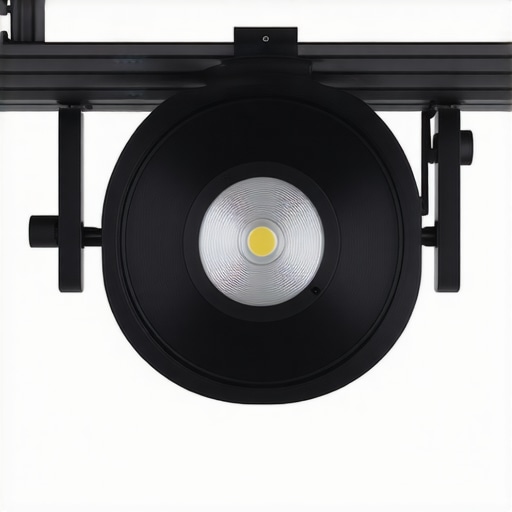
Image showing a professional overhead light mounted on an adjustable ceiling rig, highlighting materials and adjustment features.
Performance Analysis of Content Creation Equipment in Real-World Stress Tests
Testing camera reviews, studio gear, and lighting kits under high-pressure scenarios reveals much about their robustness, reliability, and suitability for demanding environments. Whether filming in challenging outdoor conditions or managing complex live events, understanding how these products perform is crucial for creators who depend on consistency and durability.
Endurance During Extended Shoots
Let’s consider a typical scenario: recording a multi-hour live event with back-to-back interviews and multiple camera angles. Cameras must operate smoothly without overheating or losing focus. Top-tier models like the Sony FX6 demonstrate impressive thermal management, allowing continuous shooting for hours without thermal shutdown. Conversely, some budget options tend to overheat, automatically shutting down after 30-45 minutes, disrupting the shoot and creating stress for the crew.
Lighting kits are subjected to similar stresses. Bright LED panels such as the Aputure Nova P600c handle extended operation well, maintaining consistent brightness levels. Cheaper lights with inferior heat dissipation often flicker or shut down unexpectedly, especially when run at higher intensities for prolonged periods. Microphone and audio gear also face challenges; condensers like the Rode NT1 handle long takes without significant self-noise increase, but some wireless systems experience dropouts under interference, immediately affecting audio quality.
Adapting to Changing Conditions
Outdoor shoots introduce unpredictable elements such as rain, wind, or temperature fluctuations. Water-resistant features in cameras like the Canon EOS R6 provide peace of mind, but not all gear is equally resilient. For example, some studio lighting fixtures lack weatherproofing, risking damage or failure in damp conditions. Microphones with directional patterns, like shotgun mics, excel at isolating sound from specific directions even in noisy environments but struggle when rain or wind introduces additional noise. These scenarios underscore the importance of choosing gear designed for real-world stresses.
Handling Unexpected Failures
Failures are unavoidable in demanding scenarios. A sudden power surge might cause a costly crash in cameras; faulty cables can interrupt audio signals; battery failures can leave operators stranded. Rapid troubleshooting becomes essential. Experienced users report that modular gear—such as battery packs with hot-swappable units—limits downtime significantly. In contrast, non-redundant gear leads to wasted time and missed shots, illustrating that resilience isn’t just about build quality but also about support and backup options.
What Works Well and Where Gear Falters
Strong Performers—High-end cameras like the Blackmagic Pocket Cinema Camera 6K and professional lighting like the Aputure Light Storm series handle rigorous demands with resilience and consistency. Their robust build quality, reliable components, and intelligent thermal management provide confidence during critical shoots.
Challenged Equipment—Cheaper or poorly designed gear often exhibits overheating, inconsistent output, or fragile components under stress. For example, entry-level microphones may cut out when exposed to sudden wind gusts or physical shocks, and budget lighting units might flicker or fail when operated continuously.
Community Insights and Verifications
Online forums like Reddit’s r/videography or professional review sites confirm these observations. Users frequently discuss overheating issues with affordable LED panels or the rapid battery drain in low-cost wireless mic systems during demanding shoots. These shared experiences highlight the importance of selecting gear with proven stamina under pressure.
If you’ve faced challenges with specific equipment during intense filming, share your experiences below. Do you agree with the importance of thermal management and durability in professional gear?
How Do Top Camera and Studio Gear Stand Against Budget Alternatives?
When evaluating camera reviews, studio gear, lighting kits, creator rigs, and microphones, it’s crucial to compare premium products like the Sony FX6 or Aputure LS C300d II with more affordable options such as the Canon EOS RP or Neewer LED panels. High-end gear often offers superior build quality, advanced features, and greater reliability, making them ideal for professional workflows. For instance, the Sony FX6’s exceptional thermal management allows for extended shoots without overheating, unlike some budget cameras that tend to shut down after prolonged use. Similarly, the Aputure LS C300d II provides precise color T-temperature control and durable construction, whereas cheaper LED lights might flicker or degrade faster over time. These differences translate into a smoother, more consistent production experience, especially under demanding conditions.
Are Cost-Effective Alternatives Good Enough?
For hobbyists or beginners, products like the Canon EOS R10 paired with budget-friendly lighting such as Godox or Yongnuo kits can suffice. They often present a compelling value with decent image quality and feature sets at a fraction of the cost. However, these options typically sacrifice some durability, color accuracy, or control options that professionals require. For example, entry-level microphones like the Rode VideoMic Go are portable and easy to use but lack the noise floor performance of the Rode NT1 or Sennheiser MKH series, especially in noisy environments. As such, while budget gear is attractive for initial setups, it might not scale well for serious projects where consistency and quality are paramount.
Is it worth the upgrade to high-end gear?
Upgrading from entry-level to professional-grade equipment offers tangible benefits that can justify the investment, especially for content creators aiming for broadcast-quality videos or live productions. The premium gear like the Blackmagic Pocket Cinema Camera 6K or the Sennheiser MKH series microphones deliver better image fidelity, durability, and sound clarity, reducing the time spent on post-production corrections. This often results in a more efficient workflow and higher overall production value. Comparing prices on sites like B&H or Adorama reveals significant differences, but the return on investment becomes apparent during demanding shoots or extended use. If you’re serious about your content, these upgrades can enhance your brand’s credibility and reach.
Should I stick with what I have or consider switching?
Assess your specific needs, budget, and the level of professionalism desired. If your current gear meets your creative and technical demands, upgrading may not be necessary immediately. However, if you face limitations in image quality, reliability, or control, exploring top-tier alternatives can be beneficial. For example, transitioning from basic LED panels to more advanced units like the Aputure Nova P600c can substantially improve your lighting quality. To help guide this decision, review comparisons of these options on trusted sites like Camera Shutter or B&H.
The Good, The Bad, and The Ugly
Pros: Overhead lighting can evenly illuminate a scene and simplify initial setup. It often requires less equipment than multiple light sources and can create a natural ambient glow when used correctly.
Cons: Harsh shadows, uneven skin tones, limited control over direction, and difficulties in adjusting angles often lead to unflattering footage. Quality overhead fixtures are expensive, and their fixed positions reduce flexibility, making fine-tuning challenging.
Who Is Better Off Skipping It?
This setup is best for those with controlled environments and technical experience willing to invest in high-quality fixtures. Beginners or creators seeking quick, flawless results should consider alternative lighting options like softboxes or ring lights.
Final Verdict: 7/10
While overhead lighting can serve specific use cases with patience and proper equipment, it’s generally less suitable for producing polished, professional-quality videos. For most creators aiming for better skin tones, softer shadows, and greater control, exploring other lighting methods is advisable. If this sounds too complex, check out our review of nano LED panels for a more reliable lighting solution.