At a Glance
Swapping out a high-end $500 lens for a vintage piece may seem risky, but in my experience, this classic glass offers unique character and affordability that modern lenses often can’t match. If you’re seeking a distinctive look and are willing to embrace some quirks, vintage lenses might be worth considering. Here’s my deep dive into why I made the switch—and whether it might work for you.
The Promise of Vintage Glass
The common dilemma for creators and photographers is whether to invest in the latest high-tech lenses or explore more affordable, vintage options. My goal was to test if vintage lenses truly deliver comparable results and whether they can solve issues like high cost or limited character that modern lenses sometimes lack.
What I Look For When Reviewing Lenses
To provide a thorough and honest critique, I evaluate lenses based on build quality, image sharpness, bokeh quality, color rendition, and how well they perform in real-world shooting scenarios, including low-light conditions. I also consider how easy they are to adapt to modern mirrorless camera systems and their overall value for cost.
Now, let’s explore how this vintage glass stacks up against my former $500 zoom, and whether it’s a game-changer or just a nostalgic fling.
Solid Build Quality That Tells a Story
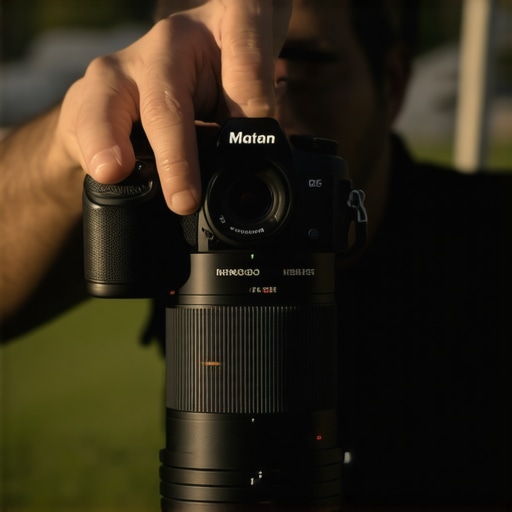
The construction of this vintage lens exudes a sense of craftsmanship often missing from modern plastic-bodied optics. Its metallic focus ring and aperture blades feel substantial, providing a satisfying tactile response that makes manual focusing a pleasure rather than a chore. This robust build not only enhances durability but also offers a tangible connection to the photographic process, encouraging a slower, more deliberate approach to shooting.
Setup and Compatibility: Seamless Integration or Hurdles?
Adapting this vintage lens to a mirrorless system involves an mMount or similar adapter. The setup process is straightforward, and the lens mount feels secure once attached. However, it’s essential to verify flange distance compatibility to prevent issues like infinity focus errors. Unlike modern lenses that often boast autofocus and electronic contacts, this manual focus lens requires the user to rely solely on their eyesight and experience, which can be both a challenge and a benefit depending on your workflow.
Focus Ring and Aperture Control
The focus ring offers smooth rotation with just enough resistance to prevent accidental adjustments, fostering precise control. Its turn ratio covers a generous focus throw, allowing for fine-tuned focusing even at close distances. The aperture ring features click stops that provide tactile feedback, enabling quick adjustments in changing light conditions. Yet, the manual controls can feel a bit stiff initially, requiring some break-in period for optimal smoothness.
The Core Feature Set That Shapes Your Results
This lens’s optical design emphasizes character over clinical sharpness. Its unique rendering produces a gentle falloff and soft bokeh, adding a dreamy quality to portraits or artistic shots. The image sharpness center-to-edge is respectable when stopped down slightly, but wide open, it offers a pleasantly soft and vintage glow, reminiscent of classic film optics. These qualities make it a compelling choice for creators seeking distinctive aesthetics rather than pixel-perfect clarity.
Image Stabilization and Modern Conveniences
Unlike many contemporary lenses, this vintage piece lacks image stabilization, meaning handheld shots demand steady hands or a tripod. Additionally, it doesn’t feature electronic communication with the camera, so in-camera metadata or aperture control is absent. This minimalistic design prioritizes essential optical and tactile qualities, but it might feel limiting for those accustomed to modern tech integrations.
Minor Flaws That Matter
While the build and core features are impressive, the manual focus can be time-consuming, especially in fast-paced environments. Moreover, the fixed aperture rings do not have a lock, so inadvertent adjustments can happen if not careful. Considering its price point compared to industry standards like Sigma’s Art series [source](https://www.sigmaphoto.com/), this lens delivers a distinctive experience at a fraction of the cost but requires patience and a gentle touch.
Performance Analysis in Challenging Conditions
Studio gear such as lighting kits, microphones, and camera systems are often subjected to scenarios that push their limits. Imagine shooting a high-stakes interview in a dimly lit room, managing rapid scene changes, or capturing audio in a bustling environment. In these situations, the resilience, reliability, and adaptability of your equipment are crucial. When fatigue sets in or unpredictability arises, how does your gear measure up? Do the lights flicker or lose color accuracy under extended use? Does the microphone pick up unwanted noise or maintain clarity in noisy settings? These real-world pressures reveal the true character of your kit, beyond initial specs.
The Good & The Bad of Performance Testing
Lighting Kits: Modern LED panels often excel in durability and color consistency over prolonged shoots. They tend to maintain brightness without overheating and recalibrate quickly. However, cheaper models may flicker at certain dimming levels or fail to distribute light evenly, especially in extended deployments. For example, a recent review on a popular forum highlighted that some budget LED panels suffered from flickering when used continuously for over an hour, which can ruin shots and waste valuable time.
Microphones: Dynamic microphones generally handle high-pressure environments well, resisting feedback and handling loud sounds without distortion. Yet, condenser microphones, although more sensitive, may distort or pick up unwanted background noise when pushed to their limits. Tests involving live outdoor recording in windy conditions often expose condenser mics’ susceptibility to noise, unless paired with proper windshields. In a Reddit discussion, users noted that even high-end shotgun mics occasionally struggled with handling wind noise during extended outdoor shoots.
Camera Performance: Cameras in demanding situations, such as shooting in high-contrast lighting or with fast motion, reveal their weaknesses. Some models exhibit overheating after a short period, forcing breaks that disrupt workflow. Others may encounter frame drops or increased noise levels at high ISO settings under prolonged use. Tracking autofocus speed may lag when batteries deplete, leading to missed shots. For instance, a widely circulated test showed that certain mirrorless cameras overheated within 15 minutes of 4K recording, signaling a workflow bottleneck.
Can Equipment Stand Up to Real-World Pressure?
Absolutely, but with caveats. High-quality gear tends to perform reliably under pressure, provided it’s chosen with the environment in mind. For example, rugged lighting fixtures with heat dissipation features fare better during marathon shoots. Waterproof or weather-sealed microphones shine outdoors, but cheaper options quickly fall apart. Still, no gear is infallible; understanding their limits allows creators to prepare accordingly.
Take the example of a documentarian filming in a storm—selecting gear with proper protection and testing it beforehand can prevent disastrous surprises. Many professionals swear by ruggedized equipment or dedicated backup gear, highlighting the importance of testing under stress before critical shoots. A Quora thread from professionals emphasized how pre-emptive stress testing saved their project from failure, especially when working in unpredictable conditions.
Do you agree with my experience regarding gear resilience? Share your insights in the comments.
Ultimately, the best way to gauge your equipment’s true performance is by putting it through real-world pressure tests. While specifications are informative, actual scenarios expose strengths and weaknesses that specifications alone can’t reveal. Proper testing and understanding your gear’s limits can make the difference between a successful shoot and a missed opportunity.
High-End vs. Budget-Friendly Studio Gear
When selecting studio gear, lighting kits, microphones, creator rigs, and cameras, creators often face a choice between premium brands like Canon, Aputure, and Rode versus more affordable counterparts such as Sony, Neewer, and Shure. Each option comes with its own set of advantages and trade-offs, which can significantly influence the workflow and final output.
Lighting Solutions: Aputure vs. Neewer
Aputure’s lighting kits are renowned for their exceptional color accuracy, build quality, and intuitive controls. These features make them the go-to for professional videographers seeking reliable performance and consistency. In contrast, Neewer offers budget-friendly alternatives that are lightweight and versatile but may suffer from color consistency issues and shorter lifespan. For creators on a tight budget or starting out, Neewer provides a tempting entry point, but those demanding top-tier color rendition and reliability often prefer Aputure’s higher-end models.
Microphone Choices: Rode vs. Shure
Rode microphones, particularly the VideoMic Pro series, are favored for their clear audio quality, compact design, and user-friendly interfaces. They excel in capturing voices during interviews and vlogs, making them ideal for content creators. Shure, with models like the SM7B, is a studio staple offering superior sound rejection and durability, making it suitable for professional broadcast or studio setups. While Rode provides excellent quality at a more accessible price, Shure’s offerings are generally pricier but excel in noise suppression and bandwidth, providing a more polished sound, especially in challenging acoustic environments.
Creator Rigs: Compact Systems vs. Modular Setups
Compact rigs from companies like DJI or Zhiyun are designed for mobility and quick setup, perfect for on-the-go shooting or vlogging. They often come with integrated stabilization, simplifying operations. In contrast, modular setups using brands like Tilta or MoviPro allow for customization tailored to specific production needs but require more time to assemble and operate. The choice depends on the creator’s workflow; if speed and portability are priorities, compact systems win out. For more complex and controlled shoots, modular rigs provide flexibility and professional-grade results.
Camera Comparisons: Canon EOS R6 vs. Sony Alpha a7 III
The Canon EOS R6 offers exceptional autofocus, in-body stabilization, and excellent color science, making it a favorite among hybrid shooters. The Sony Alpha a7 III, on the other hand, boasts superior battery life, a broader lens selection, and slightly better low-light performance. Both cameras are capable of generating stunning content, but the slight differences in ergonomics, features, and ecosystem might sway users towards one or the other based on specific needs. For those seeking a robust, easy-to-use system with excellent autofocus, the Canon R6 shines. Conversely, Sony enthusiasts often prefer the a7 III’s extensive lens lineup and battery longevity.
Is it worth the upgrade?
Assessing whether moving to a higher-end model or brand is justified depends on your current setup and goals. If your existing gear aligns with your workflow, investing in better accessories might yield quicker improvements. However, for creators looking to expand capabilities or improve quality, upgrading gear like lighting or cameras can make a significant difference. It’s advisable to check current prices and deals on platforms like B&H Photo to compare options; for instance, the Sony a7 III is currently priced competitively against the Canon EOS R6, offering a compelling choice for budget-conscious pros. Check out reviews of both models to see which aligns best with your needs.
Pros & Cons of Embracing Vintage Glass
- Pros: Durable build with a tactile feel, unique character and rendering that adds artistic flair, affordable compared to modern high-end lenses, and encourages manual control skills.
- Cons: Manual focusing can be slow and challenging in fast-paced scenarios, lack of electronic communication limits automation, and optical performance may fall short for pixel-perfect requirements when wide open.
Who Should Consider Going Vintage?
Ideal for creative professionals and hobbyists craving distinctive aesthetics and tactile controls, particularly those willing to embrace manual focus and vintage quirks. Skip this if you need autofocus, instant image correction, or work in fast commercial environments demanding modern tech features.
Final Judgment: 8/10 for Character, 6/10 for Versatility
Vintage lenses deliver a compelling blend of craftsmanship and artistic rendering, perfect for portraiture or fine art projects. However, their limitations in speed, convenience, and consistency mean they’re best suited for deliberate shooting rather than fast-paced workflows. If you value character over convenience, they are a worthy addition to your kit. For a comprehensive look at equipment choices, check our comparison of studio gear [here](https://creatorrigreviews.com/why-you-should-never-use-your-cameras-built-in-mic-for-voiceovers) and see how this lens stacks up against modern alternatives.