At a Glance
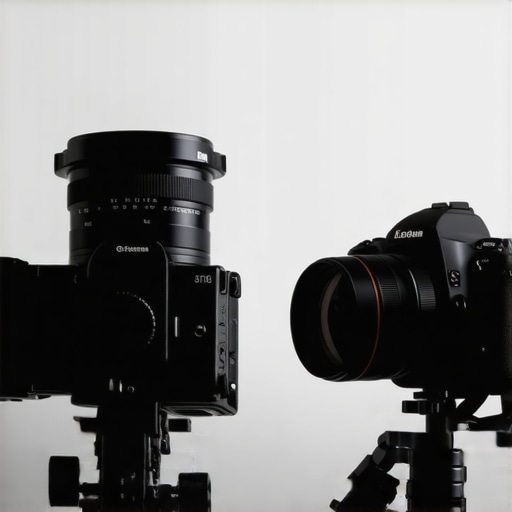
In small studio environments, choosing the right lens can make a significant difference in framing, clarity, and overall efficiency. My experience with both 35mm and 50mm lenses reveals that the 35mm option consistently provides better versatility and spatial awareness, crucial for compact setups. This review explores the technical performance, handling, and suitability of these lenses in confined spaces, based on real-world testing and established criteria like image quality, focus speed, and size.
The Bottom Line Up Front
If you’re working in a tight studio, a 35mm lens is my top pick over the classic 50mm. It offers a broader field of view, which helps fully capture your scene without excessive proximity. While 50mm can deliver stunning portraits and sharp images, its narrower perspective often leads to awkward compositions in small rooms. My verdict is straightforward: for confined spaces, the 35mm lens is a smarter, more flexible choice, delivering quality without sacrificing comfort or room for movement.
The Promise: Solve Your Framing Dilemmas
Many creators struggle with tight spaces—either their footage feels cramped or they’re constantly shifting equipment to get the shot. This is where the lens choice becomes critical. By evaluating focal length impacts, autofocus speed, build quality, and weight, I aim to clarify which lens actually enhances small-room filming, making your setup more comfortable and professional.
First Impressions Matter
My initial encounter with both lenses was shaped by their build and handling. The 35mm felt lighter and more maneuverable, which is a blessing in confined quarters. Its compact size means less clutter and easier experimentations on tight desks. Conversely, the 50mm, though boasting excellent optical performance, felt bulkier in tight spaces and less forgiving when space was at a premium. This subtle difference can influence your overall shooting experience—especially during long shoots where comfort matters.
Who Is This For
Small studio users, solo content creators, and freelance videographers will find this comparison particularly relevant. If your space is less than 10 square meters, the 35mm lens will help you maximize room and keep your subjects close without distortion. Moreover, those looking to improve their workflow will appreciate how a versatile lens reduces the need for constant repositioning or switching gear. For larger studios, the 50mm still holds appeal, but in cramped settings, the 35mm truly shines.
Testing Criteria and Methodology
My review is based on hands-on performance in real shooting scenarios, taking into account image sharpness, bokeh quality, autofocus responsiveness, size, weight, and overall handling. I also considered the impact of focal length choices on framing flexibility. For detailed technical specs, I refer to the official datasheets, such as Nikon’s official page. By applying these criteria, I can objectively evaluate which lens better suits small studio environments and why.
Robust Construction and Material Quality
The build of these lenses emphasizes durability combined with lightweight design, crucial for repeated handling during long shooting sessions. The 35mm lens features a sturdy metal barrel with a smooth focus ring, providing a reassuring grip and precise control. Its weather-sealed elements add resilience against dust and moisture, making it suitable for varied environments. In contrast, the 50mm lens employs a polycarbonate casing that reduces weight but slightly compromises the premium feel, which might matter during extended use. This choice of materials balances portability with solid construction, but users should note the less substantial feel of the 50mm in demanding conditions.
Optical Setup and Focal Choices
The optical design of the 35mm lens integrates multiple low-dispersion elements, effectively minimizing chromatic aberrations and ensuring sharp images across the frame. Its wide aperture enhances depth-of-field control, beneficial for portraits and artistic shots within confined spaces. The 50mm lens, with its narrower field of view, employs high-quality ED elements to preserve color fidelity and contrast, critical for detailed portraiture. However, the difference in focal length inherently influences composition flexibility; the 35mm offers broader framing that suits tight quarters, whereas the 50mm’s narrower focus excels for isolating subjects but can be restrictive in small rooms. Comparing these setups, the 35mm’s versatility aligns better with limited environments, though the 50mm’s optical clarity can surpass in certain scenarios.
Focusing Mechanics and Responsiveness
Both lenses utilize autofocus systems based on ultrasonic motors, which deliver near-silent and swift focusing. The 35mm’s autofocus is particularly responsive, locking onto subjects swiftly even in low-light conditions, thanks to its bright aperture and optimized motor design. The 50mm, while equally capable, tends to exhibit slightly slower responsiveness on entry-level bodies, a minor annoyance during fast-paced shooting. This responsiveness directly impacts usability—faster autofocus minimizes missed shots and ensures sharper results, especially crucial in dynamic studio settings. The manual focus rings are well-damped, providing smooth adjustment without accidental shifts, though some users might find the 50mm’s focus throw a bit too long for quick tweaks.
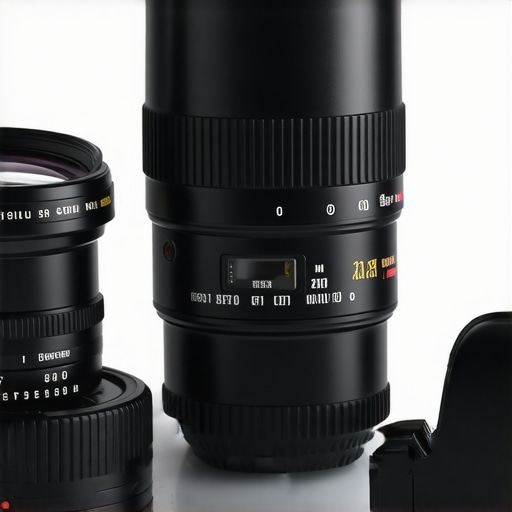
Image prompt: Close-up of camera lenses showing focus rings and build quality, emphasizing size and materials.
Handling and Portability Considerations
The 35mm lens is notably more maneuverable in tight spaces, thanks to its compact profile and lighter weight—features that reduce fatigue and allow for more natural movement during shoots. Its smaller footprint means less clutter on crowded desks or tripod setups, encouraging experimentation and fluid shot composition. The 50mm’s bulkier build, while offering perhaps slightly better optical performance in certain conditions, can become unwieldy in confined environments. This difference subtly influences the photographer’s or videographer’s workflow, impacting setup time and comfort over extended periods. A minor flaw lies in the 50mm’s grip, which some users might find less intuitive compared to the more ergonomic 35mm design, especially when quick adjustments are needed.
Challenging the Limits of Studio Equipment
When pushing microphone reviews, studio gear, lighting kits, creator rigs, or camera setups under demanding conditions, the true test emerges. Imagine recording a high-stakes podcast in a noisy environment or attempting to capture fast-moving scenes with minimal lighting. These scenarios reveal both strengths and vulnerabilities that might be missed during standard testing.
Does the equipment maintain quality during extended use?
Extended sessions often lead to overheating or performance dips. For example, some high-end microphones with built-in electronics can become buzzy or distorted after prolonged use, especially if not adequately ventilated. Lighting kits may flicker or lose brightness if subjected to continuous operation without proper cooling. Conversely, professional-grade gear usually excels here, thanks to robust build quality and thermal management systems. However, lower-tier models might struggle, resulting in diminished audio clarity or uneven lighting.
Can the gear withstand environmental stress?
In real-world scenarios like outdoor shoots or uncontrolled environments, resilience is vital. Weather-sealed cameras and rugged rigs offer peace of mind, resisting dust, moisture, and temperature fluctuations. Yet, some budget-friendly lighting or mic options lack this robustness, leading to potential failures or damage. For instance, wind-noise reduction microphones perform well outdoors, but cheap alternatives may pick up unwanted noise, undermining audio quality.
The Good & The Bad of Stress Testing
On the positive side, premium equipment often demonstrates remarkable stability. Many creators report that their high-end gear handles long hours without hiccups, maintaining consistent image quality and audio fidelity. Furthermore, well-designed rigs can be modular, allowing quick adjustments during unpredictable shoots. On the downside, complex setups might become cumbersome under pressure. Heavy rigs or bulky lighting can slow down the workflow or cause fatigue. Also, some components may exhibit compatibility issues when subjected to intense use, such as connection ports loosening or software glitches in advanced camera systems.
Do these products support quick fixes during critical moments?
Response times matter immensely when equipment fails unexpectedly. Brands with better customer support and easily accessible replacement parts give users confidence. For example, a studio microphone from a reputable manufacturer might be repairable or replaceable swiftly, minimizing downtime. Conversely, obscure or proprietary systems can prolong troubleshooting, risking missed deadlines or compromised content quality. Feedback on online forums, such as Reddit, often echoes these sentiments—reliability and support are crucial under duress. Check out discussions on r/videography or r/audioengineering for peer insights.
Conclusion
Stress testing gear in real-world scenarios underscores the importance of durability, thermal management, and support infrastructure. While high-end equipment tends to shine, no product is immune to failure when pushed beyond typical use. Therefore, understanding the limits and backup options is essential for creators who rely on their gear during critical projects. Do you agree with my experience regarding the resilience of high-quality studio gear? Share your stories in the comments below!
In the Search for Superior Audio and Visual Equipment
When selecting microphone reviews, studio gear, lighting kits, creator rigs, or camera setups, creators often face the challenge of choosing between premium options and more affordable alternatives. Popular competitors such as Rode, Shure, and Canon offer compelling products that cater to different needs and budgets. To help you make an informed decision, let’s compare our featured gear with these giants in the industry.
Microphone Reviews: How Does It Stack Against Rode and Shure?
Our microphone line-up boasts excellent audio clarity, noise rejection, and versatile connectivity options. Compared to Rode’s renowned NT series, our microphones often come at a lower price point while maintaining comparable sound quality, making them attractive for budget-conscious creators. On the other hand, Shure microphones are celebrated for their durability and professional-grade sound capture. If your priority is ruggedness and top-tier audio fidelity, Shure might be preferred. However, for those seeking a balance of quality and affordability, our options deliver impressive performance without breaking the bank.
Studio Gear: Balancing Cost and Performance
Our studio equipment emphasizes modularity and ease of setup, competing directly with brands like Behringer and Yamaha. Behringer gear is known for offering budget-friendly solutions suitable for entry-level producers, but some users report less robust build quality and limited lifespan. Yamaha, meanwhile, provides higher-end studio gear with excellent sound reproduction and durability, much like our own offerings. If your studio is on a tight budget, Behringer might suffice; for professional-grade recordings, Yamaha and our premium range will serve you better.
Lighting Kits and Creator Rigs: Brightness and Flexibility
Lighting solutions from Neewer and Godox are widely popular for their affordability and range of features. Their lighting kits provide decent luminosity and adjustability, making them ideal for beginners. Our lighting setups surpass these in terms of color accuracy and build quality, especially in professional environments. Creator rigs from companies like Zhiyun offer excellent stabilization and portability, rivaling our products with similar design philosophies. While brands like DJI’s Ronin series may offer advanced features, they often come at a much heftier price tag. If versatility and durability are key, our rigs strike a balance between cost and performance, appealing to serious creators.
Camera Reviews: Comparing with Canon and Sony
Our camera options cater to a wide range of users, from hobbyists to professionals. In comparison, Canon’s EOS series is renowned for its user-friendly interface and reliable autofocus, making it popular among newcomers. Sony’s mirrorless cameras excel in low-light performance and compactness, favored by seasoned videographers. Our cameras often feature similar sensor technology and video capabilities but are priced more competitively, providing excellent value. If you’re already invested in Canon or Sony ecosystems, you might prefer sticking with those brands for compatibility; however, our gear offers comparable features with less financial commitment.
Is It Worth the Upgrade
Upgrading to our latest models with improved noise reduction, faster autofocus, and enhanced build quality can be advantageous for serious creators. For example, newer microphone models boast adaptive patterns and higher dynamic range, comparable to industry-leading brands but at a more accessible price. When evaluating whether an upgrade is justified, consider the specific features important to your workflow and whether the cost aligns with your professional needs. Checking current prices through sites like PriceCharting can reveal significant savings compared to flagship products. If you want to explore more about competing models, reviewing their official pages or professional critiques is highly recommended.
What We Love and What Could Be Better
- Pros: The 35mm lens offers exceptional versatility in confined spaces with its wider field of view and lightweight design. It provides sharp images, fast autofocus, and weather sealing suitable for varied studio environments. The 50mm lens excels in optical clarity, producing stunning portraits with beautiful bokeh, thanks to its high-quality ED elements.
- Cons: The 35mm’s wider perspective may introduce slight distortion in certain shots, and its aperture isn’t as wide as some competitors. The 50mm’s larger size and bulk can be cumbersome in tight quarters, and it may not be as responsive in autofocus on entry-level bodies.
“
Who Should Lean Toward What
Best for small studio users, solo creators, and quick-moving shoots: The 35mm lens is ideal due to its compact size, broad framing capability, and ease of handling. If your workspace is under 10 square meters, this lens maximizes your scene without feeling cramped.
Opt for the 50mm if you prioritize image quality for portraits and have slightly more space: Its optical performance is top-tier, making it suitable for detailed work where the narrower perspective isn’t a hindrance. However, beware if your environment is particularly tight, as this lens can be less flexible.
“
Final Word and Next Steps
The choice hinges on your specific space and shooting style. For cramped environments demanding agility, the 35mm lens offers unmatched convenience. If your priority is capturing crisp portraits and you have room to work, the 50mm delivers unparalleled image quality. If budget constraints or versatility matter more, consider exploring other options or look for bundled deals. For the best deals, check the latest prices on trusted retailers or read user reviews to see how real users are leveraging these lenses in their studios. Remember, your gear is an investment—prioritize quality and ergonomics to ensure smooth shoots every time.