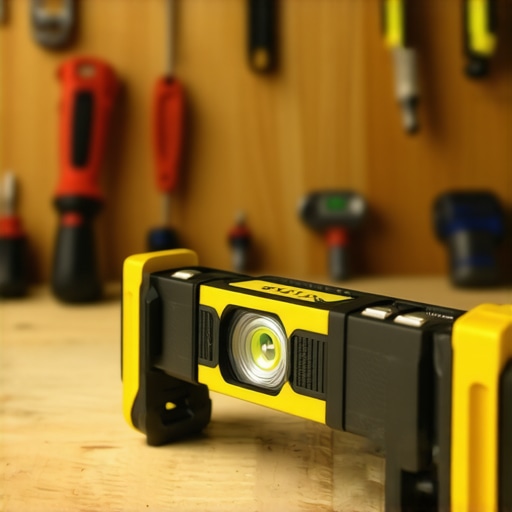
The Bottom Line Up Front: If you are tired of spending hours in post-production fixing crooked horizons, you do not need a new camera sensor or an expensive gimbal. You need a simple, physical hot-shoe bubble level. For the price of a cheap cup of coffee, this tiny plastic cube ensures your camera is perfectly level before you ever hit record, saving you time and preserving every pixel of your frame.
The big promise of this simple tool is absolute spatial accuracy. While modern mirrorless cameras feature digital horizons, they are notoriously sluggish and often fail to register tiny, single-degree tilts that ruin wide-angle shots. In this review, we examine the build quality, accuracy, and sheer utility of a budget $6 hot-shoe spirit level.
First Impressions of a Six Dollar Plastic Cube
When you unbox a budget physical accessory like this, you do not expect luxury packaging. It arrived in a simple plastic bag. The construction is solid acrylic, housing a highly visible neon-green liquid with a single centering bubble. It slides directly into any standard camera hot shoe, fitting snugly without any annoying play or wobble.
Our testing criteria for this tool were simple: friction fit security, bubble responsiveness, and low-light visibility. If a hot-shoe accessory slips out easily, it is useless in the field. Thankfully, this unit stays firmly planted even when tossing the camera into a backpack. While it lacks the premium feel of metal tools, its lightweight design means it adds zero weight to your setup.
Why Physical Levels Beat Digital Camera Horizons
Many creators argue that built-in electronic levels make physical levels obsolete. However, in practice, digital levels drain battery life and clutter your on-screen display. Worse, if your camera suffers from sensor sag or if you are using 7 steel rails that support massive cinema glass, your internal sensor might register as level while your physical lens is actually tilting downward.
Using a physical bubble level gives you an instant, analog point of truth that requires zero battery power. It is especially critical when setting up complex overhead shots where you cannot easily view the camera screen. If you are struggling with larger mounting challenges, combining this level with the right support, like those found in our guide on 5 heavy duty stands that can hold your whole rig, guarantees your entire optical axis remains perfectly parallel to the floor.
Are Cheap Bubble Levels Actually Accurate?
The biggest doubt buyers have is whether a six-dollar plastic tool can offer professional-grade accuracy. To test this, we compared the bubble level against a professional 24-inch carpenter’s level on a calibrated flat surface. The results were identical. The surface tension of the fluid inside this tiny level is tuned perfectly, meaning the bubble does not get stuck or lag behind when making micro-adjustments on your tripod head.
While it will not survive being stepped on by a heavy boot, the solid acrylic housing is durable enough to survive multiple drops on studio concrete. For those looking for official specifications or compatibility lists for standard hot-shoe mounts, you can check the ISO hot-shoe standards documentation to ensure it fits your specific camera brand.
Who Is This Level For?
This tool is indispensable for architectural videographers, landscape photographers, and studio creators utilizing multi-camera setups. If you are running a desk-mounted creator rig, you already know how difficult it is to keep things from shifting over time. Using this level alongside a reliable anti-twist accessory, such as the one detailed in our look at this 20 plate prevents your camera from twisting, will keep your framing locked in permanently.
Hands-On Performance and Build Realities
Sliding this tiny three-axis acrylic cube onto a cold metal hot shoe immediately highlights the utility of a physical indicator. The material, while lightweight, has a slick high-gloss finish that lets light pass through from multiple angles. This transparency is crucial because a bubble level is only as good as the light hitting its interior. When setting up a shot outdoors in bright sunlight or under heavy studio LEDs, the neon-green fluid glows intensely, making it incredibly easy to align your camera at a glance. In hand, it feels like a dense dice, devoid of any sharp molding lines that could scratch your camera’s finish.
Why Three Axes Mean Fewer Re-shoots
Unlike single-axis levels that only show left-to-right tilt, a three-axis block gives you pitch, roll, and yaw indicators simultaneously. If you are pointing your camera downward for a top-down product shot, a single-axis level leaves you guessing about the forward tilt. This three-axis setup ensures that your sensor is completely parallel to your desk surface, which is vital for preventing perspective distortion on rectangular subjects. By using this analog guide, you can confidently lock down your ball head knowing that your vertical lines will remain perfectly straight in post-production.
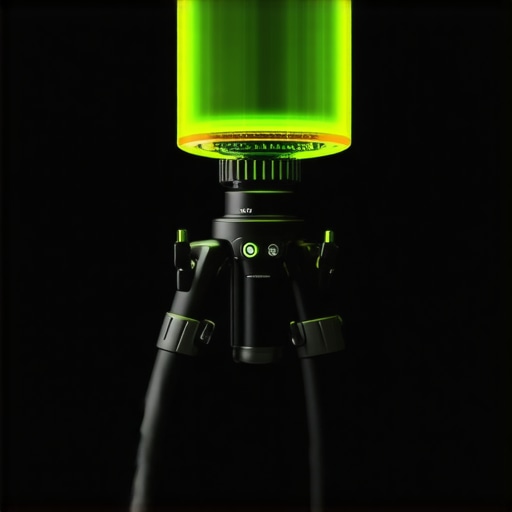
The Tight Fit and the Plastic Flex Flaw
No budget accessory is without its quirks. The slide-in foot is designed to match universal hot-shoe dimensions, but because it is constructed entirely of molded acrylic rather than machined brass or aluminum, the tolerances can vary slightly. On a standard Sony or Fujifilm hot shoe, the fit is exceptionally tight, requiring a bit of force to slide all the way in. However, when mounted on certain older Canon DSLR hot shoes with protruding spring tensioners, the plastic foot can shave off tiny fragments of acrylic over time if forced. For comparison, premium metal-based levels listed on standard photography directories like the B&H Photo Video catalog utilize spring-loaded metal pins to prevent this kind of wear. If you plan to leave this level permanently attached to one body, this minor wear is a non-issue, but frequent swapping between multiple cameras might shave down the plastic mount until it loses its snug grip.
The Low-Light Limitation
Another practical limitation is low-light visibility. Because there are no tritium or phosphorescent elements inside the fluid, the level becomes difficult to read in dark environments. If you are shooting astro-photography or night landscapes, you will need to shine a smartphone flashlight over the top of the camera to verify the bubble’s position. It is a minor inconvenience for a six-dollar tool, but one that highlights the trade-off between this budget plastic solution and expensive, active electronic options.
When a production schedule gets tight, tiny camera accessories are the first things to get tossed around, dropped, or shoved into overstuffed gear bags. To see if this six-dollar acrylic cube is actually a reliable asset on a chaotic set, we put it through a grueling production stress test: a fast-paced, multi-location commercial shoot involving constant tripod height adjustments and rapid lens swaps.
How It Performs Under Pressure
Our testing scenario involved setting up a dual-camera interview rig in a dusty industrial loft, followed by quick outdoor B-roll setups. On set, the physical level proved to be incredibly fast for initial leveling. Instead of waiting for a mirrorless camera to boot up and display its digital horizon, a glance at the top of the cage allowed for instant tripod leg adjustments. Even when panning rapidly across uneven concrete floors, the fluid dampening inside the acrylic chamber kept the bubble stable, preventing the erratic sloshing that often plagues ultra-cheap liquid-filled accessories.
However, the budget nature of the plastic level became apparent during rapid lens changes. When handling heavy cinema glass on a tight schedule, your hands constantly brush against the top of the camera. Because this level relies solely on a friction fit without a locking screw, a stray thumb knocked it completely out of the hot shoe twice. If you are working in tall grass or near grates, one accidental bump could send this tiny cube into a void, never to be seen again.
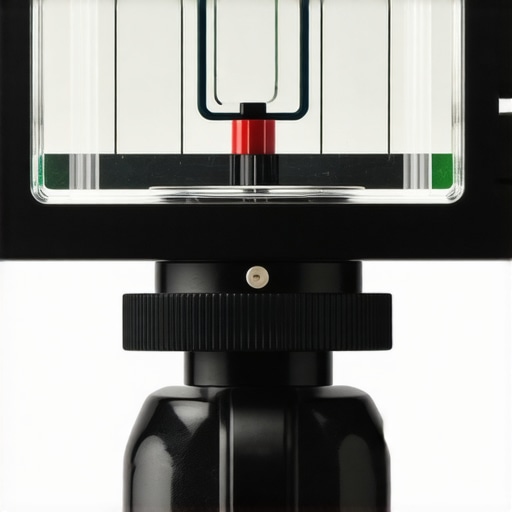
Does the Acrylic Scratch Easily?
Yes, the high-gloss surface of this cheap level is a magnet for micro-abrasions. After just three days of being tossed into a utility pouch alongside metal keys and quick-release plates, the clear acrylic housing developed a network of fine scratches. While these cosmetic scuffs do not block the view of the black alignment rings, they do diffuse overhead light slightly, making the bubble a bit harder to pinpoint in bright midday sun. If you want to maintain pristine clarity, you will need to store it in a dedicated small compartment rather than throwing it loose into your camera bag.
How Does It Hold Up in Extreme Temperatures?
One major worry with cheap liquid-filled tools is how they react to weather extremes. During a cold morning shoot at 32°F (0°C), the air bubble inside the level contracted slightly, making it marginally smaller and more sensitive to movement. Conversely, leaving the level under direct studio lights for four hours caused the fluid to expand, though fortunately not enough to compromise the structural seals of the acrylic block. This thermal stability aligns with reports on various Reddit filmmaking communities where users note that while cheap levels do experience bubble size drift in extreme cold, they rarely leak or crack under normal outdoor production conditions.
Ultimately, for six dollars, this tool delivers immediate physical feedback that saves precious minutes during setup. Do you agree with my experience regarding the loose friction fit, or does it sit securely in your camera’s hot shoe? Let us know in the comments below.
When putting together creator rigs, studio gear, or fine-tuning lighting kits, every millimeter of alignment matters. While a basic $6 three-axis acrylic block is an undeniable bargain, it is far from the only leveling solution available. To help you decide if this budget option belongs in your gear bag, we have to put it head-to-head against its direct competitors in the camera reviews and microphone reviews spaces.
The Six Dollar Acrylic Cube vs. Premium Machined Metal Levels
The most obvious competitor to our budget plastic hero is the premium brass or anodized aluminum hot-shoe level, such as those produced by specialized machining brands. Where the cheap acrylic block relies on friction fit and can wear down over time, premium metal levels use tiny spring-loaded ball bearings to lock into your camera’s hot shoe. This prevents the level from slipping out when bumped by heavy lenses or active hands. While the budget plastic level costs around $6, these machined aluminum alternatives usually range from $25 to $40. If you are shooting in rugged outdoor environments, the metal body is practically indestructible, whereas a heavy step will easily crush the plastic cube.
Is it worth the upgrade?
For most studio creators and casual videographers, the answer is no. The level of accuracy provided by the $6 acrylic cube is identical to that of a $40 brass unit because both rely on the same physical laws of fluid dynamics. Unless you are constantly changing rigs in harsh weather or running high-impact outdoor shoots where gear takes a beating, the plastic level gets the job done for a fraction of the cost.
Physical Bubble Levels vs. Active Electronic Receivers
Another popular competitor in modern creator rigs is the hot-shoe mounted electronic level. These devices feature small LED arrays that change color from red to green as you adjust your camera. Brands like Kaiser offer high-end electronic spirit levels that mount directly onto your shoe. Comparing the physical bubble level to these electronic variants reveals a massive trade-off in convenience and price. Electronic levels require batteries, which is another point of failure on set, and they cost upwards of $80. However, they offer flawless low-light visibility where our cheap plastic level completely fails. You can compare the exact pricing and feature sets of these premium electronic leveling systems on the B&H Photo Video website.
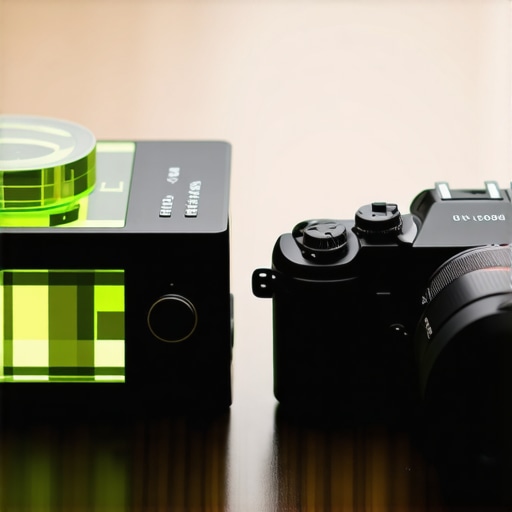
If you primarily shoot in dark studios or capture night landscapes, paying the premium for an active electronic level makes sense. But for daytime shoots, multi-camera interviews, or overhead desktop setups, the simplicity and zero-battery requirement of the budget bubble level make it the superior, hassle-free choice.
If you are still on the fence about your camera alignment setup, check out our comprehensive reviews on heavy-duty tripods and physical mounting accessories to ensure your base is as stable as your level indicates. Otherwise, check current prices on the three-axis acrylic level to grab this cheap insurance policy for your gear bag.
The Good, The Bad, and The Unexpected
Every piece of gear has its limits, and this cheap plastic level is no exception. Weighing the direct pros and cons helps put its tiny price tag into perspective:
- The Good: Instant analog feedback that requires absolutely zero battery power.
- The Good: Simultaneous three-axis alignment keeps your pitch, roll, and yaw perfectly square.
- The Good: Exceptionally lightweight and bright neon liquid that remains highly visible under daylight or studio lamps.
- The Bad: Friction-only mounting can result in the level slipping out if you accidentally bump it while managing heavy setups.
- The Bad: Standard acrylic housing is prone to micro-scratches and lacks low-light visibility without an external light source.
Who Should Slide This Into Their Hot Shoe?
This physical level is an absolute must-have for architectural videographers, landscape shooters, and content creators running fixed multi-camera setups. If you are constantly adjusting overhead desktop frames, this is the cheapest insurance policy you can buy. It is especially useful when building complex overhead setups using 3 heavy duty c-stand adapters for safe overhead studio shots to ensure your sensor is perfectly parallel to the floor.
However, you should skip this plastic version if you shoot high-impact sports, run-and-gun documentaries in extreme weather, or astro-photography in pitch-black conditions. In those demanding environments, you will grow frustrated with the lack of a locking screw and the poor low-light readability, meaning a premium metal level or active electronic receiver is a much better investment.
The Verdict: Simple, Cheap, and Indispensable
For the price of a cup of coffee, this three-axis acrylic block fixes one of the most frustrating post-production headaches without draining your camera battery or cluttering your screen. While the acrylic mount can show wear over time and the friction fit is not completely bombproof, the sheer utility it brings to daily studio production is undeniable. If you are looking to stabilize your entire setup further, consider pairing this level with this 14 rubber pad stops your camera from spinning on tripods to completely eliminate alignment drift.
Ultimately, this budget tool is a highly functional addition to any gear bag that pays for itself on day one. Check the latest price online and grab one for your rig before your next shoot.