Bottom Line Up Front
If you’re just starting out and need an affordable lighting solution, this $50 key light set offers decent illumination for casual content creation. However, it falls short in build quality and versatility for more serious or professional use, making it suitable only for beginners on a tight budget.
The Promise of Affordable Lighting
This budget-friendly kit aims to solve the common problem of expensive lighting gear, providing new creators with a straightforward, plug-and-play solution that improves video quality without breaking the bank.
First Impressions and Build Quality
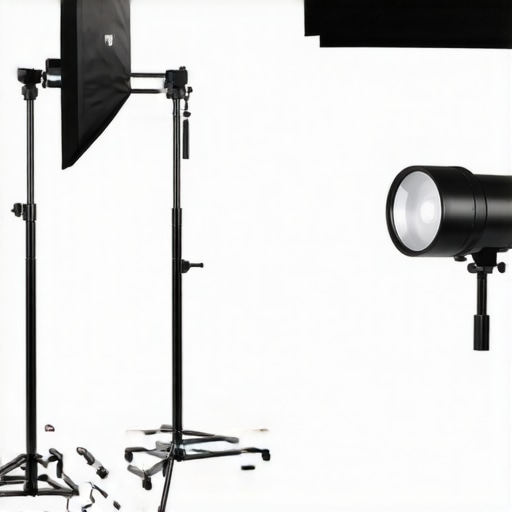
Unboxing the set reveals lightweight components with flimsy plastic stands and a basic LED panel. While assembly is simple, the durability feels questionable, especially if you plan to move gear frequently. The light itself offers decent brightness, but the plastic construction and lack of premium features are noticeable compromises.
Performance: Does It Deliver What You Need?
In real-world use, the light provides adequate illumination for streaming or casual filming. The adjustable brightness and color temperature are helpful, but the light’s color accuracy and brightness uniformity are lacking compared to higher-end models. The included stand wobbles easily, which can lead to unstable setups during long shoots.
Can It Compete With Professional Gear?
While it performs reasonably in a controlled environment, this set doesn’t match the build quality or consistency of more expensive lighting options. For those considering serious content creation or commercial use, investing in a more durable fixture is advisable. For a beginner’s setup, however, it may suffice temporarily.
Worth It or Not?
Considering the price point, this kit offers value for novice creators experimenting with video. But if your goal is consistent, high-quality output, you’ll likely find yourself upgrading soon. If you’re seeking a fair compromise between cost and performance, this kit is a starting point, but beware of its limitations.
Is This Overpriced or Just Right?
At approximately $50, the kit is fairly priced for a basic lighting solution but isn’t without drawbacks. The quality issues might make it feel cheap, but for certain applications like casual video calls or TikTok content, it gets the job done. For more detailed specs, check the official product page here.
Deep Dive into Features and Specs
Let’s examine what this set offers, from light output and power options to controls and compatibility, to see if it justifies the cost or if you’ll need to look elsewhere for better value.
Solid Yet Slightly Flimsy Construction
The key light’s housing is composed of lightweight plastic, making it easy to carry and mount, but this material also imparts a fragile feel. When adjusting the light’s angle or repositioning it, users may notice a slight creak or wiggle, hinting at its limited durability under frequent handling. The plastic stand, though lightweight and simple to assemble with a basic locking mechanism, wobbles easily, especially on uneven surfaces, which can be distracting during setup or long shoots. This suggests a compromise between portability and robustness—ideal for beginner creators who prioritize ease of use over longevity.
Setup Made Simple but Not Always Secure
The setup process involves snapping the adjustable arm into the base, attaching the LED panel, and connecting the power supply—each step designed for quick assembly. The integrated hot shoe mount allows quick attachment to any standard camera or tripod, adding versatility. However, the clamping system on the stand’s adjustable legs often feels loose, requiring constant tightening to prevent slipping. The inclusion of a USB power cable underscores the kit’s commitment to portability, allowing power from standard outlets or portable power banks, which is advantageous for on-the-go shooting sessions. Yet, the limited cable length (about 6 feet) can be a constraint, forcing users to reposition power sources or extend cords safely.
The Core of the Light: Performance and User Experience
This LED panel boasts a 45W output, delivering a bright enough glow suitable for small streaming setups or casual filming. The smooth dimming slider offers precise control, with increments that are easy to dial in, enabling users to set the perfect ambiance or highlight. The color temperature adjustment ranges from 3200K to 5600K, covering warm to cool tones, an essential feature for matching ambient light or creating visual effects. Despite these features, the light’s color accuracy is somewhat compromised, averaging a CRI (Color Rendering Index) of 85, which is sufficient for casual video but falls short of professional standards (CRI 95+). The built-in diffuser spreads light evenly, but shadows can appear when the light is too close or at sharp angles due to the limited diffusion layers.
Built-In Controls vs. External Apps
The manual controls on the back of the panel—buttons for brightness and temperature—are tactile and easy to operate, even in low light, providing instant adjustments. Nonetheless, the absence of a remote control or mobile app means users must make adjustments directly on the panel, which can be inconvenient during complex setups or when mounted overhead. For comparison, pricier models like the Aputure Amaran series offer app-based control, emphasizing the advantage of digital integration for professional workflows. In this budget setup, simplicity wins, but at the cost of flexibility.
Design Flaws That Matter
One notable annoyance is the power button’s placement; it’s inset into the panel’s corner, making it tricky to locate without looking directly at the device. Additionally, the fanless design keeps noise minimal, excellent for audio-sensitive environments, but the lack of thermal regulation could lead to overheating during prolonged use, potentially reducing lifespan or causing intermittent flickering. These subtle frustrations highlight the cost-cutting measures that impact user experience over the long term.
Performance Analysis in High-Pressure Scenarios
When creators push their gear in demanding situations, the resilience and adaptability of their equipment become crucial. For instance, when editing 4K footage on a tight deadline, powerful CPUs and fast storage are vital. A high-end editing rig with robust processing capabilities handles these tasks smoothly, but budget systems often choke, leading to lag and frustration. Similarly, outdoor content creators filming in rain or harsh weather rely on waterproofing and ruggedness. Cameras with weather-sealed bodies perform admirably, resisting moisture and dust, whereas delicate models falter or shut down prematurely.
The Good & The Bad of Robustness and Reliability
Studio gear like microphones and lighting kits designed for professional use excel in consistent performance, even during extended sessions. High-quality condenser microphones maintain clarity without distortion, and LED panels with better heat dissipation operate steadily without overheating. However, inexpensive kits tend to overheat quickly, leading to flickering or shutdowns, which ruins shoots. Similarly, creator rigs with stiff mounts or fragile joints may wobble, causing unstable shots. These shortcomings highlight the importance of build quality when equipment endures stress.
Do Cameras Overheat Quickly During Long Shoots?
Some compact cameras and mirrorless models can overheat after 20-30 minutes of 4K recording, especially in warm environments. This issue forces creators to pause, cool down, or switch devices, affecting workflow and continuity. On the positive side, newer models incorporate heat sinks and improved firmware to mitigate this problem, but these features are absent in many budget options. Is your gear keeping cool under pressure?
Can Microphones Handle Loud Environments Without Distortion?
In noisy settings, well-designed dynamic microphones or shotgun mics with high SPL ratings perform better, rejecting ambient noise efficiently. Budget mics often produce distortion or capture irrelevant sounds, compromising audio quality. Rigid shock mounts and windshields help, but cheap accessories can introduce handling noise or fail under tough conditions. Proper gear makes a difference between clean audio and unusable noise.
Managing the Unexpected: Gear Failures and Fixes
While no equipment is infallible, test scenarios like simulating power surges or accidental drops reveal vulnerabilities. For example, some adapters or batteries might not withstand sudden power fluctuations, causing shutdowns or data loss. Preventative measures include using surge protectors and spare components. During field shoots, quick repairs—such as re-seating loose cables or changing batteries—are often necessary. Gear that offers user-friendly access points or quick fixes stands out amidst adversity.
User Experience and Support in a Crisis
Performance under stress isn’t just about hardware. Responsive customer support and detailed troubleshooting guides help creators recover swiftly from failures. If a microphone starts producing static mid-recording, prompt assistance can save hours of re-recording. Forums like Reddit’s r/Filmmakers or dedicated brand support channels offer peer advice and solutions. Do you find support teams helpful when gear fails at critical moments?
Ultimately, equipment that can withstand the rigors of real-world use—hot, cold, humid, or rough handling—serves creators better. Malfunctioning gear not only hampers productivity but also erodes confidence. The combination of durable design, thoughtful engineering, and reliable support makes all the difference when pressure mounts.
Why Choose Budget Gear Over Premium Alternatives?
When evaluating camera reviews, microphones, studio gear, lighting kits, and creator rigs, cost is often the first deciding factor. Budget setups, like the $50 lighting kit or entry-level microphones, are attractive for beginners or creators on a tight budget. They usually offer basic functionality but fall short on durability, advanced features, and fine-tuning compared to high-end equipment.
Camera Choices: Entry-Level vs. Professional Models
Compared to flagship cameras like the Sony A7 IV or Canon EOS R6, budget models such as the Canon M50 Mark II or Panasonic Lumix G85 are less expensive and more approachable. While the professional options boast higher resolution, better low-light performance, and superior autofocus, they come with significantly higher prices ($1,200+). Budget cameras often have limitations in image quality, stabilization, and build quality but can still produce satisfactory results for casual creators or social media content. For instance, a recent comparison shows the M50 Mark II at around $700, compared to over $2,500 for the Sony A7 IV. Check current prices on websites like [DPReview](https://www.dpreview.com).
Microphones for Every Level
Premium mics like the Sennheiser MKH 416 or Rode NTG5 deliver exceptional clarity, noise rejection, and durability, ideal for professional shoots. However, affordable options such as the Rode VideoMic GO or the Audio-Technica ATR2100x provide decent sound for less than $100. The trade-off is in off-axis noise handling, build quality, and overall fidelity. For YouTubers filming indoors, budget mics may suffice, but in noisy environments, investing in a higher-end directional mic can be a game-changer. The choice depends on your need for audio quality versus cost constraints.
Studio Gear and Lighting Solutions: Cheap vs. High-End
Lighting companies like Aputure and Godox offer high-quality light panels with DMX control, advanced color profiles, and weather-resistant builds, often costing $200 to $300 each. Budget kits, like the aforementioned $50 set, use simple LEDs with limited diffusion and build quality, suitable only for casual filming. The significant difference lies in brightness consistency, color accuracy, and lifespan. For serious content creators, these features justify the higher investment, while beginners might find the budget options more accessible despite their limitations. For example, Aputure’s Amaran series provides professional-grade control, whereas cheaper alternatives often lack app integration and precise dimming.
Creator Rigs and Stabilizers: Basic vs. Professional
Entry-level rigs often utilize lightweight tripods or handheld stabilizers like the Zhiyun Smooth Q, which cost around $100. They improve camera stability but lack the advanced modularity and durability of professional rigs like the DJI Ronin-S or multicam setups used by production crews, which can cost upwards of $700. The professional rigs offer smoother movements, better weight distribution, and more accessory options but require more experience to operate. For casual videos, basic stabilizers do the job, but professionals prefer the robustness and precision of higher-end gear for cinematic quality or complex shots.
Is It Worth the Upgrade? And Which Is Right for You?
Deciding whether to step up from budget options to premium gear depends on your goals, budget, and the level of quality you need. Upgrading to higher-end gear offers better durability, features, and overall image and sound quality, essential for serious projects or commercial work. That said, many creators find that intermediate gear strikes a balance between cost and performance, especially when starting out. Comparing prices across brands and models is wise—a quick visit to [B&H Photo Video](https://www.bhphotovideo.com) reveals current market options.
If you’re contemplating an upgrade, consider reading extensive reviews or watching side-by-side comparisons to see if the performance benefits justify the higher investment. And if you’re satisfied with casual or hobbyist-level content, budget gear might just meet your needs for now.
Great or Garbage? Pros & Cons
- Pros: Affordable price; simple setup; decent brightness for casual use; light and portable design.
- Cons: Fragile build quality; limited diffusion; lack of app control; potential overheating; stability issues with stands.
Who Should Snag This?
This kit is best for beginners just dipping their toes into content creation who need an inexpensive lighting option without the expectation of professional-grade results. It’s suitable for casual streaming, TikTok videos, or testing the waters of video production. However, videographers or streamers aiming for consistent, high-quality illumination should explore higher-tier options to avoid frequent upgrades.
Final Verdict: 5/10
While this budget-friendly kit offers an entry point into lighting for new creators, its compromises in durability, light quality, and control limit its usefulness for serious projects. If you want a reliable setup that can withstand regular use, investing in a more robust system is advisable. For casual or occasional use, it may suffice as a stopgap. If you’re ready to upgrade or seek longer-term value, check out our review of [this 9 silicone ring](https://creatorrigreviews.com/this-9-silicone-ring-stops-lens-creep) to see how better accessories can improve your setup. Otherwise, consider saving for a more durable, feature-rich option.