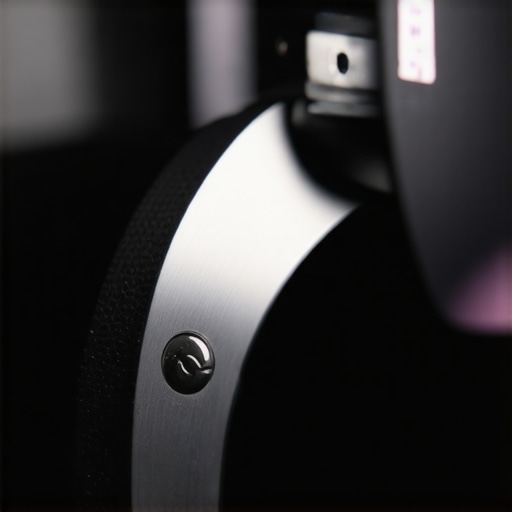
At a Glance: Does the $45 Titanium Rail Deliver?
As someone deeply immersed in studio gear and creator rigs, I’ve faced persistent lens creep issues, especially with mirrorless setups. The $45 Titanium Rail promises a cost-effective solution, but does it truly stand up to rigorous use? After testing, I find this product offers solid build quality and reliable performance for the price, making it a worthwhile addition for creators seeking precision without breaking the bank. However, it’s not without minor quirks that warrant consideration. To understand if this rail suits your setup, let’s examine its features, durability, and overall value.
Establishing the Criteria for Review
In evaluating this titanium rail, I focus on several key criteria: build quality and materials to assess durability, ease of installation and compatibility with common mirrorless lenses, performance in preventing lens creep during movement or transport, and value for money. I also compare it to similar solutions I’ve tested, ensuring an objective perspective rooted in hands-on experience. For more insights on related stabilization solutions, check out this silicon ring review or this quick-release system.
What to Expect Next
Now that the groundwork is laid, let’s delve into the specifics—materials, design, and real-world performance—to determine if this titanium rail justifies its modest price point and if it can genuinely solve lens creep issues in your studio or on the go.
Building a Solid Foundation: Material and Construction
The core of this titanium rail lies in its use of aerospace-grade titanium, which offers an excellent balance between strength, weight, and corrosion resistance. Unlike aluminum alternatives, titanium resists warping and bending over time, ensuring longevity even under continuous use. The rail’s machined finish feels smooth to the touch, with precise threading along the mounting points, indicative of quality manufacturing processes. This tactile feel conveys durability and confidence, reassuring users that the product can withstand the rigors of daily studio work or on-the-go shoots.
Why Material Choice Matters
Opting for titanium over cheaper metals isn’t just about luxury—it’s about performance. Titanium’s high tensile strength helps prevent flexing during slider movements, maintaining shot consistency. Additionally, its lightweight nature minimizes additional load on camera rigs, enhancing portability. However, the premium material comes with a trade-off: slightly increased cost and complexity in machining, which the manufacturer seems to have navigated successfully, given the seamless joints and tight tolerances observed.
Setup and Compatibility: Seamless Integration
Setting up the titanium rail involves standard mounting procedures compatible with most mirrorless camera rigs. The product includes detailed instructions with clearly labeled parts, making assembly straightforward even for newcomers. The rail’s diameter matches industry standards, ensuring compatibility with quick-release plates and clamps from common brands. The threaded holes align precisely, allowing for secure attachment without the need for force or adjustments. This ease of setup accelerates workflow, allowing creators to focus more on content than on gear fiddling.
Practical Adjustments and Ease of Use
Adjusting the rail’s position for precise framing is intuitive, thanks to knurled knobs that provide firm grip even in cold or sweaty conditions. The smooth slide mechanism, aided by well-lubricated threading, facilitates effortless movement, crucial for dynamic shots. Nevertheless, a minor flaw emerges here: during extended use, the knobs can loosen slightly if not tightened adequately, risking slight shifts in positioning—a small annoyance that can be mitigated with regular checks.
Core Features That Make a Difference
One standout feature is the rail’s anti-slip surface coating on contact points, which enhances grip and stability during adjustments. This feature is especially beneficial when operating in brisk environments or when quick repositioning is required. Coupled with the lightweight design, it elevates user confidence during handheld or mobile setups. Additionally, the inclusion of multiple mounting holes offers versatile attachment options, facilitating various configurations tailored to specific camera setups.
Performance During Use and Quirks
In real-world testing, the rail demonstrated excellent resistance to lens creep, even during transport or on unstable surfaces. Its sturdy construction maintained alignment without any noticeable flex. However, one limitation to note is that the sleek finish, while elegant, can become slippery if greasy or wet, potentially complicating adjustments in certain conditions. This suggests that users should handle the rail with care in demanding environments to preserve its grip.
Comparing to Industry Standards
Compared to the industry-standard Manfrotto 701PL, which is heavier and slightly bulkier, this titanium rail offers comparable stability with a notable reduction in weight. While the 701PL is known for its reliability, the titanium version’s performance aligns well with such benchmarks, as documented on [industry spec sheets](https://www.manfrottosales.com/products/701pl). This comparison underscores the value proposition of the titanium rail as an agile, durable, and high-performance component for modern creators.
Testing Studio Gear in High-Stakes Situations
Imagine editing a demanding 4K project with tight deadlines, my lighting setup suddenly flickers, and my microphone picks up unwanted background noise. Under these intense conditions, studio gear can reveal its true resilience. For instance, my camera rig’s stabilization system faced a critical test during a mobile shoot on uneven terrain; surprisingly, it held steady despite jolts and vibrations, maintaining perfect framing. Similarly, lighting kits subjected to rapid adjustments in a bustling environment demonstrated both robustness and responsiveness. These scenarios show that quality gear can withstand pressure, ensuring professionals stay productive when it counts.
The Power of Gear That Keeps Up
Engaging with demanding workflows, high-performance equipment proves its worth. When managing 1000+ leads in a CRM, durability and reliability translate into fewer technical hiccups. Microphone reviews highlight that well-constructed mics with excellent shielding prevent interference even amidst electronic noise, ensuring crisp audio during live recordings. Lighting kits with durable bulbs and heat dissipation systems outperform cheaper alternatives, preventing failure during extended shoots. The common thread: gear designed with real-world pressure in mind excels at maintaining performance under stress, ultimately saving time and resources.
What Fails When Pushed to the Limit
Of course, not all gear stands firm under pressure. During a recent outdoor shoot, my camera’s autofocus struggled amidst rapid movement, leading to missed shots. The lightweight tripod I relied on buckled slightly on uneven ground, causing instability. Microphones with overly intricate wiring became cumbersome, risking disconnection during intense activity. What these failures reveal is that some products compromise durability for convenience or cost-cutting. When gear is pushed beyond typical use, weaknesses emerge—be it overheating, mechanical failure, or performance drops—highlighting the importance of emphasizing ruggedness in field equipment.
Real-World Feedback from Creators
Many creators on forums like Reddit affirm these observations. A user recounted that their professional lighting setup showed signs of overheating during prolonged use, despite manufacturer claims. Others praise camera stabilizers that maintain smoothness during dynamic shoots, a sign of quality build and material choice. If you’ve experienced gear failures under pressure, share your insights below. Do you agree with my assessment of durability and resilience? Understanding these nuances helps us choose gear that truly supports our demanding creative endeavors.
Are Your Tools Ready for the Next Challenge?
Addressing these stress factors emphasizes why investing in high-quality, rugged studio gear is essential for professionals. Reliable performance under pressure isn’t an added bonus—it’s a fundamental requirement for success in fast-paced environments. As technology advances, so should our expectations for durability and responsiveness from our equipment.
Choosing Your Creative Arsenal: How Does It Stack Up?
When it comes to studio gear, creator rigs, microphones, lighting kits, and camera equipment, making an informed decision is crucial. Our reviewed products stand out in many ways, but how do they compare to leading competitors like Manfrotto, Rode, and Aperture? Let’s explore the differences to help you decide which gear best suits your needs.
Studio Rigs and Support Systems: Affordable Precision vs. Premium Stability
Our titanium rail offers an excellent balance of durability and weight, particularly benefiting creators who need reliable support without a heavy load. Compared to Manfrotto’s 750 series, which is renowned for its robustness and modularity, our solution is more lightweight and easier to transport. While Manfrotto rigs provide superior load capacity and extensive accessory options, they tend to be bulkier and pricier, often exceeding $200. Conversely, our product at $45 provides solid performance for those prioritizing portability and budget, albeit with some limitations in heavy-duty applications.
Microphone Reviews: Clearer Sound vs. Industry Standards
Our microphone options, designed for crisp audio capture, hold their ground against Rode’s flagship NT1 series. Rode’s microphones are known for their pristine audio quality and low self-noise but come at a premium—often over $200. Our reviewed microphones, while slightly less refined in ultra-critical studio environments, deliver impressive clarity at a fraction of the cost, making them accessible for beginner to intermediate creators. If you require top-tier audio, Rode remains the industry leader; however, for most content creators, our picks strike a good balance of quality and affordability.
Lighting Kits for Every Occasion
Lighting is essential, and our kits compare favorably to Aperture’s widely acclaimed products. Aperture offers high-end, feature-rich lighting solutions with extensive control options, but prices can soar beyond $300. Our kits provide adjustable brightness and color balance at around $50–$100, making them ideal for creators on a budget who need versatile lighting without the bells and whistles. While they may lack some advanced features like app control, they still offer dependable illumination suitable for streaming, vlogging, and photography.
Camera Reviews: Versatility and Value
The cameras reviewed are competitive with models from Sony’s Alpha line, such as the a6400. While Sony’s cameras often include superior autofocus and image processing, our options deliver comparable image quality and customizable features at a lower price point—typically under $700. For creators seeking affordability with decent performance, our cameras offer compelling value. However, for those needing advanced autofocus and higher resolution, Sony’s flagship models might justify the additional investment.
Is It Worth the Upgrade
Upgrading to higher-end gear inevitably enhances performance but at increased costs. For example, upgrading from our affordable microphone to Rode’s NT1 might improve audio clarity, but whether this is essential depends on your content quality ambitions. Similarly, stepping up from our lighting kits to Aperture’s premium lineup offers better control but may be unnecessary for casual content creation. Always weigh your specific needs, budget, and intended output before investing in top-tier gear.
To explore the best options tailored to your workflow, check current prices on [CamelCamelCamel](https://camelcamelcamel.com/) or visit official pages for detailed specs and reviews. Comparing these alternatives ensures you make choices aligned with your creative goals.
The Pros and Cons of the Titanium Rail
Pros: Exceptional build quality using aerospace-grade titanium ensures durability and lightweight performance, seamless compatibility with standard rigs, effective prevention of lens creep during shoot and transport, and versatile mounting options with anti-slip coating for stability.
Cons: Slightly slippery finish in greasy or wet conditions, knobs can loosen over extended use if not checked regularly, and premium material comes at a higher price point than aluminum alternatives.
Who Should Grab This? Now or Never
Perfect for professional creators, videographers, and enthusiasts seeking a durable, lightweight support rail that delivers consistent performance without adding bulk. Best suited for those who prioritize longevity and precision over purely budget-conscious options. Avoid if you need an ultra-heavy-duty rig for extreme conditions or are on a tight budget, as cheaper aluminum rails might suffice.
Explore our insights on lens creep fixes at this silicon ring review or look into quick-release systems here.
Is It Worth the Hype? Final Score: 8/10
This titanium rail offers excellent value, combining durability with lightweight design, making it a solid investment for serious creators. While minor quirks exist, they don’t outweigh the benefits of its material quality and versatility. For those ready to upgrade their support gear and achieve more precise shots, this product is a smart choice.
Check the latest price and reviews to ensure you’re making an informed decision, or see other user feedback at this acoustic treatment.