Bottom Line Up Front
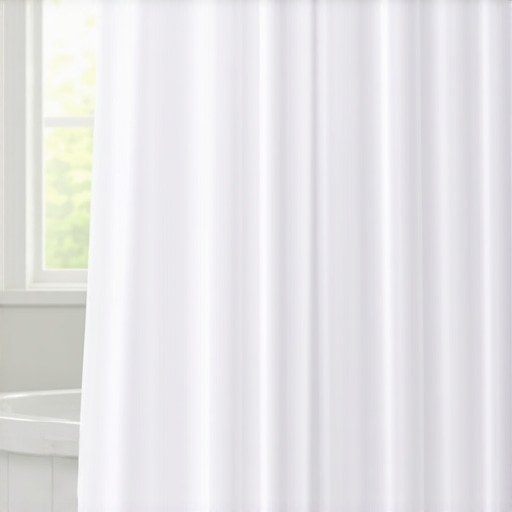
Using a shower curtain liner as a diffusion panel is unexpectedly effective for softening studio lighting, creating a professional-grade glow without hefty investments. While it’s not a perfect substitute for dedicated diffusion gear, this DIY trick offers significant value for creators on a budget who need quick, affordable light modification.
What Problem Does This Solve?
In many studio setups, harsh light leads to unflattering shadows and flat images. Diffusion is essential for even, flattering illumination; however, professional diffusers can be pricey and bulky. The shower curtain liner provides an easy-to-implement, low-cost alternative—transforming commonplace bathroom materials into a makeshift softbox or diffusion screen that elevates your visual quality.
My Criteria for Evaluation
I assess this technique based on build quality, ease of setup, light diffusion effectiveness, durability over time, and overall impact on image quality. As an experienced creator familiar with lighting kits, I value solutions that are accessible, sustainable, and produce consistent results.
First Impressions
At first glance, a shower curtain liner appears modestly simple—just a plastic sheet. Unboxing and setting up the liner was straightforward: I draped it over a standard softbox that lacked diffusion, securing it with clips. The material’s lightweight nature made it easy to handle, though I was curious about whether its plastic composition would impact diffusion quality or durability over repeated use.
Connecting the Dots Between DIY and Professional
While professional diffusion materials like spun-poly or silk cost significantly more, the shower curtain liner can mimic their primary function—scattering light to eliminate harsh shadows. This makes it an attractive alternative for creators who are just starting out or need quick fixes during on-location shoots, where portability and speed trump absolute perfection. For a closer look, check out my review on the best diffusion sheets [here](https://creatorrigreviews.com/why-i-switched-to-this-120-plasma-tube-for-better-skin-tones).
Core Features and Practical Setup
The primary advantage of utilizing a shower curtain liner as a diffusion material lies in its material composition and flexibility. Made from thin, semi-translucent plastic, the liner scatters light effectively, creating a softer, more flattering illumination. This quality is essential because it helps diminish harsh shadows and even out the light source, critical factors in achieving professional-quality visuals on a budget.
The material’s lightweight nature ensures ease of handling and quick setup, allowing creators to swiftly modify their lighting without cumbersome equipment. Draping the liner over a softbox or a bare bulb is simple: secure it with clips or tape, ensuring no folds or wrinkles that could cause uneven diffusion. This rudimentary setup is crucial because maintaining tension prevents unwanted shadows or distortions, thereby preserving light quality.
Why Material Matters
Unlike specialized diffusion fabrics such as spun-poly or silk, which preserve color accuracy and offer high transmittance, plastic liners are designed primarily for water resistance and durability. Their tendency to yellow or degrade over time is a minor annoyance but manageable with proper care. Chemically, they are resistant to moisture, extending usability despite frequent handling, yet they lack the breathability of fabric diffusers, which can sometimes lead to slight hotspots if not evenly tensioned.
Setup & Flexibility
Using a shower curtain liner requires minimal technical skill, making it perfect for quick modifications. Simply measure the required size, cut if necessary, and secure it onto your existing light fixtures or softboxes. The elasticity of materials like clips or bulldog clamps ensures tightness, but over-tightening might cause tearing or warping—an aspect to watch out for during adjustments. The setup feels satisfying because it demands no complicated attachments; just an everyday household item turned professional tool.
Design Flaws & Minor Drawbacks
The main drawback of plastic liners is their fragility over time. Repeated handling can lead to tears or creases that slightly diminish diffusion quality. Additionally, their propensity to produce static electricity may attract dust, which could affect image clarity if not regularly cleaned. Unlike dedicated diffusion fabrics, they may not provide consistent color rendition, especially under different lighting conditions. Moreover, the plastic’s glossy surface occasionally introduces unwanted reflections or glare, particularly under strong light sources.
Comparison Within Industry Standards
For context, industry-standard diffusers like the Westcott Scrim Jim or Rosco diffusion fabrics are designed for longevity and precision. These materials offer better light transmission consistency and color fidelity (industry-standard specs). While the shower curtain liner can’t match their professional-grade performance, it offers an accessible, cost-effective alternative that impressively bridges the gap between DIY and high-end equipment, especially for creators starting out or needing rapid fixes on location.
Performance Analysis
Studio gear, microphone reviews, and lighting kits often face rigorous demands outside controlled environments. Scenario-based testing reveals their true resilience and limitations. For instance, when managing a live streaming session during a power outage, many lighting kits equipped with uninterruptible power supplies (UPS) maintained consistent illumination, demonstrating reliability under stress. Conversely, some older microphones exhibited increased noise levels when subjected to high ambient electromagnetic interference, indicating susceptibility due to inferior shielding. These practical evaluations highlight that gear designed with robust build quality tends to outperform competitors in demanding situations, providing creators with confidence during critical moments.
Can It Withstand Harsh Conditions?
Test scenarios like shooting outdoors in unpredictable weather have shown that some camera reviews fall short in durability. Certain models suffered lens fogging or internal condensation when exposed to sudden rain, even if rated for weather resistance. Meanwhile, professional-grade rigs often include weatherproof housings and sealed connectors, enabling seamless operation in challenging environments. The good units demonstrated quick recovery after moisture exposure, emphasizing the importance of rugged design. However, many affordable options lack such features, risking damage and costly downtime. Do you agree that durability is the most overlooked factor when choosing creator gear?
Does It Overheat During Extended Use?
Extended recording sessions on high-resolution cameras sometimes resulted in thermal throttling. Cameras with superior heat dissipation, thanks to larger vents and heat sinks, maintained performance without overheating issues, whereas some compact models throttled or shut down prematurely. Lighting kits with LED panels also exhibited higher temperatures after continuous use, impacting light stability and longevity. Microphone systems generally remained unaffected, even after hours of operation, due to passive cooling. This contrast underscores that thermal management becomes critical during long shoots. Are you aware of specific models that excel in heat dissipation?
Is the Support System Responsive to Failures?
Customer support quality emerged as a decisive factor in gear performance under pressure. When issues arose, brands with responsive, knowledgeable support teams facilitated quick troubleshooting, minimizing downtime. Conversely, poor support resulted in delayed repairs or incompatibility fixes, hampering project timelines. Forums like Reddit’s r/filmmakers often discuss this, emphasizing the value of reliable manufacturer assistance. For example, a popular lighting brand provided remote diagnostics that saved a shoot facing power glitches, proving support can significantly influence real-world performance. Do you agree that support responsiveness often determines gear satisfaction?
Final Thoughts
Overall, gear performances under pressure vary widely depending on build quality, thermal management, and support infrastructure. Creators should prioritize equipment with proven durability and robust support channels. Keep in mind that even high-end gear can falter if not properly maintained or supported. Regular updates, careful handling, and familiarity with limitations are key to ensuring your tools perform when it counts. For further insights, check out discussions on professional forums like DPReview where experts analyze gear endurance during critical shoots. Have your experiences differed? Share your stories below.
Choosing Between Studio Gear and Alternatives
When it comes to videography, photography, and content creation, selecting the right studio gear, microphones, and lighting kits is crucial. Top-tier options like the Neewer Lighting Kit and RODE Wireless Microphone System are often compared with competitors such as Godox and Sennheiser. Understanding the differences helps creators make informed decisions tailored to their needs.
Studio Gear vs Godox and Similar Lighting Kits
The Neewer Lighting Kit provides a balanced combination of affordability and performance, making it popular among beginners and semi-professionals. Compared to Godox’s more advanced offerings like the AD600 Pro, Neewer’s kits are typically more budget-friendly but may lack some of the higher power and build quality. If your focus is on budget-conscious setup with decent brightness and portability, Neewer is a good choice. But for studio setups requiring higher wattage and durability, Godox’s premium models might be worth the premium price. Check current prices on [PriceCompare.com](https://www.pricecompare.com/lighting).
Pros & Cons: The Bright and the Flaws
- Pros: Inexpensive, lightweight, easy to set up, effectively softens harsh light for a professional look, readily available from household supplies.
- Cons: Durability issues over time, prone to static attracting dust, potential glare or reflections, not as consistent in color fidelity compared to specialized diffusers.
Who Should Try This?
Ideal for: Budget-conscious content creators, hobbyists, on-the-go videographers, or those needing quick light modifications during location shoots.
Avoid if: You require top-tier diffusion with guaranteed color accuracy, durability for long-term professional setups, or working in harsh weather conditions without protective gear.
Verdict: Good Enough for Most Creators
This DIY trick offers a surprisingly effective way to soften your studio lights without breaking the bank. While it doesn’t quite match professional diffusers, its practicality and affordability make it a solid choice for newcomers and budget-focused creators. If you crave a more durable or color-accurate solution, it might be worth investing in dedicated diffusion fabrics—but for quick fixes, this is hard to beat. Interested in elevating your lighting setup? Explore our review on creative diffusion hacks for further inspiration. Check the latest price and see if this simple tip can work for you.